


April 9th, 2022Funding for shows
Agricultural shows will benefit from $15.4 million under the federal government for a second round of the Agricultural Shows Development Grant Program.
Minister for Agriculture and Northern Australia David Littleproud said the funding would support the growth and long-term sustainability of this important industry.
“Show societies will be able to use these funds to upgrade or repair showground infrastructure,” Minister Littleproud said.
“These grants will provide regional communities with the opportunity to make showground facilities safe, attractive and accessible for showground users and the 6 million annual visitors.
“Agricultural shows are important as they are a driver for innovation and education, they showcase Australia’s food and fibre, and support local economies.
“They generate $1 billion for regional Australia in economic benefits, they’re supported by around 50,000 volunteers, and most importantly, they play an important role in the social and economic fabric of regional Australia.
“The last couple of years have seen unprecedented disruptions to agricultural shows, and this is our way of helping out.”
Senator for Victoria Sarah Henderson welcomed the second round of Agricultural Show Development funding.
“Our local ag shows are events that are looked forward to by locals across regional Victoria.
“The first round of this program was heavily oversubscribed, so I am delighted that the ag show organisers will have an opportunity later this year to apply to the second round for funding.”
April 9th, 2022Waterbirds on the increase
The diversity and numbers of waterbirds breeding and feeding across the North Central region’s wetlands continued to rise this season, thanks to the Victorian environmental watering program.
North Central Catchment Management Authority (CMA) Program Delivery Executive Manager Rachel Murphy said it was pleasing to see waterbird numbers continue to jump.
“In the Gunbower floodplain wetlands, water for the environment partnered with a high-river flow to produce a longer watering that prompted breeding,” Ms Murphy said
“At Little Reedy Lagoon, Long Lagoon, Reedy Lagoon, and Black Swamp we saw birds such as wedge-tailed eagles, nankeen night herons, eastern great egrets, Australasian grebes, and a lot more.
“We also experienced an important little-pied cormorant breeding event involving little pied cormorants at Long Lagoon. About 60 chicks hatched and fledged in 29 nests, which is a fantastic result.
“The ecological benefits of water for the environment in northern Victoria are clear. Water for the environment is doing its job and doing its job well.
Water delivered to the Loddon Murray Wetlands, including important Kerang Lakes sites, also resulted in strong waterbird numbers this season.
“We had waterbirds breeding at Richardson’s Lagoon, Lake Elizabeth, Lake Yando, Lake Meran, Lake Leaghur, and Lake Murphy,” Ms Murphy said.
Across in the west, the North Central CMA delivered water to seven Wimmera Mallee Pipeline wetlands.
“We’ve had waterbirds breeding in five of those sites, and plenty of birds feeding at all of them,” Ms Murphy said.
“We only deliver a comparatively small amount of water to these wetlands, but it plays a big part in creating the right conditions for bird breeding in a landscape that is otherwise really dry.”
The planned Victorian Murray Floodplain Restoration Project (VMFRP)aims to repair key wetlands within other parts of Gunbower Forest and in Guttrum and Benwell forests near Koondrook.
Habitat for birds such as the endangered grey crowned babbler, Australasian bittern and great egret will be part of the focus of the VMFRP, which aims to restore the floodplains while keeping irrigation water in the community.
The North Central CMA manages environmental flows on behalf of the Victorian Environmental Water Holder (VEWH). The flows are authorised by VEWH in line with its Seasonal Watering Plan 2021-22.
The Plan is available for download from www.vewh.vic.gov.au, with regular watering updates posted on the North Central CMA website www.nccma.vic.gov.au.
April 8th, 2022Storm help

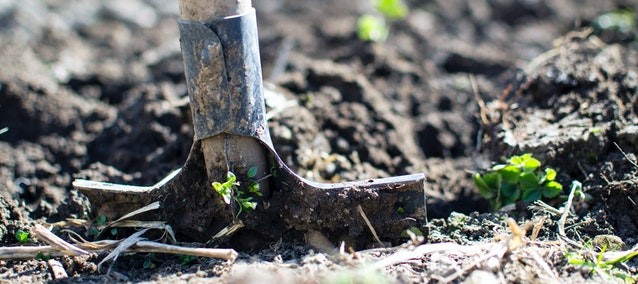
On 5 January, a severe localised weather event affected the Ballarat and Creswick areas, with hail and heavy rainfall of up to 170mm, resulting in flooding, building damage, fallen trees and crop damage and losses.
The most heavily impacted areas in the Central Highlands include Newlyn, Dean, Mollongghip, and Clarkes Hill.
Agriculture Victoria is working with primary producers, landholders, local government, and service providers across the three affected shires which includes Hepburn Shire, City of Ballarat, and Moorabool Shire.
Agriculture Victoria has appointed an Agriculture Recovery Team, led by an Agriculture Recovery Manager to coordinate support for local producers, providing technical information and referrals to other available support.
Agriculture Victoria can provide primary producers with information and technical advice on:
- soil management
- sediment and run-off issues
- water quality management
- pasture recovery
- fencing repair and replacement
- livestock health and feed budgeting
- business decision making support.
Contact the Agriculture Recovery Team on 0427 694 185 or at recovery@agriculture.vic.gov.au Information on managing storm or flood recovery can be found at agriculture.vic.gov.au/floodrecovery


April 8th, 2022Frontline for biosecurity risks on farms
Grain Biosecurity Officers (GBO’s) are at the frontline of protecting Australia’s $18 billion grains industry by helping growers manage biosecurity risks at a farm and industry level.
The grains industry is fortunate to have expert GBO’s based in each of the grain growing regions of New South Wales, Queensland, South Australia, Victoria, and Western Australia.
The GBO’s Bill Gordon (NSW), Kym McIntyre (QLD), Jim Moran (VIC) and Jeff Russell (WA) work together with the Grains Farm Biosecurity Program (GFBP), which is Australia’s flagship biosecurity extension program.
Launched in 2007, the program is managed by Plant Health Australia (PHA) and funded by growers through Grain Producers Australia and state governments.
PHA manages the national program which develops key information resources and tools such as farm gate biosecurity signs, fact sheets, communication products and management guides to assist the officers in raising awareness.
The GBO team works across three main areas: (1) surveillance coordination, (2) sharing information on managing farm biosecurity risk and (3) enhancing industry awareness and preparedness.
Regular crop monitoring and surveillance are essential tools that are used to detect pests early – substantially increasing the chance of detecting new pests and diseases early.
Continuous surveillance also assists the industry to maintain access to world markets for Australian grain export, since the absence of exotic pests can be demonstrated.
The GBO’s play an essential role in raising awareness of the industry’s main exotic pest threats. They work with industry to improve farm hygiene practices that minimise the risk of disease and pest entry and spread on farms.
Using tools like pheromone traps, monitoring and inspecting stored grain, and following up on community information received through the Exotic Plant Pest (EPP) hotline, enables the GBO’s to target surveillance for specific pests.
These tactics encourage growers to closely inspect their crops and report any changes or new pests and diseases to the EPP hotline.
On a day-to-day basis the GBO’s attend field days, industry events, meetings and workshops, where they connect with growers, agronomists and government colleagues such as Local Land Services officers.
They provide training on surveillance techniques, identifying pests, how to send samples for suspect exotic pests and share information about managing and reducing risks at farm level.
Since the program’s inception, the GBO’s have distributed thousands of farm biosecurity signs and helped growers to set up their daily activities in a way that protects their business and the industry.
Establishing good biosecurity practices on farm is not only good for individual businesses but it also adds another layer of protection to Australia’s world-class biosecurity system.
If you spot anything unusual or find something you are not sure about, call the Exotic Plant Pest Hotline on 1800 084 881.
For more information on how to implement farm biosecurity practices on your property contact one of the Grains Biosecurity Officers in your region.
For more information about the Grains Farm Biosecurity Program, visit planthealthaustralia.com.au/gfbp where you will find fact sheets on grain pests and biosecurity. In Victoria contact Jim Moran 0418 377 930 or email him on jim.moran@agriculture.vic.gov.au
April 8th, 2022Duck talk

Kirsten Diprose lives and farms near Caramut in the state’s south west.
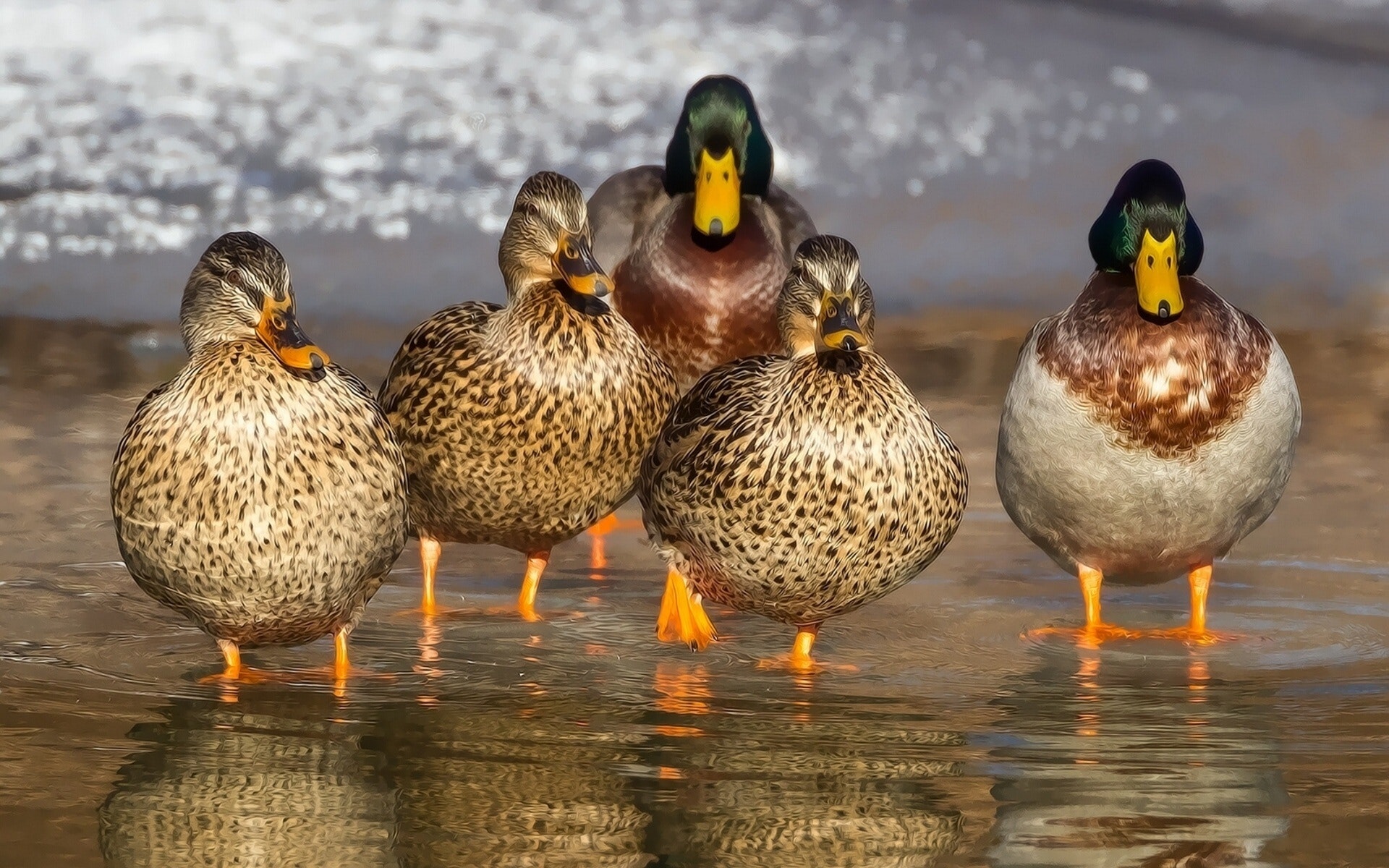
She’s the co-collaborator of ‘Ducks on a Pond’, a podcast series connecting and sharing stories and advice among rural women on the land.

The sometimes ABC TV Breakfast weather presenter shares her insights into juggling self-care with career and family.
Often referred to as “the mental load” it can leave many working women with children – especially those running a farm – feeling a bit like a human octopus. You can listen by searching for AgVic Talk wherever you get your podcasts or listen 🎧 online via the AgVic website agriculture.vic.gov.au/AgVicTalk

April 8th, 2022Rabbit woes?
Are rabbits a problem in your garden or small land holding? Would you like to know more about best practice rabbit control in regional communities?
If it’s a yes to either question, please join us at the Natimuk Showgrounds on Tuesday, April 26 for a rabbit control field day.
Agriculture Victoria Biosecurity Manager James Rowe said rabbits are Australia’s most costly vertebrate pest animal, causing more than $200 million in agricultural production losses each year.
“Research shows that less than a single rabbit per hectare can prevent the successful regeneration of native vegetation,” Mr Rowe said.
Horsham Rural City Council Landcare Facilitator Annie Hobby said rabbits out-compete and displace other native animals by competing for food, shelter and water resources.
“They cause detrimental effects to the landscape by spreading weeds and contributing to soil erosion, water degradation and loss of biodiversity.”
People living in and around Natimuk are invited to a field day on rabbit control in urban and peri urban areas being run by Agriculture Victoria and supported by the Wimmera Catchment Management Authority, Horsham Rural City Council and Natimuk Urban Landcare group.
This field day will focus on:
- control methods for best practice rabbit management
- the identification of rabbit activity, burrows and preferred sites
- demonstrations and techniques on rabbit baiting, fumigation, vegetation manipulation, exclusion fencing and harbour removal
- up-to-date information on rabbit biological control and the latest information from the Victorian Rabbit Action Network (VRAN)
- how communities can collaborate and co-ordinate their efforts for integrated rabbit control
- the legislative requirements when controlling rabbit populations.
The field day will be held at the Natimuk Showgrounds, Jory Street, Natimuk on Tuesday 26 April from 5.30 – 9 pm.
Mr Rowe said everyone had a role to play in the protection of Victoria’s natural assets.
“By working together, government, industry and the community can reduce the impact of pest animals in Victoria.” Please register for catering purposes by contacting either James Rowe on 0408 512 599 or Annie Hobby on 0407 914 498.

April 8th, 2022Desexing pets to improve animal welfare

| The Victorian Government is supporting councils and not-for-profit organisations to desex thousands of dogs and cats to improve animal welfare outcomes and reduce the number of unwanted pets. Minister for Agriculture Mary-Anne Thomas visited Westside Community Desexing in Sunshine to open applications for a new round of Pet Desexing Grants, funded through the government’s Animal Welfare Fund (AWF). The new grant round includes $500,000 to support local councils and not-for-profit organisations to improve the quality of domestic dog and cat welfare across Victoria by purchasing equipment and expanding free or low-cost pet desexing services. Westside Community Desexing is helping to address cat overpopulation in the Western Metropolitan region through accessible desexing, microchipping and pet wellness services. The organisation received $150,000 in March last year from Round One of the Pet Desexing grants to establish a high volume, low cost desexing clinic which is now open. Since the new clinic opened in December last year, they have desexed almost 500 cats. There has been a significant increase in demand for new pets and adoptions across Victoria. The proportion of pet-owning households in Australia has increased significantly from 61 per cent to 69 per cent in just over two years. On average, cats start breeding at four months and can have up to three litters a year. If left un-desexed, one female and her offspring could produce thousands of kittens in just a few years. Applications have also opened for $471,500 in Equine Rehabilitation Grants to support organisations that rescue, rehabilitate and rehome horses to purchase equipment or services and upgrade their facilities. In total, almost $1 million is available in Round Two of the Pet Desexing and Equine Rehabilitation and Rehoming Grants. Applications are open until Sunday, May 1 Link: animalwelfare.vic.gov.au |
April 7th, 2022Zero Emissions Vehicle subsidy uptake
Thousands of Victorians are saving up to $500 a month on fuel costs after taking advantage of the Zero Emissions Vehicle subsidy.
Subsidies of $3000 for Zero Emission Vehicles (ZEVs) under $68,740 are assisting Victorians to take control of their costs of living while helping Victoria halve emissions by 2030.

More than 4000 Victorians have already taken advantage of the incentive program since May last year, with 2021 sales 310 per cent higher than the previous year.
Latest consumer survey data shows 99.2 per cent of customers are satisfied with their new car. Areas with the highest uptake of ZEVs include Melbourne’s western and eastern suburbs, with the Wyndham, Boroondara and Monash local government areas leading the charge.
The state government is replacing 400 government fleet vehicles with ZEVs by 2023. In addition,
from 2025 all new buses will be zero emissions and the metropolitan train network will be powered by 100 per cent renewable energy, similar to the Solar Trams initiative already in place.
The transport sector accounts for 25 per cent of Victoria’s total carbon emissions – electric vehicles will reduce emissions, while also reducing the amount of air and noise pollution, making our cities and towns more liveable.
Link: www.solar.vic.gov.au/zero-emissions-vehicle-subsidy
April 7th, 2022Accessible information & support is critical for the wellbeing of Australians with IBD
Inflammatory bowel disease (IBD) affects around 100,000 Australians – that’s 1 in every 250 people living with chronic inflammation of the digestive tract. With no cure for the disease, access to relevant and up-to-date information, and a strong support network to manage this chronic illness, are vital.
Crohn’s disease and ulcerative colitis are the two most common types of IBD. While people are primarily diagnosed with IBD between the ages of 14 and 25, it can affect anyone at any stage of life.
As the peak support and advocacy body in Australia, Crohn’s & Colitis Australia (CCA) plays a key role in informing people living with IBD about their condition and helping them to connect to a community that understands the pervasiveness of the disease.
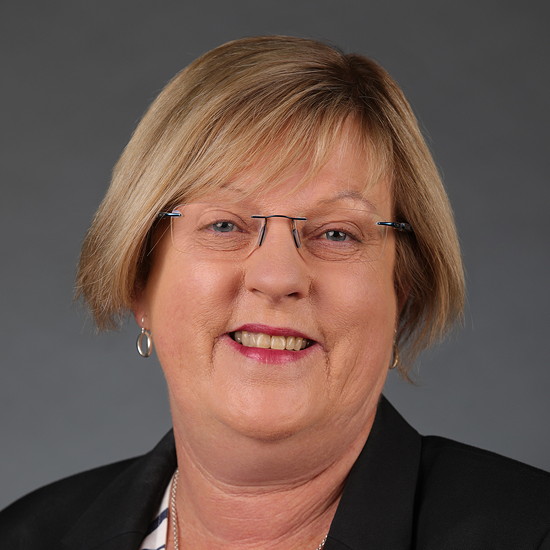
Victorian Government Minister,the Honourable Lisa Neville, was diagnosed with Crohn’s disease 33 years ago. Minister Neville says that when it comes to navigating this illness, accessible information is critical.
“I first came across Crohn’s & Colitis Australia about 15 years into my disease. I discovered other people shared my experience and it was a trusted source of up-to-date info on Crohn’s, treatments available and steps to empower me to make decisions to minimise the impact of the disease.
“Having access to information about your condition empowers you to not just understand what is happening but to advocate to medical professionals about how they can and should help. Knowing your local pharmacist, doctor and specialist have access to good information also helps in their treatment of your conditions and to understand when things may be going wrong,” Minister Neville explains.
In addition to accessible information about the disease, early IBD diagnosis and treatment by a multidisciplinary team of healthcare professionals – ideally including a GP, gastroenterologist, IBD nurse, dietitian and psychologist – can greatly improve the lives of those living with these chronic illnesses, as well as reduce the need for surgery and hospitalisations.
But not everyone has access to this level of coordinated healthcare. In an IBD Audit of 71 Australian hospitals, just 1% of hospitals had a full IBD multidisciplinary team and only half had an IBD helpline.
For those living in regional, rural and remote parts of the country, this level of healthcare and support is even harder to come by.
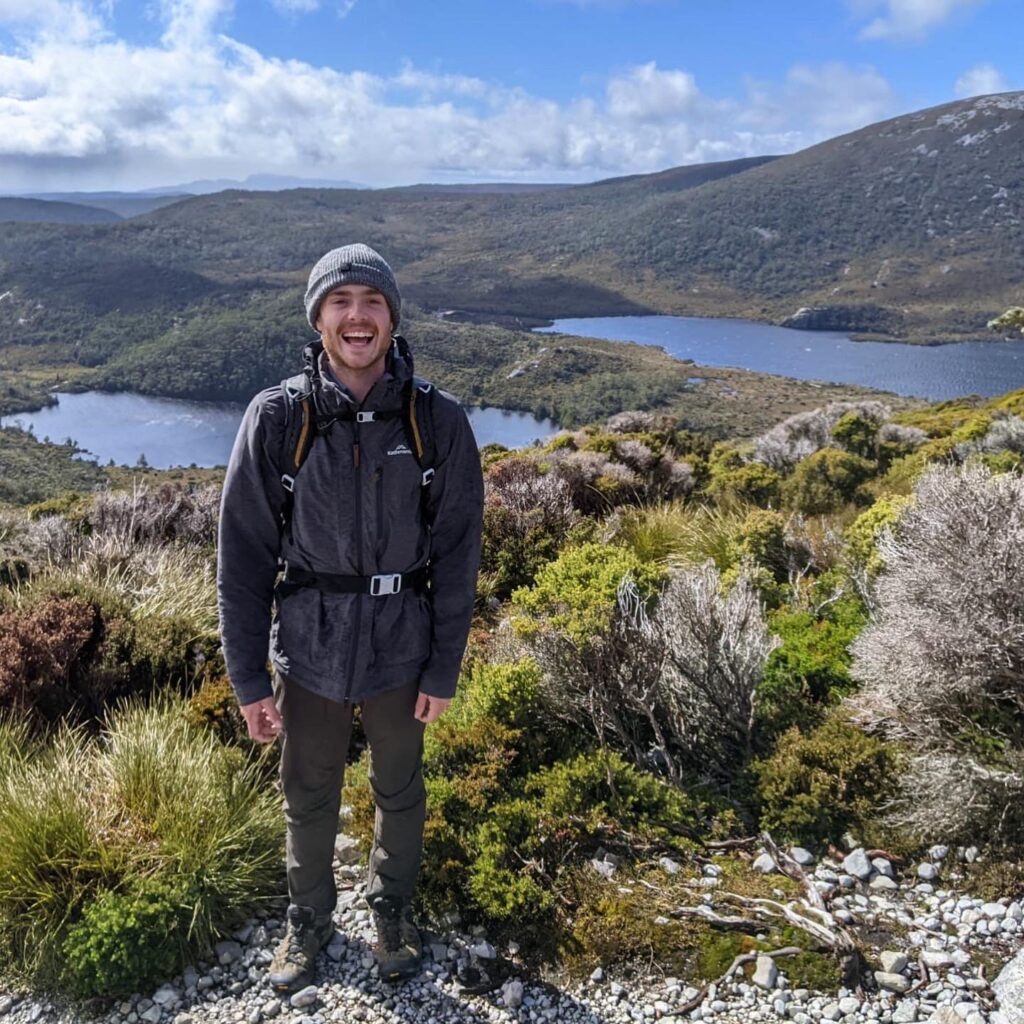
Patrick Lickiss comes from regional Victoria and lives with Crohn’s disease. “With less access to health centres, multidisciplinary care and specialists in more remote regions of Australia, there is naturally often less support and information for those living with IBD in these areas. Furthermore, as IBD is often an invisible disease, it is hard to meet others experiencing IBD, a problem that is only accentuated in less populated, more regional areas of Australia. Having online services such as CCA crucially helps to bridge the gap in information accessibility and support between rural and metro areas of Australia,” Patrick explains.
Daniel Lightowler is a clinical IBD nurse for the South Metropolitan Health Service in WA. Daniel says that poor access to health infrastructure and support in regional, rural and remote Australia makes accessing information and support a real challenge for his patients.
“It’s very difficult for a large tertiary health service to make an impact when servicing the largest single landmass of any health service in the world. We have so many regional patients scattered through many areas of our state. We try and link our patients into any services they have within their area but often there just is nothing. That’s why having access to CCA’s website and our service’s nurse helpline can make a real difference to many patients,” Daniel explains.
Given the challenges of COVID, it’s now not only regional parts of Australia that need to find ways to access information and supplement face-to-face specialist support.
As Minister Neville explains, “The internet now provides so much information – maybe too much, sometimes – and it’s important like never before to have trusted sources. That’s why I so strongly support CCA – it is a safe place for information and support, and it can be trusted.”
Patrick agrees. “CCA’s website is a powerful hub of information, advocacy, support and research within Australia. It also provides information and resources for young people with IBD, which is often incredibility scarce. CCA has been able to provide me with crucial information on things like how to travel with my drugs, explained how others live with the disease and ultimately made me feel less alone.”
Anyone diagnosed with Crohn’s or colitis can join CCA, a community that understands. To learn more, visit https://www.crohnsandcolitis.org.au/ or call 1800 138 029.

April 7th, 2022Youth festival in September
The Victorian Youth Fest 2022 will be a month-long celebration for young people in September.
Grants of $2000 are available for youth sector organisations, local councils and schools to work in partnership with Victorians aged 12-25 to host face-to-face, digital or hybrid events that create opportunities for young people to showcase their skills, share their ideas and expand their networks.
All events will be delivered throughout September, providing the opportunity to host activities across both the school term and school holidays.
Events that engage newly arrived young people, refugees and asylum seekers, Aboriginal young people, young people from diverse cultural backgrounds, rural and regional Victorians, young people with disability, members of the LGBTIQ+ community and those facing social isolation and disadvantage are strongly encouraged.
In 2021, when it was known as Youth Week, this program funded 97 arts, music and recreation activities, cultural and community festivals and sporting events.
Applications are open until April 29. All events will be required to adhere to COVIDSafe settings.
Link: www.youthcentral.vic.gov.au/youth-fest.
April 7th, 2022Upgrade for Lauriston Hall

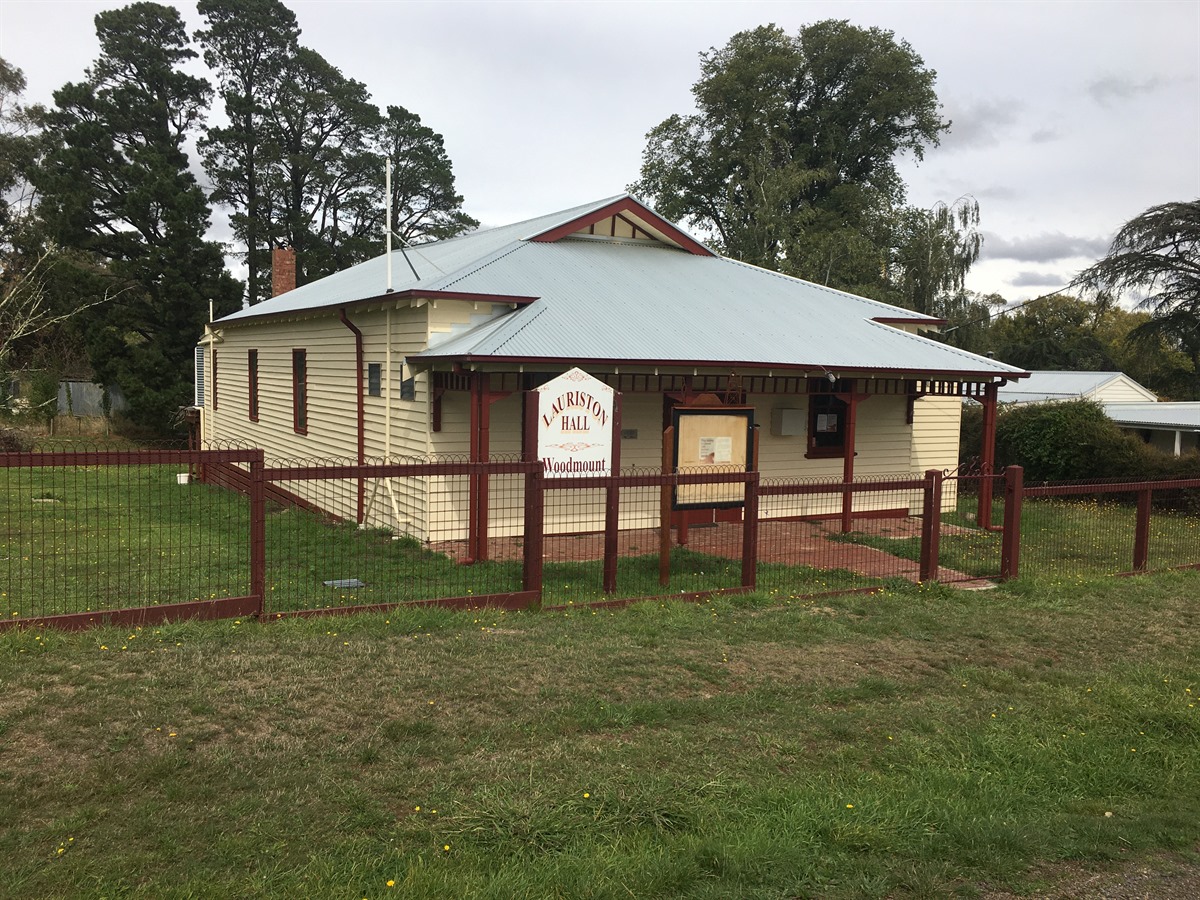
The 90-year-old Lauristone Hall in Lauriston has been transformed from a much-loved community hub into a more accessible space to be better equipped to host more events.
The building has a long history of community spirit, with two local sisters pooling their money to fund construction of the community hall in the early 1930s.
The upgrade ensures the hall can continue to be an important cultural and social hub for locals and visitors, including space for children’s playgroups, performances, not-for-profit group meetings, exhibitions and private functions for the Lauriston community.
The project included rehabilitation works to retain the hall’s heritage character, while a new kitchen, bathroom and entrance have modernised its internal fit out. Construction works have also made the hall more accessible for people of all abilities.
The hall’s upgrade has enabled the community to come together and connect at events, which is a key part of the town’s recovery from the impacts of the pandemic.
The revitalised space further highlights the importance of community halls and the positive impact they have on social wellbeing.
Community members joined the Lauriston Hall Committee to collaborate on the development of the project delivered by the Macedon Ranges Shire.
April 6th, 2022Quail callers suspended for the 2022 Stubble Quail season

‘Quail callers’ are electronic acoustic lures that emit the calls of Stubble Quail to attract and concentrate the birds into an area so they can be hunted.
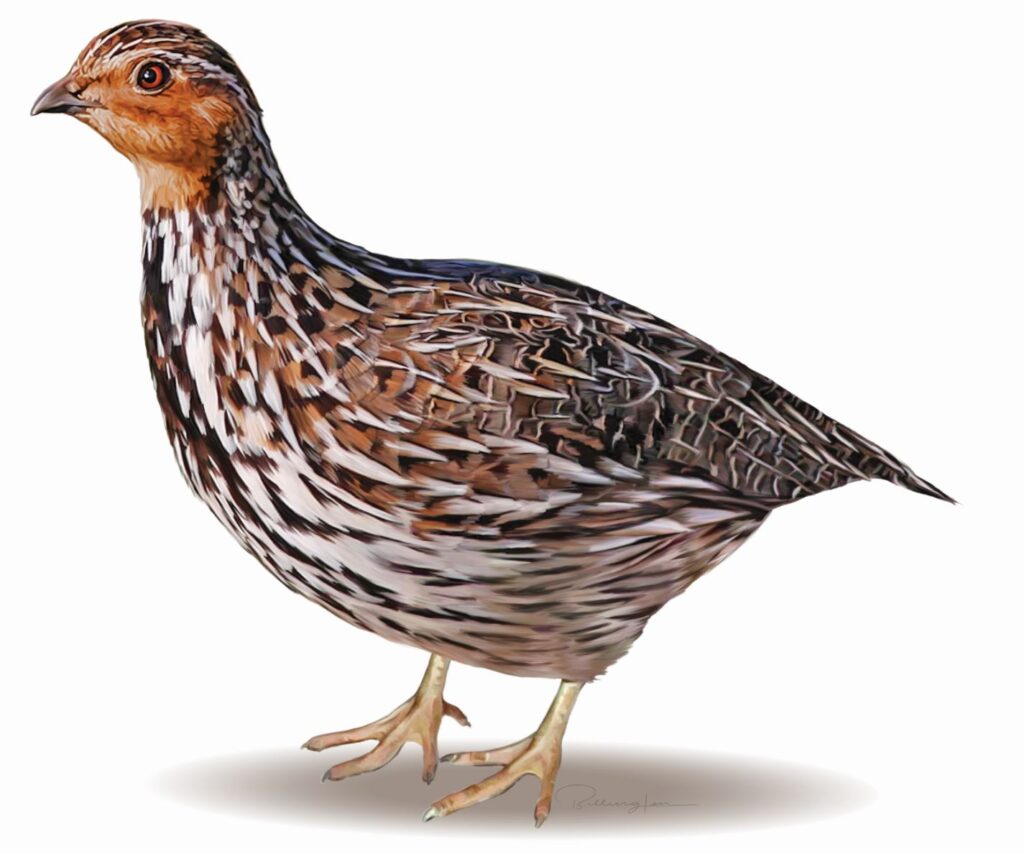
After concerns were raised by the hunting community over the ethics of using quail callers, the GMA partnered with Deakin University to investigate the efficacy of the devices.
The research found that quail callers significantly increased the number of quail in the vicinity of the activated caller and concentrated the birds into a very localised area around it, making it easier for hunters to harvest the quail.
GMA CEO Graeme Ford said the results of this research show the effectiveness of electronic quail callers and the need to suspend the use of quail callers for the 2022 Quail Season.
“We now have evidence that using electronic quail callers significantly increases the number of quail in the vicinity of the caller,” Mr Ford said.
“As the popularity of these devices is increasing, we need to put their use on hold until the costs and benefits of their use can be fully explored during the review of the Wildlife (Game) Regulations 2012.”
“The results of the research show there is a very real risk that widespread use of quail callers could result in overharvesting.”
The use of quail callers when hunting game is already prohibited in many parts of the world.
Stubble Quail season is open from Saturday, April 2 – Thursday, June 30.
The GMA will be patrolling both public lands and private properties across Victoria throughout the 2022 Stubble Quail season to ensure compliance with hunting laws.
Link: https://bit.ly/3c1Ve12

April 6th, 2022New strategy for family growth
Hepburn Shire Council has developed a draft Early and Middle Years Strategy 2022-2030 which aims to plan and prepare for family growth and the development needs of early years and middle years children.
The strategy provides direction for the development and coordination of services, programs, infrastructure, activities, and local community development processes that impact children aged 0 – 12 years living in Hepburn Shire.
Mayor, Cr Tim Drylie, said that it was well established that a child’s early years provided a foundational basis for their growth and development across their lifetime.
“Specific focus on the ages of 0-8 years enables early intervention to ensure each child receives the best start in life and no child is left behind. Council has included the middle years within this strategy, 8 to 12 years, as they are the years of rapid physical growth. Council recognises this is an important developmental phase of childhood when children need strong social and educational support systems,” Cr Drylie said.
The Early and Middle Years Strategy 2022-2026 outlines a vision where all children who live in Hepburn Shire get the best start in life and go on to reach their potential. The strategy also demonstrates Council’s commitment and highlights the support and investment we will provide to our children and families to play and participate in their community, and to grow and develop at each stage of life.
“Council takes seriously its role in leading policy direction, coordinating and collaboration with partners, the provision of infrastructure and programs, advocacy and strengthening community capacity. To positively impact on the lives of our children, we must work with external partners to achieve our vision,” said Cr Drylie.
To have a say on the draft Strategy visit https://participate.hepburn.vic.gov.au/early-and-middle-years-strategy-2022-2030
April 6th, 2022Regional recovery
Minister for Regional Development Mary-Anne Thomas has visited the Ballarat and District Aboriginal Cooperative (BADAC) to announce a $2.6 million grant, one of many projects funded through the Regional Infrastructure Fund – Round 2.
The cooperative plans to develop a culturally safe, independent living community for local Aboriginal elders.
The grant will support the construction of self-contained units, a large central hall for community meals as well as gardens and cultural spaces. Elders will be fully engaged in the design of the village, which will be able to house up to 16 residents.
This project builds on support provided by BADAC to Aboriginal Victorians across five local government areas in western Victoria.
The cooperative delivers health, social and community development programs to Aboriginal people – including more than 700 people aged 45 and over who need culturally sensitive support as they get older.
BADAC’s new village is just one of a range of new projects to be announced in coming weeks, as part of the Regional Infrastructure Fund – Round 2.
Ms Thomas said the cooperative’s new village would ensure local Aboriginal elders had the support they needed.

April 6th, 2022New riverside camping sites online
The first of hundreds of new riverside camping spots are now online with the hundreds more of the Croown Land sites to be added progressively in the coming weeks.
Up to 50 more will come online by the end of April, with newly available sites to be listed on the Department of Environment, Land, Water and Planning (DELWP) website once they are identified as suitable for camping.
The new sites can be accessed by foot from designated parking areas around the townships of Seymour, Tallarook, Murchison and Molesworth. Future sites may be able to be accessed by vehicles, depending on location.
The sites are coming online gradually as part of a staged approach, following a comprehensive consultation process where more than 1100 submissions were received on draft regulations.
Rigorous public land value assessments were conducted by DELWP to ensure the sites are safe – and are followed by Traditional Owner assessments of each site to ensure they are culturally appropriate for camping.
Further sites along the Goulburn, Broken, Ovens, Campaspe, Loddon, and Murray Rivers are currently being assessed for inclusion in the program.
The public can already lawfully access licensed river frontages for recreation such as fishing, hiking, and picnicking.
A 24-hour hotline (13FISH) is available for the public to report any illegal or antisocial behaviour.
For more information visit: forestsandreserves.vic.gov.au/land-management/managing-crown-land/access-to-crown-water-frontages