


February 6th, 2022Local Lines
Summer Prayer
Whenever I’m slow to start my day
See too many obstacles in my way
Through my window I see them play
Honeyeaters on stems that sway
New Hollands and Spinebills clearly say
We’ll chirp and eat and scream gooday
Defy the odds from birds of prey
Not cower and live a life’s that grey
Face down Wattle birds come what may
Ignore advice to be au fait
If there’s a price well we will pay
But from our nature we’ll not stray
In sunshine’s warm life-giving ray
We will not hide (and meekly pray)
From snapping probing beaks that slay
They’ll cause no fear and won’t delay
Our joy of morning’s rich display
We’ll keep all of those fears at bay
Endure the furious chase and fray
Aloof from sadness and dismay
Our random flight we will obey
Tomorrow we’ll again replay
The flair we put on show today
No one can ever say we’re fey
So let me all your fears allay
Don’t fret that we will go astray
In life whatever we essay
We’ll all of us return to clay
When in this rhyme of vast array
As light turns grim and starts to gray
It’s on my bed I seek to lay
These rhymes to juggle and to weigh
With birds it’s really come what may
Cos nature’s such a bumpy sleigh
They’re not just donkeys who simply bray
While pulling along a heavy dray
New Holland honeyeaters yay,
To Eastern Spinebills yea Jose
To birds in my garden it’s open cache
Plentiful bird baths hey? Ole.
Tom Perfect

January 30th, 2022Bushfire recovery help

The state government is continuing to support businesses and industry groups to recover from the impacts of the 2019-20 bushfires.
Minister for Regional Development Mary-Anne Thomas has announced funding to support local business networking and recovery efforts through the new $500,000 Regional Industry Groups & Chambers of Commerce program.
This new program includes grants of up to $10,000 which will enable regional industry groups and chambers of commerce to host networking events and collaborate on ideas that help local economies recover from natural disasters.
There are 18 local government areas included in the program with industry groups and chambers of commerce in the Hume, Gippsland, Loddon Mallee, Barwon South West and Grampian regions eligible for direct funding.
The program supports non-for-profit, business membership-based groups to bring to life events that bolster local businesses and industries.
Successful recipients may host events such as guest speakers, workshops, seminars, conferences and industry award opportunities.
The Government has invested more than $525 million to bushfire recovery initiatives delivering ongoing support to individuals, families, businesses and regions impacted by the 2019/20 fires.
The program complements funding provided to regional chambers of commerce through grants from the state government’s $5 million Business Chambers and Trader Groups program, which helps businesses collaborate through local initiatives and supports their recovery from the pandemic.
Round two of the Business Chambers and Trader Groups program is now underway to support more business recovery initiatives across the state.
For more information visit: rdv.vic.gov.au/rigcc
Minister for Regional Development Mary-Anne Thomas: “We know that our regional communities have been doing it tough with bushfires, drought and the pandemic. We are standing by them and this funding will support industry groups with their recovery efforts.
“This program is putting local business collaboration front and centre to help deliver stronger local economies and create more opportunities and jobs for our regions.”


January 30th, 2022Food on its way
The Victorian Government is ensuring those who are doing it tough during the pandemic can continue putting a meal on the table, with funding to deliver food to Victorians who need it most.
Minister for Disability, Ageing and Carers Anthony Carbines has announced 13 organisations will share in $1.67 million from the latest funding round of the Food Relief Financial Reserve.
The Financial Reserve was established to provide extra support to community food relief providers, who are delivering more food to vulnerable Victorians in response to the challenges of the pandemic.
More than 2.5 million meals have already been delivered and 46 full-time equivalent food relief jobs supported through the $4.33 million released from the Reserve to date.
Organisations receiving funding through this round include:
• OzHarvest
• FareShare
• Foodbank Victoria
• SecondBite
• Latrobe City Council
• Ballarat Community Health
• MHA Care Ltd
• Geelong Food Relief Centre
• Bendigo Foodshare
• Mildura Foodshare
• Warrnambool and District Foodshare
• Shepparton Foodshare
• Albury Wodonga Regional Foodshare
Through the Financial Reserve and other programs, the Government has invested more than $39 million to expand community food relief across Victoria since February 2020.
This includes $5 million in grants to 93 community food relief organisations for additional storage and equipment to deliver more food relief to Victorians in need across the state.
The Government also established a Food Relief Taskforce to provide system leadership and advice on strengthening and enhancing the community food relief system in Victoria.
For more information, visit providers.dffh.vic.gov.au/community-food-relief.
Minister for Disability, Ageing and Carers Anthony Carbines: “We are ensuring a warm meal is available for everyone who needs it – because no Victorian should worry about having enough to eat.
“This funding brings our total investment in food relief for Victorians to more than $39 million since the start of the pandemic.
“With this assistance, food relief organisations across the state will be able to continue their important work getting food out to vulnerable members of our community in a COVIDSafe way.”
January 30th, 2022Greenhouse emissions
We know all food and fibre farms produce some form of greenhouse gas emissions which contribute to increasing the concentration of greenhouse gas in the atmosphere.
These additional heat trapping gases are increasing global temperatures and causing other changes in local (and global) climates, including a rise in average daily temperatures over time and less predictable seasonal rainfall patterns.
To help dairy farmers understand more about this Agriculture Victoria has released a new eLearn, via the Agriculture Victoria Learning Management System. It’s called Greenhouse Gas Emissions on Dairy Farms: What’s in it for me?
The eLearn allows dairy farmers to increase their awareness of the impact of greenhouse emissions and the sources from dairy farming.
It also highlights practical management options to lower farm emissions and reduce operational costs for a win – win outcome. For further information, contact Michele Jolliffe on 0428 581 883 or via email – Michele.Jolliffe@agriculture.vic.gov.au
January 30th, 2022Footrot care
The seasonal conditions of the past few months have been challenging for sheep and goat’s feet, particularly if your flock/herd has an underlying problem with footrot.
You may be asking yourself is it the right time to attempt to eradicate footrot from your livestock and property.
There are several factors to consider when determining the likelihood of success of a footrot eradication program.
First, environmental factors, these can promote the transmission of footrot and include moist conditions, mild temperatures (>10°C), and abundant feed; so, a wet summer has the potential to contribute to failure of a footrot eradication program.
Second, the virulence of the footrot. Eradication of virulent footrot is more feasible than benign footrot because the severity of lesions is more acute and therefore easier to distinguish those sheep infected from those that aren’t.
Unfortunately, with goats, virulent footrot can express as benign until they start co-grazing with sheep.
Third, the success of any program will be aided if the spread and severity of footrot was restricted in your flock/herd during spring.
If you decide to commence an eradication program, once the pasture has dried off in summer, all sheep/goats must be individually examined, foot by foot, paring sufficiently to ensure an accurate diagnosis.
The success or failure of a footrot summer eradication program is largely determined at this point.
During this initial examination, sort animals into clean and infected (infected or suspect) groups.
Removing all infected animals will give better results.
An infected group kept for treatment is a high risk for later breaking down and infecting your clean groups.
If infected animals are retained, they require foot paring, sufficient to expose all pockets of infection, and appropriate treatment.
This isn’t necessary if infected animals are to be culled: however, infected animals need to be fit-to-load if they are culled for slaughter via an abattoir.
The clean group can then be released into a clean paddock: which is a paddock that has not had sheep or goats in it for the previous seven days.
Every animal in the clean group must be examined again three to six weeks later, and this process repeated until two consecutive clean inspections are achieved.
If the infected group was retained, reinspect all feet after four weeks.
Any animal not cured should be disposed of immediately (if fit-to-load to an abattoir, otherwise euthanase on farm).
Repeat treatments and examinations until two clean inspections are achieved. The infected group now becomes the cured group.
From there, keep the clean and cured groups separate and isolated until after the next spring.
Keep sheep and goats under close surveillance for signs of lameness; any lameness must be checked to determine the cause. If footrot is detected, sadly the program needs to be repeated.
The engagement of sheep handlers, pneumatic shears or contractors can help make this difficult activity a little bit easier.
More information on footrot in sheep can be found at Footrot. Expert advice on diagnosis, treatment and program design to eradicate footrot is available from your veterinarian or an Agriculture Victoria animal health or veterinary officer on 136 186, or in New South Wales contact your Local Land Services.
January 29th, 2022Agricultural health and safety
Do you know a Victorian secondary school that would be interested in free agricultural health and safety training for students?
The Gear Up for Ag Health and Safety Program works with secondary school students to build their understanding of common agricultural risks and the importance of safe practices on farms.
Funded by Agriculture Victoria’s Smarter, Safer Farms program and delivered by the National Centre for Farmer Health, Gear Up for Ag delivers education on topics like safe quadbike and motorbike usage, respiratory protection, agrichemical exposure, eye and ear safety, zoonotic diseases (from cattle and sheep), heat related stress and skin protection and the importance of keeping healthy, both physically and mentally.
Since its inception in 2018, Gear Up for Ag has reached nearly 400 students across 14 Victorian secondary schools and agricultural colleges.
Casterton Secondary College teacher Ms Bel Kelleway said it can be difficult to teach students about the importance of health and safety within the normal school curriculum.
“The program is a fun way for students to discuss serious health and farm safety issues that impact them,” she said.
Gear Up for Ag Program Facilitator, Ms Morna Semmens said workshops are delivered by trained facilitators and students are actively encouraged to participate in interactive learning opportunities and co-operative activities.
“At the conclusion of the workshop a free personal protective equipment kit is given to students to take home and implement their learnings.
“Providing education on health, wellbeing and safety issues to farmers at a young age is vitally important given 76 per cent of participating students plan to continue to work in agriculture.
“During the Gear Up Program we discuss strategies that can be applied to minimise risk and we demonstrate proper and correct usage of personal protection equipment when risk can’t be eliminated,” Ms Semmens said.
Expressions of interest are now open for 2022 workshops and secondary schools are encouraged to register their interest early to avoid missing out.
Visit the National Centre for Farmer Health or contact Cecilia Fitzgerald on (03) 5551 8533 to get involved.Supported by Smarter, Safer Farms, a $20 million Victorian Government commitment to improve safety and skills outcomes for Victorian farmers.
January 29th, 2022Jobs in our backyards
An uncertain job market and the inability to travel overseas has led to a decline in high school graduates participating in a “gap year.” But there’s plenty of opportunity for growth and experiences right here in our own backyard.
The Australian Government has partnered with the National Farmers’ Federation (NFF) to develop AgCAREERSTART – a gap year program which matches young Australians with an on-farm job in regional Australia while addressing barriers and attitudes to work in Australian agriculture.
AgCAREERSTART applicant Romy Ainslee is a young Australian who graduated in 2021 from Hawkesbury High school in Lower Portland, NSW, an hour and half from Sydney. Ms Ainslee is excited for the opportunities AgCAREERSTART will give her.
“I’ve been stuck in the same place my whole life and I’m keen to get out there and try something different,” Ms Ainslee said.
“I originally started an agriculture course in high school. However, the program ended up not running as not enough people signed up to do it. I’ve had an interest in agriculture ever since.
“With AgCAREERSTART I don’t mind what type of agriculture I end up doing or where I get placed, as long as I get the opportunity to learn some new skills,” Ms Ainslee said.
NFF Chief Executive Officer Tony Mahar said a gap year with AgCAREERSTART will give young people the opportunity to explore some of Australia’s most beautiful regions while learning new skills.
“Young people are finishing school in a world of uncertainty. They still need that well-earned break from study, and they want to gain independence, even more so after almost two years of online lessons and being stuck at home,” Mr Mahar said.
“AgCAREERSTART participants will be matched with an on-farm job, given training and development, and granted access to industry events and experiences with their AgCAREERSTART cohort. They can learn something new in a hands-on way, while gaining valuable life experience.
“If the pandemic has taught us anything, it’s to make the most of every opportunity. Travel may always be possible, but a program like this doesn’t come along every day,” Mr Mahar said.
Through AgCAREERSTART, participants will be employed under award wages on qualified farms for up to 12 months. Participants will receive safety training, on-farm induction and VET scholarships to upskill on the job. Participants will also be able to access government funded relocation assistance.
The first on-farm placements for AgCAREERSTART will commence in March 2022.
Applications for both farmer hosts and participants are now open. For more information and to register your interest visit www.agcareerstart.com.au
January 29th, 2022Improving market transparency
The federal government has committed $5.4 million for projects to improve price and market transparency in Perishable Agricultural Goods (PAG) supply chains. Applications for a $5 million industry grants program opened on 25 January 2022.
Minister for Agriculture and Northern Australia David Littleproud said the competitive grants will help address market imbalances and give Australian farmers a fair go.
“In 2020 the government directed the Australian Competition and Consumer Commission (ACCC) to inquire into the domestic fresh food supply chain,” Minister Littleproud said.
“The ACCC found that farmers often have the least information in the fresh food supply chain and recommended governments and industries explore ways to increase price transparency and competition in PAG industries.
“When market power imbalances exist in the fresh food supply chain, farmers are more vulnerable to take-it-or-leave-it terms from buyers or exploitative conduct.
Senator for Victoria Sarah Henderson said that these grants were an opportunity for industries to apply and improve price and market transparency in their supply chains.
“Participating perishable agricultural goods industries may apply for funding for projects that improve market transparency and help Aussie farmers make informed business decision,” Senator Henderson said.
“The agriculture industry as a whole will benefit as we continue to even the playing field for our farmers.”
“We are backing fair, strong and resilient supply chains and putting in place the frameworks so everyone is treated fairly and pays their share.
“This is another way the government is helping the agricultural industry achieve its goal of $100 billion by 2030.”
Further information: Improving Market Transparency in Perishable Agricultural Goods Industries – DAWE (link is https://www.awe.gov.au/agriculture-land/farm-food-drought/food/perishable-ag-goods-industries)
To apply, visit: Home | Community Grants Hub (link is https://www.communitygrants.gov.au/
Fast Facts:
- The Australian Government is investing $5.4 million for projects to improve market transparency across perishable agricultural goods supply chains.
- The ACCC inquiry into PAG recommended that governments and industries explore measures to increase price transparency in perishable agricultural goods industries, to increase competition in those industries.
- Workshops were held in late 2021 with the chicken meat, dairy, horticulture, pork, red meat, seafood, and wine grapes sectors, providing opportunities to identify price and market transparency issues and explore tools and processes to address them.
January 29th, 2022Local tourism business insights
Do you run a local tourism business and want to learn more about the eight types of customers that visit our region? If so, this is an opportunity not to be missed.
Hepburn Shire Council is proud to support Daylesford Macedon Tourism (DMT) as our Regional Tourism Board in promoting a fantastic program for tourism operators to better understand their customers.
Local tourism businesses can participate in the Customer Profiles Program at no cost. The program facilitators Customer Frame have over 45 years’ experience in all things customers and will guide businesses through the program and provide practical tools and tips. The program provides three modules in addition to the first session where participants will hear all about the new customer profiles for the region.
We know that the last 2 years have been particularly hard, but we encourage all tourism operators to get involved in the program to gain an understanding of customer profiles, why they are important and how to apply profiles to gain maximum impact in their own businesses.
All sessions will be held via Microsoft Teams online. Program dates and details:
- Session 1 – Customer Profiles – 10am Tuesday 1 February 2022
- Module one – Concept of Customer Profiles – 10am – 11am – Tuesday 8 February 2022
- Module two – Region’s customer profiles – 10am – 11am – Tuesday 15 February 2022
- Module three – How to apply the profiles – 10am – 11am Tuesday 22 February 2022
For further information about the program and sessions, contact Daylesford Macedon Tourism via email info@dmrtourism.com.au and they will forward details.
For any other business enquiries please contact Council’s Economic Development Team either via email business@hepburn.vic.gov.au or phone 5321 6122.
January 28th, 2022Local Lines
The enemy
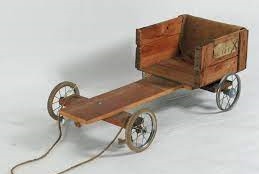
An inverted wooden-planked fruit box
plonked on a central sturdyish wooden plank
bolted at either end to smaller cross-planks
That’s a lot of planking – and there’s more
In front of the box sits a closer-planked
small wooden crate (for the co-pilot option)
and further ahead a wooden axle
manoeuvrable courtesy of ball bearings
with a cast iron wheel at either end
Back wheels are pram and slick
but due to the rusty front wheels
the billy cart is a clanker
From main perch point grab the reins
to permit pull-style steering and now
accept a brother’s push from behind
Absorb the jarring bounce as you hit
each crack and uneven footpath block
Relish downward momentum. Yee ha!
Pray you strike no uphill pedestrians
requiring rough nature strip detour
and application of rear brake –
crisis of wood, metal, concrete –
sparks – and loss of shoe leather
in front rider’s skidding heels
Even if you get a clear run
look out for the aproned figure
of frizzy-haired Lordis Lady
charging down her rocky front path
stirring spoon raised above her head
shrieking shrieking shrieking
Bill Wootton
January 28th, 2022More mental health help
The federal government is investing a further $44 million to increase access and reduce wait times at headspace services for young people aged 12 to 25 years.
Senator for Victoria Sarah Henderson said that Australia’s headspace centres provide young people with a single-entry point for holistic, wrap around mental health services.
“One in four young Australians are affected by a mental health illness every year and as we continue to battle COVID-19 it’s more important than ever that we prioritise mental health,” Senator Henderson said.
“The disruption to normal life caused by the COVID-19 pandemic has had profound impacts on young Australians and we are ensuring that they can access the mental health supports they may need to help them get back on track and minimise longer-term impacts.”
“Young Australians know that services provided through headspace centres are a safe place to turn to, somewhere young people can get professional help, peer support and feel comfortable enough to tackle their challenges in a way that is right for them.”
Minister for Health and Aged Care Greg Hunt said both mental health and suicide prevention remains one of our Government’s highest priorities.
“These grants form part of the Morrison Government’s headspace Demand Management and Enhancement Program – an investment of $152 million over 7 years from 2018,” Minister Hunt said.
“Through three funding rounds to date, this program has supported 28 PHNs and 86 headspace services to reduce wait times and invest in capital and infrastructure.”
The Government encourages Primary Health Networks (PHNs) across the nation to apply for up to $1.8 million each in wait time reduction grants. In addition, grants of up to $940,000 are available for capital and infrastructure improvements to existing headspace services.
Together, the grants will:
- increase access to high quality and more timely youth-friendly mental health support
- enhance the quality of service experience for young people
- boost the physical capacity of headspacefacilities and enhance the accessibility of services through refurbishment or relocation.
Assistant Minister to the Prime Minister for Mental Health and Suicide Prevention, David Coleman said these new grants added to the Government’s significant support for headspace around the nation.
“Our Government is providing unprecedented funding and support for mental health, investing a record $2.3 billion in the National Mental Health and Suicide Prevention Plan” Minister Coleman said.
“There is nothing more important than the mental health of our young people. headspace makes a real difference in the lives of young people across Australia, and this funding will help to increase access to these important services.”
Australians looking for support throughout the COVID-19 pandemic can also access the Beyond Blue Coronavirus Wellbeing Support Service any time via telephone at 1800 512 348 or online at coronavirus.beyondblue.org.au.
Anyone experiencing distress can seek immediate advice and support through Lifeline
(13 11 14), Kids Helpline (1800 55 1800), or the Government’s digital mental health gateway, Head to Health.
If you are concerned about suicide, living with someone who is considering suicide, or bereaved by suicide, the Suicide Call Back Service is available at 1300 659 467 or www.suicidecallbackservice.org.au.
Guidelines for grant applications are available on the GrantConnect website: www.grants.gov.au
January 28th, 2022New Local Jobs commissioner
Victoria’s new Local Jobs First Commissioner will champion local businesses and workers getting roles in the state’s big infrastructure, manufacturing and services projects.
Moana Weir started as Victoria’s new Local Jobs First Commissioner today and brings a wealth of experience to the role. She has been a senior officer at companies including SEEK, REA Group, and an executive at Bupa.
An experienced lawyer, she is currently Chair of the Victorian Equal Opportunity and Human Rights Commission.
The Local Jobs First Commissioner advocates on behalf of Victorian small and medium-sized enterprises and promotes the employment of Victorian apprentices, trainees and cadets on government construction projects.
The role also oversees compliance with local content commitments that maximise opportunities for local industry.
Ms Weir replaces the inaugural commissioner Don Matthews, who retired in 2021.
The Victorian Government is the largest procurer of goods, services and construction works in the state and helps to develop local industries, create jobs and boost economic activity.
Under its Local Jobs First policy, the Victorian Government has set local content requirements for 227 strategic projects since December 2014.
Victoria’s Local Jobs First Act 2003 is Australia’s oldest legislation on mandatory local content, requiring all Government departments and agencies to apply local content for contracts valued at $1 million or more in regional Victoria, or $3 million or more in metropolitan Melbourne. It also requires job opportunities to be created for Victorian apprentices, trainees and cadets on projects worth over $20 million.
For more information about the role of the Commissioner, visit: localjobsfirst.vic.gov.au/commissioner
Minister for Industry Support and Recovery Martin Pakula: “Ms Weir’s expertise will help to deliver the Government’s Local Jobs First policy as we continue to put Victorian businesses and workers first.”
Minister for Employment Jaala Pulford: “I would like to welcome Ms Moana Weir into her role as the Local Jobs First Commissioner as she supports our state’s economic and social recovery by getting more Victorians into local jobs.”
January 27th, 2022Your Say

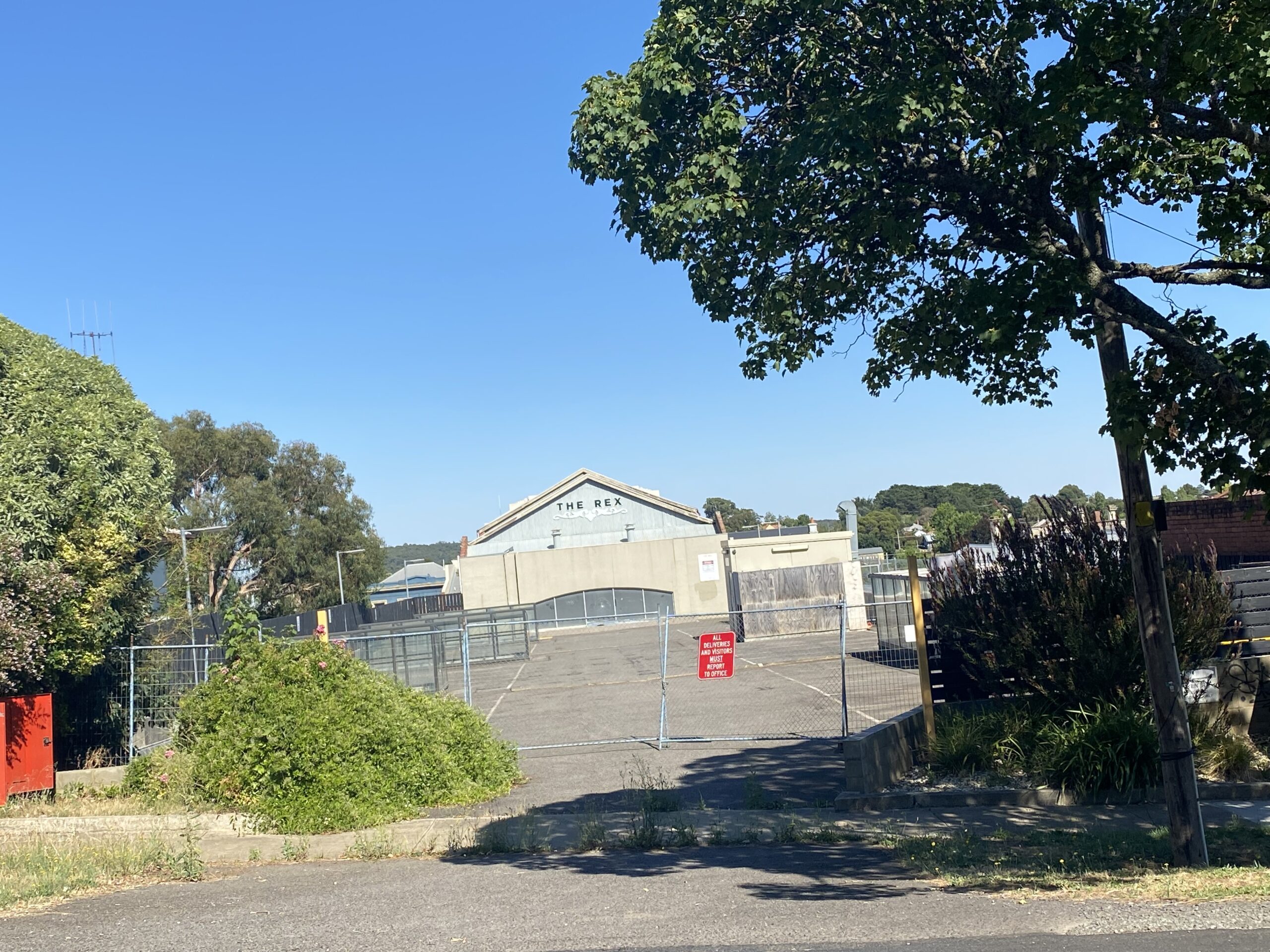
Hepburn Hub at The Rex
Why I voted “No” to selling The Rex – Cr Jen Bray.
At the November council meeting the 4-3 decision to halt the Hepburn Hub at The Rex project, and sell the building, has sent shockwaves through the Hepburn community.
Already frustrated by delays and cost blowouts, local residents are in disbelief at the news that the Hub they have been waiting over six years for has suddenly been scrapped.
As a councillor I have received 35 formal letters of complaint on council’s failure to conduct any community engagement prior to this decision or even inform the community that this might be on the cards.
For constituents who elected this council primarily on its promise of better consultation, this has, not surprisingly, come as a shock.
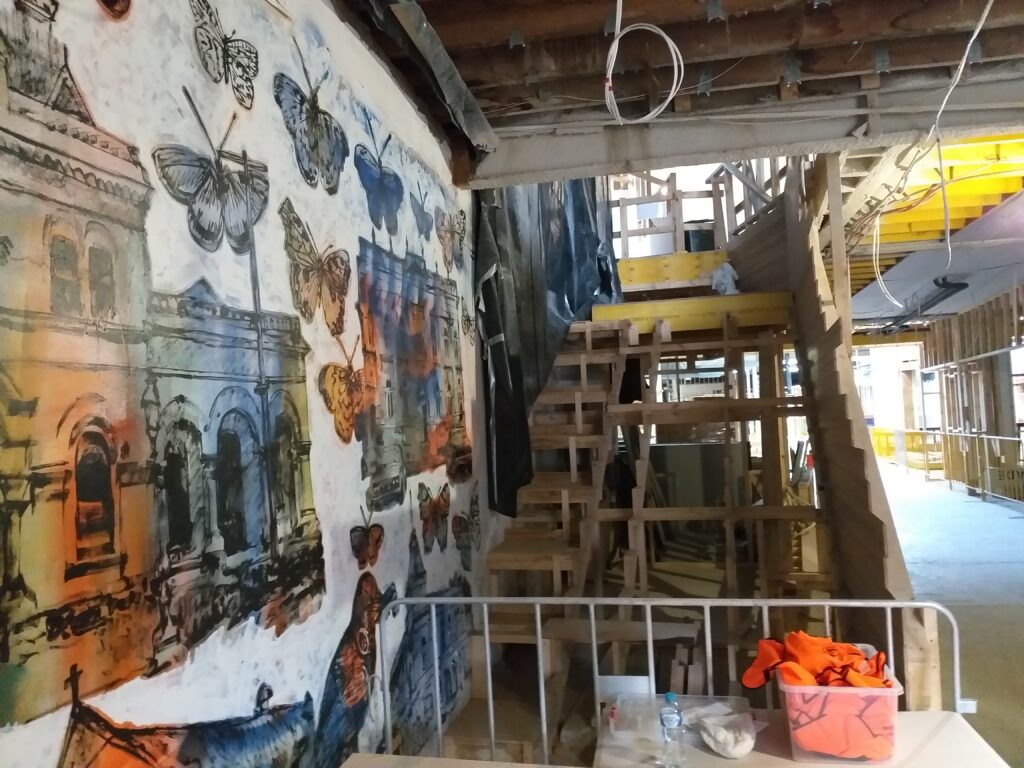
I do not believe it makes wise financial sense to sell this asset now. Having invested so much, it’s a lose-lose situation. Council will be left with an actual $6 million debt with no asset. The proposed $15 million for the project will be similar wherever this Hub is built. Except that we will be starting $6 million in debt.
Council now has no plan and no idea where we will be putting the Hub to accommodate community spaces, library, cinema, council offices and public toilets. We have no costings, no review of potential sites, no assessment of what we currently need for staff accommodation, and no community input.
Yet, this council has committed to selling The Rex before assessing all the options for a future Hub site.
Why do we need a Hub anyway?
Council began consulting with community about a Hub back in 2014. There was need for indoor community spaces, a bigger library to serve our growing population, central public toilets, and consolidated council offices to make them more efficient, compliant and provide better disability access.
When The Rex was bought in 2016, the local volunteer-run community cinema looked like losing its home, so council guaranteed it would provide an auditorium in the new Rex Hub building which the cinema could lease. A promise now broken.

The Rex project has been fraught over the past five years with delays, expanding budgets and a Local Government Inspectorate investigation yet to be made public. There have been divided views on the project, and community frustration has been understandable.
But I have heard loud and clear that this community needs a space to connect. Somewhere indoors out of the freezing rain and searing heat. The Rex would have provided a stunning new library in a beautiful historic building.
The cinema would bring entertainment and build social connection between our volunteers, youth, older members and young families. We would have central public toilets, and accessible council services. The Rex would become more than a hub – it could be the heart of this town.
To continue with this project – I propose we do what council should have done from the start.
Consult the community.
Maybe if we ask people what they want, we as a council can be guided to make better decisions in the interests of all our community.
Hepburn Shire Council Deputy Mayor and Councillor Jen Bray
(jbray@hepburn.vic.gov.au)
Letters to the editor are always welcome at The Local.
Keep them to the point and local.
Email news@tlnews.com.au Any addressed Dear Sir will be deleted.
January 27th, 2022Just sayin’…

THIS edition is all about looking back so I thought I would take a stroll down memory lane, to my “born and bred” town of Frankston.
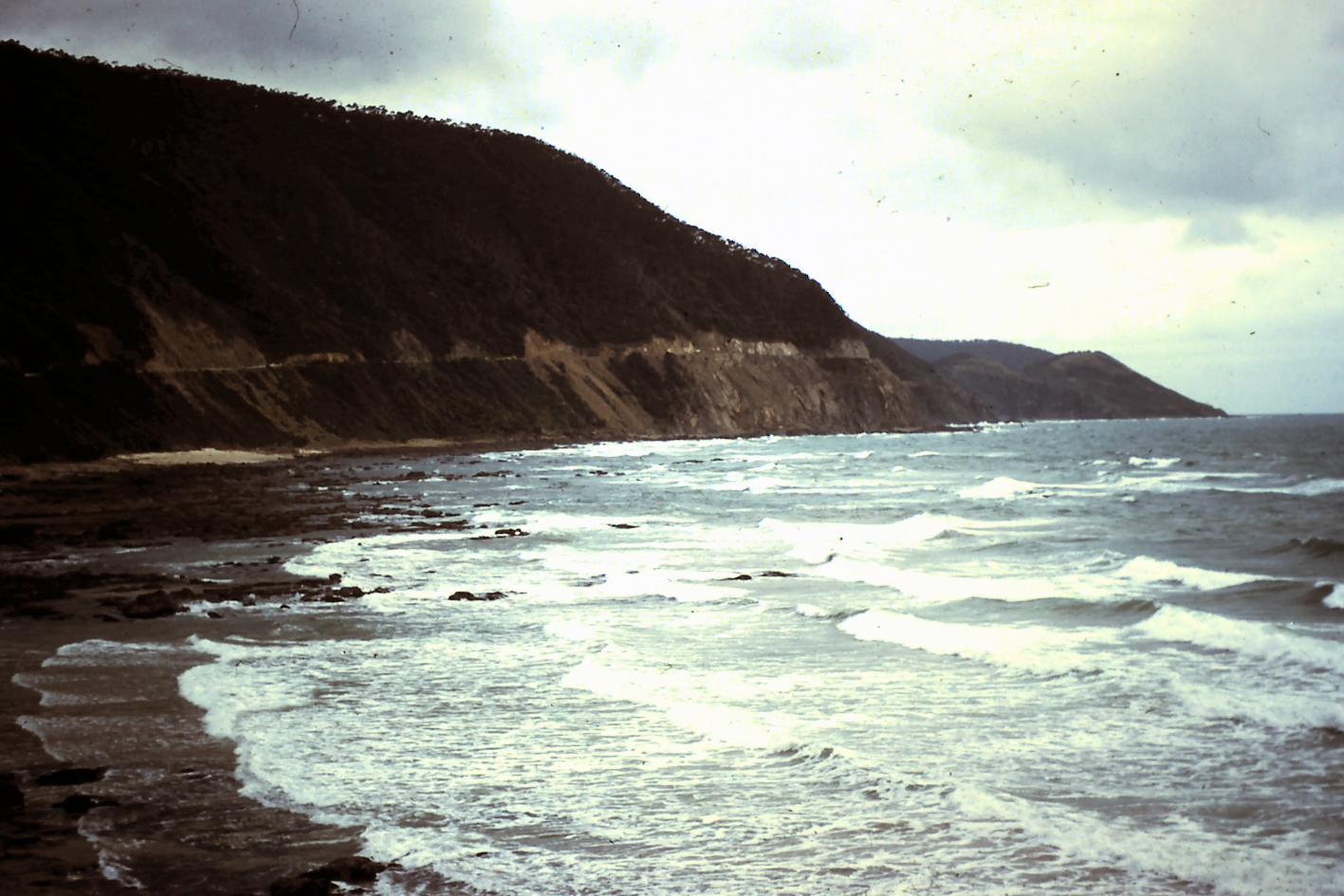
Very early memories include trips to the beach with Mum in summer. I guess Dad was too busy working at the PMG, or Post-Master General’s office, now Telstra, to come along.
We would pile into the old 1960s Holden Kingswood, (rego KEO 505) three kids in the back, one in the front and mum driving, with all manner of beach toys, umbrellas and towels. We always seemed to park on the wrong side of the highway and Mum had to drag four young kids across a busy road just under Olivers Hill. After a few hours we would dodge the traffic again, cry out as our legs burnt on the hot vinyl seats and when we got home rub cold butter on our sunburn.
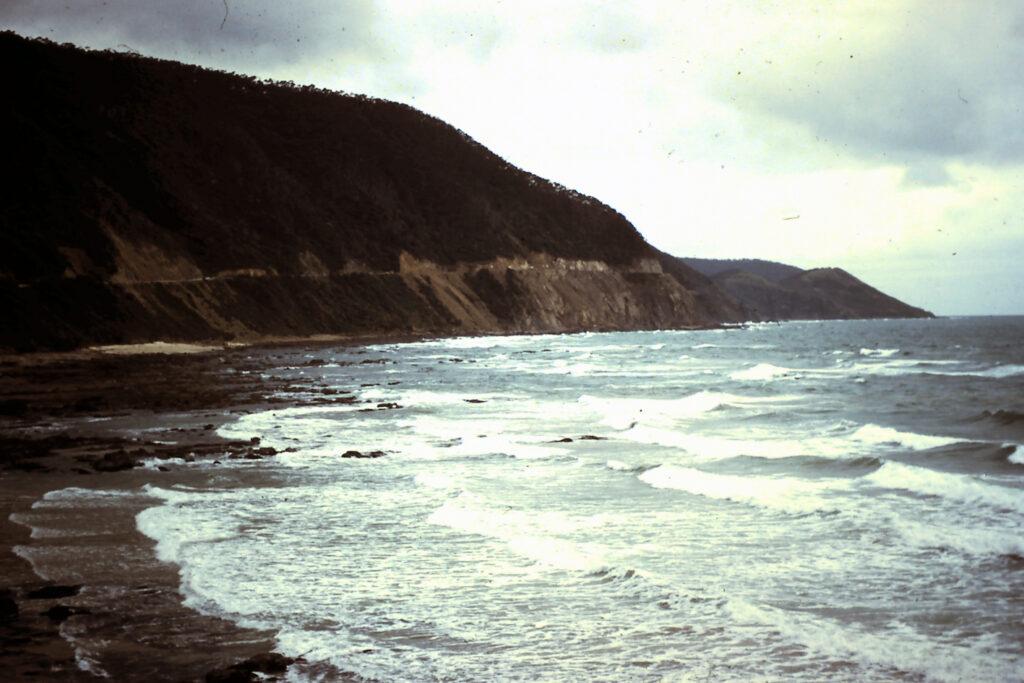
I also recall lots of really boring long Sunday drives and visiting so many display homes. Not sure why. Mum stayed in our weatherboard home in The Range from her marriage in 1956 to her only move to a retirement village just up the road in 2013.
My school days were first spent at Overport Primary, where I loved reading and writing. I memorised Dorothea Mackellar’s My Country (you know, I love a sunburnt country…) to win points for my house (boring Red compared to Harry Potter’s Gryffindor) and wrote a letter to author Ivan Southall. And yes, he wrote back.
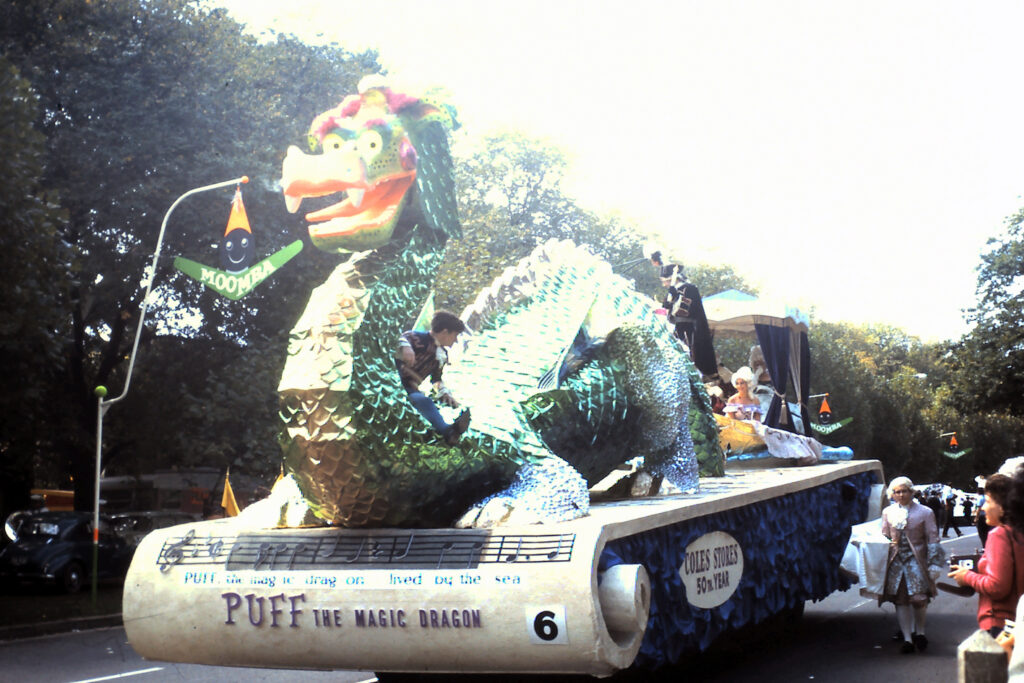
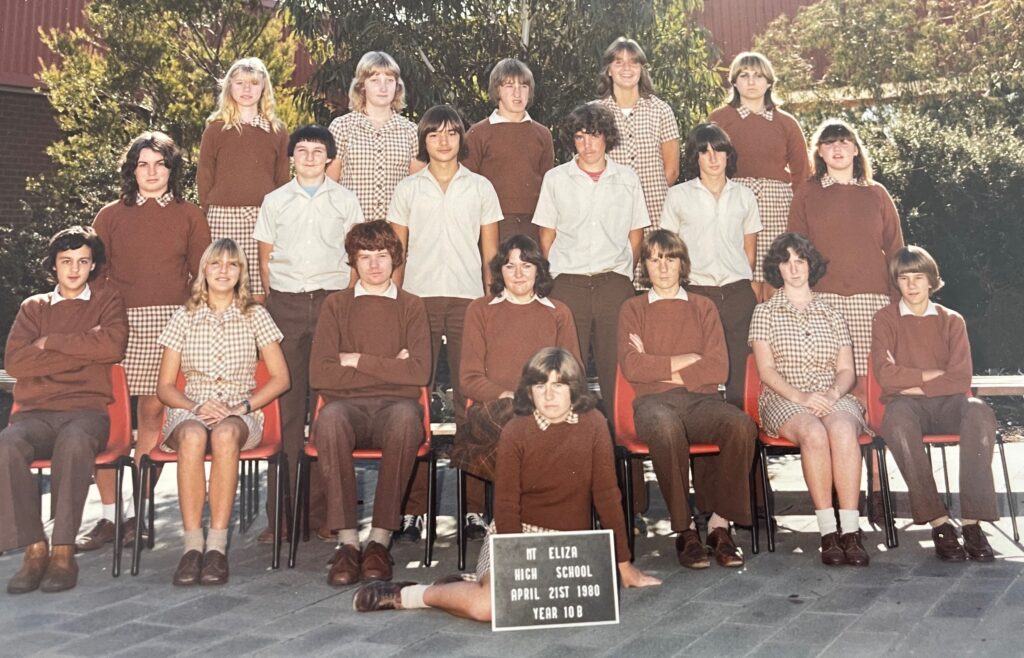
Mt Eliza High School had only just opened up and was looking for students, so that was the next step. My older sister and I, in our all-brown uniforms, caught the bus from the Frankston War Veterans Home in Overport Road. All my friends had gone to Frankston High so I had to start again and there was also a feeling we were from the wrong side of the tracks. Looking back I think most of my classmates’ parents just had bigger mortgages.
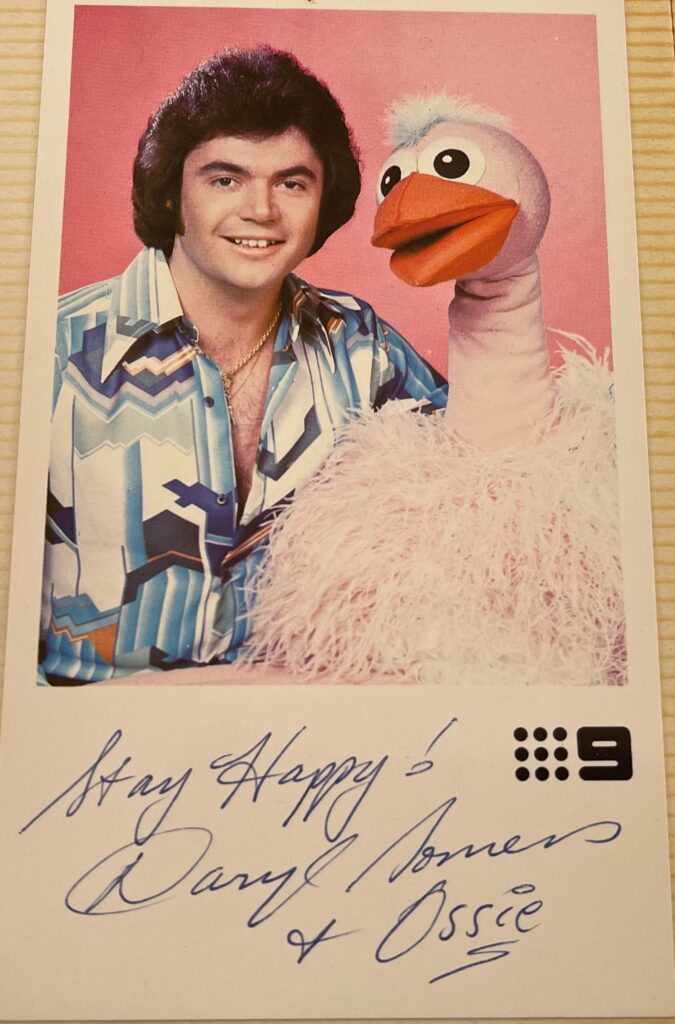
Away from school, we were always hanging out at the beach or spending Friday nights in Frankston, buying the latest single at Brashs if we had enough money. There was also a bit of time spent at the AC, a pinball parlour of fairly poor repute. My mother was always worried someone was going to walk past and stab me with a needle filled with heroin and I would be addicted. It wasn’t that bad. Television was black and white until 1975 but we didn’t care. We watched Countdown and Get Smart and Hey Hey It’s Saturday.
When I reached Form 5, or today’s Year 11, I headed back to Frankston High with my best friend. That was a great year socially, but education-wise, a complete disaster. I failed miserably but instead of repeating I pleaded my case to the local TAFE college and got into Form 6. Back on track and then off to uni.
All through high school I wanted to be a journalist and badgered the poor editor, Dina Monks, at the then Frankston Standard with everything I wrote. Sometimes they were published, mostly not. When I finally finished uni, a cadet job came up at the Standard, at just the right time…and went to the daughter of someone working there. Luckily, a little later the same position came up at the Southern Peninsula Gazette in Rosebud and it was mine. The rest is history.
Frankston was a great place to grow up. It seemed very safe, one of those “kids head out in the morning and come back at dusk” scenarios. We knew all our neighbours and practically lived over the back fence many afternoons after school.
Mums stayed at home and their work was the family and now and again the school canteens, and that’s when you got free lollies. Dads went off to work each day, in suits, and were on the school committees at night.
At Christmas we all went out and chose a real tree. We got one main present. We left presents for the milkman and the garbo, by the front gate, and no-one ever stole them. On Guy Fawkes Night (people under 30 ask your parents) we had Catherine wheels and sparklers and penny bangers. No-one had heard of Halloween.
Of course, there are always the dark sides to any life or town or time, but this is not about those. It is about a time gone by, seen through rose-coloured glasses and is just a gentle trip down memory lane. Just sayin’…
January 27th, 2022Gardening with Glen
Orchids – always precious – occasionally precocious
Once considered an expensive and highy technical hobby, the pleasures of growing beautiful orchids are now open to us all.
True, those delicate, highly desirable beauties from the steamy tropical forests demand special growing conditions and treatment, but there are now many more, less demanding varieties waiting for you to take home.
The amazing discovery of orchids and other tropical exotics in Central America led to many adventurous expeditions from the mid-1800s. In fact, it was an aborted Spanish Orchid Hunt, to be led by my botanist great grandfather E.B.Heyne, that brought him to Australia. A last minute breakout of typhoid on board the ship caused him to join the Melbourne-bound Gottfrei instead.
Until the 1920s, orchids were only obtainable by importing small offsets (plantlets) from their native environment, usually at great expense. In 1922 an American, Dr Lewis Knudson, found a way of germinating orchid seeds in a sterile culture.
Since then multitudes of new hybrids have been developed and the throng of orchid devotees have multiplied at a fantastic rate. So much so that many established flowering plants (except the totally exotic forms) usually cost no more than any other equivalent flowering tree or shrub.
All orchids come from two basic groups. The majority being epiphytic, an ancient Greek word meaning “of the air” and grow mainly on trees and rocks, living on decaying plant matter that chances to land there. They are not parasitic like mistletoe, they use the host tree simply as a means of support.
Then there are the terrestrials who grow in the ground like the majority of trees and other plants. Fortunately you don’t have to bother to find lots of suitable branches and trunks to situate your epiphytic orchids, they will grow just as well in pots of well-drained, fibrous medium – nothing more than pine bark chips, peat moss or sphagnum moss will do. Just as long as it remains moist but never really wet.
My phalaenopsis have thrived for several years in pots simply filled with lightly packed sphagnum moss. Obviously, they enjoy a regular dose of plant feed around times of flowering or leaf growth.
Surprisingly, I have found that most terrestrial (soil inhabiting) forms will survive in the similar mix provided it contains enough sand and soil content for the roots to get a good grip and does not allow them to dry out.
One good mix would be two parts crumbled peat moss, two parts rice hulls (I use crushed pistachio shells) one part coarse sand and one part coffee grounds. I recycle the contents of my coffee pods – and a light dressing of slow release fertiliser pellets.

Native orchids
We are fortunate to have many natural hybrid varieties of both terrestrial and epiphytic orchids in Australia. Luckily there are about 50 native dendrobium/dockrillia species alone, occurring mainly along the eastern coast.
Obviously they are mainly in untouched woodlands and forested areas and mostly all protected species so must only be recorded or taken away in photographic form as is this diures orientis (wallflower donkey orchid) spotted near Daylesford.
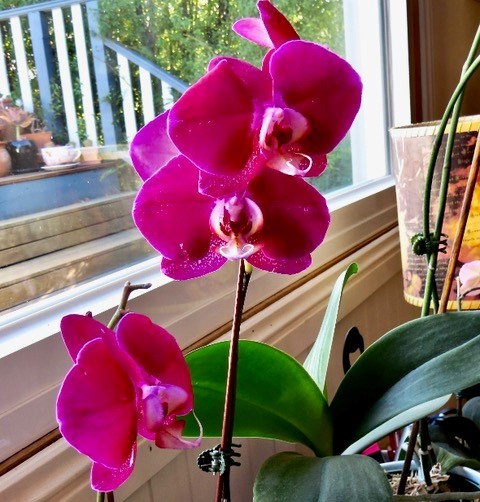
A firm favourite for gifts at any time of year is the delightful phalaenopsis orchid. Meanwhile, pink rock orchid, dendrobium kingianum, is just one of 50 plus forms of this popular plant.
Another, firestar orchid, epidendrum radicans, is orange and full of delightful little Central American terrestrial orchids.
Got a gardening question? Email glenzgarden@gmail.com