

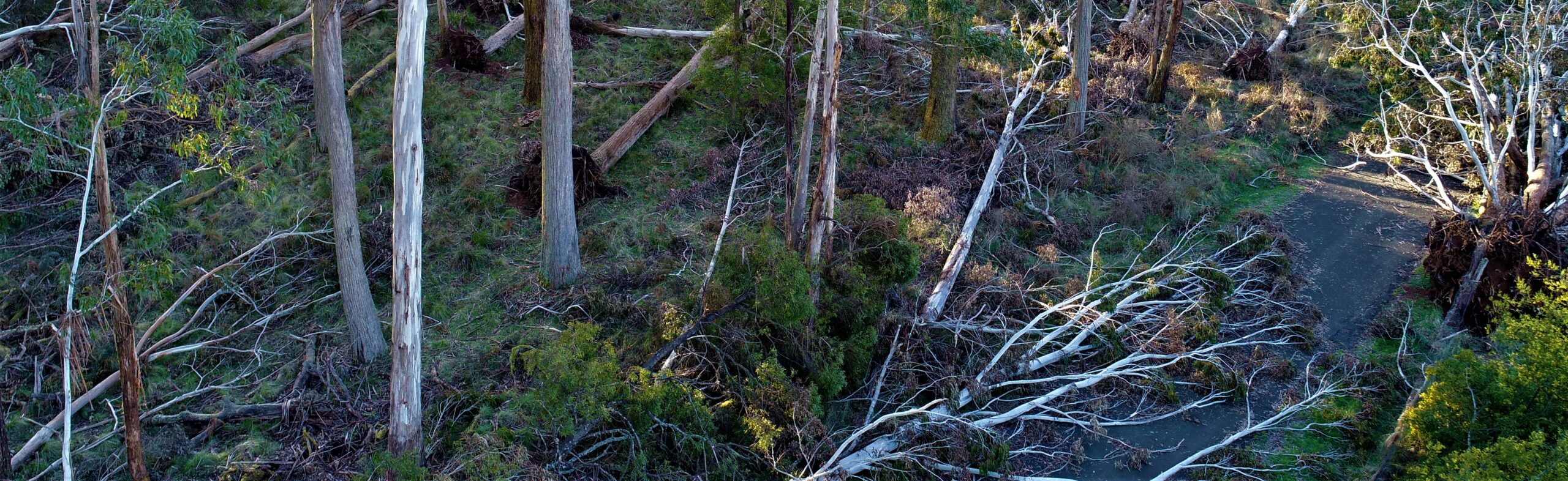
November 10th, 2021June storm help
Communities affected by June’s destructive storms and floods will continue to get more help to rebuild and recover
thanks to further support from the state government.
Minister for Emergency Services Jaclyn Symes has announced a $25.7 million package to support the ongoing
recovery and rebuilding process for residents.
The funding includes $21 million to repair the arterial road network that was damaged in the floods and $320,000
to manage continued hazards, recover timber and ensure access for the timber harvest in state forests and
adjoining land.
Works to be undertaken on key routes – such as Mt Dandenong Tourist Road, Maroondah Highway and surrounding
arterials – include tree removal, pruning, debris clearing, landslip works, pavement repairs and safety barrier works.
Throughout the Grampians, vital repairs will be carried out on storm-damaged road safety barriers, while landslip
works will also take place along Lavers-Hill Cobden Road, Mt Baw Baw Road, Walhalla Road and Strzelecki Highway.
The Partners in Wellbeing program, which provides wellbeing support for businesses, will receive $360,000 for
localised clinicians to provide mental health and wellbeing support to the most impacted communities.
Yarra Ranges Council’s green waste disposal program will receive a $2 million boost to run a targeted bushfire
preparedness program for individual households requiring the disposal of timber and green debris.
A further $2 million will go towards covering out-of-pocket expenses for community groups in storm and flood
affected local government areas that have been using their own resources and equipment to help with clean-up
and recovery.
This funding follows a further $49.5 million for the State-coordinated residential Clean-Up program that is being
jointly funded through the Commonwealth-State Disaster Recovery Funding Arrangements and brings total
recovery investment by the Australian and Victorian Governments to $152.7 million.
To learn more about the recovery support available, call the recovery hotline on 1800 560 760 or visit brv.vic.gov.au.
Minister for Emergency Services Jaclyn Symes said: “The clean-up process is an important part of recovery – but it’s a daunting one given how significant the scale of these storms was. This funding will help locals get on with making their homes safer.”
“There’s help available for whatever the community needs – whether it’s clearing debris or clearing your mind. I
encourage anyone who needs support to get in touch with BRV and find out what’s available.”

November 10th, 2021Students given grain opportunity
Six PhD students have been chosen to help with research as part of the Victorian Grains
Innovation Partnership (VGIP) between Agriculture Victoria and the Grains Research and
Development Corporation (GRDC).
The partnership aims to improve the enduring profitability of Victorian and Australian grain growers
through world class research and innovation.
All regionally based, the six PhD students are completing their fellowships at Grains Innovation
Park in Horsham with support and mentorship from scientists at Agriculture Victoria and Melbourne
University. The PhD research fellowships are part of the Centre for Agricultural Innovation (CAI), a
joint initiative between Agriculture Victoria and The University of Melbourne.
Agriculture Victoria Research Director and Grains Innovation Park site leader Traci Griffin said she
was excited to be hosting the PhD students whose work will further build the research and
innovation capability and capacity for the grains industry.
“These fellowships are key to the development of the future workforce in grains research and
Agriculture Victoria is proud to provide this opportunity and mentorship. The research projects
tackle different issues southern grain growers face and the results will have far reaching impacts
for the sector.”
GRDC interim Managing Director Cathie Warburton said the Australian grains industry needed
people with specialist skills to progress research and innovation to ensure the sector’s ongoing
success and viability.
“GRDC is committed to supporting and encouraging students through initiatives such as this one,
as part of our strategy to build research capacity and capability,” she said.
“Our partnership with VGIP helps ensure some of our most innovative and talented PhD students
have the opportunity to be involved in projects that will have an impact at a paddock level as well
as on a national and global scale.”
The successful six PhD students will be working on areas of Profitable Pulse Crops and Bridging
the Profitability Gap.
• Sachesh Silwal is evaluating the agronomic suitability of mungbean to farming systems
within southern Australia by defining the phenology, water and nitrogen dynamics of this
alternative crop across a range of growing environments within Victoria. Sachesh is also
assessing the opportunity for improved adaptation through genetic screening.
• Spencer Fan is undertaking an environmental analysis of potential effectiveness of different
root ideotypes for different soil types for southern Australia environments using both
historical and future predicted climate records.
• Bhawana Bhattarai is investigating the effects of storage strategies on grain quality to
identify best storage practices and enable grain growers to better maintain grain quality and
value prior to sale. Key grain characteristics, including colour, appearance, seed damage
and integrity are influenced by on farm storage conditions.
• Keshia Savage is examining the relationship between soil physicochemical properties and
the response of grain crops to different management interventions on a 3D spatial scale.
Keshia’s research project involves controlled environment and field research and will use a
range of soil and crop sensing technologies.
• Amit Adhakari is developing and assessing the potential of new management strategies
designed to improve the capture and utilisation of rainfall by grain crops in future climates.
Amit’s research involves laboratory, glasshouse, field and computer simulation studies.
• Danielle Yidan Tang is investigating the use of sensor technologies to determine grain
quality prior to harvest. Grain quality is a major determinant of on-farm profitability and can
vary spatially across farms. With the increasing availability of sensor technologies there is
an opportunity to segregate grain for targeted quality traits at, or following, harvest to
maximise crop value.
More information about PhD research fellowship opportunities can be found on the Agriculture
Victoria website

November 9th, 2021Grants to get active
The state government is backing community-based organisations across the state to encourage people
living with a disability to get more active.
Minister for Community Sport Ros Spence has announced grants of up to $150,000 from the government’s
Access For All Abilities Program 2021–23 for organisations to increase active participation and career opportunities
for people of all abilities.
More than 1 million people in Victoria have a disability, and just over 50 per cent participate in sport and recreation
three times per week.
This new $1.5 million program helps eligible organisations develop or expand sport and active recreation initiatives
to ensure everyone can reach their full potential, like Victorian athlete and four-time Paralympic Gold medallist
Dylan Alcott, who was recently named among Victoria’s Australian of the Year nominees.
Grants can be used towards all-abilities participation and organisational development opportunities, active
recreation through to inclusive competitions as well asthe establishment of leadership, volunteer and employment
opportunities.
Organisations from a range of sectors are eligible to apply, including those in health, education, local government
and sport and recreation. The program encourages organisations to work in partnerships of two or more and
engage with people with a disability to help co-design and deliver projects.
Access For All Abilities is a Victorian Government program that has supported inclusive sport and recreation
opportunities for people with a disability for more than 20 years.
Whether it’s walking, swimming, dance, basketball or cricket for beginners or aspiring Paralympians, Access For All
Abilities is helping people with a disability to benefit from participating in sport and recreation.
For more information and to apply, visit sport.vic.gov.au/grants-and-funding.
Ms Spence said: “The success of elite athletes including Paralympians and Olympians inspires many of us to get out and get active, and participation can be its own reward.”
“We’re backing more initiatives that increase all-abilities opportunities for Victorians – as participants, instructors,
coaches, volunteers and administrators.”
“These new grants will help develop innovative projects that ensure people with disability have more of a say when
it comes to realising their goals.
November 9th, 2021Solar sites approved
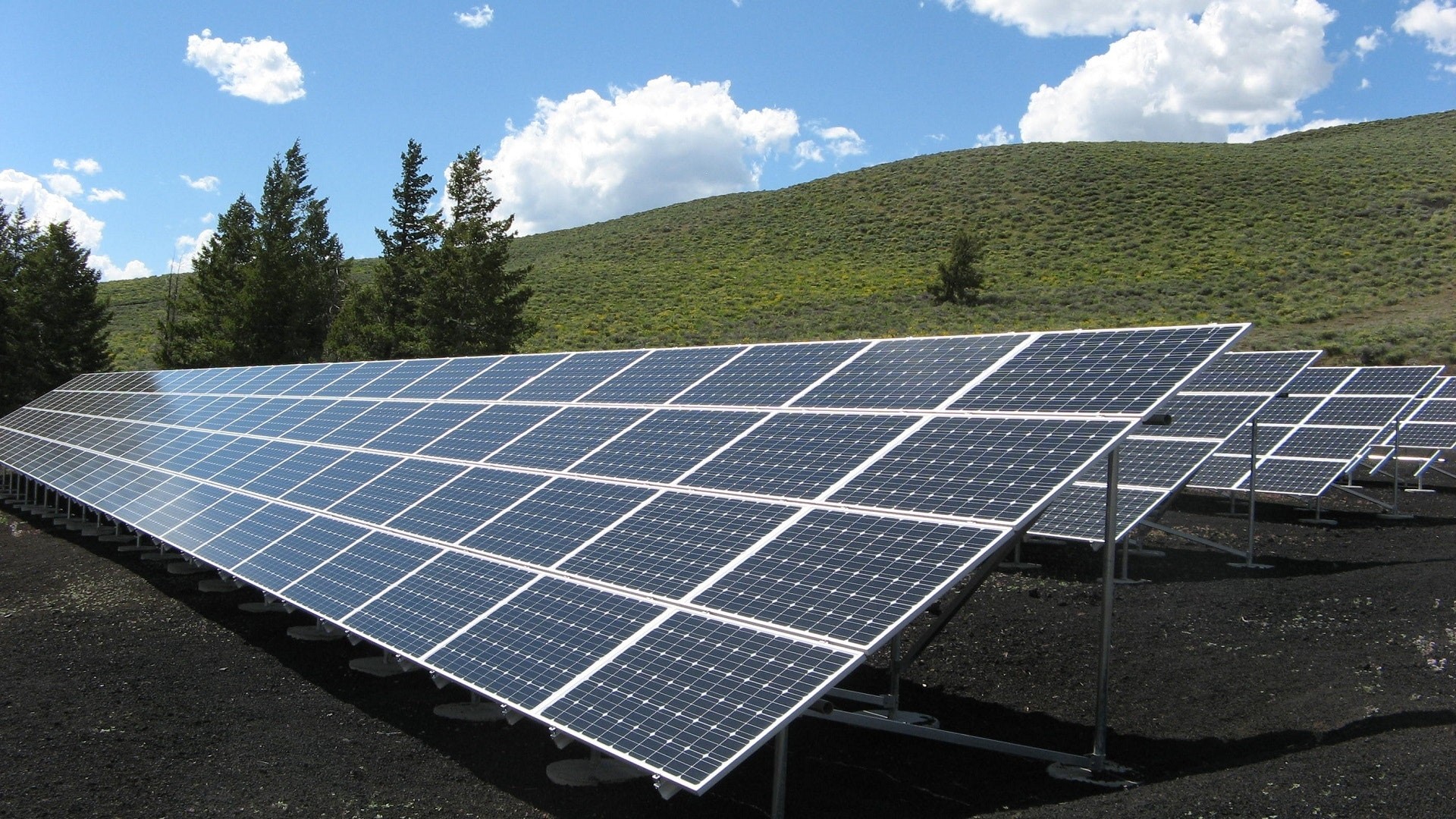
Community facilities across Victoria are reaping the benefits of solar and battery installations thanks to the
state government’s Solar on Public Buildings Program.
Minister for Energy, Environment and Climate Change Lily D’Ambrosio has announced 50 new sites have had
solar installed under the program with a further 55 approved for installation over the coming months.
Many community groups are already seeing cost savings thanks to reduced power bills after receiving their solar
energy systems, including Everton Upper Community Centre, Simpson Recreation Reserve, Wonwondah
Recreation Reserve, Elmore Recreation Reserve and the Myrtleford Golf Club.
Solar panels and a backup battery system have also recently been installed at the Eskdale Recreation Reserve,
which will maintain power during bushfires and other emergencies.
Mongans Bridge Caravan Park − near Mount Beauty − will save almost $4000 a year after solar panels were
installed in September. The historic Fawcett Hall Committee of Management, near Alexandra, will reinvest savings
from its new solar system into further upgrades for the hall.
The program was first trialled in Gippsland from 2017 to 2019 and led to solar systems being installed on 69
public buildings on public land, reducing power bills by an average of 81 per cent, with savings to volunteer
committees of about $260,000 per year.
Ms Lily D’Ambrosio said: “This is a great example of how we’re delivering real action on climate change in regional Victoria by investing in local projects that will help communities build thriving and sustainable futures.”
“Our strong investment in renewable energy and solar energy systems is creating local jobs, reducing power bills
and helping us achieve our ambitious emissions reduction targets.”
“This is a terrific outcome for the community, the environment and our hardworking volunteer committees which
are the backbone of small communities across Victoria.”
November 9th, 2021Environment boost
The Victorian Government has delivered a boost to the Macedon environment and economy with
grants to Landcare Groups and for upgrades to caravan parks and campgrounds.
Member for Macedon, Mary-Anne Thomas congratulated local recipients of the 2021 Victorian
Landcare Grants including :
• Upper Campaspe Landcare Network
• Ashbourne Landcare Group
• Bullengarook Landcare Group
• Deep Creek Landcare Group
• Newham & District Landcare Group
• Tylden Landcare Group
• Woodend Landcare
More than 450 groups and community organisations across Victoria benefitted from $4.09 million in
this latest round of Landcare grants supporting vital on-ground environmental works and community
projects including weed control, pest animal control, protection of habitat, revegetation, and
community education.
Round 3 of the Camping and Caravan Grants delivered a boost for the Moorabool Shire as we
welcome back visitors from Melbourne with grants to fund the Blackwood Mineral Springs Caravan
Park.
The more than $2 million distributed in Round 3 Camping and Caravan grants will fund works that
improve the visitor experience and support local tourism and recreational activities.
Almost half of the successful projects funded in this round will improve all-abilities access and
amenities at sites, enabling more people with a disability to enjoy our great outdoors.
This is the third and final round of the Camping and Caravan Grants, which have provided $6.6
million to support public land managers, such as committees of management and local government,
to provide quality, affordable visitor accommodation across Victoria.
The Camping and Caravan Grants are part of the Victorian Government’s $105.6 million Victoria’s
Great Outdoors, investing in better walking trails, campgrounds, four-wheel drive tracks and visitor
facilities.
Minister for Energy, Environment and Climate Change Lily D’Ambrosio said the government wanted to encourage Victorians to get back out into the state’s wonderful green spaces, enjoy the great outdoors and support regional economies.”

November 9th, 2021Help for veterans
Veterans making the transition from the Australian Defence Force to civilian life are being helped into the workforce
through multiple state government wage subsidy and employment programs.
As Australia prepares to mark Remembrance Day on 11 November and the sacrifices and contributions of our
defence personnel, the Labor Government is making sure veterans can move ahead with support and dignity.
Businesses hiring veterans who have been out of work or underemployed will be eligible for a $20,000 wage subsidy
through the Jobs Victoria Fund.
Former Royal Australian Navy servicewoman Cheryl Walshe is benefitting from the program, securing a new career
in the construction industry after a workplace injury prompted a search for a role that could offer her more
permanent work and less physical strain.
Aided by a Jobs Victoria Fund subsidy, Mrs Walshe secured a permanent part-time role with Ballarat’s Stroud
Homes, putting an end to casual jobs and giving her family added financial security. As an administrative assistant,
Mrs Walshe is using her problem-solving and communication skills to help the new business get ahead.
The Labor Government is also supporting veterans into employment with Jobs Victoria’s Veterans in Construction
initiative delivered in partnership with the Department of Families, Fairness and Housing. The $1 million
commitment will deliver at least 100 new construction jobs for veterans and their spouses over the next two years.
The Government will employ veterans in 750 public sector positions through the Public Sector Veteran Employment
Strategy. By 2025 the program will bring the total number of veterans taking up positions with Victoria Police,
Corrections Victoria and other departments and agencies to 1,500.
For more information about support for employers and jobseekers go to jobs.vic.gov.au or call the Jobs Victoria
hotline on 1300 208 575.
Minister for Employment Jaala Pulford said servicewomen and men made a magnificent contribution to the country and it was right that they were given every assistance to find new, rewarding careers.
“We’re opening up opportunities that allow veterans to develop skills that set themselves up for the next chapter,
while making it easier for businesses to find the workers they need.”
November 8th, 2021Accommodation boost for silo trail
The state government is boosting accommodation along the state’s popular Silo Art Trail, giving travellers more options to stop and enjoy regional towns.
Minister for Regional Development Mary-Anne Thomas has visited the St Arnaud Caravan Park in the state’s north-west, one of 14 accommodation sites to share in $2.8 million from the Regional Infrastructure Fund to better link some of Victoria’s smallest towns to Australia’s largest outdoor gallery.
Visitors will be able to enjoy their stay at the St Arnaud Caravan Park with upgrades to landscaping and internal roads, additional water and power connections, and a waste disposal point for campervans.
The state government is investing in caravan park and accommodation upgrades across the Wimmera Southern Mallee, including in Kaniva, Stawell, Horsham, Hindmarsh and Yarriambiack municipalities. The upgrades will help these towns capitalise on more people visiting the Silo Art Trail and help provide a better visitor experience.
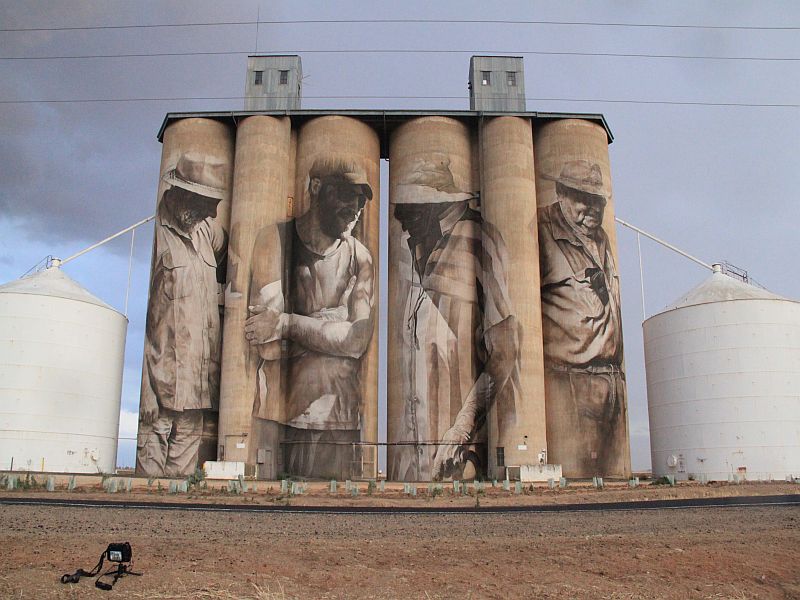
The Silo Art Trail stretches over 200 kilometres and celebrates people in the region through a series of large-scale murals painted on grain silos. There are now 21 Silo Art murals in the Wimmera Southern Mallee and in North East Victoria.
The government has supported the Silo Art Trail to grow, including in St Arnaud where the Creative Activations Fund enabled local artist Kyle Torney to paint a large-scale mural as a homage to the town’s gold mining past.
Ms Thomas said the funding for accommodation along the Silo Art Trail will have a huge flow on-effect for regional businesses – allowing more tourists to stop and stay in small towns and providing a real boost to local economies.
November 7th, 2021Swamp success something special
When hectares of a rare aquatic plants are growing over a once-degraded wetland, you know something is working well.
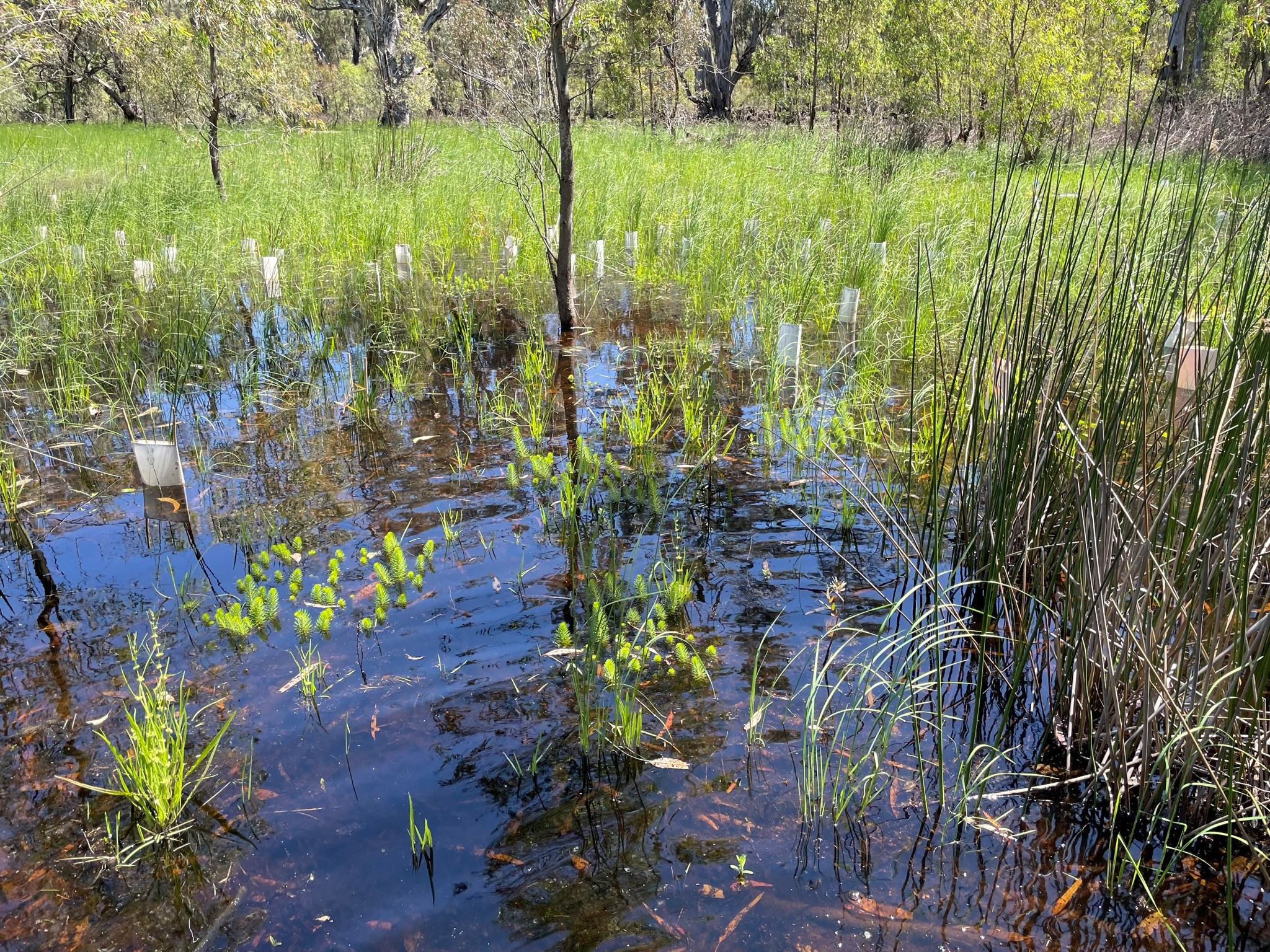
That’s what ecologists have been greeted with as they monitor the results of the environmental flow onto Reed Bed Swamp in the Guttrum State Forest on Barapa Barapa and Wamba Wamba Country near Koondrook.
Swathes of aquatic plants including the rare river swamp wallaby grass and water nymph, have sprung up across the wetland after the second delivery of water for the environment in three years.
“This is certainly an uncommon sight, especially on a wetland that was so degraded from a combination of river regulation and historical management practices,” Wetland Revival Trust Senior Ecologist Damien Cook said.
“To see hectares of river swamp wallaby grass and a small population of water nymph – which needs the right inundation at the right time to colonise – is fantastic news.
“This kind of vegetation is what makes the wetlands of the Murray floodplains so special and something the community should be excited about.”
Mr Cook said the environmental flow had also brought birds back to the area.
“We counted 42 species of birds, split about 50-50 between waterbirds and woodland birds,” he said
“There is a great diversity of waterbirds, and some that are breeding, which is really good news given the amount of water across the whole region.”
Reed Bed Swamp is of environmental and cultural significance and the North Central Catchment Management Authority (CMA) has managed two recent water for the environment flows into the wetland – one this year and one in 2019.
Barapa Barapa and Wamba Wamba have been instrumental in advocating to get water into Reed Bed and worked closely with the North Central CMA in the planning and delivery.
This year’s flow also included the planting of culturally significant food and medicine plants, as well as reeds and rushes to restore habitat for the Endangered Australasian bittern.
“The recent high Murray flows only just reached Reed Bed Swamp giving it a small top up, making this environmental flow even more important,” North Central CMA Program Delivery Executive Manager Rachel Murphy said.
“It’s also important to note that we didn’t plant river swamp wallaby grass or water nymph. It came back because the right conditions had been created over a number of years through a combination of watering and some good winter rainfall.
“It highlights how resilient these wetlands can be, and with a little nudge in the right direction, can be restored into something truly spectacular.”
To ensure the benefits of this flow are not lost, another top-up flow will likely begin in late November.

November 7th, 2021Online agriculture courses
A selection of online courses can be undertaken at your own pace, at any time and from any-where with an internet connection is available from Agriculture Victoria.
The Victorian Government understands that life can get busy and it isn’t always possible to attend courses in person.
eLearning provides an accessible and flexible option for learning and expanding your knowledge.
It enables you to enhance your skills without having to attend an event or workshop in person which could be a significant distance from home, or difficult to complete due to time con-straints.
To access courses, you will need to create an account. This will allow you full access to the courses and it will track your progress as you move through them.
Browse the range of courses that can be undertaken at your own pace, at any time and from anywhere with an internet connection.
This week’s eLearn in profile is: Victorian climate projections
Climate variability and change are very important to the current and future prosperity of agri-culture in Australia.
As part of the Victorian Climate Projections 2019 project, a range of information products to help people plan for a future with climate change have been produced.
In this eLearn we will go through how to understand and read the different components of the regional reports produced as part of the project.
Topics include:
• Climate analogues
• Emissions scenarios
• Temperature
• Rainfall
• Extremes
• Frost
• How to access further data and information

November 7th, 2021Best practice lessons for farmers
For some farmers, running a business according to best practice management techniques is something to aspire to, but for many it’s not always easy knowing where to start.
To help farm business owners understand what best practice looks like, Agriculture Victoria is presenting a series of webinars including Budgeting, Managing Profits and Succession Planning.
The Budgeting and Managing Profits webinars will be presented by Meridian Agriculture farm business consultant Paul Blackshaw. The Succession Planning webinar will be presented by lawyer Claire Booth, a Nuffield Scholar and cropping and beef farmer.
Mr Blackshaw says the webinars will help with the short and long-term running of a farm business.
“The more you understand your business and where it is heading in the longer term, the more you can make informed decisions,” Mr Blackshaw says.
“Budgeting gives you the roadmap for financial performance and allows you to identify deficits or opportunities and make adjustments along the way.
“As for Managing Profits, a lot of businesses are generating profits they haven’t been used to in the past. Here is an opportunity and they need to know how to best use these profits to benefit the business in the long term.”
The free, one-hour Farm Business Essentials webinars will be held at 7.30pm on:
- Wednesday 10 November: Budgeting: How to create a budget, review it regularly, and use it as a communication tool.
- Wednesday 24 November: Managing Profits: How to make the best of high prices and good conditions and ensure business profits are put to best use.
- Wednesday 8 December: Succession Planning: How a succession plan helps a farming business manage succession challenges.
Register for any of these online events by 5pm on the afternoon of the webinar. To register, visit agriculture.vic.gov.au/events
This event is provided by the Local Economic Recovery “On Farm Recovery Support Services” project which is jointly funded by the Victorian Government and Commonwealth Government under the Commonwealth-State Disaster Recovery Funding Arrangements.
November 6th, 2021Grants for emergency service volunteers
Emergency service volunteers will get a critical boost to important equipment needed to keep Victorians safe, just in time for the summer season thanks to grants from the state government.
Minister for Emergency Services Jaclyn Symes has announced more than 300 Volunteer Emergency Services Equipment Program (VESEP) grants worth over $14 million to CFA, VICSES, Life Saving Victoria (LSV) and Marine Search and Rescue (MSAR) units across the state. The boost will help units to buy operational equipment, vehicles and appliances and make the minor facility improvements they need to respond to emergencies and protect lives and property.
This year’s grant recipients include Milawa Fire Brigade which will receive $195,000 for a new light tanker, ensuring local firefighters have the resources they need ahead of the fire season and to support brigades in neighbouring areas. Milawa is also part of the Moyhu Brigade Group who are getting $36,552 for a new Field Command Vehicle.
Knox VICSES, one of the busiest road crash units for VICSES, will receive a $150,000 grant towards a new heavy rescue truck, while Upper Yarra VICSES will receive $136,951 towards a new light rescue vehicle.
Ahead of summer and Victorians flocking to beaches and waterways, several Life Saving Clubs will be able to improve their equipment – South Melbourne Life Saving Club will receive $64,738, while Cape Paterson Surf Life Saving Club will get $16,138 for real-time CPR training mannequins, defibrillators, and other first-aid equipment.
Victoria’s only inland lifesaving club, Mildura Life Saving Club will receive $100,000 towards the installation of wireless NBN, construction of a first aid room and radio room as well as refurbishments to the kitchen, security cameras and access doors.
The South Gippsland CFA will receive $125,000 towards a new ultra-light tanker, while Beechworth CFA will receive $12,480 towards minor facility improvements.
Grants of up to $150,000 are available to volunteer emergency service groups under the annual grants program, with the program providing $2 for every $1 raised by the volunteer groups.
Since 2015, the Government has invested more than $90 million in VESEP grants to volunteer groups around the state.
November 6th, 2021Boost for regions
The state government has delivered a boost to the state’s regions and environment with $6.1 million in grants for Landcare Groups and upgrades to caravan parks and campgrounds. Minister for Energy, Environment and Climate Change Lily D’Ambrosio has announced the recipients of the 2021 Victorian Landcare Grants with more than 450 groups and community organisations benefitting from just over $4 million in grants.
The Landcare grants were awarded for community projects including weed control, pest and animal control, habitat protection, revegetation and community education.
Camping and Caravan Grants delivered a further boost for the regions as they welcome back visitors with more than $2 million provided to upgrade 20 campgrounds and caravan parks across the state.
Almost half of the successful projects will be funded to improve all-abilities access and amenities at sites, enabling more people with a disability to enjoy our great outdoors. The Camping and Caravan Grants initiative has provided $6.6 million to support public land managers to provide quality, affordable visitor accommodation across Victoria. They are part of the Government’s $105.6 million Victoria’s Great Outdoors.
For a full list of successful Landcare Grant recipients go to environment.vic.gov.au/grants/vlg. For information on the Camping and Caravan grants visit forestsandreserves.vic.gov.au/grants/camping-and-caravan-grants.
Ms D’Ambrosio said the government wanted to encourage Victorians to get back out into the state’s wonderful green spaces, enjoy the great outdoors and support regional economies.
“The Camping and Caravan Grants will give more Victorians access to quality and affordable accommodation as we rediscover holidays in our great outdoors. This latest round of Landcare grants continues our support for vital work by volunteers − particularly in our regional communities − protecting our natural environment and improving habitats for native plants and animals.”

November 6th, 2021Grants for sport
The state government has launched a new round of grants to support Aboriginal Victorians cover the cost of uniforms, equipment and travel to participate in events.
Minister for Community Sport Ros Spence has opened round two of the 2021-22 Aboriginal Sport Participation Grant Program with more than $87,000 available to boost sporting activities.
Teams can apply for grants of up to $1,500 to participate in state or national sport carnivals, up to $1,000 for uniforms and sporting equipment, and up to $750 for travel and accommodation expenses.
Previous grant recipients include the Budjeri Napan Association which supported six local girls to travel from Gippsland to Queensland, representing the Victorian Seven Sisters in Netball.

Bairnsdale Regional Unlimited Sports received a grant to help cover the cost of uniforms, travel and accommodation for 13 teams to attend Aboriginal state carnivals as well as 15 members of the Indigenous Golf Association of Victoria to attend the National Golf Championships.
From Tokyo Olympics bronze medallist and NBA star Patty Mills to Olympic 400m champion Cathy Freeman, Aboriginal athletes have made a huge impact in the sporting arena and beyond.
The Aboriginal Sport Participation Grant Program supports communities to harness the social and health benefits that sport and active recreation can provide.
Since the start of the program in 2020, the Labor Government has provided 128 grants totalling more than $138,000 to Aboriginal community organisations, clubs and individuals across the state.

November 6th, 2021Tree changers not thinking about natural disasters
Suncorp research has found 27 per cent of Australians have moved or considered relocating during COVID. And although experts are predicting more cyclones, fires and floods this summer, half failed to consider the impacts of natural disasters.
The inaugural Suncorp Resilient Home Report found lifestyle factors (closeness to family and friends, climate, escaping the rat race) were the main drivers of Australians seeking to relocate to another state or region.
Alarmingly almost half (46 per cent) said they didn’t take into consideration the increasing risks of extreme weather when deciding on where to live, and even more (52 per cent) didn’t consider the impacts when selecting the type of home to live in.
“As an insurer, we’re on the frontline helping people and communities most impacted by weather disasters,” said Bernadette Norrie, Suncorp Insurance Executive Manager. “It’s not just property damage that Aussies face in the wake of a natural disaster, it’s the mental toll of severe weather events that many people fail to realise and properly consider.
“Once a disaster strikes, the lives of those affected can be upended completely. Many families can be displaced from their homes while repairs happen, people lose irreplaceable possessions, and are left with the emotional scars of what they’ve endured.
“Identifying the natural hazards of where you plan to live as well as the type of structure that can best defend your family against a bushfire, flood or storm needs to be an essential part of property research,” Ms Norrie said.
Suncorp research also found that one in five did not consider the frequency or severity of natural disasters before making their sea/ tree change.
The Suncorp Resilient Home Report revealed over half of Australians (52 per cent) believe they live in an area with some form of risk – the most common being severe storms (30 per cent) followed by bushfires (29 per cent).
More than two thirds (64 per cent) admit that extreme weather events in recent years have made them more aware of the risks, however only one in four have made modifications to their home to protect against natural disasters.
“Getting ready for extreme weather is more than just checking gutters for leaves and trees and tying down backyard furniture, it’s about making your home more resilient, so you are better protected from the impacts of Mother Nature.” Ms Norrie said.
November 5th, 2021Attracting harvest workers
The state government’s popular Seasonal Sign-On bonus has been extended, with horticulture businesses across the state set to receive extra support in time for this summer’s harvest.
Minister for Agriculture Mary-Anne Thomas announced the extension and encouraged workers new to agriculture to take up a role as part of the Summer Seasonal Harvest Sign-On Bonus. This will allow them to receive $2430 on top of their wage for 40 days’ work.
This Sign-On Bonus is available for people who start work on or after 1 November and will encourage new workers into horticulture while also supporting those sectors of the industry preparing for their peak harvest in the coming months.
Employers and farmers in sectors such as stone fruit, berries and cherries will be able to use the Summer Seasonal Harvest Sign-On Bonus until the end of the year to attract new pickers and packers.
New workers need to complete 10 days’ work and apply for the first instalment of the bonus within 30 days. They then have 90 days to complete an additional 30 days’ work in order to receive the extra $1620 of the bonus.
The state government is delivering the Summer Seasonal Harvest Sign-On Bonus as part of its $10.5 million bonus program. It is anticipated around 1,100 new workers will receive the bonus to support the upcoming harvest.
Since the bonus was launched in February, more than 3300 workers have received the first $810 instalment of the bonus for completing 10 days’ work, with more than 2200 of these workers receiving the full payment.
Nearly 40 per cent of recipients said the main reason they applied for a harvest job was the $2,430 bonus, and more than 95 per cent said they planned to continue to work in key horticulture regions through the seasonal harvest.
More than $6.2 million in bonuses has been paid to date, with workers picking, packing and pruning in sectors including vegetables, citrus, grapes, olives and nuts.
Minister for Agriculture and Macedon MP Mary-Anne Thomas said sign-on bonuses had helped thousands of people to become skilled horticulture workers while supporting hundreds of businesses across the state to manage their peak harvest period.
“The Sign-On Bonus program demonstrates there are local workers ready and willing to take on harvest work and we encourage them to come forward over summer.”