


March 13th, 2021Kyneton frontline workers get COVID jab

During the initial rollout, 60 frontline staff received the Pfizer vaccine, one of two COVID-19 vaccines to receive Commonwealth regulatory approval from the Therapeutic Goods Administration in Australia.
The vaccine was administered by the Loddon-Mallee’s mobile vaccination team and was given to staff working in Kyneton Health’s Respiratory Assessment Clinic, Urgent Care Centre and Acute Ward.
Kyneton resident Mandy McGee is an Associate Nurse Unit manager at Kyneton Health and was one of the first frontline workers to receive the vaccine.
“I feel really relieved to be getting the vaccine today. It makes me feel safer around my friends and family and helps me to protect the patients in my care. I’m really looking forward to the future when the vaccine is widely rolled out across everyone in our communities – and a time when I can safely go travelling again,” she said.
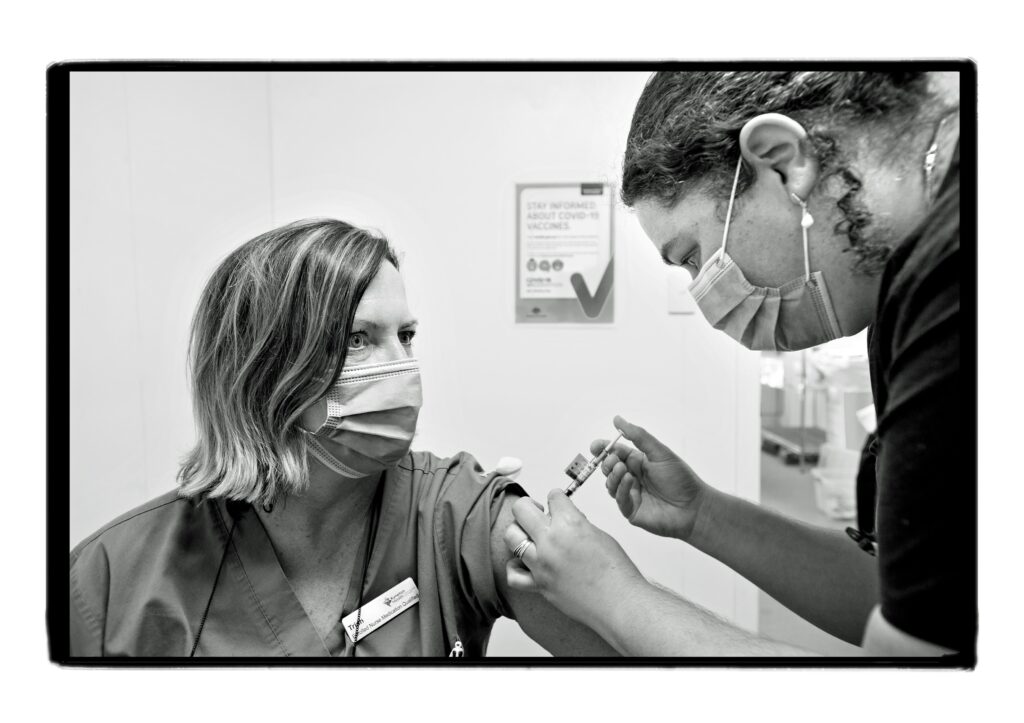
Mandy’s vaccine was administered by endorsed enrolled nurse Trish Allen, who also received the Pfizer vaccination, pictured above. Trish is one of a number of staff at Central Highlands Rural Health to complete the National COVID-19 Vaccination training program to support the rollout of the COVID-19 vaccine in our community.
Central Highlands Rural Health’s CEO Maree Cuddihy said with the delivery of the vaccine to the high-risk frontline healthcare workers, the organisation was one step closer to protecting its communities from COVID-19.
“We are working closely with the Loddon-Mallee and Grampians vaccinations hubs to ensure the vaccination is made available to those most in need of protection first.
“This started with our frontline healthcare workers and we look forward to the continued rollout of the vaccination to high priority groups across our region in the weeks ahead.”
Ms Cuddihy was joined by Sunbury and Cobaw Community Health CEO Phillip Ripper, Macedon Ranges Shire Council acting CEO John Nevins and Hepburn Shire Council interim CEO Bradley Thomas, in support of the Australian Government’s rollout of safe and effective vaccines to all Australians.
“As partners in local community and healthcare services across the Macedon Ranges and Hepburn Shire, we are committed to keeping our communities up to date on the vaccination rollout across the region. The COVID-19 vaccines will keep our rural communities safe and protect our way of life,” Ms Cuddihy said.

“Whilst we continue to work with the government on the rollout of the vaccine in our communities, it’s important we all stay alert and follow COVID-safe guidelines.
“Remember to practice good hygiene, keep 1.5 metres distance from others and wear masks when asked. As always, if you have any symptoms associated with COVID, stay at home and get tested.”
Link: www.australia.gov.au
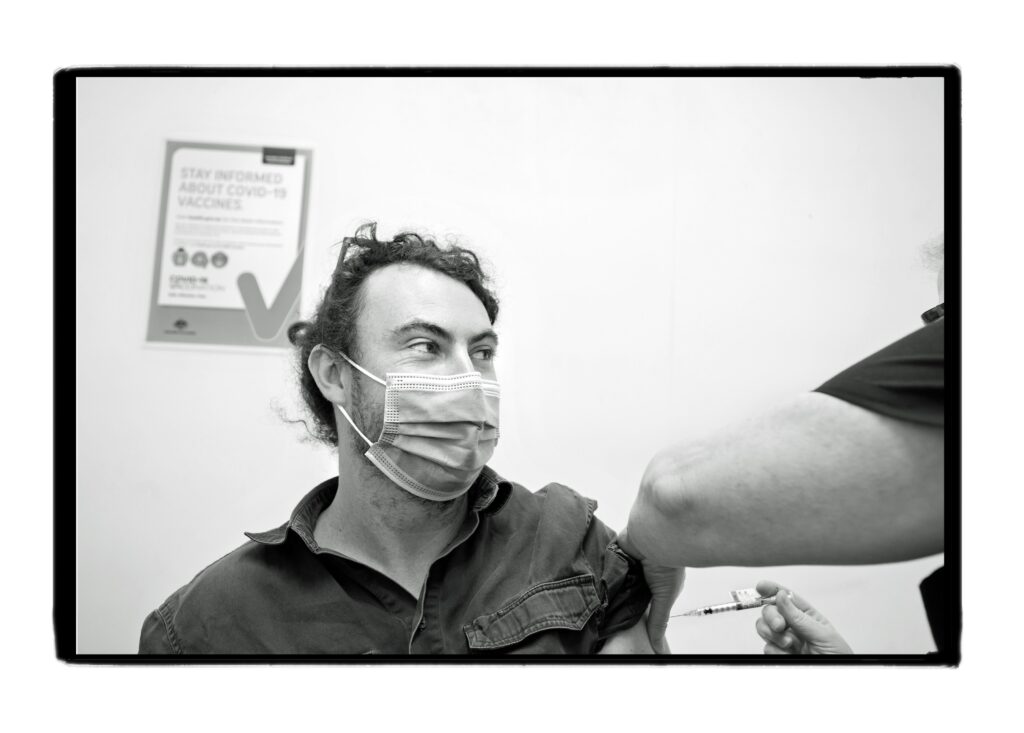
Above, Trish Allen, a nurse at Kyneton Health, was one of the first to receive the Pfizer vaccination. Trish is one of the 60 staff who work in Kyneton Health’s Respiratory Assessment Clinic, Urgent Care Centre and Acute Ward staff to receive the vaccine last Wednesday Below, Kyneton Health nurse Jack Barr receives a COVID vaccine jab
Images: Sandy Scheltema


March 13th, 2021Pets@Work

“During COVID, when clients were stressed and anxious, Luna would come in with her waggy tail all ready to give them lots of love and care.”
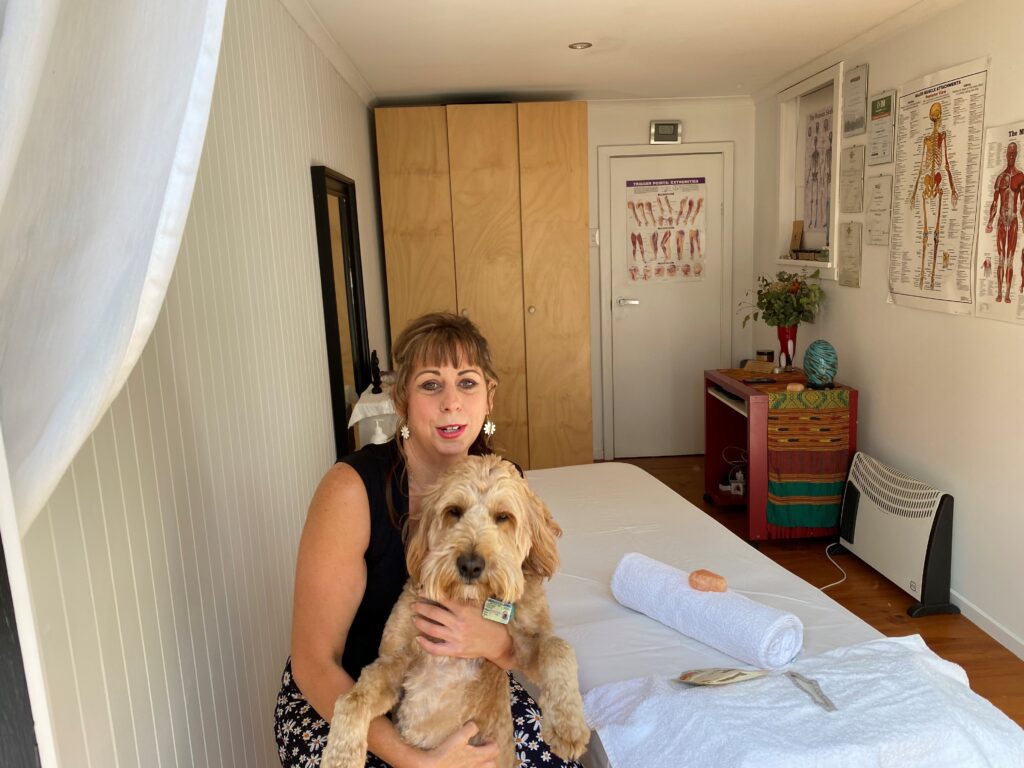
Fiona said she chose a groodle because they are pretty much non-allergenic and don’t shed. It turns out groodles don’t mind massages as well. Lucky Luna! “She is a great dog but I also get that not everyone loves dogs like me. So, if you are not into dogs, you won’t even know she is around.”

March 13th, 2021Local Lines
One day they drove through old Glenlyon
Looking for a place to rely on
With its gardens and trees
General store and light breeze
They thought this a hill you could die on
Whilst driving through Porcupine Ridge
He thought of the rhyme ‘ridgey-didge’
They don’t always come
Like a kick up the bum
But more like moving a fridge
He made a bet with his brother
To rhyme with Korweinguboora
It’s not like it’s Aberystwyth
Or with a lady making a tryst with
But because he was keen to be thorough
One day he was having a chat
Whilst driving through old Shepherd’s Flat
About riding his bike up those hills
When younger and looking for thrills
His wife duly yawned ‘Well, that’s that’
It’s really worth making the trip
For the slam at old Mollongghip
The poems are funny
There’s a ramshackle dunny
Just pee in the dark and don’t slip
Whilst walking one day with his pooch he sang
I’m naming this place Mt. Kooroocheang
Nobody can yell it
Let alone spell it
For those who came after a knell he rang
Anybody from Melbourne who ails could
Make their way to beautiful Daylesford
With massages and spas
Lovely food and bazaars
And if thinking of catching the light rail, should
I just want to give a good shout
For the high spot called Guildford Lookout
You see distant sights
And above, whistling kites
You’ll love it, go see, have no doubt
I did not think at my age I’d meet
Such a bookshop at old Campbells Creek
Its stock is endless and deep or
Its range simply something to weep for
It’s Heaven, right there, on the street
Those days when you see what dawn brings
If fine we will go to Vaughan Springs
Swimming holes, cemeteries and gold story
Give a glimpse of its great former glory
The history round there fairly sings
His favourite actress he called “My Winona”
And his favourite song “Ma ma ma my Sharona”
He was from Dandenong
So got it all wrong
And named west Yandoit ‘Ma ma ma my Werona’
If there’s one place I haven’t been but should
It’s down the hill to old Franklinford
It’s name suggests grandeur
But there’s only a veranda
Of a long ago shack made of wood
The place where all time stands still
For me is Cafe Wombat Hill
You eat viennoiserie
Amongst Melbourne bourgeoiserie
Or get under Mt Atlas and chill
Tom Perfect
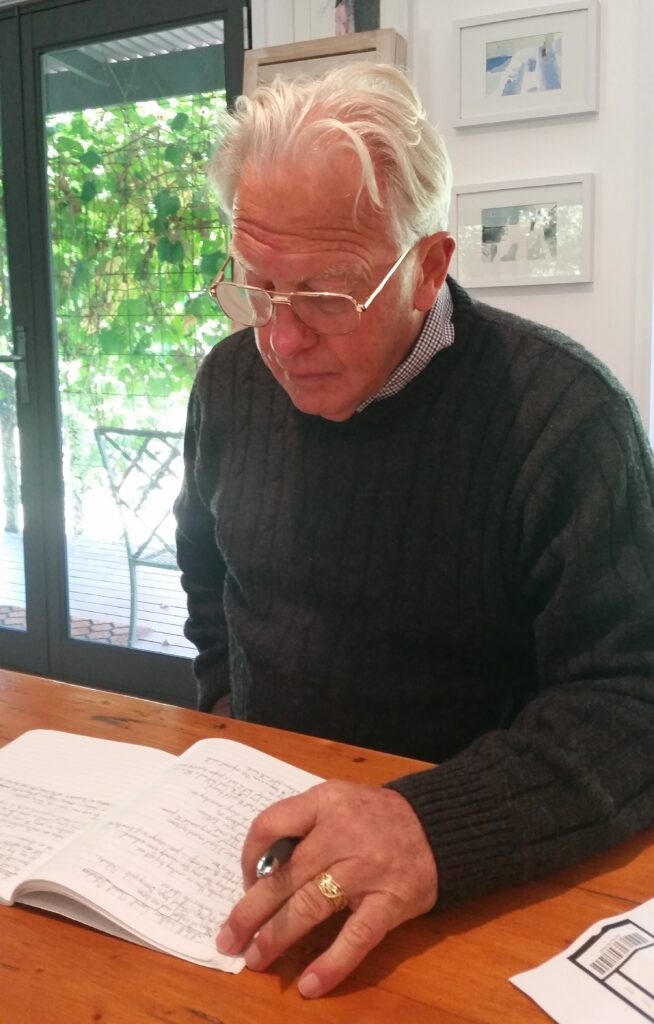
Tom Perfect and his wife Judy drive around a lot of the district looking for places for Judy to paint landscapes. Tom is the roadie (like the old Dave Allen household help).
March 6th, 2021Your say on the Malmsbury Botanic Gardens

Macedon Ranges Shire Council wants input to the draft plan to deliver future strategic and sustainable management of the gardens.
Robert Newton, president of the Friends of the Malmsbury Botanic Gardens, says the draft Master Plan report, completed and published in 2019, contains over 120 pages of key recommendations compiled from the initial request for community engagement from the council.
“One of the concerns we raised in our original submission to the council is improving the water supply to the gardens,” Mr Newton said.
“Gisborne and Kyneton Botanic Gardens have recycled water systems while here at Malmsbury the gardens are watered only from run-off mains water and the rain,” he said.
The Malmsbury gardens, listed on the Victorian Heritage Register, date back to 1855.
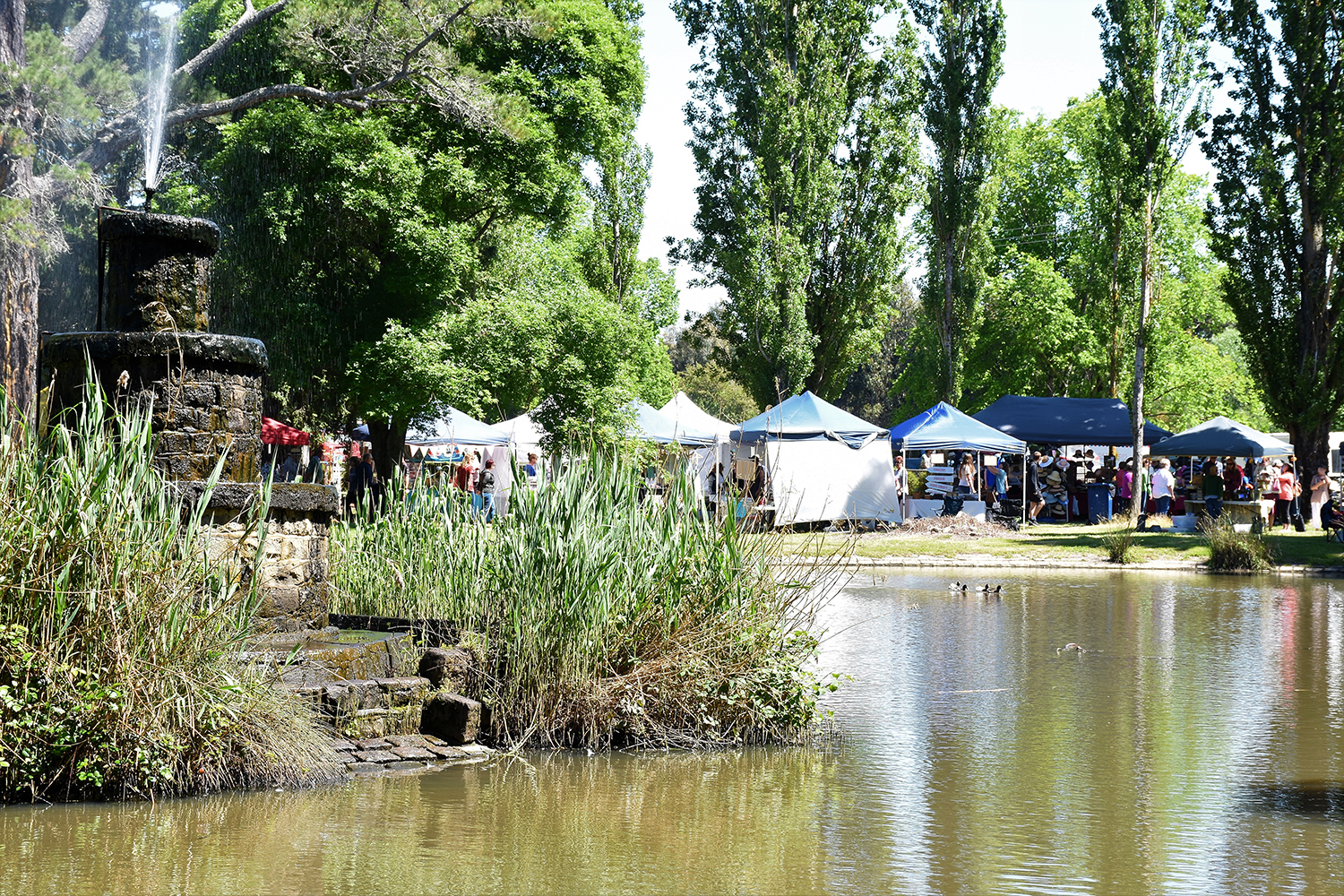
Magnificent specimens of mature and over-mature trees, including giant sugar gums and coastal sequoias, surround a lake created from a natural billabong.
It is an unpretentious botanic garden without the colour and order of flower beds seen at the likes of the Ballarat Botanical Gardens.
Having more of an arboretum appearance, there is a pinetum; two avenues, one of elm, the other of poplar; and two striking Bunya Bunya pines, listed on the National Trust register of significant trees, within the gardens’ boundaries.
Chris Bromley, treasurer of the Friends committee, says the organisation feels strongly about preserving the gardens’ heritage.
“The council should undertake an audit of every single tree,” Mr Bromley said.
“This would ensure once past their prime they are replaced with what will last for another 150 years.
“We also want all the trees and plants located on-site to have a name plaque.”
The gardens are a treasured feature of the town and very popular with locals and visitors alike.
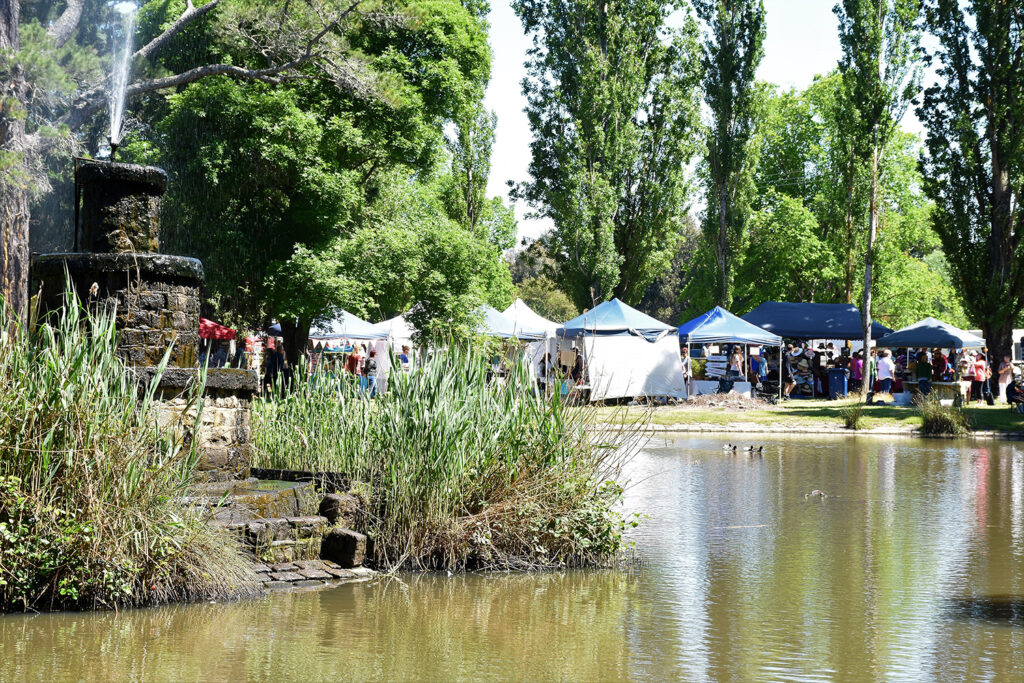
The Malmsbury Village Fayre annually filled the gardens with stalls, live music, local produce, and activities for young and old until the pandemic in 2020.
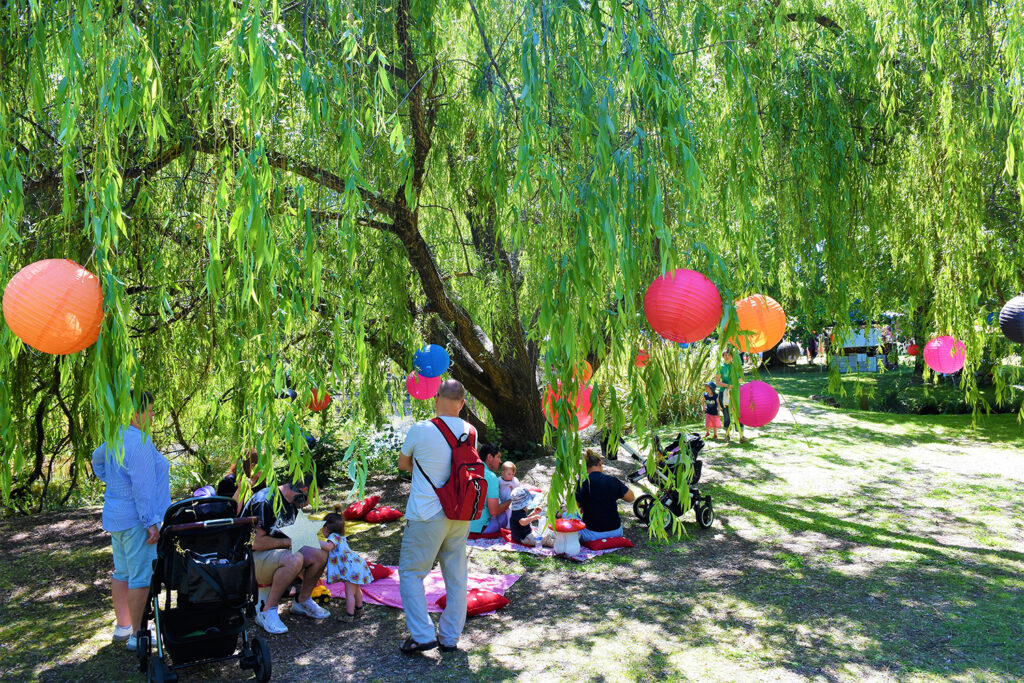
“People picnic around the lake, weddings are held under the trees, and the gravel walking track benefits our dog walkers,” Paula Needham, secretary of the Friends committee, says.
“Also, there have been geese and goats in the gardens since 1870. While the goats are long gone, the geese still consider the gardens and the town their domain.”
The council will make the draft Master Plan available to the public for six weeks to facilitate feedback. If necessary, it will be amended, then finalised and submitted to the council for adoption.
However, the council currently has not committed to funding implementation of the Master Plan.
The community can provide feedback online at mrsc.vic.gov.au/yoursay or by email or written submissions until March 29.
Words & main image: Carol Saffer
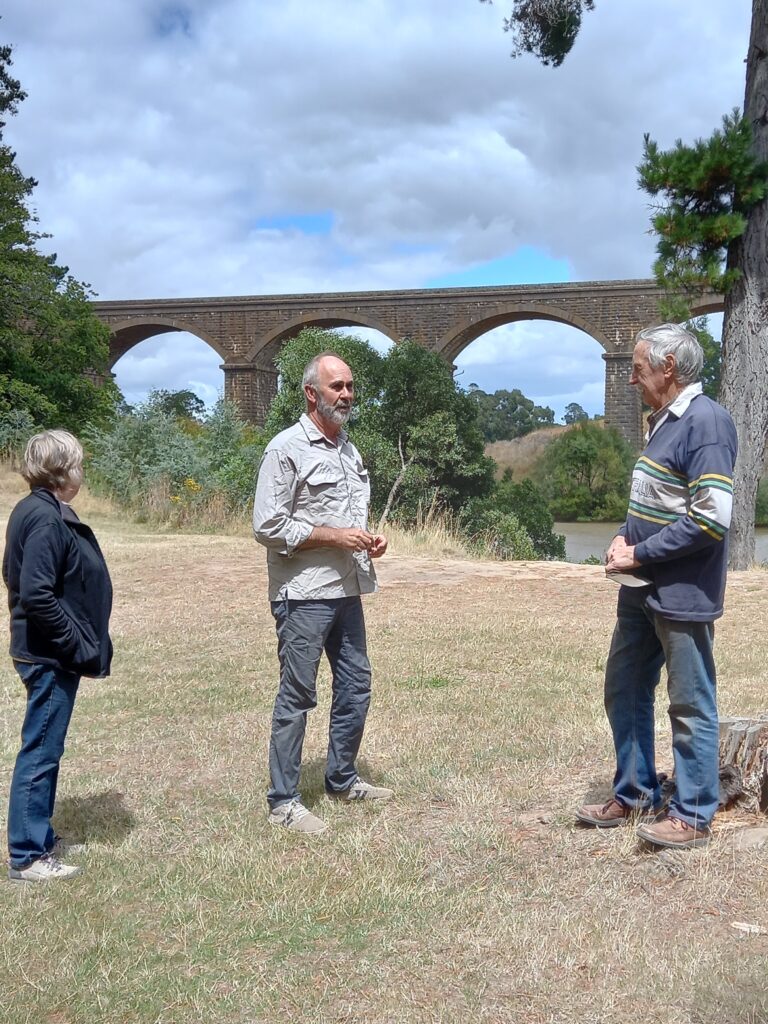
Pictured, from left, Paula Needham, Chris Bromley and Robert Newton at the edge of the gardens near the Malmsbury Viaduct

March 6th, 2021Electronic control addictive for Aimee

But that period in Melbourne was also a time when much of the music scene was in thrall to myriad strands of electronica flowing in from around the world.
Electronica is a fairly nebulous term but it came to be used a lot in those years to loosely describe any music that was produced and performed using devices such as, and definitely not limited to, drum machines, computers and keyboards.
They faced some resistance from traditionalists who liked to think that live music should only be with instruments that were physically played. For example: guitarists playing guitars, drummers playing drums and so on. But it was really at the end of the 20th century when those complaints were finally put aside and electronica in all its guises was assimilated into musical performance and production.
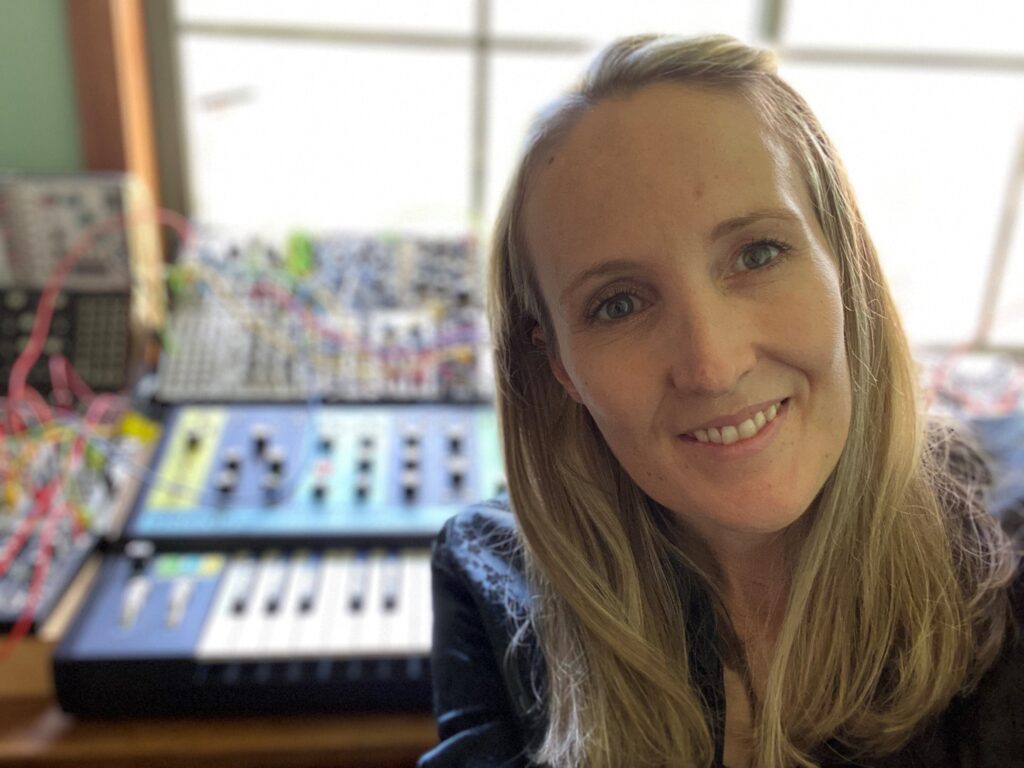
Melbourne has always had an active live music scene and the technology influenced many local artists who are still performing regularly today.
“Alongside jazz, I was listening to mostly hip hop funk, trip hop, electronica and dance music and all the kind of stuff that was happening in the late 90s and early 2000s in Melbourne. I was going out seeing all these bands and I realised I wanted to make this music too, I wanted to do the beats. So I kind of taught myself to begin with and started just asking people I knew were dabbling in computer music to show me some stuff.”
The core of any electronic producer’s studio is a computer running sequencing software with a multi instrument digital interface (MIDI) for communication with sound modules. That is to say, a simple program acts as a clock that can trigger a connected instrument like a keyboard (also known as a sound module) electronically via a MIDI in a timed sequence. Simple really, but there are lots of knobs, dials, faders and flashing lights involved.

And the recording studio where it all gets done can look very, very cool, mysterious and complicated. Also, having everything you need at your fingertips means no more having to wrangle a group of musicians.
“I saved up and got an early interaction of Ableton Live (a digital audio software workstation developed by German musicians Gerhard Behles, Robert Henke, and Bernd Roggendorf in 2001),” says Aimee.
“That just changed everything. It is really geared to live performance and meant I could ditch the band. Suddenly I had this capability to be able to play everything in my head musically and go on solo tours. It gave me a lot of control that you don’t usually get as the vocalist. I got really addicted to that mode of performing.”
Since then, as a producer, vocalist, musician and sound artist, Aimee has toured extensively through Australia, Japan, Canada, Denmark and France and released several albums and various singles. She has also completed advanced electronic studies online through Berklee College of Music and the Melbourne Electronic Sound Studio (MESS) Winter School.
In 2019 she was a recipient of a Loddon Mallee Renewable Energy Arts Award creating a musical work Softer Currents using sounds recorded from renewable energy sources. Most recently she was awarded a residency at the Phee Broadway Theatre in Castlemaine as part of their 20-21 At Home Program. She produced an online/real time project called Coming Home featuring sounds of the city commute. It has been a good start to the year and Aimee has more projects to come.
“It’s still hard to plan at the moment but I’m looking to start recording a new release. I’ve gone instrumental and textural for the last couple of years, but now I’m keen to start stretching my lyric muscles and vocal melodies.
“I’m also hopeful and optimistic that something like another tour to Japan would be on the cards. I have done two tours there and that has just been exceptional. They really have such a culture for experimental and interesting music and the audiences really listen intently.”
Words: Tony Sawrey | Image: Contributed
March 6th, 2021A fungus lover’s foray into fun foraging
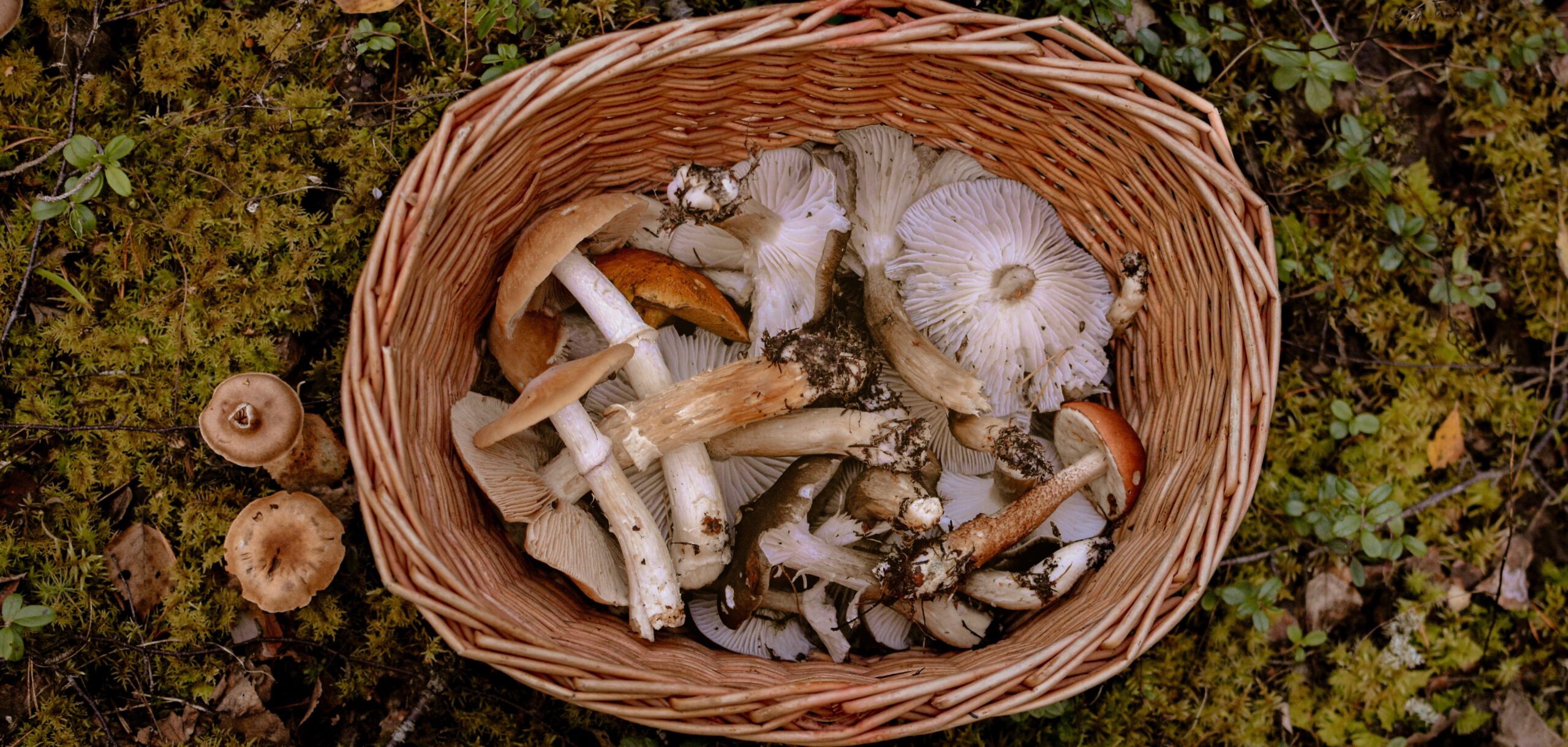
With fungi being incredibly diverse, delicious (and sometimes deadly) a new book from CSIRO Publishing, Wild Mushrooming: A Guide for Foragers, delivers expert advice on the best ways to go about finding, identifying and collecting the right mushrooms…as well as a mouth-watering selection of recipes to enjoy, too.
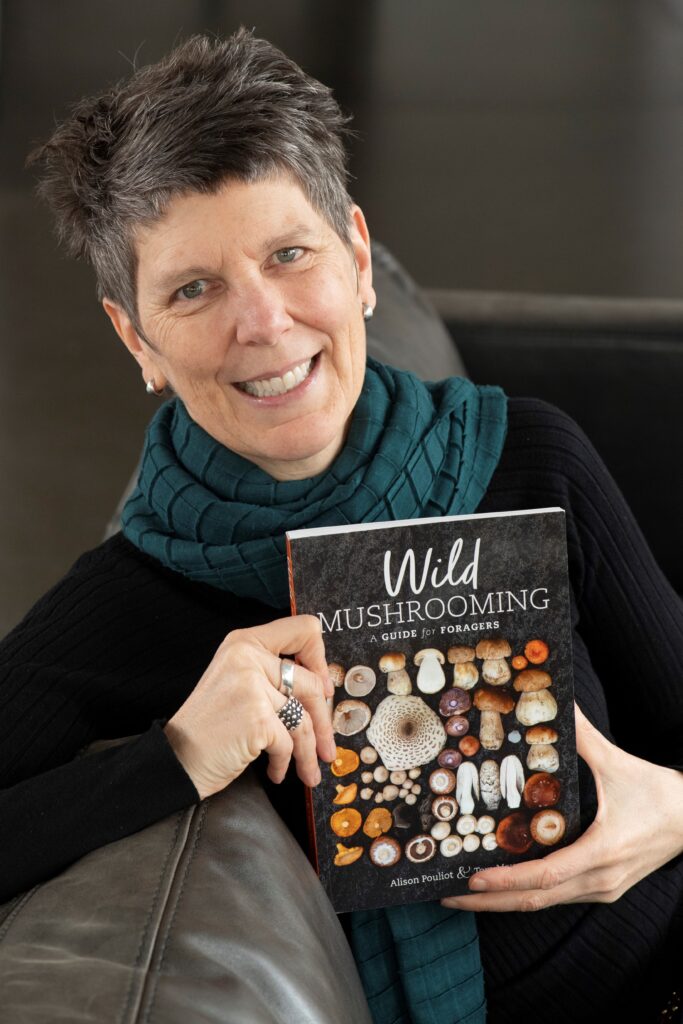
The book is co-authored by leading experts, Daylesford resident, Alison Pouliot and Tom May and has been a collaborative project five years in the making. It includes sections on where, when, and how to find fungi and guides the forager in the identification of a selection of edible species.
“We advocate what we describe as a ‘slow mushrooming’ approach,” say the authors.
“We encourage foragers to learn a few species thoroughly, rather than many superficially. This means slowing down, taking your time and being an astute observer of both fungi and their surrounds.”
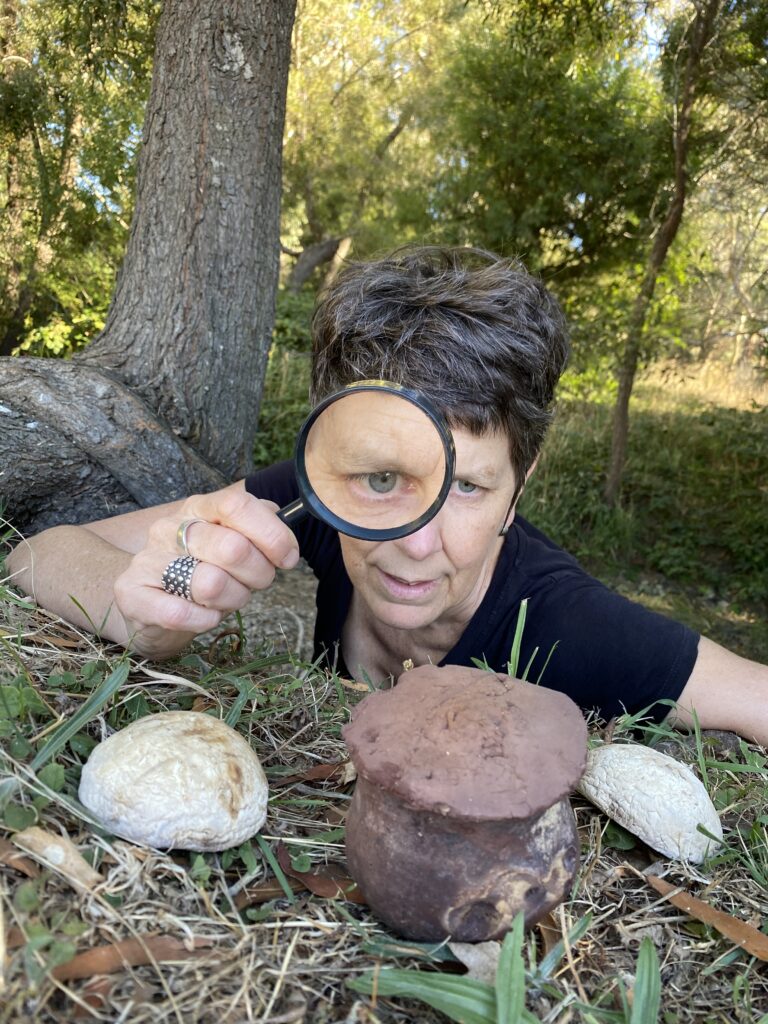
The publication is an extensively illustrated guide which melds scientific and cultural knowledge, equipping the reader with the knowledge to find the right mushrooms while encouraging ‘ecological foraging’ to minimise environmental harm.
There are also checklists of features for both edible and toxic species to enable the reader to differentiate the desirable from the deadly. Hints on where, when and how to find fungi enhance the reader’s ability to recognise targeted species.
Armed with the right knowledge, there are many rewards to savour and the book includes a large section of recipes. From omelettes to pies, and curries to risotto and pasta, you’ll be enticed by 29 mouth-watering recipes that can be adapted for both foraged and cultivated fungi.
Alison Pouliot is an ecologist and environmental photographer with a focus on fungi. She is active in Australian and international fungal conservation and her writing and images appear in both academic and popular literature. Alison’s fungus forays, which she conducts across both hemispheres, attract a range of people from foragers and philosophers to rangers and traditional owners.
Tom May is a mycologist with more than four decades getting to know Australian fungi. He has published widely on fungal taxonomy, ecology, and conservation in scientific and popular literature, including checklists of Australian fungi and a key to genera of Australian mushrooms (FunKey). He is active in international mycological groups and in community natural history organisations, founding Fungimap in 1995. He was awarded the Australian Natural History Medallion in 2014.
Forest cooked mushrooms on sourdough bread
From Florian Hofinger, Mt Franklin Organics
Mushrooms have wonderful flavours and the best way to bring them out is to keep the recipe simple. This is a favourite recipe from my childhood days in the Austrian Alps.
Serves 2 / preparation & cooking time: 20 minutes
100g butter
1 clove garlic, chopped
300g wild mushrooms, cleaned & chopped, or left whole if small
parsley, roughly chopped
salt and pepper
1/2 cup dry white wine
big loaf of sourdough bread
Make a little fire. Once you’ve got a good coal bed, put frypan on top. When hot, add butter and chopped garlic. Stir so it doesn’t brown. Cook for a few minutes.

Throw in mushrooms and parsley. Cook for 5 or 6 minutes, until they are soft. You need to test them as it is hard to estimate an exact time as it depends on the heat of your fire. Season to taste with pepper and salt and a good splash of white wine. Reduce a little. Use thick slices of bread to scoop out mushrooms and mop up juices. And don’t waste the rest of the wine! Drink the remainder to wash them down.
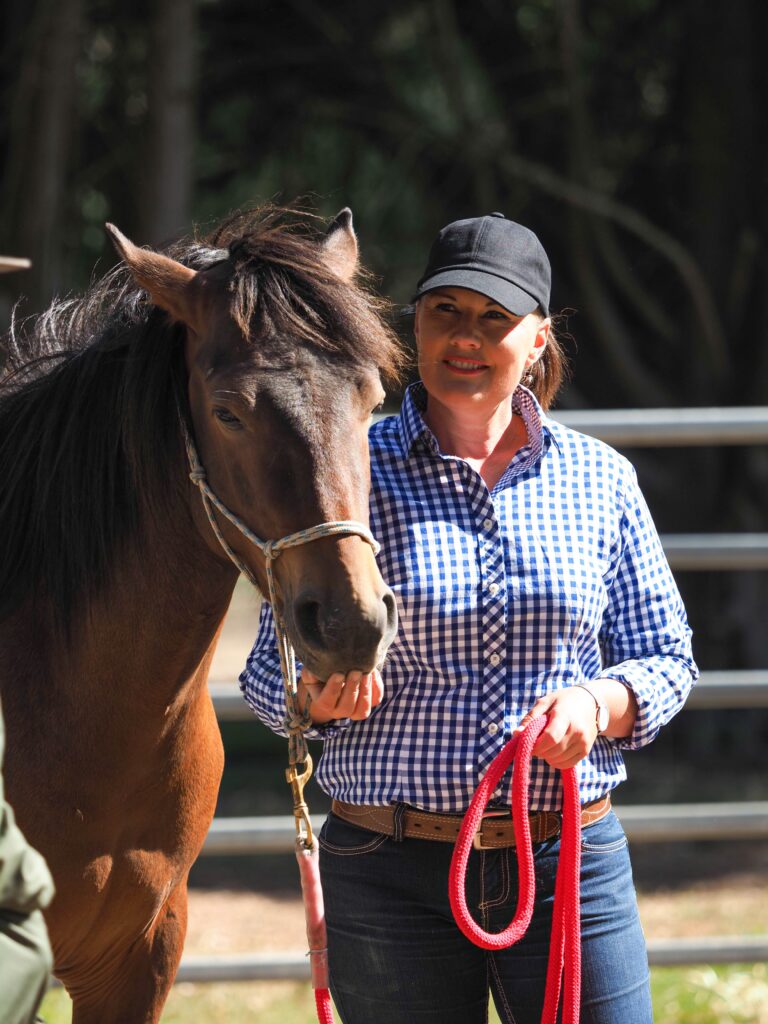
March 6th, 2021Wild horses couldn’t keep her away
The story is so fascinating, the photographer has been thrust into the spotlight with media outlets from across the country keen to share this remarkable story about two horses, a local and an eight-month journey inspired by a love of horses and a need to save them. There’s even been talk of a movie.
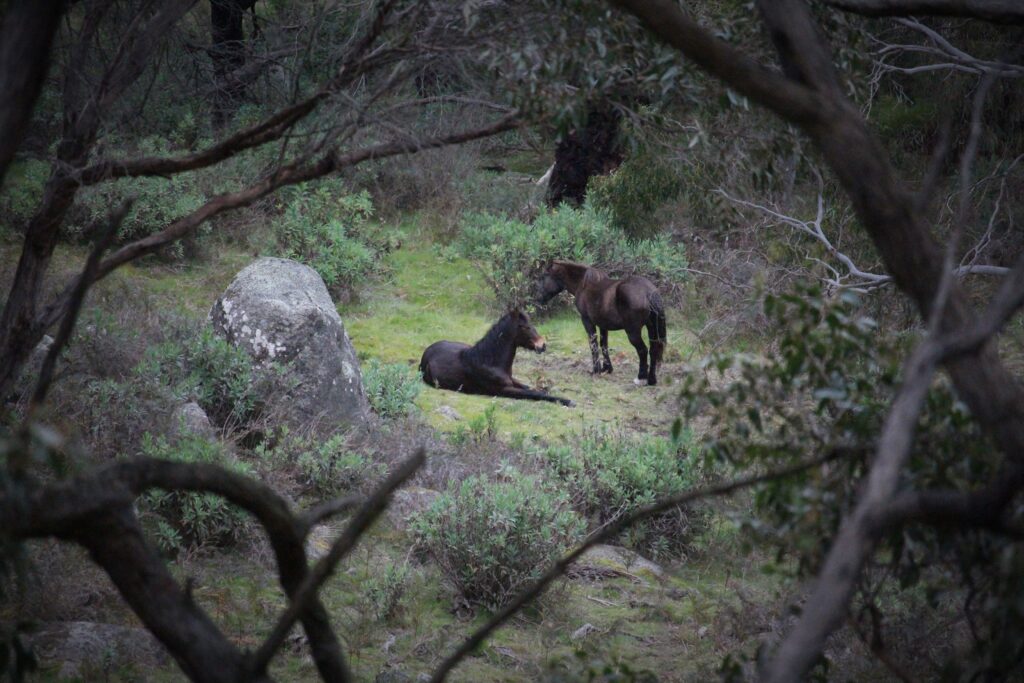
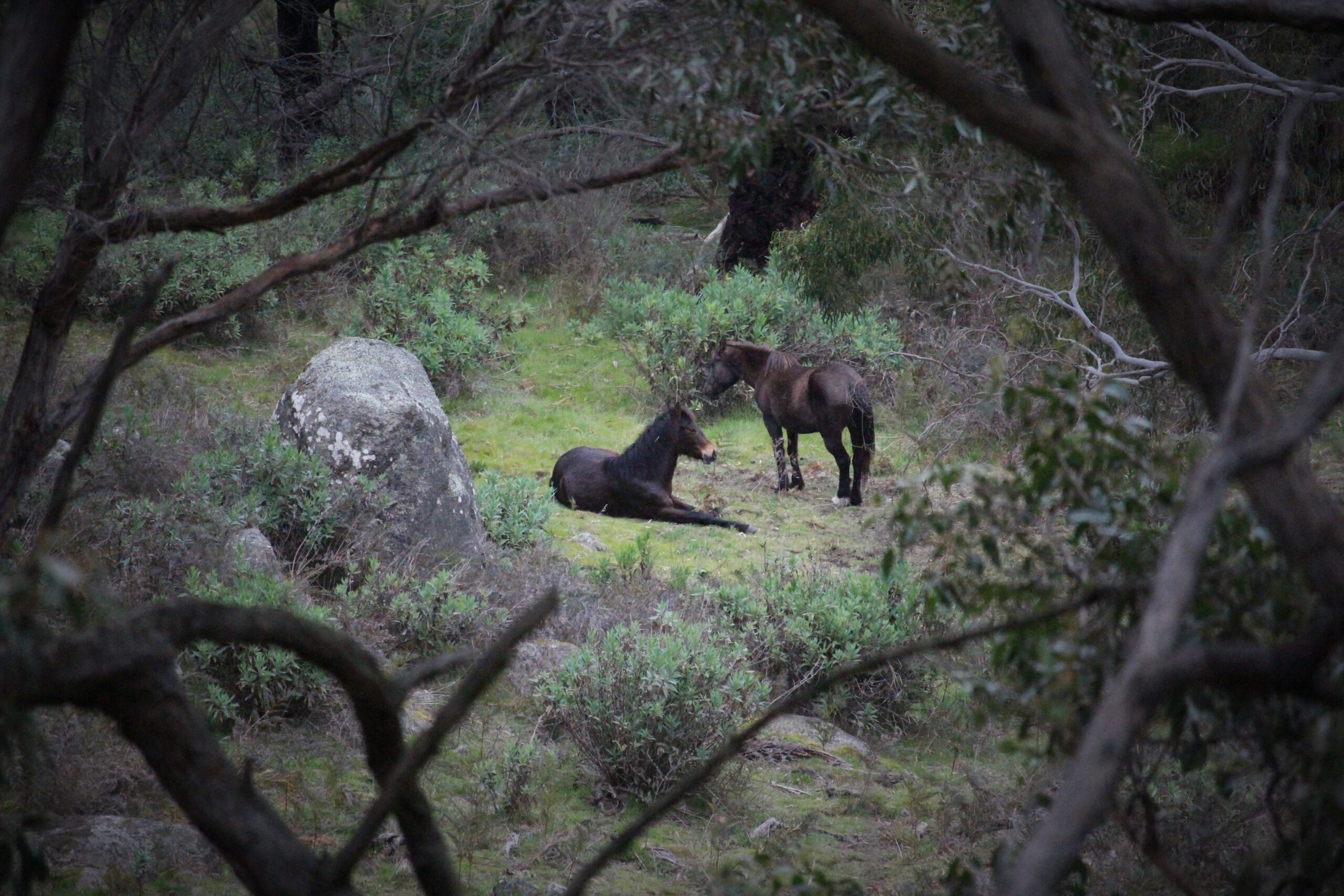
Leslie, like many in the small tight-knit community, had heard whispers of wild horse sightings in the remote area of bushland at Mount Beckworth. Curious and concerned, Leslie began making daily trips to a section of the mountain rarely visited due to its ruggedness.
“It all started in April last year when there were rumours going around about the wild horses. A friend of a friend apparently spotted them so I became intrigued. I spend a lot of time in the area taking photos, riding horses and hiking but the area I started going into was on the south side of the mountain which is a part not frequented often by people,” she said.
“I had time on my hands like many people, as COVID had meant I wasn’t working my normal 9 to 5 job. So, the start of my journey began with a sighting of fresh manure and hoof marks but no horseshoe marks. I began going back to the area every day and I continued to follow the tracks. At one stage I looked at my Fitbit and had walked 16 kilometres around the rugged terrain,” she said.
“Then I spotted them. They were tucked away in a plateau on the side of the mountain. I was simply amazed and so many thoughts were running through my mind. Were they domestic horses that had gotten out, had they been dumped?”
Leslie quietly approached the horses from a distance and they spotted her.
“They were on to me and as soon as they saw me coming, they bolted. I realised then that they weren’t domesticated horses. The area is known for hunting and I was so worried that the horses would become shooting targets. At that stage I made the decision to do whatever I could to get the horses to safety. I named them Milo, the colt, and Lucy the mare,” she said.
Given Leslie has been around horses her entire life, she knew routine was key in her quest to help the horses.
“My father always had horses so I never had to ask for one and I actually got my first pony when I was about five. Horses like predictability and routine. I started going to the mountain to get the horses used to me at the same time every day, and I’d sit in the same spot near where they liked to hang out. I called it base camp,” she said.
“Two months in, I was sitting under a pine tree and the colt, Milo, gently came up and sat down beside me. At first, I was a little worried as it could have been dangerous. When he sat down with me it was simply overwhelming. All this time and now I’d been accepted into their herd.
“This was cemented when Lucy the mare decided to join us. They became a major part of my daily life. Horses are like mirrors into your soul. They know if your intentions are good or bad and are able to read signs if danger is near,” she said.
But about five months into her journey, Leslie had lost all contact and sightings of the horses. “I went in morning and night to try and find the horses. I had no idea where they were and I was getting more worried by the minute. I remember sitting on a boulder and just breaking down and being so overwhelmed, thinking I’d bitten off more than I could chew. At that moment a robin redbreast sat on a branch very close to me and I knew I had to snap out of it and stay focused. And so I got up and continued searching,” she said.
“On the sixth day they returned to base camp and our relationship continued, I was so happy to see them and they certainly seemed happy to see me” she said.
“The horses were drinking from a spring-fed well but the water was running low with the hot temperatures so I started carting in 100 litres a day with the help of my husband and a friend. They were getting more comfortable and confident around me but I knew I couldn’t get a float in to take them off the mountain due to the terrain.”
With the water drying up, the horses starting roaming further looking for water and started jumping the fence onto an adjoining farm to drink from the trough. This gave Leslie the perfect opportunity to set a yard around that trough to safely and securely contain the horses.
“Whilst they were in the bush, I began teaching Milo how to move his hind quarters at liberty, meaning without being haltered. He was curious and interested in learning. This helped immensely when it came to getting them on the float and moving them to safety at the Victorian Brumby Association. On Valentine’s Day, I managed to get the ponies into the yard for their regular drink and hay, and I calmly closed the gate. After nearly eight months I finally had the ponies secured,” she said.
Leslie engaged Colleen O’Brien, the president of the association in Glenlogie to assist in their ongoing care and also provide a safe place for them.
For Leslie, the horses are still a major part of her life and will always have a special place in her heart. The day after the horses were safely transported off the mountain the enormity of the journey and a bit of relief overwhelmed Leslie.
“I was a blubbering mess; I couldn’t talk to anyone or see anyone. I hiked in to base camp to get some closure. It was so lonely in there without Milo and Lucy. I don’t think I will ever know how Lucy and Milo came to being on the mountain, and it will always be in the back of my mind. I think it will remain a mystery for the rest of my life.”
Words: Narelle Groenhout | Images: Donna Crebbin (main image) Leslie Scott (brumbies in the wild)
March 6th, 2021Pets@Work
Elizabeth Parsons said the friendly, 18-month-old hounds are pure PR, looking after customers and happily meeting other pooches along with “getting in the way”.
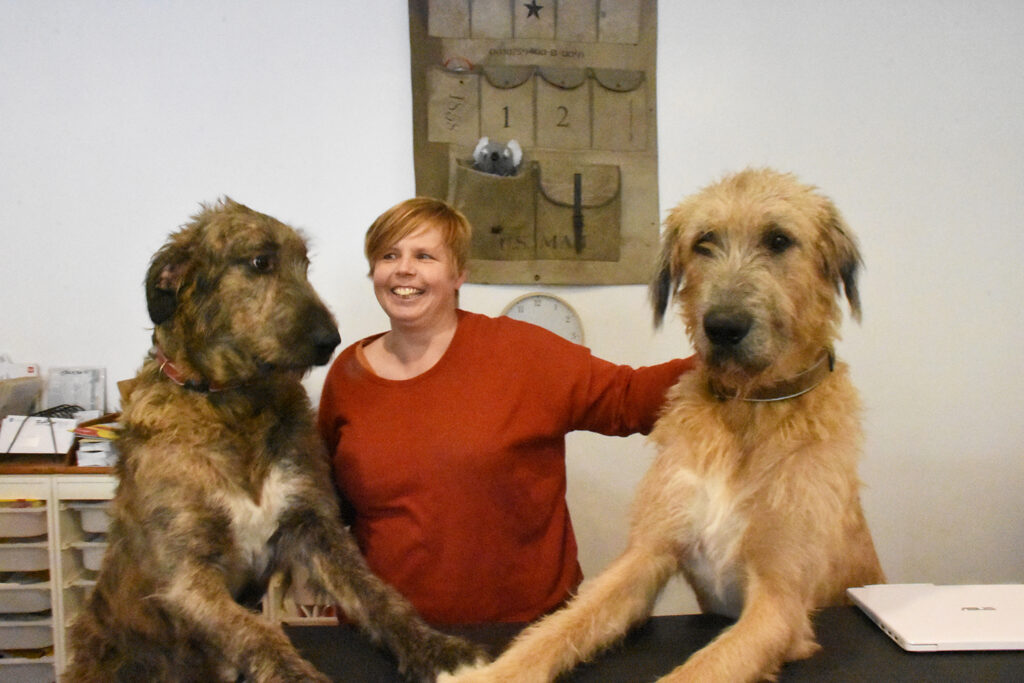
Elizabeth and her mum Leanda will celebrate six years running the post office in August.

February 27th, 2021Travel: Water views and Western Victoria
Being born and bred in Frankston, and walking distance from the bay, of course I love the water. Nah, not really. My memories of the beach are mostly being badly burnt as a kid and then having to climb into a stinking hot car with vinyl seats. A cold slab of butter was the remedy for any sunburn. It felt so cool as it melted and was the closest mum came to creating a lovely cooking smell in the kitchen. Joke.
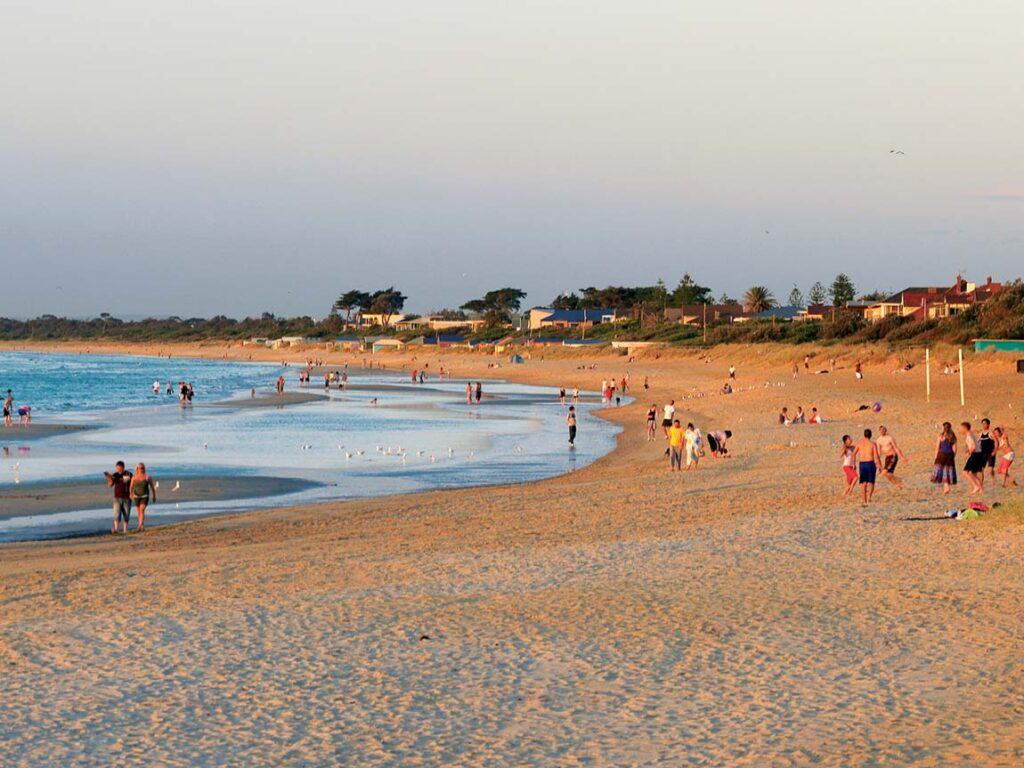
Anyway, we headed off via Ballarat and then on through Skipton, Lismore, Mortlake, Koirot and Kirkstall. What a run. What a crap run. We think we have potholes. We don’t know what potholes are. And then after about 50km of roads so rough I was starting to wonder if my ovaries had come loose, there was a sign saying, and I kid you not, “Rough road ahead”. WTF?
Anyway, we made it. Not quite in the two hours that Kyle promised, which seemed hopeful for a trip of 255km with a driver who has never gone over the speed limit, but we made it before dusk. (We left at midday – I swear I saw a number of Volvos being driven by hatted men overtake us. And yes, it was a Sunday.)
Kyle had booked into the Victoria Apartments right in the heart of the town. There was a little confusion as we had to fill out the COVID paperwork on the phone with Kyle refusing to wear my budget reading glasses (thanks, That Bargain Place) and squinting while making huffing noises because he not only had to enter the registration plate but also his driver’s licence. But then a key dropped into the keysafe and we were in. And almost straight out the courtyard door. The living room was the smallest I have been in – and I lived in Japan for three years.

It contained a kitchen bench, fridge, dining table and two chairs, couch for two, huge round marble coffee table and a $10 white pedestal fan. Oh, and the biggest television I have seen. In fact it was so big, and so close to the couch, that it felt like you were part of the show you were watching. Hello Superstore. Mind you, the bedroom was normal, same size as the living area, with a king bed that was nice and firm (Kyle called it a rock bed) and a tiny clothes cupboard that didn’t quite have enough room to open.
It sounds like we are whingers, and yes, we are. And after we whinged we were given a complimentary upgrade for the following night to an upstairs two-bedroom apartment which was lovely. And massive. With a great view from the balcony. So a great spot to stay, if you pay a little more and head upstairs.
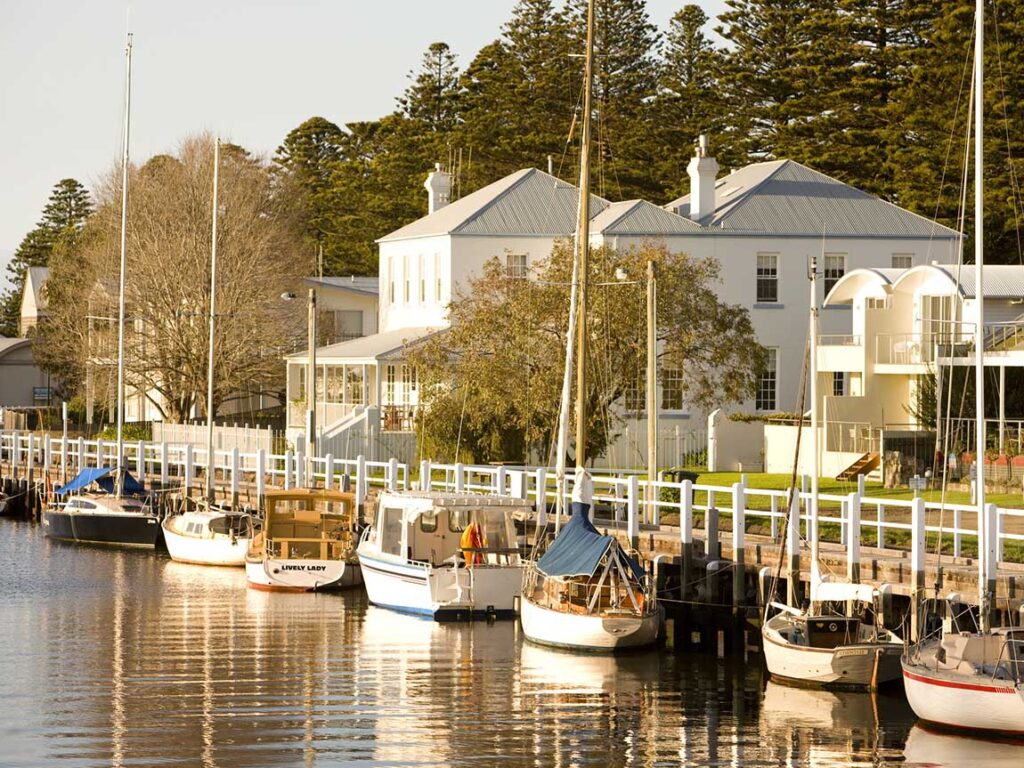
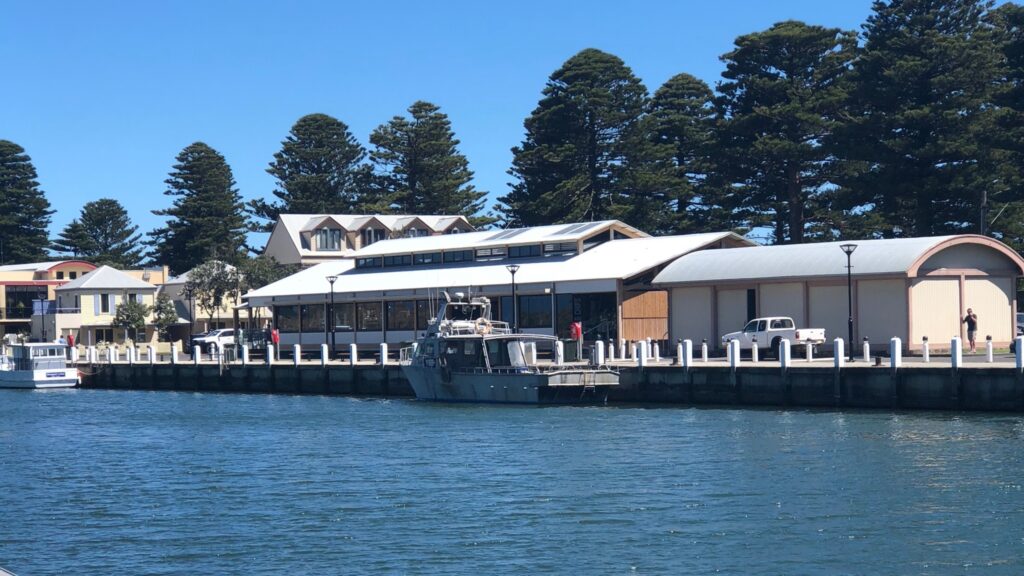
In Port Fairy we drove to the beach, walked around the parks, had a couple of beers in some lovely old pubs, did pizza one night and Thai the next, and generally relaxed. And we also went to Penshurst.
Now, I had never heard of Penshurst but a friend who lives in Lauriston and owns a gallery in Kyneton, has just bought a former butcher’s shop on the corner of the main street – so we decided to visit. What a great place. Penshurst is set on an aquifer so the botanic gardens include wonderful wetlands which is pretty amazing for Western Victoria.
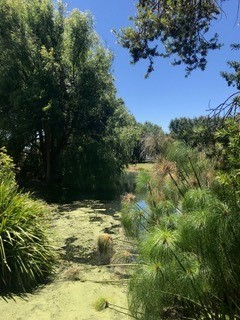
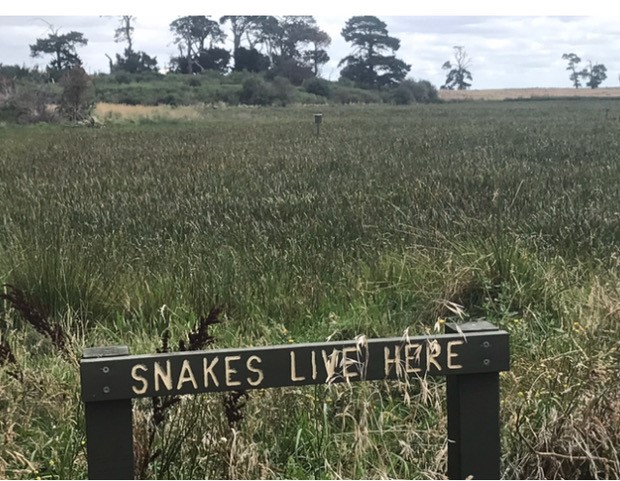
There is also a 25-metre, heated outdoor pool – hear that Daylesford, and a multi-million dollar Volcanoes Discovery Centre. (The town sits under Mt Rouse, an extinct volcano.) You also can’t visit without heading to the 13-hectare Yatmerone Wildlife Reserve, home to more than 30 types of bird species and more than 30 flower species. There’s also lots of fauna – and a big sign at the entrance saying: “Snakes live here.” I bet they do.
We had lunch at the hotel – which is for sale BTW – and enjoyed real pub grub – parmas, fish and chips, and steak, out on the balcony. I also hear the bakery does an amazing bee-sting – but that’s for next time. And we will be back. Our friend is keen on creating another gallery at her new shop – so watch this space.
We were going to drive home via Geelong and bit of smooth freeway but decided we needed to check out the Royal Mail Hotel in Dunkeld. It’s pretty famous so seemed worth the trip. Of course, it’s shut Mondays, so we had hot chocolates and shared a reuben sandwich at Koopmans Dunkeld, a restored garage in the main street. Now while the usual components of a reuben are corned beef, Swiss, sauerkraut and Russian dressing on rye bread, ours was more ham and cheese and mustard. But it was good.
We pulled over at Streatham, just because one of the tyres seemed a bit flat, but all was well and we decided to check again at Skipton. All good. We’ll get the wheel alignment done later.
So, another couple of nights away with the mood lightening around the state. If you had told me back in August/September that part of the pandemic was a road trip and a couple of beers at a bar, I would have said you were dreaming. And now we are dreaming, of a vaccine, and a life eventually without masks and social distancing. Although I am happy enough for that to continue, just for now.
Words: Donna Kelly
February 27th, 2021Pets@Work
Parish administration officer Leonie Keynes said Miss Mollie worked in the Daylesford office, meeting and greeting the parishioners and any other visitors. “Sometimes she will assist in the setting up of mass and help with the Powerpoint.
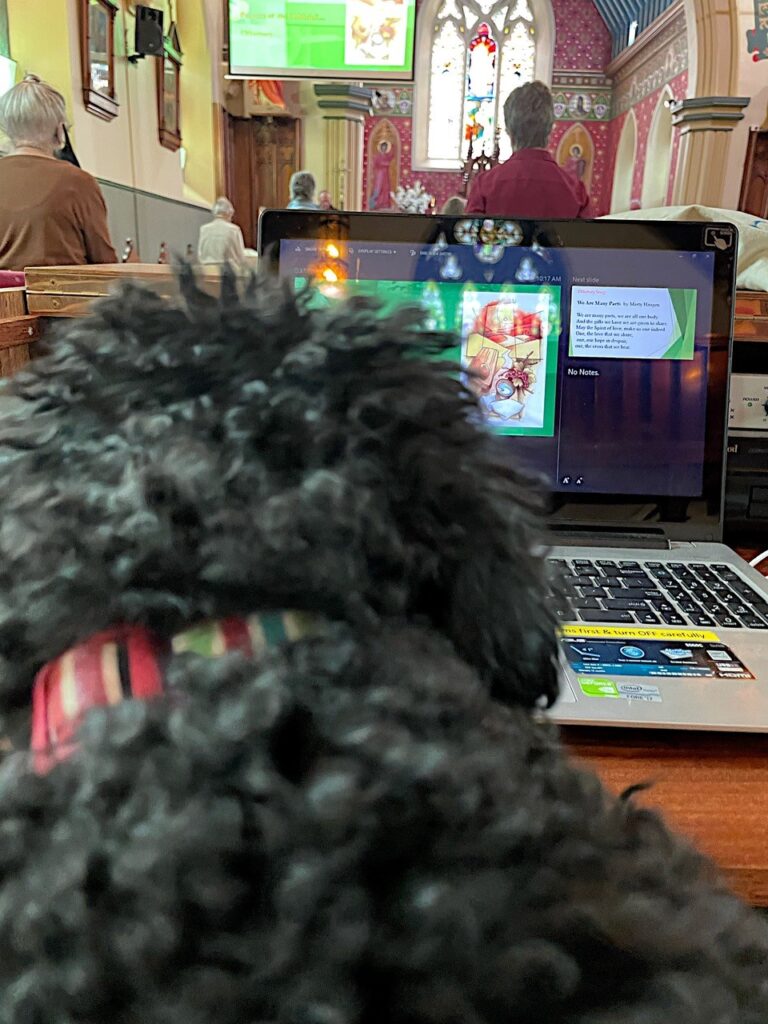
Miss Mollie is a delight to have around and makes the work environment so enjoyable – even if she does insist on sitting on the desk and snoring when she falls asleep.”

February 27th, 2021The Last Word: Another shot in the arm
On February 13 we received our second hits of vaccine and now we should be able to start living somewhat normal lives. After a year of COVID-19 restrictions, it’s difficult to come to reconcile that, at least on a personal level, our ordeal might be drawing to a conclusion.
Of course, as the US death toll from COVID-19 tops 500,000, our discomfort has been a small price to pay.

In our two-person household, Carol and I have been in a sort of isolation for almost a year. In that time, I’ve regularly spent time with my parents – dad, 92, and mum, 88 – we’ve allowed my brother and Carol’s sister to visit, and we have two mates who come over, but no one has been allowed to come into our house; we have a comfortable outdoor area where we entertain these few guests.
If that sounds extreme, consider that Shasta County, where we live, has a population of about 180,000 people and almost 11,000 reported cases of COVID-19, with a few dozen new cases being confirmed each and every day.
Now, with the second dose of Moderna vaccine in our arms, we decided to try living large again: we went to an actual restaurant, sat at a table, ordered off a menu – from a waitress – and when the food arrived, we removed our masks and ate our meals.
Full disclosure: it was a lovely, sunny afternoon and we sat outside at a socially distanced table. This was a restaurant we’d been patronising during our lockdown. They were one of the few in our area that had adopted – and enforced – mask-wearing rules for customers and staff, strictly limited indoor dining, and emphasised takeaway food.
Readers of The Local might remember our first shot of vaccine came about through an unlikely confluence of events involving a sister-in-law, a dog park, and an impromptu drive-through clinic based around a small local airport.
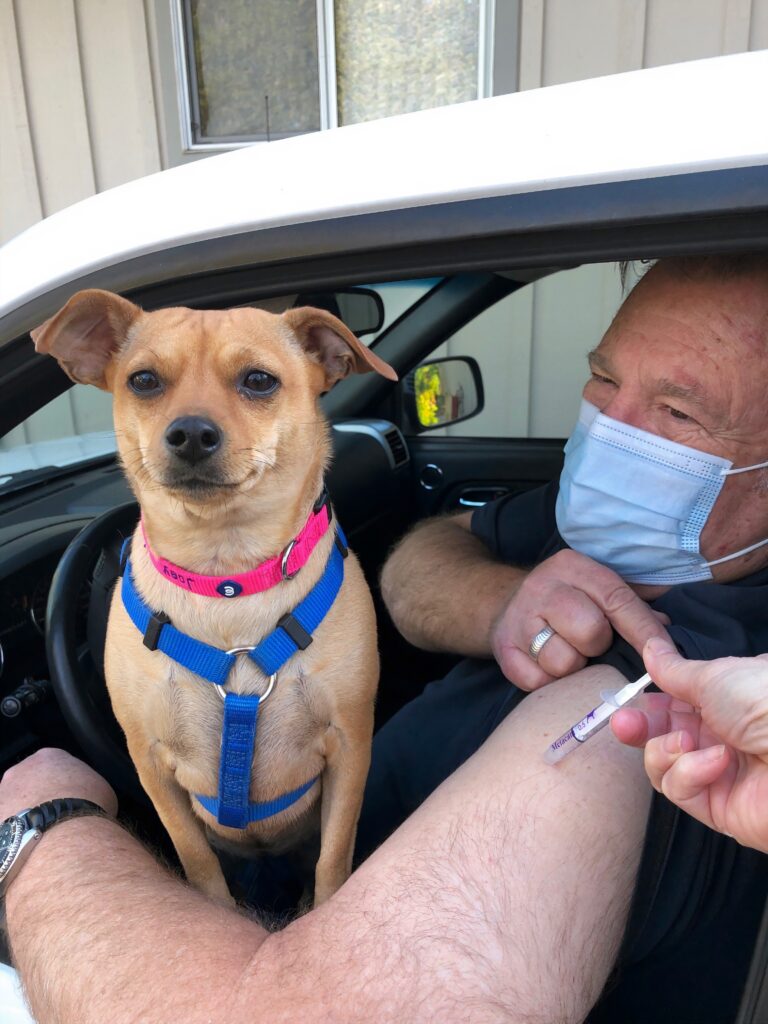
Shot No. 2 was much better organised. We were contacted via text message by the local county health department and told when and where we would receive our follow-up vaccination.
The “where” was another drive-through clinic, this time in the car park of our county’s version of the Melbourne Showgrounds – the Shasta District Fairgrounds, about 25 kilometres south of our home. All in all, it was entirely uneventful, especially if you consider the experience of a couple of friends of ours.
Our friends live in Santa Barbara, a beautiful city on the southern California coast. They are in their 60s, one is battling cancer, and they were eager to be vaccinated against COVID-19.
In order to make this happen, however, they had to drive more than 230 kilometres north, to the city of Bakersfield: world renowned as the home of “the Bakersfield sound” as created by country music legend Buck Owens – but not much else.
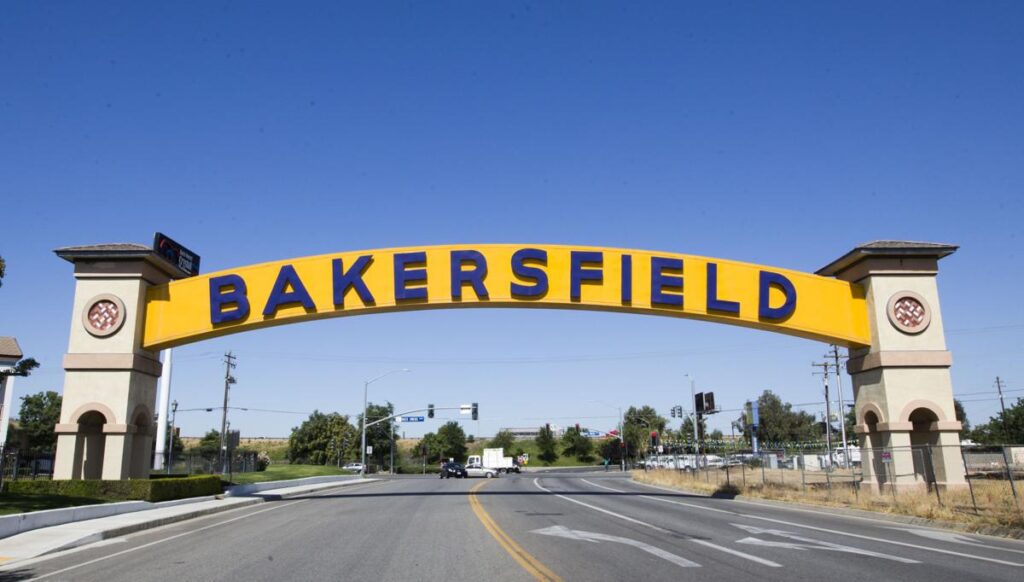
If this seems a bit extreme, you need to understand that the previous federal government did its best to pretend the COVID-19 pandemic was a hoax, and to ignore it in hopes it would all just quietly go away. Part of this strategy included refusing to come up with plans for distributing the vaccines.
Fortunately, American ingenuity came to the rescue. Anyone who has been to the US has probably noticed that there are few small, local chemist shops, just as there are almost no local butchers, greengrocers or milk bars. Instead, we have massive chain stores. The grocery store where we buy our food also has a complete pharmacy, and the pharmacy where we fill our prescriptions sells bread and milk. If you want a flu shot, you can go to the grocery store, or the pharmacy, or even to your doctor.

It only made sense, therefore, that if local government isn’t up to the task, COVID-19 vaccinations could be distributed through pharmacy chains. Which is why our friends from Santa Barbara ended up driving two-and-a-half hours to be jabbed at the Bakersfield branch of a massive pharmacy chain that happened to have available doses. We have another friend who is receiving his shots at a Safeway store, which means he only has to drive across town, and can pick up a head of lettuce, a jar of peanut butter and a six-pack of beer while he’s there.
With that in mind, we decided to look into having my parents shot – OK, it was tempting, but not like that. We logged on to the website of their preferred pharmacy chain and found slots available in an upcoming clinic. While there, my mother bought a package of adhesive bandages and my father bought a bag of sweets, and they were vaccinated.
My father had only one complaint: the makeshift waiting area for the clinic was directly opposite the store’s liquor department and he didn’t like having to look at all the bottles of wine – he’s supposed to be cutting down on his drinking.
Jeff Glorfeld is a former editor with The Age and journalist with The Local. A couple of years back Jeff, his wife Carol and their dog Scout moved from Wheatsheaf to California, USA to be with family. They have since adopted pooch Joey. Along with being happy to be vaccinated, Jeff hopes for a St Kilda premiership one day.

February 27th, 2021Just sayin’…
SO FEBRUARY has just finished up. And that means FebFast is over. Which is good because I failed miserably at giving up alcohol. But do I blame myself? Of course not.
It was all going really well. February 1, 9am, no problem. Not even feeling like a drink. Actually walking on air a little because a melanoma I had been diagnosed with had been completely chopped out and apart from six-monthly checks – no worries.

What? Oh, back of the arm, where you don’t really see it, especially if you prefer a longer sleeve. It just looked wrong. So I went and got medical advice, had a bit cut off and then, when it came back as a melanoma and I didn’t die of a heart attack, I had a bit more cut off. And all good. Well, you know, not good but what are you going to do. The surgeon asked if I had ever been sunburnt as a child to the point of peeling skin. You bet! I am a child of the early 70s – that’s what we did and as a teenager I fried myself in coconut oil. No tan, but a stack of freckles.
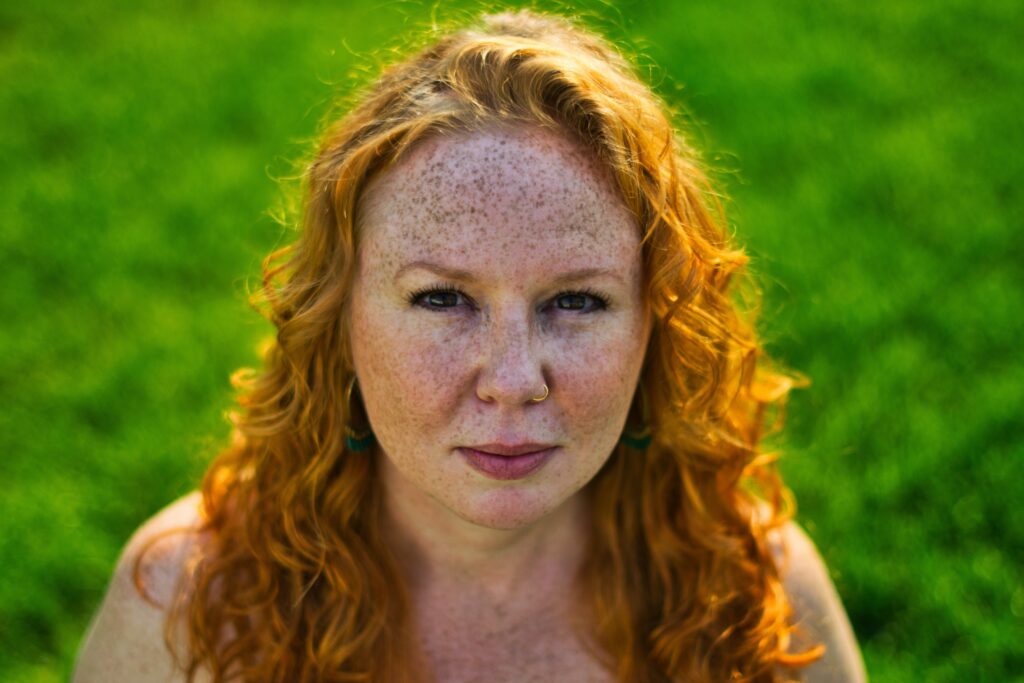
Anyway, I was feeling good and ready to kick the booze for a month. I know, shortest month of the year, but still. So I stocked up on mineral water and was keen for the reset – until I felt a bit sore around the boob. Hmmm. February, just a month before my regular mammogram/ultrasound check, why not book in early? So I did. And all seemed OK. The radiologist didn’t make any noises to worry about – sucking in of air, or furtive glances in my direction and then quickly looking away, and not too many of those clicks on the screen as they push your boobs this way and that.
So I felt pretty positive all was good. But, you know, probably not the day to give up drinking. But the next day for sure. And then a few days later I get the call to say they have found something and would like to do a follow-up with a tiny biopsy. Hmmm. Still OK. But, you know, probably not the day…
So I called to make my appointment and they asked me to take a photo of the referral and email it through. Which I did on the Friday. But no call back. So really, the weekend was looming large… And then when I called Monday they had no record of my email so I sent it all again and called back on Tuesday. (Monday night was a bit stressful…)

On Tuesday they said they had the referral but most appointments were a few weeks away – busy with COVID catch-ups and all that. Fair enough. But you know, just one wine never hurt… And then when I rang on Friday, a tad annoyed, they said they would get back to me asap but mentioned that although the doctor had written “bulk bill please” that particular procedure could not be bulk billed. “It’s $295 out of pocket – do you still want to go ahead?” When I joked I had no choice they offered to end the call but we sorted that bit out. And I really needed a drink that night. And then the appointment and the wait for the news…not a great time for an alcohol-free day, let alone month!
But then, long story long, the call. All good. Nothing wrong. Yay. So here we are, the end of February and all is well. And I am thinking Moderate March. Just sayin’…

February 27th, 2021Kyle’s Rant
We largely relied upon our editorial subjects to shoot themselves (in a photographic way) or because we have now notched up almost nine years of servitude at TL HQ we have a huge supply of stock shots. Some of the shoots went back to the beginnings of TL so we also provided a service in making people young again.
Some other tricks we used were to shoot at 30 paces, usually a bit rough but it gets the job done and I made good use of the Glenlyon Reserve with its trees for shelter from the wind and rain, and open space when the sun is not directly overhead causing harsh shadowing.
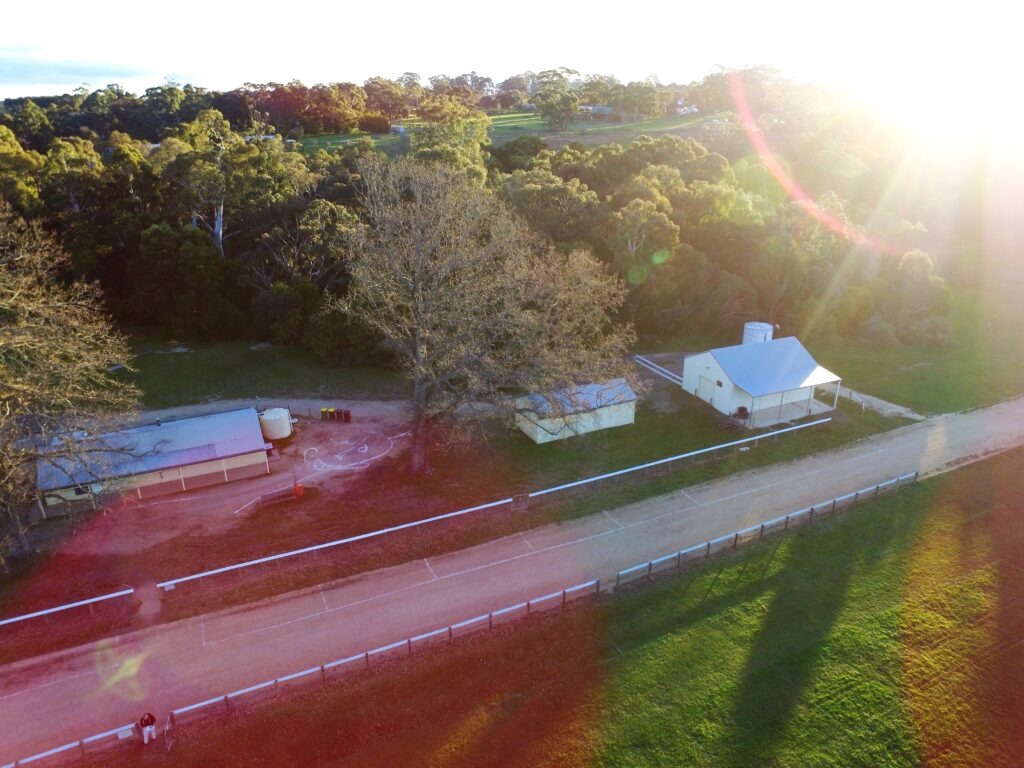
It seems I have once again waffled off track. My point is that the camera equipment is fairly new to me again. And when I arrived at this particular photoshoot the (unnamed subject) commented that I looked a little tired. That was news to me, so I finished up the job, returned back to TL HQ and started reflecting on the year that was 2020.
So, last February we kind of knew that there was likely to be a pandemic sweeping the world, however, like everyone we ploughed on with a “business as usual” mindset. Last March just after we had finished producing The Little Local, House.Land.Home. and a bumper TL, the biggest page count ever, we went down to Lorne for some R&R with no phones or emails for four whole days. Or so we hoped.
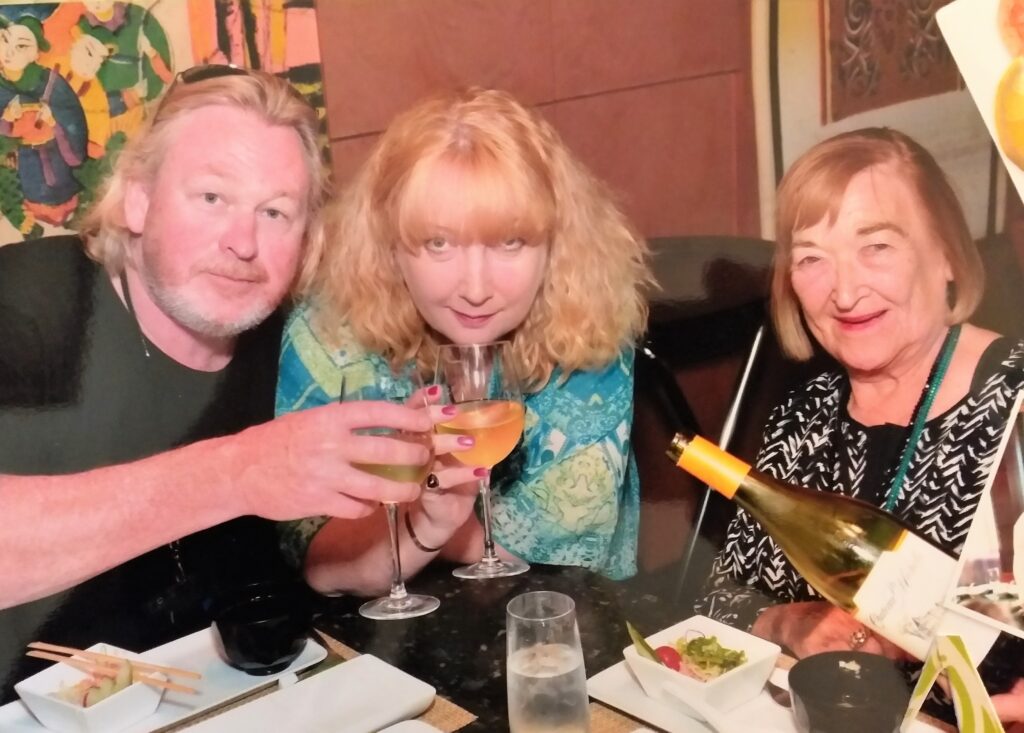
The second morning into the stay we got a call from Donna’s mother Betty: “Have you seen the news today?” And of course the news was the pandemic ripping its way through Spain and the Ruby Princess making landfall in Sydney, so that was the end of the break, we packed up, went over the bay to Frankston to check on Betty and drove back home.
So, since the middle of March 2020, it has been a busy and scary time for a lot of people and a restful and scary time for others. It almost seems like there has been two classes of experiences for people – those who had no choice but to remain under the doona and those who have had to “pivot” their lives and business. We certainly fall into the latter.
At TL HQ, on the back of not getting the R&R we desperately needed, we turned our paper from fortnightly to weekly, to keep the community properly informed (not Facebook informed).
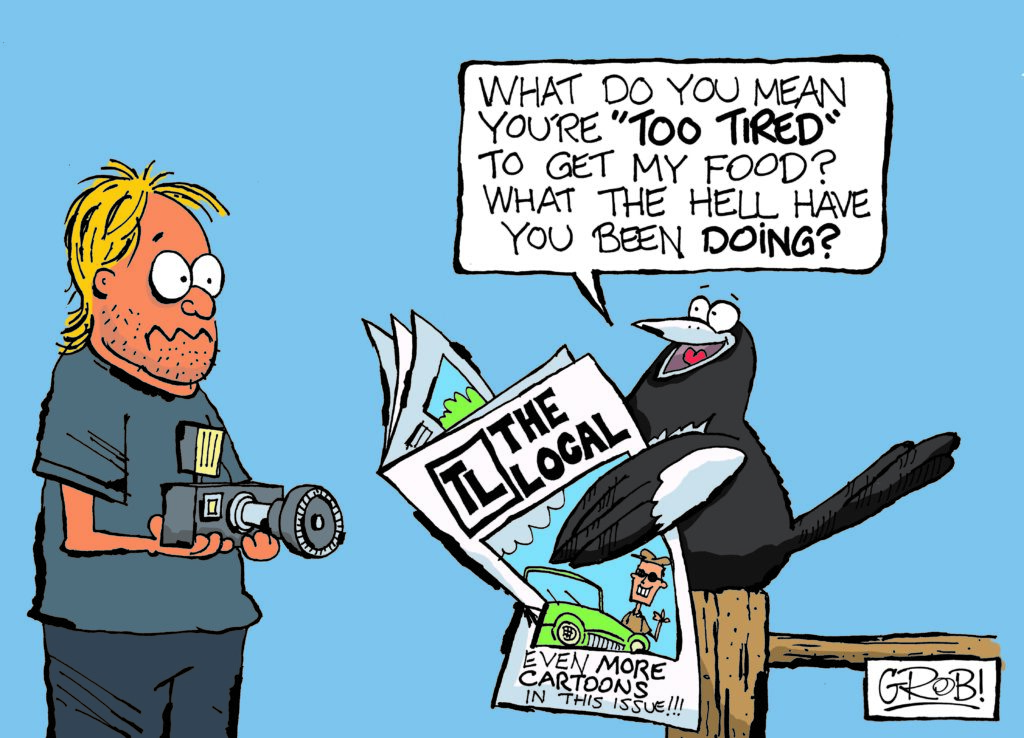
We also started a podcast, reworked our online presence with a beautiful experience known as www.tlnews.com.au, committed to our social media presence to keep things light and continued to never miss a beat publishing The Little Local, House.Land.Home. and The Local. And this all happened in a year we lost our third musketeer, Betty, but then made friends with four magpies who we named as they joined us for 5.30pm drinks during the winter. A crazy year.
So yes, I think I am tired, rant over…
February 27th, 2021New category mooted for Wombat Forest
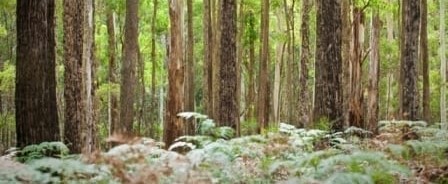
It was carried out by the Victorian Environmental Assessment Council (VEAC) and recommended among other things, that almost the entire area of the Wombat State Forest be made into a national park. The final report was lodged with the Environment Minister Lily D’Ambrosio in June 2019.
Since then, silence. The COVID-19 crisis and its multi-billion dollar hit on the economy and the state’s coffers could be one reason. Another might be the complex horse trading that goes on behind the scenes when any commissioned report involving the input of a range of communities, industries and special interest groups are vying for the ear of the government as to how, when, why, if, what, and where its final recommendations are to be implemented.
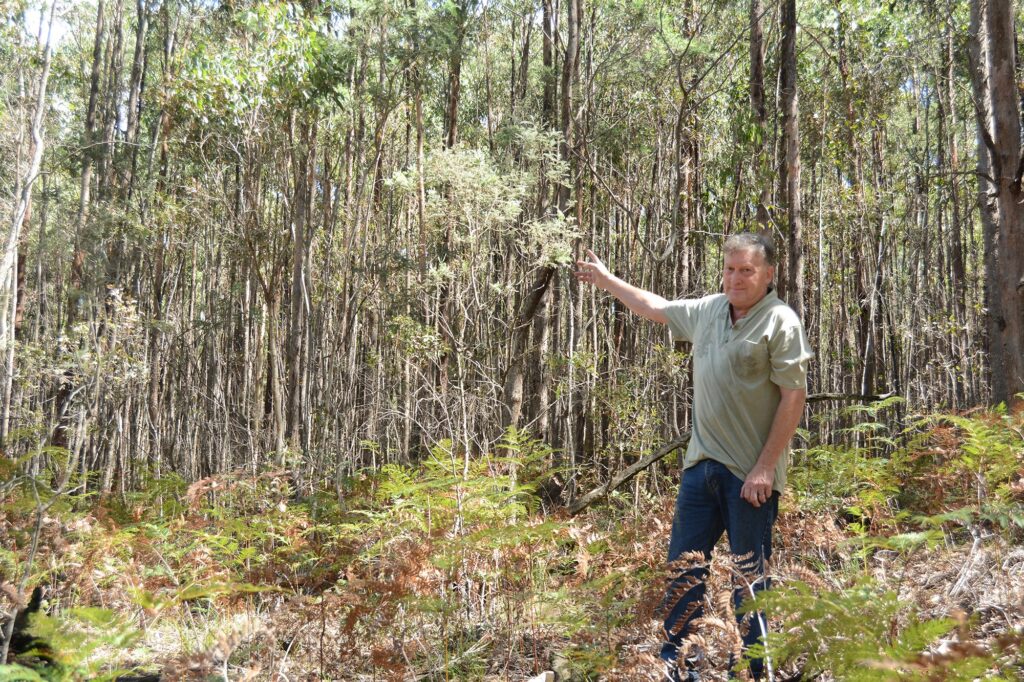
For some people the inertia is cause for alarm, for others such as Tim Anderson it is encouraging. Because he believes the entire VEAC investigation is fundamentally flawed; both in its science and the makeup and balance of the committee who steered it.
Tim has been working on forest-related matters at regional, state and national levels for 30 years. His work along with his wife Loris Duclos was the basis for the Our Forests Our Future initiative under the Bracks’ government and has just completed four years working on the Australian FSC (Forest Stewardship Council) Forest Standard in conjunction with the industry, indigenous representatives and national environment groups.
With his experience he is able to speak for those many locals who oppose a national park and want to see the forest managed and protected by other means.
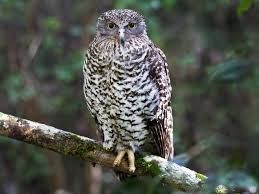
“Turning the whole area into a national park, at a time when 80 per cent of it has had some of the most intensive logging in Australia and needs to be thinned back, is a recipe for killing the Wombat Forest and all of the species in it. One fire, one disease or lower rainfall and we’ve lost the wombat. The greater glider and the powerful owl can’t live in a desert or a low elevation forest. It doesn’t work.”
Tim’s opinion reflects a fundamental distrust of the concept of big national parks, common in adjoining communities. Many local submissions to the final VEAC report expressed concerns that, despite reassurances from the Central West investigation authors, the gates to the Wombat would be locked, access restricted and the bulk of the forest left unmanaged.
“A vast national park will do absolutely nothing for the biodiversity that is already existing in it,” says Tim. “The region is already protected by a range of conservation overlays and is managed perfectly well by DELWP (Department of Environment, Land, Water and Planning). Simple legislation would restrict activities such as mining and intensive logging. Victoria could easily achieve its commitments to biodiversity not by simply imposing a national park on the community, but by restoring large areas that have been over-logged in the past.”
He suggests instead, as outlined in a letter he sent to the Environment Minister in 2019, that the government should investigate creating a whole new category for the Wombat Forest known as the Wombat Climate Forest. Tim stresses that now is the time for a new public land category that reflects positive climate change action and marking the forest as an important bio-refuge.
This should include thinning the regrowth and thus allowing the forest to store more carbon and potentially attract significant revenue in terms of carbon credits (big trees hold more carbon longer then thousands of saplings in overcrowded thickets and therefore are more valuable).
A restored forest under the proposed category would also serve as a refuge for biodiversity, especially endangered species, while allowing and regulating a range of suitable recreational and tourism based activities that national parks currently prohibit.
Above, Tim Anderson next to a thicket of unmanaged regrowth forest
Words & image: Tony Sawrey
February 27th, 2021Hepburn Shire’s housing crisis in focus
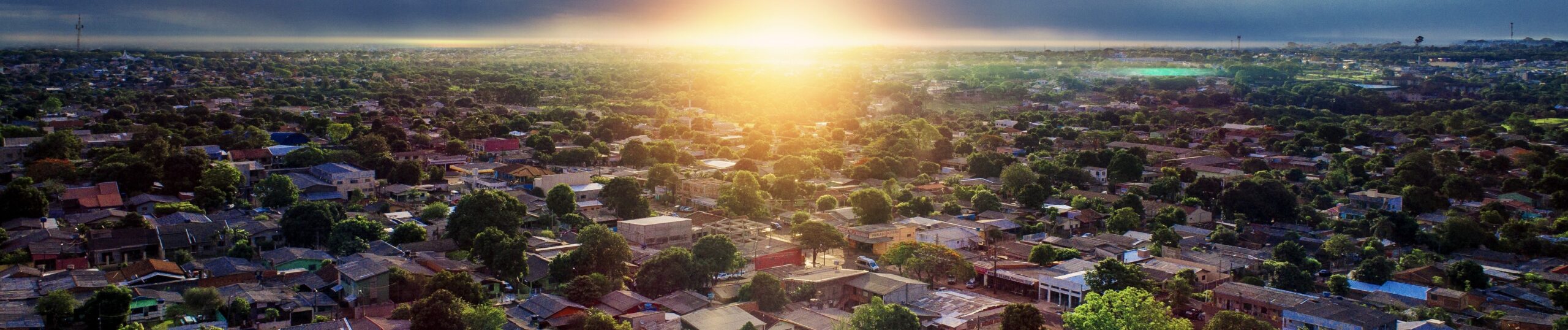
The group, Safe Place Homes, is determined to make a difference. And the group’s effort to make things happen within two years is extraordinary.
Community stalwart David Hall is part of that group. He insists this is a story about a crisis, about what is happening, what can be done and what needs to be done. In his words it is a “we” story.
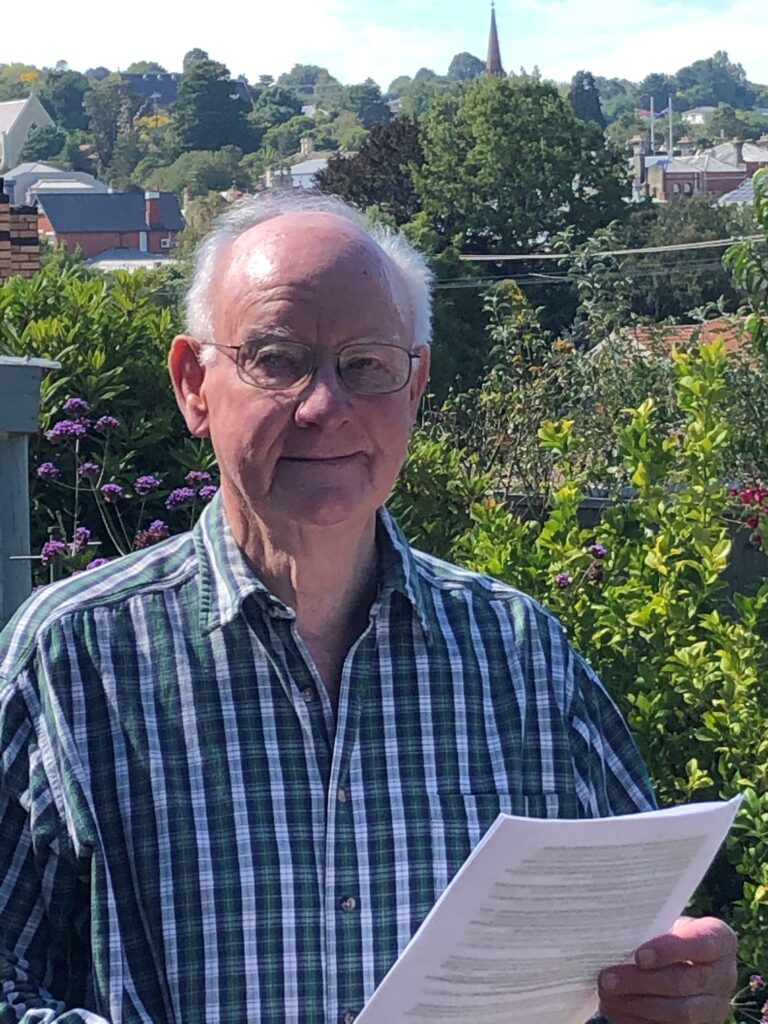
“I attended a forum last year organised by then councillor Kate Redwood on housing issues in the shire. I learned so much about the issues facing my fellow citizens so began talking about it with friends,” he said.
“We morphed into a small team determined to make a change and over time we welcomed representatives from Clunes, Creswick and Trentham. The issue is across the entire shire so we needed contributors from those communities.”
The group met with a representative from Child and Family Services and was staggered by the information regarding the housing shortage and the stress it puts on individuals and families. It was at this juncture the group realised the issues were only going to get worse, given the number of rental properties in the area were on the decline.
“With funding provided by the Trentham and Daylesford community banks we commissioned an in-depth study into the housing situation. As a result, we resolved to alleviate some of the issues here by increasing the stock of affordable housing,” David said.
The group investigated other local government housing policies and found the majority had policies in place. But nothing of the kind existed at Hepburn Shire Council. “This, we found staggering. We made a submission to council in April 2020 urging the adoption of an effective policy.”
While it was a win for the group after the council voted to develop a set of policies (which required drafting local laws), the process was delayed as council needed to set aside funding to draft the laws.
The group lobbied councillor candidates and, in David’s words, “secured promises of support”. The newly elected council agreed the policies were to be prioritised and ready for adoption in April.
Mr Hall said there were so many options available to council that wouldn’t cost ratepayers a fortune.
“There is something called inclusionary zoning, which is a term for when a developer comes along and says I want to build 40 houses on this site, the council negotiates with them and says you can have that, but you must allocate five to 10 per cent to affordable housing.”
While the group waits for the council’s position to be finalised, it has moved ahead with its plans for affordable housing. The group has independently purchased a block of land in Creswick and hopes to build six safe and affordable houses on that site, once the council has approved the development.
The group has also joined forces with registered charitable housing provider Haven; Home, Safe, – Australia’s only integrated affordable rental housing and homelessness services provider. The group is another step closer to affordable purpose-built homes in the area.
“Many are of the view that in this shire and in towns like Daylesford everyone is wealthy. In fact, most are not. The median weekly income in the shire is below the Victorian average. There are many struggling families and individuals in the shire. This area is full of good people but we are not all lucky,” David said.
“There is a lot of work to be done and it could take many years but the moment we hand over the first set of keys…that will be thrilling.”
Public Forum – Have Your Say
Safe Place Homes has organised a public forum on affordable housing to be held at the Daylesford Senior Citizens Centre on Thursday, March 4 from 4pm to 6pm.
The forum will update the community on its efforts to date, seek ideas and encourage those affected by the Hepburn Shire’s housing crisis to attend.
Registrations are essential. Email luigisoccio1201@gmail.com or call 0469 920 365.
Words & image: Narelle Groenhout