

October 19th, 2020A life-saving project within your back fence

“It feels like coming home,” says John Kent, who was raised on a Darling Downs dairy farm.
“This,” says his partner, Cathy Jacobs, “is another piece of the jigsaw”.
“This” is Spring Hill Nursery and Garden, which has changed hands after three decades.
For John and Cathy it is a place of joy after years of working internationally and interstate. Yet the question remains: why would someone move into a new business in the middle of the worst recession since the Great Depression?
“We did our research,” she says. “We paused at the first lockdown, but this is the rest of our lives. We wanted the lifestyle but we also did the numbers and found that nurseries are doing okay.
“This is more than just a nursery,” she adds. “It’s a place to come and feel serene.”
To heighten this sense of serenity they are adding a café so visitors can stroll among the plants and gardens, with their handsome espaliered trees, the pears, apples, peaches and blueberries, as well as prolific blackberries.
After the coffee there are plans for a giftware shop showcasing local artists and food producers. Then there is the “grand vision” to involve the community.
In all of this they are eager to pay tribute to the vision of the former owners, Sandy Mitchell and Glenn Boxshall. “Glenn and Sandy built this beautiful place from nothing and we want to honour their legacy by continuing the range and quality,” says Cathy.
Then there is the third member of John and Cathy’s team, their 24-year-old daughter Georgie, a former jillaroo in outback Queensland, now studying horticulture.
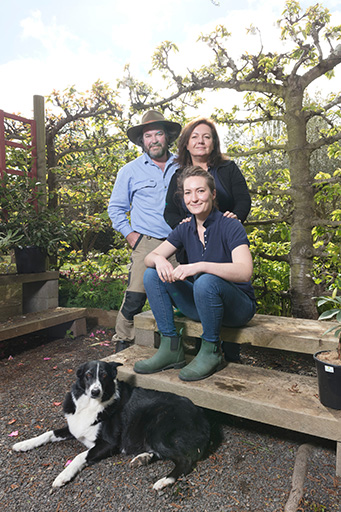
Sidling up for a pat is Lola, the seven-year-old collie, trailed by Boo, a Black Russian cat who seems to believe he’s a dog, and Belle, the shop pug.
Back in the outer eastern Melbourne suburb of Ashburton are 17-year-old high school student Charlie and another daughter, Olivia 21.
Cathy and John worked in London for ITN and the BBC respectively. John moved into consulting and major events, taking them to Adelaide, Sydney, Abu Dhabi and Melbourne. Cathy has now swapped her role at ABC News Victoria to concentrate full-time on her love of gardening.
Along the way they lived in Adelaide and Sydney, so at first it’s a bit surprising to learn that they fell in love with Spring Hill Nursery. That is until John talks of a garden as an example of a living work of art.
Here among the “thousands” of rhododendrons, camellias, azaleas, roses and seedlings on two acres, or 8000 square metres, they are working on building up native stock.
Their pleasure has been increased by the warmth of the welcome from locals. Such people are easy to spot, apparently, because when a frost-susceptible plant is mentioned, they often respond: “We have a greenhouse.”
They are also skilled at packing seemingly awkward or over-sized plants into vehicles.
Gardeners, says John, are always willing to try something and see what happens. “It’s endlessly fascinating…a life-saving project within your back fence.”
Words: Kevin Childs | Image: David White

October 10th, 2020On becoming a local

The Local corporate offices and my home in Wheatsheaf shared the Glenlyon General Store as our closest purveyor of essential goods, and maybe even a carton of milk or loaf of bread. The store carried an exceptionally fine selection of beers and wines, along with what had to have been the best collection of gins in Central Victoria.
It also, for an establishment so heavily invested in intoxicants, kept some quite quirky opening hours. Many was the time when my wife Carol and I felt done in by our day’s endeavours and ready for a refreshment from the store – which meant drinking gin and tonics at 3 o’clock in the afternoon because the store would be closing at 4pm – sharp – and is drinking elegant cocktails a morally, ethically or politically correct thing to be doing on a Thursday or Saturday or Tuesday afternoon?
Answer: well of course it is. Furthermore, many was the time when we’d be joined in our libations by a lovely couple, Kyle and Donna, who most likely had just completed another edition of their delightful, relatively new publication The Local and were rewarding themselves with a well-deserved nerve settler – lager beer for Kyle and chardonnay for Donna.
I felt a special affinity for Donna and Kyle’s efforts as independent journalists, as a 20-year employee of The Age newspaper. I’d joined The Age during the final decades of its run as one of the world’s great newspapers, fuelled by its “rivers of gold” classified advertising.
Gradually the rivers ran dry and The Age began settling into decrepitude. It was obvious that mainstream media was being strangled by the internet but what was also clear was that as the big-city papers withdrew, opportunities emerged for small local publishers to fill the needs of their communities. I saw what Donna and Kyle were doing with The Local and knew they were onto a good idea and I wanted to be a part of it.
The first few stories I wrote for them were vanity pieces. I wrote something about cutting myself shaving, which they used because it allowed Kyle to create a silly picture of me looking like Norman Gunston, my face dotted with scraps of bloody tissue. I also wrote an opinion piece about the roadkill carnage I saw each day on my commute between Wheatsheaf and Kyneton to catch the Melbourne train, and about how I wished drivers would slow down and have some care for the animals.
After I retired from The Age I started to write some more locally involved stories for The Local. Among my favourites was a series on some of the region’s excellent food producers.
Of special significance to me was spending a few hours in 2017 with the late former shire mayor Rod May in his home, talking about organic farming and his family’s long and colourful history on the land.
For my first dozen or so years living in Wheatsheaf I commuted to Melbourne five days a week. I left home in the dark and came back in the dark. I used to say that someone could paint my house purple with orange stripes (or solid black) on Monday and I wouldn’t know it until Saturday. I also had a running joke with Donna. She would ask if I knew so-and-so and I would say no and she would say of course you don’t. Well, one of the best things about working for The Local was it gave me the opportunity to get to know some of the incredible people who are your friends and neighbours, and for that I am eternally grateful.
Words: Jeff Glorfeld | Image: Kyle Barnes
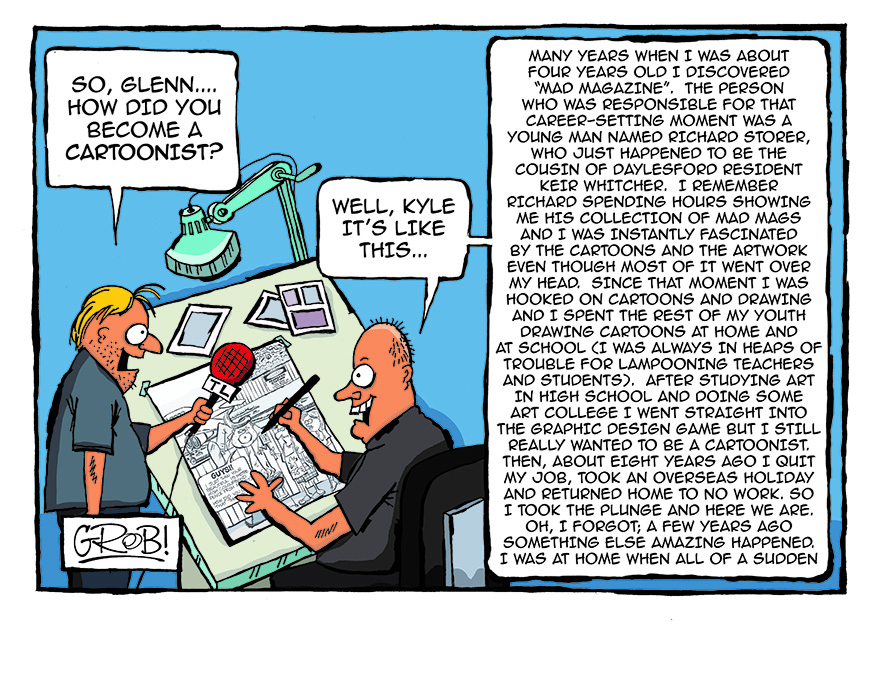
October 10th, 2020So, Glenn. How did you become a cartoonist?
October 10th, 2020Keeping us to account
I remember sitting in a café in Trentham having a coffee and I picked up The Local to read; the stories were full of local events and I noticed that they offered advertising for businesses. I rang asking to put an ad in and the rest, as they say, is history.
I was asked to come on board by Kyle and Donna, doing accounts work, chasing up debtors and deliveries. At one stage I also walked the streets offering advertising space in The Local, but as others before me and after me know, it is hard work.
Phillip and I enjoy Donna and Kyle’s wit, we just get them. They are very professional in their business and warm and caring with their stories. We enjoy their and the rest of the team’s company very much. Once crazy COVID is over, we hope to catch up with the full team.
Congratulations on producing this 200th edition and hopefully there will be more to come.
Words: Julie Hanson
October 10th, 2020Glen, about the house
I can scarcely believe it is a little over seven years since my friends Donna and Kyle came to tell me of their plans to publish a monthly community newspaper, let alone that the next edition of The Local would be Issue No. 200.
I was delighted, as a then director of the local community bank, to be able to organise a financial boost through sponsorship, and then help with designing logos and the early front pages etc.
What really gives me the most joy is once again being able to indulge in my two great passions – writing and photography, specifically about gardening and the environment.
For more than 50 years I had steadily built a warehouse of horticulture knowledge through writing regular articles for both Adelaide and Melbourne newspapers, sundry magazines and several gardening books. That all suddenly came to a grinding halt with my retirement, leaving my creative juices in limbo. But that was before The Local.
I draw great pleasure and satisfaction in, with Donna, Kyle and our band of like- minded, talented contributors, being able to buck the trend and not only survive, but thrive, and continue to be the true voice for this wonderful community we call home.
Time for a feed
This year has all the hallmarks of a great Spring/early Summer for growth in our gardens. The early rains and promise of a visit from La Nina would indicate a great amount of steady root growth for newly planted and existing trees and shrubs, or seedlings. This is also sign for us to provide the necessary nourishment to sustain all that new growth.
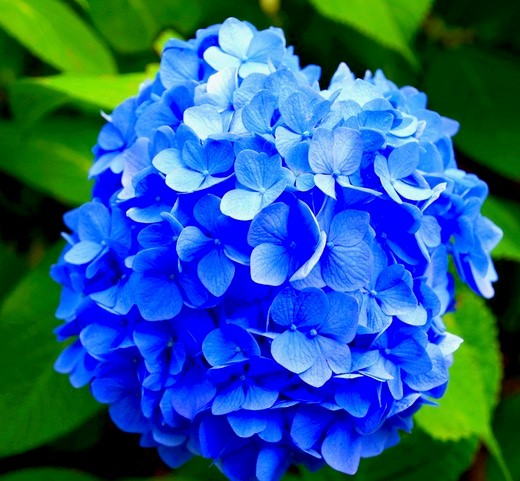
Azaleas, camellias and rhododendrons are all in full bloom during this month and as they finish flowering they will begin to throw out new growth, so now is an important time for a good feed. Because they are all surface-rooted plants they will suffer more than most from the leaching effects of Winter rains.
They also suffer badly when the soil is alkaline and/or clay which locks up the much-needed nutrients. Because of this it would be advisable to give each plant a dressing of iron chelates or sulphate of iron and feed them with a complete manure or special camellia food. Although a good thick layer of mulch will help keep the soil moist and protect the roots from Summer heat, leave putting on the mulch to allow the rains to soak in. When the flowers are finished, give each plant a light pruning to remove any spindly or dead wood.
Hydrangeas will be entering a critical stage in their growing year as the hot weather approaches. They are extremely prone to suffering from hot sunlight and no matter how much water they receive, they will droop and wilt without some protection.
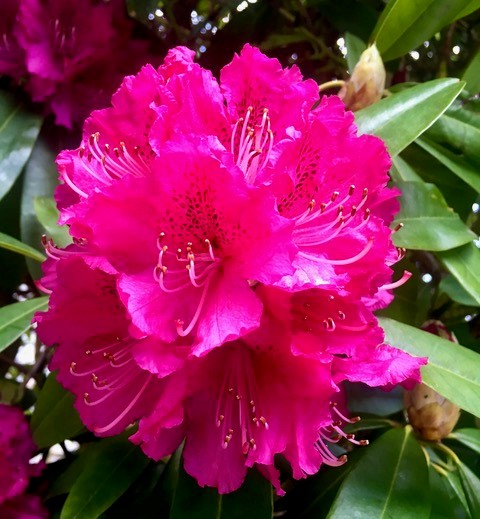
It is important that they are never allowed to dry out once the flower buds begin to form. If they are left to dry for any length of time from now until Summer their flowers may be lost for the season.
To be on the safe side, cover the soil around each plant with a good thick layer of organic mulching material and water them regularly.
A blue hydrangea is a desirable, but not necessarily natural thing. It’s all in the soil. It all relies on the acidity (pH) of the soil – acid blue, alkaline – natural colours.
Hydrangea colours range from white, through various shades of pink to red. The stronger the original hue, the deeper the blue/purple. So, in essence, a natural white flower will turn to bright blue, and shades of pink can be encouraged to be mauve or cyclamen, dependant on the amount of acidity in the soil.
You can purchase simple pH test kits and special fertilisers from your local garden stockist.
October 10th, 2020Design with The Local
Today congratulations is added to this list as the perfect word to celebrate The Local’s achievement of reaching its 200th edition.
I don’t have an interesting story to retell about why or how I got involved in contributing my wisdom pearls through The Local. I got recommended by a very dear friend. Donna and Kyle thought it a good idea. End of story.
I love being able to share my interest and expertise but if it wasn’t for The Local, it just wouldn’t be the same.
You see, it was coming up to Christmas and Donna and Kyle invited us contributors around to share some food, wine and stories. The day under the big oak tree was perfect, the company friendly, warm and inclusive and it was then that I decided that being a part of this family-style group was heartfelt and meaningful. This same energy I feel, comes through in the paper. I believe this is one of the reasons The Local is such an interesting and popular local gig.
Congratulations to all those responsible in making 200 editions, in good times and bad, through sickness and in health. May it all continue.
Words: Indre Kisonas
October 10th, 2020Journalist, paperboy… living the dream

Growing up in this environment formed influences in me that remain difficult to reconcile. On the one hand I was imbued with a strong interest in global art and culture alongside a love/hate relationship with all things regional. This schism remains with me to this day.
By the time I was in my late teens and ready to make my own decisions on what to do and where to go with my life, I was only certain of one thing. I did not want to stay on the land training horses and feeding cattle, I needed to find out what was beyond the farm gate.
I bolted for the nearest big city (Melbourne) on the pretense of studying and remained there long after tertiary studies fell by the wayside. This led to other cities both here and abroad where I indulged in bohemian time wasting, dole bludging, casual work, travel and romance (or messed-up versions of it).
Usually I’m fairly circumspect about going into specifics regarding this time but it did cover over two decades, and such a large chunk of living deserves some elaboration. Even if it’s just for my dear readers of The Local.
Essentially, I fell in with activists and artists covering a broad gamut of left-wing causes and ideologies accompanied by a soundtrack of punk, death metal, noise and electronica. It was interesting enough but in hindsight, I don’t know really what good I got from it all. At a grassroots level politics and art frequently overlap but I found the latter usually came away badly diminished by it.
Squats, collective spaces, travelling activist circuses and sound system culture tend to reduce creativity to sloganeering at best and incomprehensible nihilism at worst. In short, art should be greater than the social causes that influence it and deserves a greater reach than a bombed-out audience at Rainbow Festival.
That’s why I eventually went back to uni to get a better understanding of how visual culture (my specialty) fits into the greater scheme of life and history. I don’t know if I succeeded, but one thing’s for sure; I did learn how to do proper research and string sentences together.
However, the way forward from these studies was not some ‘sendero luminoso’ to a glamorous writing career. It took me instead on a goat track peppered with lots of temporary casual jobs; doing everything from pushing road cases to working as an illustrator and cartoonist. Moving back to the bush didn’t help and I continue to work drafting cattle and look after chickens when things get quiet.
I wouldn’t have it any other way though and living out here has led to me working for The Local. While years ago I did do high school work experience at the Benalla Ensign, sweeping, picking border tape off the floor and pecking out briefs for a foul-mouthed editor, I never thought I would wind up wearing a journalist’s hat.
But in 2015 I read an advert in some fortnightly publication asking for someone to sell advertising. I decided to ring up and introduced myself to a fella called Kyle, “I’m not a sales person but I can write stories. What about horses?” He knew straight away I would be good for their paper and I began covering everything from giant cows to marauding geese. Today I have risen through the ranks and work as their paperboy. Dare to dream.
Words: Tony Sawrey
October 10th, 2020Dianne: Really connecting the community

When I moved up to Trentham from Melbourne with my husband Phil about six years ago, I was just starting out as a graphic designer, not having much experience at all, fresh out of studying my part-time course.
After reading The Local, I thought that it came across as very approachable and friendly, and community-oriented, and I wanted to be part of the community.
Upon deciding to contact TL to see if I could possibly do a few weeks of work experience, or just simply help out, I listened to Kyle’s voice message which said, “I’m out on the field at the moment….”
In my ignorance, I didn’t know what “on the field” meant. I thought he must be a farmer too and was out in the paddock rounding up some sheep. Little did I know about the industry, he was actually out talking to advertisers, or taking photos for a story.
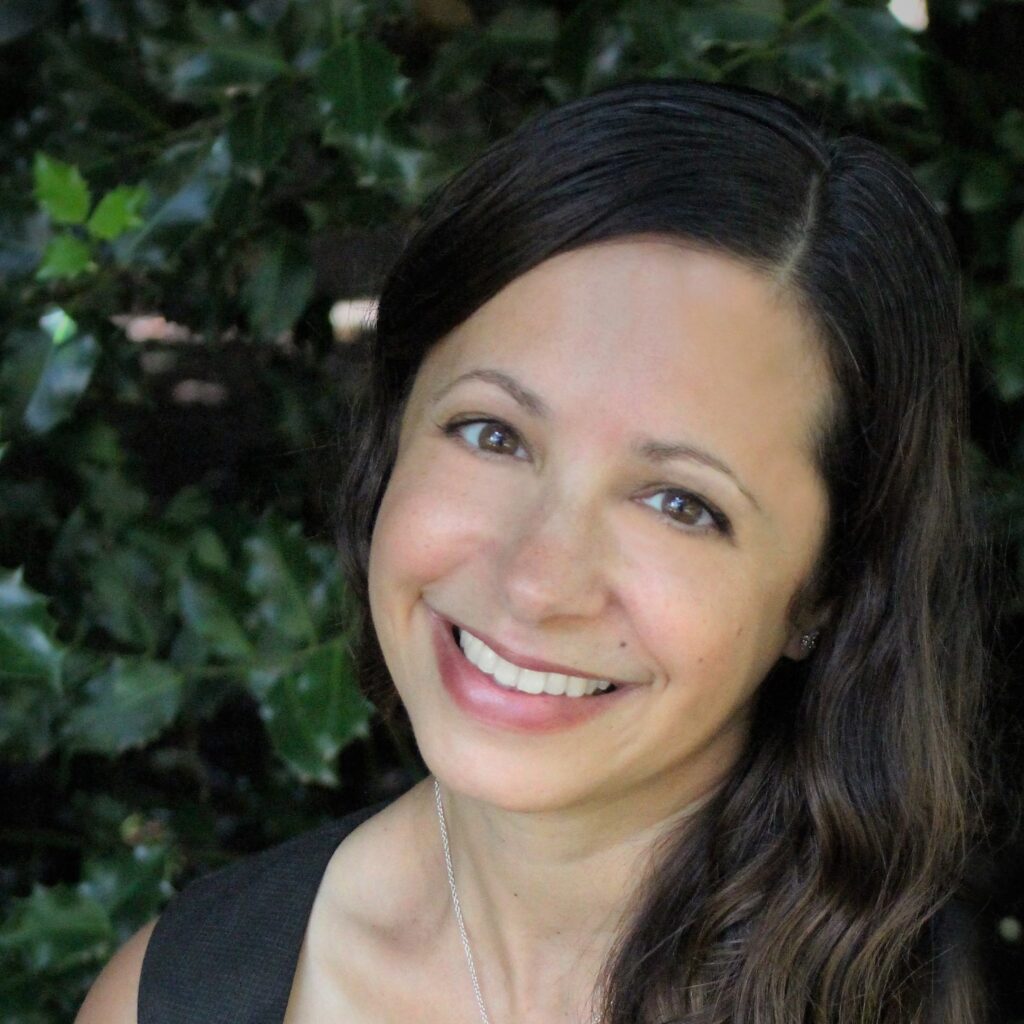
Kyle and Donna took a chance hiring me and welcomed me into their world of TL. Started me off with doing adverts which progressed to writing a few dining reviews, doing the odd TL cover, delivering the publication to outlets, and then the other BIG stuff, helping to establish House.Land.Home. which started off as an A5 stand-alone publication. Donna and Kyle worked tirelessly to launch this next phase of their business.
My contribution has seen some quiet times and very busy times. Lately it’s been a hive of activity with TL changing to a weekly publication and launching the refurbished website and business listing. It’s been great being part of this exciting next phase of the TL journey.
The community has embraced The Local as their information stream because it includes local people with local stories and local staff. It’s a win-win all round having this publication for the community.
Thank you, Donna and Kyle, for including me in your Local crew, it’s sure been a learning curve for me. Enjoy celebrating your 200th edition.
Words: Dianne Caithness
October 10th, 2020Kate Taylor rocking the look with her awards
I’d already met Donna and Kyle at a lunch at the Moorabool News and along with that paper’s editor Helen Tatchell, we had a couple of drinks and a right laugh. Happy days. Now? Time for me to pitch a story to them.
Essentially a pile of rocks, drystone walls were a tricky topic for Kyle to get a photo of to go with the story. So he got chatting to a local, which is how so many of our stories start out. He ended up turning it into his own story on the kind of mystic influence of Mt Franklin in the area and, just like that, we were two stories in to a five-story series that won the Feature Series of the Year category at the Rural Press Club Awards. From my nervous first pitch of a story on piles of rocks, I now get to put ‘award-winning journalist’ in my pitches.
I love the people stories, though. They’re my favourite to write. I loved interviewing Tonia Todman, because she’s an incredible woman. Actually, I got to interview 16 women as part of my ‘Inspiring Women’ series that I wrote after Donna and Kyle put in for a grant from the Judith Neilson Institute. I got to speak with Claire, from The Boathouse Restaurant, and she’s in my top-five list of people ever that I’ve admired. She’s awesome. And Millie, the beautiful artist and hell of a woman who I’m determined to have a wine and a laugh with as soon as the pandemic is over.
Also, I got to speak to Nicole Chvastek, on ABC Radio’s state-wide Drive program. I find myself turning into a bit of a bumbling groupie whenever I chat to her because she’s eye-wateringly smart. But if I’m ever going to be intimidated, it might as well be by Nicole. Twice we’ve chatted on-air – first about the award and then about the ‘Inspiring Women’ series – about the people stories that I love writing.
There was another award, too, which is very close to my heart – and even more so recently. The Rotary Club of Daylesford gave me the Employee of the Year Award a couple of years back and I was so excited. I even still remember where I was when I found out, the way people do with big world-changing events. Sadly, I was just cooking scrambled eggs with Carrie Bickmore on the telly in the background when they called to tell me. I was so excited.
And then. Oh, and then. Last month, one of my beautiful, amazing nieces sent me an email. The best email I’ve ever been sent. The body of the email read simply:
“Hi Auntie Kate,
We had to write about our role model at school and I chose you.”
Oh, little woman. I’m feeling the love.
She sent me her essay about how I inspire her, how she looks up to me because I’m blind and win awards. Donna had sent my sister a copy of the edition with the story of my award in it, with a pic of me on the front page. My niece put that photo in with her essay and sent it off to her teacher. It choked me up more than a bit.
I do love it when we get really nice feedback about The Local. And it feels great because sometimes it’s a bit of a challenge to fit in with deadlines, to stay up writing a story that really needs to be done and in the layout for the next day. But it’s a love, a passion. And it turns out that, in the end, every pile of rocks is worth it, for a good story.
Words: Kate Taylor
October 10th, 2020Nick and Lindsay, keeping the typos at bay
At some point in 2013, they mentioned to us their plan to start up a monthly independent news magazine – stories by and about local people, for residents and visitors to the Central Highlands. Sounds promising, we thought. Hope it goes well for them…
Then one day, Kyle appeared in front of us at the information centre counter and said, “Guys, would you mind taking a quick squiz through the proofs of our first issue and seeing if you spot any errors? Donna wants to feel sure Issue 1 is really schmick before we go to press”. Sure, we said. After all, an extra pair (or two) of eyes will always spot something that needs tweaking.
So here we are, some seven years and an incredible 200 issues later, still “taking a quick squiz” and ferreting out typoes. Sorry, that should be typo’s. Bugger it, I mean typos! We never rashly claim to achieve 100 per cent perfection, but always aim to ensure each issue is as “clean” as we can possibly get it.
Due to the enthusiastic response to Issue 1, the monthly publication was immediately upped to fortnightly (and more recently, weekly, to help keep people in touch during the pandemic). The A4 format was also quickly changed to tabloid size – there were just so many stories to cover.
It never ceases to amaze us that virtually everyone in the Central Highlands has an interesting story to tell, about their past or current life and experiences. Donna and her intrepid band of journos do an amazing job of scratching below the surface to uncover and relate these fascinating yarns. And we also really love reading the stories about historical happenings in our area, from the distant and not so distant past – some well-known, others which had virtually been forgotten over time.
In the early days, we would read through the proofs and then all meet up to review our suggested changes, which Donna would take back to the office and implement. But after a while we found it was more time-effective and accurate to do it all over the phone, us at home with the proofs in front of us, and Donna in TL HQ, making the changes then and there. This arrangement has stood us in good stead for 2020’s lockdown – with so many people now working from home.
We have developed an unofficial Local style manual over the years, too. British English spelling, not American English. Verandah, not veranda. Barbeque, not barbecue. Enquiry if it’s casual, inquiry if it’s official. That sort of stuff. We always joke with Donna that eventually, one of us will actually write all these “rules” down, instead of keeping them all in our heads…one day.
In early 2017, we decided to move to Ballarat. One of the first things Donna said when we told her was, “do you think you will you still be able to proof The Local?” Yes, we assured her. We enjoy it, and want to keep our fingers on the pulse of what’s happening in the Central Highlands. After all, we’re not leaving the area. We’ll just be down the road a little. And there’s a printer only a couple of blocks from our new home who’ll be able to run off the proofs for us.
So we’ve continued, without a hiccup. Every so often, we’re even allowed a holiday!
Well done Kyle and Donna, on the last seven years and an incredible 200 issues. We’re so proud to be part of Team Local. Here’s to the next 200!
Words: Nick Bunning & Lindsay Smith | Image: Contributed
October 10th, 2020Blizzards, ferret bites, all in a day’s work
As I was between major international advertising campaigns and glamorous fashion assignments I thought why the hell not, so sent an email to Kyle. Within minutes the phone rang, we negotiated a rate of about a slab of beer per job and I’m off on my first gig photographing a couple who had made the tree change from Melbourne.
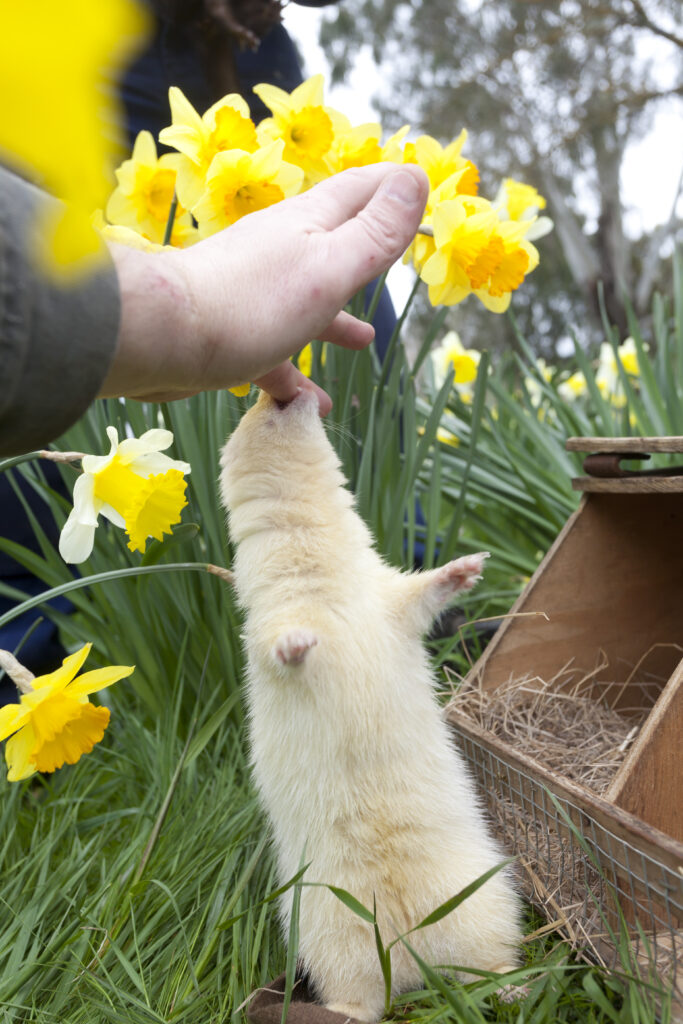
The next thing I know I’m in the back of a ute in the Daffodil Day parade, below. Over the past five years there have been many interesting and fun jobs. I’ve lost blood to a ferret, been caught in blizzards, stung by bees, worked with wonderful people and taken some shots I’m really proud of.
Congratulations to Donna and Kyle for 200 editions, surely there will be many more and I look forward to being involved in them.
Words: David White
October 10th, 2020When telling your story is such a joy
Perhaps it’s a yarn about a group of blokes who, in normal times, gather regularly at an old mate’s fairly remote and pretty basic home to swap yarns and offer cheer. Or it may be the dilemma of planning in a town where many fear development will mean a loss of precious character.
These are the sorts of stories, reported for The Local, which resonate. After working on a dozen or so newspapers in three countries, digging out yarns around the Central Highlands is a refreshing contrast. Where else can you spend hours at a magnificently eccentric Gold Rush village, authentically reproduced in the back blocks, right down to a bordello?
Or revel in the story of a sculptor and the 25 goats he and his French teacher partner milk each day, while running a foundation called the Goat Path (wrongly misheard because of accent difficulties and so unfortunately misreported as the Good Path).
Talking of sculptures, the American who raised his towering concrete and steel work with a 100-tonne crane to join scores of others at a private sculpture park at Porcupine Ridge stands out.
As does a Spring Hill horse trainer, whose ability to serenely have a handsome animal play dead and rear majestically provided a sense of awe.
It’s often been remarked that in a world of much media melancholy, the more positive approach of the 200-edition Local refreshes and stimulates.
A striking description of this role was offered by one expert: “The newspaper ties a region together, helps it make sense of itself, fosters a sense of community, serves as a village square whose boundaries transcend Facebook’s filter bubble.”
This summary, by Margaret Sullivan, media columnist for the Washington Post, encapsulates the ideal for papers great or tiny.
She writes this when across Australia, and much of the world, the sad sound of newspaper presses coming to a permanent halt as yet another voice of a community is shut down echoes a loss of scrutiny of local councils, courts, sporting bodies, indeed the lot. Studies find that the very act of taking part in the life of a community is eroded when a newspaper closes.
The Central Highlands is lucky that when the 160-year-old Advocate was shut by its remote owners, The Local had already taken on the challenge of providing an alternative to a profit-driven outfit. Having closed the Advocate, those owners went on to dispose of the press that printed the Ballarat Courier, and with it people skilled in their craft, with little likelihood of future work.
In other towns, local businesses have stepped up to reopen papers closed by similar chains. Canberra gave taxpayers’ dollars to help media organisations stay afloat, most of it to TV stations. Local papers got a pittance.
The slow, steady emergence from the COVID shutdown is already bringing more visitors here, and with them eventually comes the need to advertise the remarkable range of cafes and restaurants, shops and services. And so the lifeblood begins to flow.
There is no talk of a “new normal” for the news business because it has no need to switch from questioning, informing and entertaining. In spite of what may be called anti-social media, what you hold in your hands is invaluable.
And now an admission: when I was asked to write for this 200th edition, the suggestion was that I tell my story. I could recount meeting Donna and Kyle by arrangement in the Farmers Arms on a warm day when a cold beer was perfect. And following that with debriefings, and the occasional celebration, in the Radio Springs Hotel, but that might give a over-coloured picture of a task that can sometimes be hard yakka.
When you consider the risk those two were taking starting a paper with $600 in the bank and not drawing a wage for a couple of years, you get an inkling of how much they are owed by this community.
Talking of community, what makes my role such a pleasure is the seemingly endless parade of fascinating people, artists, writers, jewellery makers, enlightened primary producers, winemakers, crusaders, cranks and expatriates from an astonishing range of countries who call the Central Highlands home. They join families that stretch back generations to make a network now as diverse as it is deep-seated.
They’re all in our village square and we’re lucky to be here to tell their stories.
Words: Kevin Childs | Image: Kyle Barnes

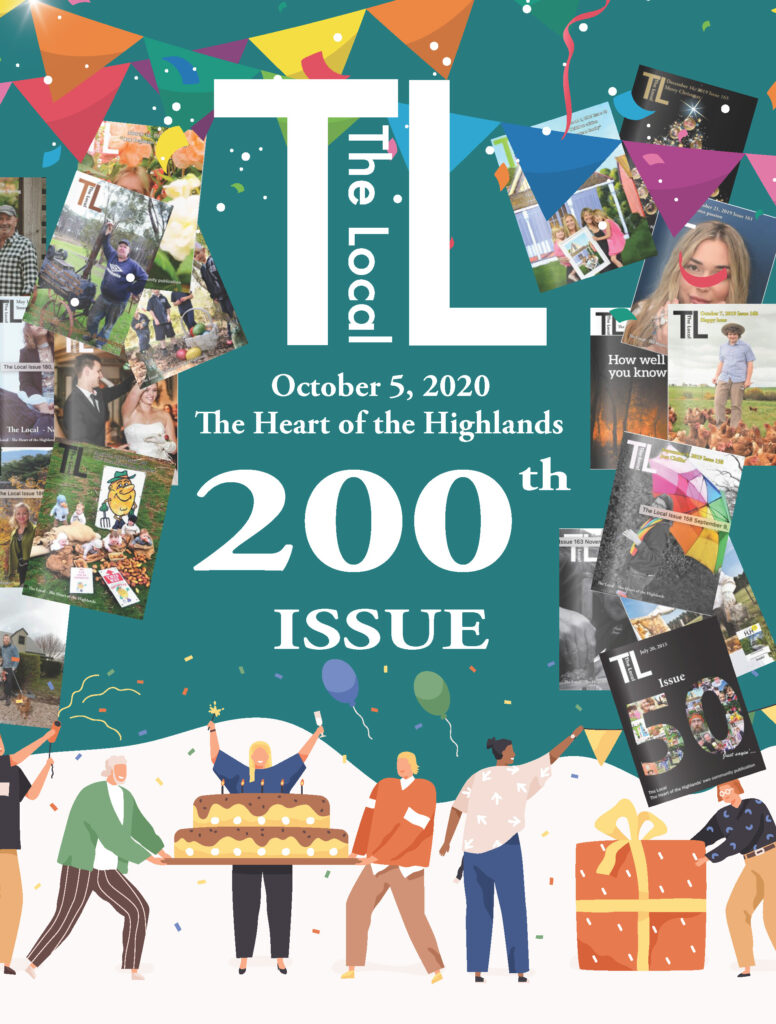
October 4th, 2020The Local celebrates its 200th edition
One day we were going along quite nicely, bringing out a fortnightly edition of The Local and enjoying life. The next we were weekly because we believed our Central Highlands communities needed good news and local news. That was back on March 23, our first weekly edition.
And here we are, on October 5, celebrating our 200th edition. If there had been no COVID-19, and none of us knew what social distancing was, or the best material for a mask, or that washing your hands for 20 seconds was the optimum to kill off a potentially deadly virus, we would have had to have waited until April 4, 2021 for this momentous occasion. (Of course, as proud as I am of what we have achieved with The Local, I would rather the latter.)
Anyway, you can only control so much, so this edition is about The Local and its wonderful crew and a thanks to the communities of our region for supporting it over the past seven years. It has been a hell of a ride, a lot of fun and we have created some great networks and connected communities.
I guess, as a journalist/editor, I am especially proud that The Local, while many other papers are closing, has managed to stay afloat and keep bringing out local news and good news. And that is down to a fantastic bunch of people, our crew, who have all joined us somewhere along the way, and been by our sides ever since.
At the height of the pandemic, and I know we are still finding our way through, we called everyone and broke the news that we couldn’t afford them. We would have to go it alone. “Stuff that,” they said. “We will keep working for you anyway.” Plenty of tears that night in gratitude for people who love The Local as much as we do. (Oh, we promised a kick-arse party one day soon.) There’s also a big thanks due to our amazing advertisers. If they could, they stayed with us; if they couldn’t they were up front and said they would be back. We know that, and love that!
Now, when we hit these milestones, you know, 100th, 150th…I like to drag out the story about how The Local got started. If you have already read that somewhere, skip the rest of this and go straight to the pages to read about our crew. Probably more interesting!
Anyway, it was 2013 and I was doing a bit of freelancing from home and Kyle was working part-time as a photographer with The Advocate. We were broke (a long story there – ill family member, paying rent in Queensland while living in Frankston while paying a mortgage in Glenlyon…) and pretty over it. Then someone said to Kyle: “You and Donna should start your own paper.” So we did.
We trailed around Daylesford with a crappy A4 mock-up and asked businesses if they would like to advertise in the space that said “your advert goes here” and some said they would.
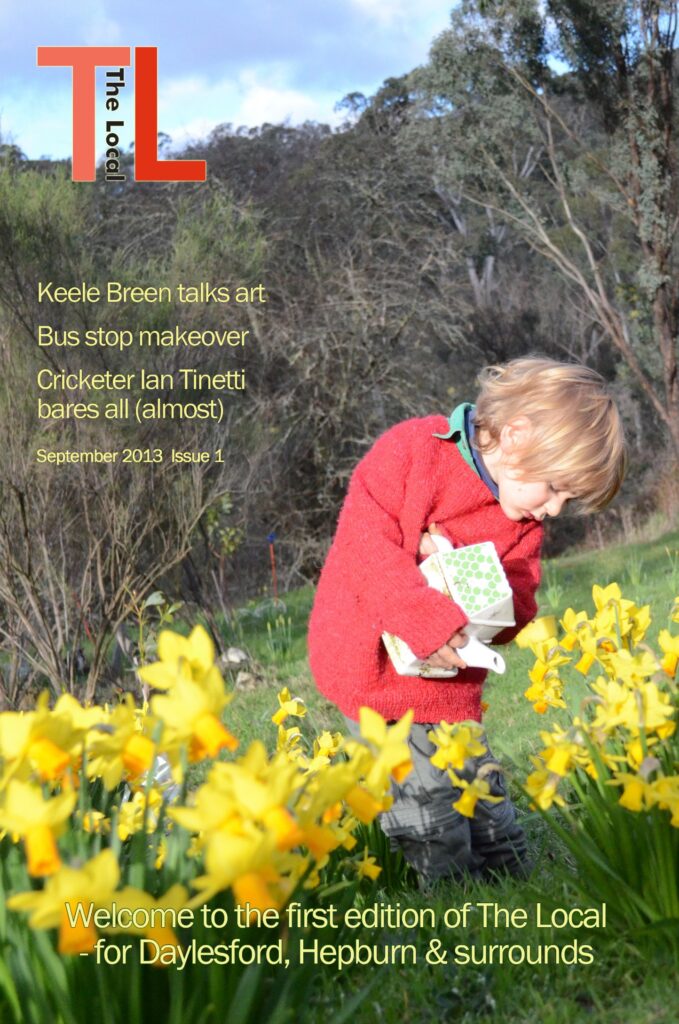
So we wrote a few stories and took a few photos and put them together, got graphic design advice from Glen (godfather) Heyne and, using $200 from a photography job that Kyle had on the side, we printed 500 20-page papers at Kyneton Copy. Somehow, it was a hit. We went from monthly to fortnightly immediately, Lindsay Smith and Nick Bunning joined the team, and we were away.
We now cover the Central Highlands, have award-winning crew members with us, and a distribution of about 13,000 in print and online. Oh, we have just launched a new interactive website – www.tlnews.com.au – where people can upload sports results, news snippets, gigs, and pretty much anything else, including adverts. That’s a whole new world and next up is our podcast.
I have worked on local papers – daily, weekly and in between – for 35 years, but I have never enjoyed a job so much. I can’t even say I go to work. I get to do what I have loved about journalism from day one. Sharing stories, connecting communities and working with a great group of people who love it as much as I do. Blessed!
Enjoy the edition! Roll on the next 200… Donna
October 4th, 2020Kyle’s Rant
There have been a couple of moves but we always seem to get drawn back. It’s sort of like the song Hotel California, you know you can checkout anytime you like, but you can never leave.
So after 200 editions I have been asked by the editor to talk about my time on The Local, to reflect on giving birth to those many newborns. Close friends, you can tune out now, you have heard the story, but for the rest of you buckle up as we take an amble down memory lane.
It all started innocently enough I suppose. Eight years ago I was working as a photographer at The Advocate where one of my highlights was when the editor approached me to take a photo of the newly-completed roundabout between Dean and Ballarat. I mean, that is why you have a photographer on staff, to run around and take photos of road furniture. So that was one of the moments that tipped me into the forward motion that has become The Local.
The other was my many hours doing nothing at the desk waiting for something to happen and asking head office if I was allowed to at least pen a couple of briefs (small stories), but NO was the answer. “That would be tantamount to demarcation.”
The final straw was a great photo I took running in The Advocate the size of a postage stamp up the back of the paper where they say in the trade “the elephants go to die”. This particular photo went on to win a people’s choice award in an art gallery competition.
So you can see, I was not a happy chappy back in the winter of 2013. Donna and I kicked The Local off on September 2, 2013 but it is now a lot bigger than us. We have picked up a lot of talented folks along the way who have stuck by us through thick and pandemic.
Our paper has been an amazing launching pad into other media areas including our area’s own real estate platform House.Land.Home. which is not only in print but will also be hosting local properties for sale within a couple of weeks on our website. Another product that was born from The Local was our tourist offering The Little Local. So what’s next?
Well, that’s a podcast for everyone who is too busy to read the paper. Walking around wired for sound or driving a car you will be able to listen to our feature story interviews and all this by the end of October. Personally, I have grown and away from the paper I have been able to write and photograph published pieces including my latest 11-page offering in TradeABoat (pornography for boaties). Which really makes me reflect on that solid NO I was given to the question eight years ago when I asked if I could do a couple of briefs.
I guess, on reflection, The Local has been the best chapter of my life, to create something like this from nothing, having no plan, no corporate identity or branding strategy. And to gather up the people who help to make it on the way, meet the beautiful folks who support our products by way of advertising or sharing their yarns and have the privilege of living in the Central Highlands.
God I am tired – 200th reflective rant over…
October 4th, 2020Just sayin’…
Glen Heyne, our now gardening, man about the house, writer was on the board of the Daylesford Community Bank and Kyle chatted to him about us starting The Local. Glen, a very community-minded person, was keen and got us our first corporate advert. He also gave us a lot of graphic design help.
Nick Bunning and Lindsay Smith knew Kyle from the info centre at Daylesford. They are amazing proofreaders and read our first edition for us back in September 2013. Then they just kept reading. I think it was about a year before we thought it might be nice to actually pay them something.
Dianne Caithness emailed out of the blue asking if we had any graphic design work available and that she just wanted the experience, not money. We said the clients would pay her, and they did, very happily for her amazing talent.
Kate Taylor was writing for the Moorabool News and we were invited to their Christmas party in Ballan and met her. We clicked over wines and later hilarious emails and just love her amazing take on the world. When she had her baby Bella, she said the worse experience was the “explosive poo”. Kate is blind. Think about it…
Jeff Glorfeld and his wife Carol were regulars, like us, at the Radio Springs Hotel and Glenlyon General Store, and we chatted away about his editing work at The Age. The offer to write for us now and again was quickly taken up. Even now, living in America, Jeff will still put pen to paper, or fingers to keyboard.
Kevin Childs sent me an email asking if he could write for us. Hmmm, I thought. That name seems familiar. And of course Google brought up The Age, Saturday Paper, The Guardian and myriad books. I wrote back and explained The Local was “down here” and he was “up there” but luckily for us he ignored me and joined the crew.
David White saw an ad and called us looking for work but like Kevin, we soon realised we were in the realms of genius. David’s photography is amazing, he even still uses film here and there, and he is not scared of getting in and having a go. Even when a ferret latched onto his hand at Kyneton. Ouch.
Indre Kisonas started writing design columns for us after someone mentioned her name. She is a fantastic writer, with a great eye for design, but best of all she found us an affordable upholsterer who has just finished mid-century chairs and a couch for us – and they are fabulous!
Glenn Robinson came highly recommended by former RACV Royal Auto magazine cartoonist George Haddon. We found an old cartoon George had done of the geese at Lake Daylesford and asked if he would like to draw for us. He said no, but Glenn said yes. And he is pretty much the ying to Kyle’s column’s yang.
Julie Hanson runs her advert in The Local’s classified section so when we needed an accounts person she was a given. She also keeps us in the know about golf at Trentham and her husband Phil is a dab hand at sausage sizzling, which we found out when we held a fundraiser for the Woodend CFA a couple of years back.
Tony Sawrey came to us as a writer with an eye for quirk and photography which has led to some terrific yarns. He is also the friendly face, albeit covered by a mask these days, behind the delivery of The Local and The Little Local and keeps a keen eye on distribution and our baskets, which really, are our shopfront.
Tanya Loos approached us offering her wonderful Nature’s Diary column, already well read from appearing in another newspaper, but taken to the next level and given the room to breathe it needs in The Local.
Finally, Matt Richardson has been our accountant for many years. He came recommended by a Ballarat friend and we have never looked back. Throughout COVID he has been a great ally and always supportive as we ducked and weaved.
Yes, there have been a few other people in the crew who have moved on for different reasons. Danni decided camels and Alice Springs were more exciting and Paul headed to Tasmania with his expanding family.
But everyone has played a part and I would like to take this opportunity to thank all of our crew over the years for their support, hard work and friendship. It’s been a privilege to work with you all – and connect our community.
Really finally, thanks to my late mum Betty. She was The Local’s number one supporter. True, she would sometimes read the copies I posted and call to complain and that she was going to kill Kyle for something about her in his rant, but she was really very proud of what we were achieving.
Two hundred editions. It is a lot to look back over. And a huge thanks to everyone including our readers and advertisers. We certainly didn’t do it alone.
Just sayin’…