


October 1st, 2023Wine notes
with Clive Hartley
Myth busters
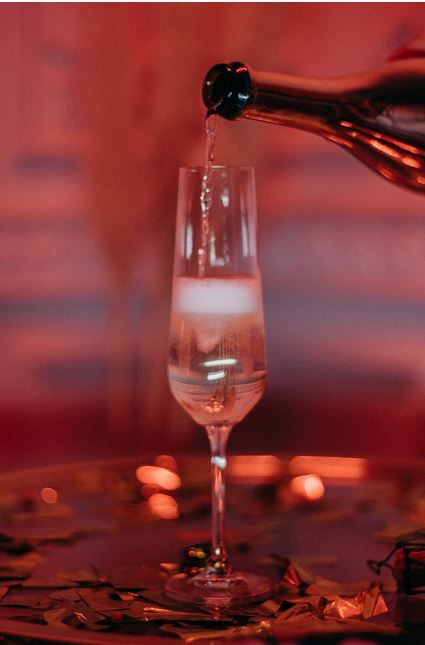
Researching champagne provides an opportunity to explore a rich history, a fascinating production process and, of course, to drink a glass of stars.
It is not surprising then that the library of books on the subject continues to grow year after year. On that point, I recently had the opportunity to spend an evening with Oxford wine historian Dr Graham Harding. He has just published a book looking at the history of champagne in England entitled Champagne in Britain, 1800-1914: How the British Transformed a French Luxury, which picked up the 2022 International Organisation of Vine and Wine award, an authoritative source on the industry.
The evening was an opportunity to fact check my knowledge with an expert and talk whilst enjoying of few bottles of impressive wines including a 21-year-old Dom Perignon. This brought up the first myth. Dom Perignon was not the inventor of the sparkling wine. He was a great blender of still wine and regarded the sparkle as a fault.
The first scientific research into sparkling wine was recorded by an Englishman, Sir Christopher Merrett, who presented a paper to the Royal Society in 1662 where he documented the effects of adding sugar to wine to create a sparkle. Another well-told myth about champagne is the occasion when it was drunk out of a slipper which was then cooked and eaten. Graham filled in the details explaining it was King Louis XV’s lover Mary or Marie-Louise O’Murphy and the year was 1752.
I once spent an afternoon tasting all the major non-vintage champagnes available in Australia. Why? Well, non-vintage (NV), whilst being the cheapest entry level wine, is also the hardest to make and maintain the style and quality through vintage variations. It is a blend of young wine with older reserve wine to achieve a consistent ‘house’ style which historically Pommery Champagne was the first to promote.
Some NVs are very light and lean driven by apple and citrus aromas, whilst others are more robust and heavy with plenty autolytic flavours such as yeast, bread dough or brioche. My favourites have these distinct flavours as well as elegance. My favourites are Louis Roederer, Taittinger and Bollinger. And for a little less, try Veuve Monsigny, Premier Cru from Aldi, it is reasonable stuff.
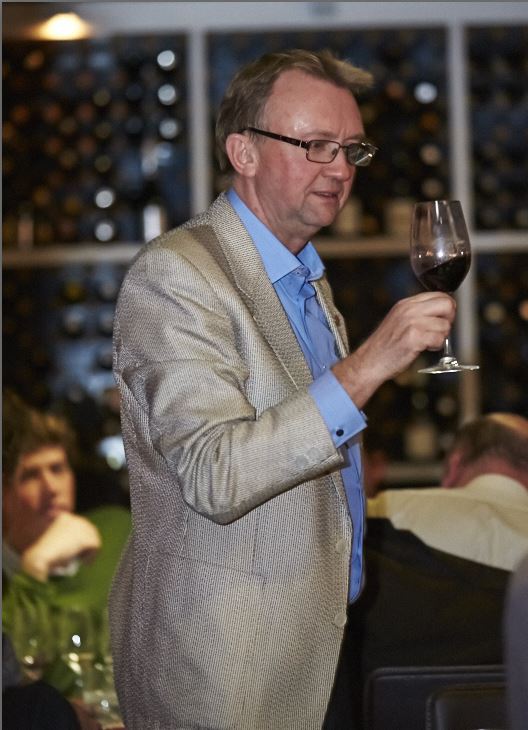
Clive Hartley is an award-winning wine writer, educator and consultant. Want to learn more
about wine? Try his Australian Wine Guide (7th ed) now available for purchase from Paradise
Books in Daylesford or via his website – www.australianwineguide.com.au

October 1st, 2023Kyle’s Rant

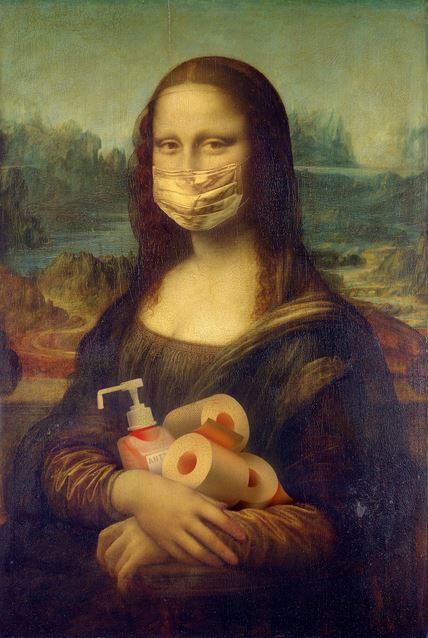
Initially I thought when the pandemic came into our worlds in March of 2020, it would leave by the end of that year.
In fact we had our first-ever virtual meeting with some of the representatives from Google at that same time, we had never talked to the good folks over there before.
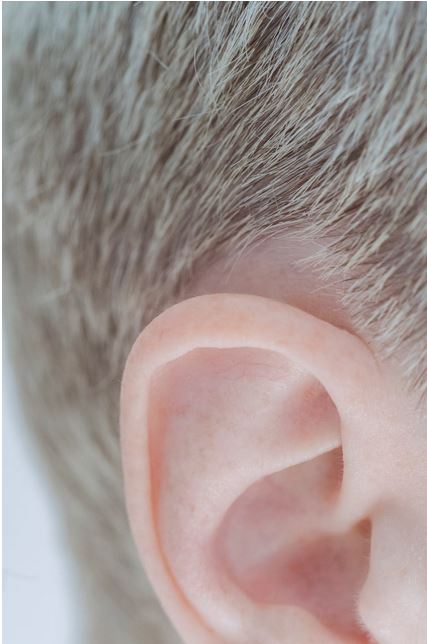
I was sent a link to the meeting which of course was a Google Meet due to the people we were talking to, and I tried to dial into the meeting on my mobile phone and all they got was a look at the inside of my ear for the first few minutes.
At the time we were helping the Victorian Country Press Association to organise a Google News Showcase event, and it was an indelible comment which came from Donna which set the tone. “God, if this thing is still around in November, we will all be f$#%ed.”
And “this thing”, the Covid bug went on to prove that we humans are a pretty resilient and resourceful lot. We all went on to perfect the art of the online meeting – albeit with lots of online meeting bloopers, from children running into shot, background filters of palm- fringed beaches and people not realising they had left their video link on while going to the loo.
The most hilarious blooper for me was a guy in America in an online court appearance with a cat face filter. He tried to convince the judge that “I’m not a cat” in his southern drawl accent. Anyway I dug it up and here is the QR code to it, it’s the video that keeps on giving.

But I digress. My point to all this is that Covid kind of petered away, sort of but not really. It is still around. We do have amazing protections from it and it is more like the flu these days but I foolishly thought there would be dancing in the streets like the scene when WWII was announced as over.
You know – the Melbourne tram car adorned with streamers and the guy skipping up the road in front of it and all-night parties.
But dragging myself in for what is my sixth and probably my last spring Covid shot, I am not sure what actually happened in that blur of three years.
A lot of people we know are still wearing masks when shopping, I still use buckets of sanitiser, am not keen on the handshake and only itch my face with the back of my hand. And there has been no celebration or occasion to mark the end of this life-changing, and sometimes life-snuffing, bug.
We seem to want commemorations for everything else in life, good, bad or indifferent, and with the pandemic are just left to be rudderless and best guess ourselves what’s going on.
My point is that when this all started in March of 2020 we followed the adults’ directions to lockdown and stay safe or face fines, gaol or death.
Now I would just like one adult/politician to say “yes, it is all over, burn your mask, kiss strangers and lick doorknobs if that’s what takes your fancy”. But crickets. Is Covid over? rant over…


October 1st, 2023Just sayin’…

By Donna Kelly
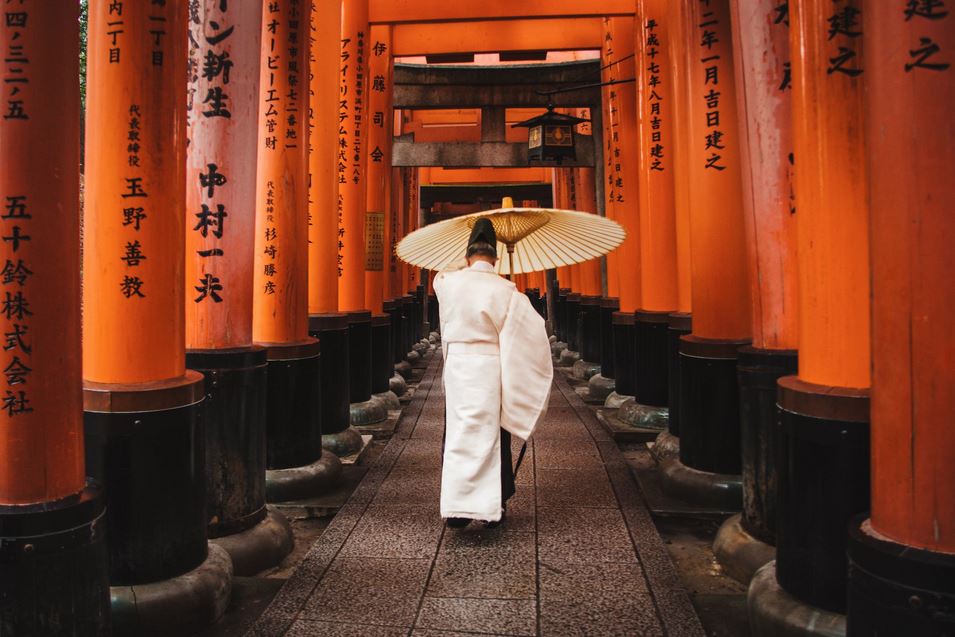
Konnichi wa. Finally heading back to Japan after quite a few years away. Well, not until April but time does fly.
I reckon it’s been a good five years – with Covid mixed up in there – since I last arrived in the land of the Rising Sun and I really miss it.
I lived in Japan for about three years in my early 20s and just fell in love with the place. I would call it my spiritual home but I am not sure if you are allowed to say that now. You can’t say you have a spiritual animal – only indigenous people can claim that, or so I believe.
I don’t know if this will still happen but the first hint of being “home” is the smell of cigarette smoke in the airport. Yes, inside the airport. Japan must be, or was, the last bastion of smoking inside. Now I don’t like cigarette smoke but it just triggers something. As I said, that home feeling.
Then there are the people. Love them. They know how to have a good time, are friendly and always ready to offer directions, a random umbrella or something from their home you have mentioned you like. I found that one out the hard way.
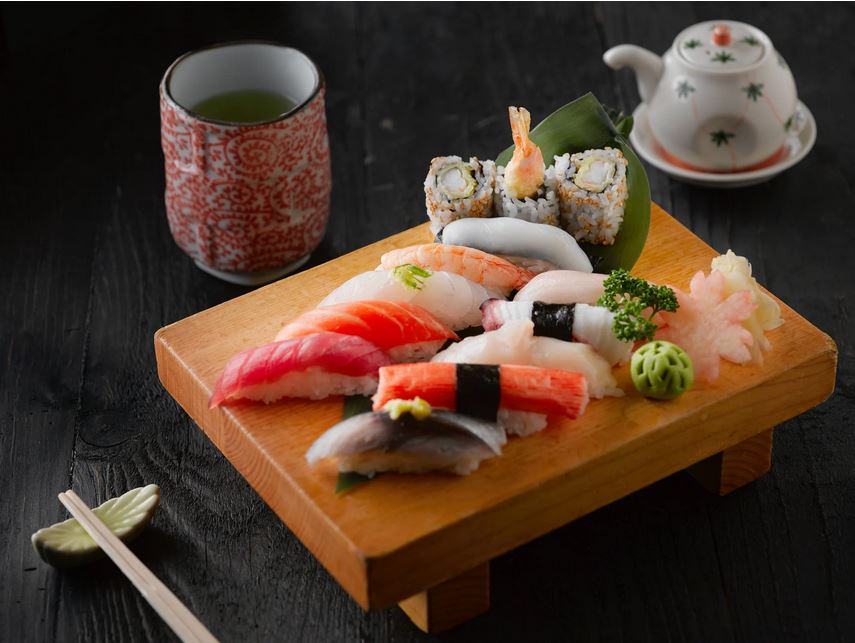
Oh, next is food. I know a lot of people who think Japanese food is all about raw fish but it is so much more than that. Soft, white bread sandwiches with no nutritional value at all, iced coffees so cold you get an ice-cream headache and so many things on sticks. Stick foods are so underrated. And if you really want to try a few different things, head to the basement of your local supermarket. Lots of free snacks to tempt you.
Then there’s the booze. Asahi Super Dry is my beer of choice but I don’t mind a nice cold Sapporo either. Tried a lot of them when I visited the Sapporo factory in Hokkaido many years ago. And the sake. One-Cup Sake is a wonderful invention – the perfect size and it just heats itself up somehow. (Even though drinking hot sake is a little gauche these days…) Once, again, head to your local department store but go up to the roof for an affordable beer hall. Like a year-round Oktoberfest.
Accommodation could be a bit hit and miss in the old days but now it’s all pretty modern unless you choose a ryokan or inn for the experience. Do that and you will probably find yourself sleeping on a futon mattress on a tatami floor and exercising your thigh muscles over a squat toilet. But all good fun. Well, the squat toilet on the shinkansen (bullet train) was interesting. Trains do move side to side quite a bit.
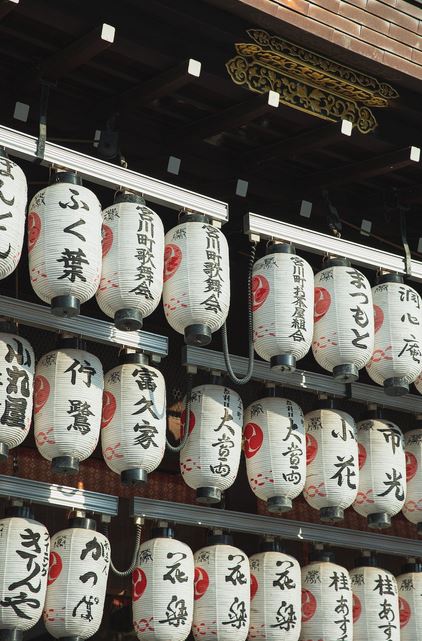
This time, to shake things up a bit, Kyle and I are taking our 13-year-old grand-nephew from New Zealand. Hmmm. Here’s the short version. The nephew came out to visit last autumn, on his own, and we hit it off. All three and then one night Kyle went to bed a bit early and the nephew and I stayed up a bit later, chatting. I may have had a glass of wine, or two. And I asked innocently where he would most
like to travel and he said “Japan”. And I said “we can take you” and he said “great”.
And while I forgot about the conversation the next thing we had the call from New Zealand about how excited he was to be going to Japan with his aunt and uncle.
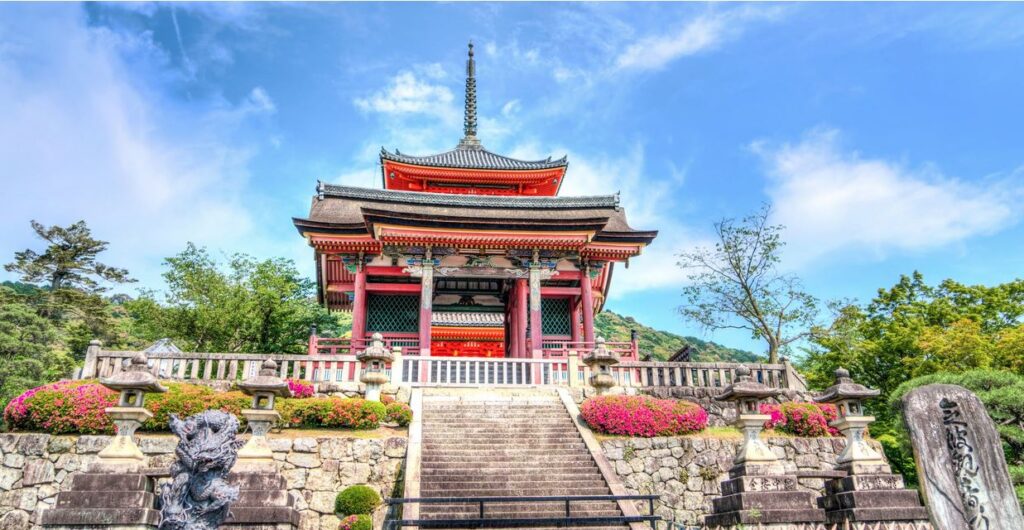
Oh well. Just a few extra fares. And I do think it is going to be a lot of fun introducing a teenager to a whole new culture. And he’s still a really nice teenager – no angst happening yet. So all will be well. We are going to start some Facetiming early next year to get him and Kyle up to speed with a few Japanese phrases. Konnichi wa (hello), oyaho (good morning) and arigato (thank you). Kyle already has beeru ippon kudasai (one beer please) followed after a few by o’terai wa dochira desu ka (where is the toilet?) down pat.
Honto ni, tanoshimi ni shiteimasu. Just sayin’…

September 30th, 2023Varroa mite focus switches to management as eradication hopes dashed
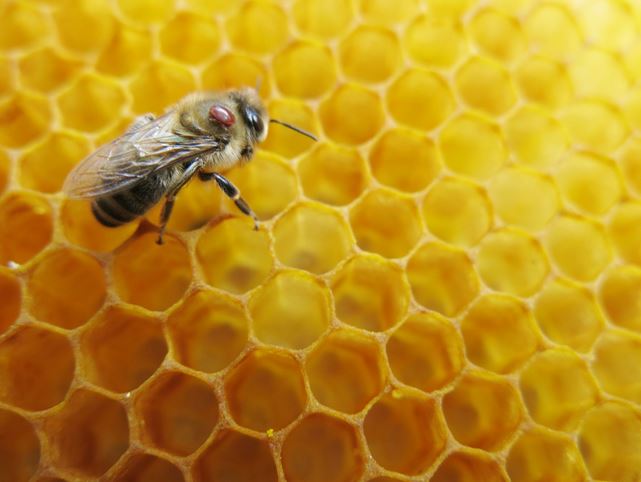
Local apiarists remain on high alert for any sign of the dreaded varroa destructor mite after Agriculture Victoria conceded in recent days that it will now transition its emergency response to a management phase for Varroa mite.
Victoria’s Chief Plant Health Officer Dr Rosa Crnov said the NSW Varroa mite outbreak was no longer technically feasible to eradicate.
“Victoria remains free of Varroa mite, and under the Transition to Management program the focus will be on slowing the spread of Varroa and ensuring our industries are prepared and supported for its arrival,” Dr Crnov said.
Varroa mite is a parasite of adult honey bees and honey bee brood. It weakens and kills honey bee colonies and can also transmit honey bee viruses.
September 30th, 2023Your Say: National park, not state park
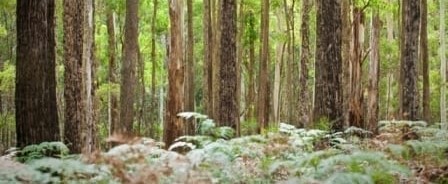
I was very concerned when I read the article “Wombat State Park on its way, finally” in The Local (Edition 288, September 11, 2023). The promised park is the Wombat-Lerderderg National Park, not a state park. In 2010 Wombat Forestcare launched a campaign for the Wombat Forest to be protected as a state park.
However, in 2019, the Victorian Environmental Assessment Council (VEAC) recommended that the
Wombat Forest become a combination of national, regional and conservation parks. The Victorian
government has accepted most of the recommendations.
In most of the coupes at Babbington Hill nearly every large log from the wind fallen trees has been salvaged. This is not “every tree removed, beginning with 8000 square metres at Babbington”. However, a 2-acre log landing was created and that did involve the removal of all standing trees.
I have no idea where the information that VEAC set up three storm recovery meetings at Blackwood, Bullarto and Barkstead came from. These meetings were organised by DEECA to inform the public about firewood coupes and other storm recovery works.
It is two years, not 20, since the Victorian government undertook to create the Wombat- Lerderderg National Park. The state government has allocated $4M to survey the boundaries and the work is progressing.
From: Gayle Osborne, Convenor, Wombat Forestcare
(Editor’s Note: This letter has been edited for space. The article was based on information supplied.)
Letters to the editor are always welcome. Email news@tlnews.com.au Any addressed Dear Sir will be deleted. You know why 🙂
September 30th, 2023De-sexing clinic for cats in the ‘maine this Sunday
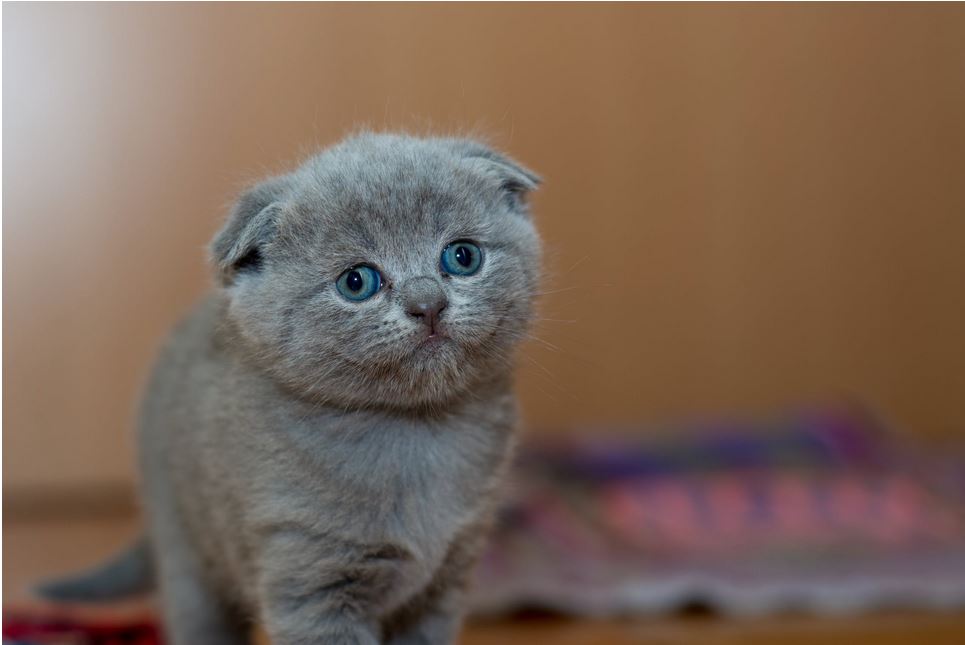
The Regional Community Vet Clinic will hold a cat de-sexing clinic this Sunday, October 1 in Castlemaine.
De-sexing is offered to cats whose owners who receive government assistance or hold a valid concession or health care card.
If possible a donation of $30 (male) or $50 (female) is appreciated. Bookings can be made on
0493 447 394. Donations: www.rcvc.org.au/donate/
September 30th, 2023Little gallery raises tidy sum for local centre
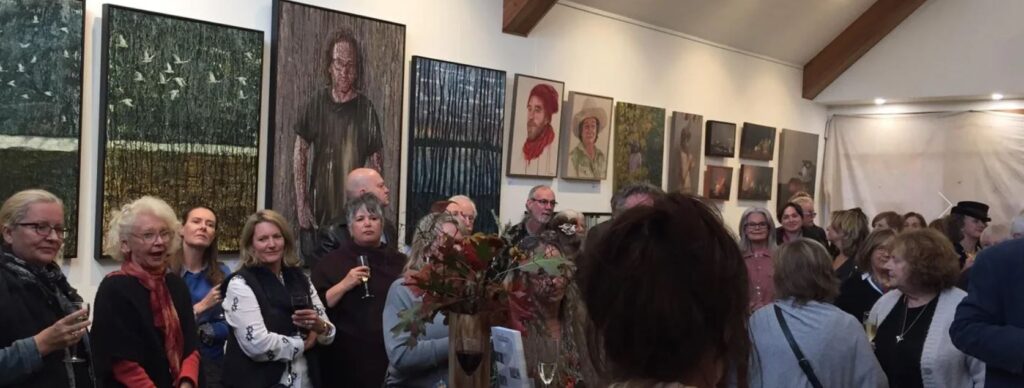
Trentham’s Little Gallery Winter Show held in July has this year raised more than $5000 which will be donated to the Trentham Neighbourhood Centre.
The Little Gallery, in Trentham, is a not-for-profit, artist run co-operative, that hosts the Winter Show as an annual fundraising exhibition to gather and strengthen community connection.
The local gallery’s purpose is to showcase new and emerging artists along side mid career and established Artists.
It was established in 2012 and sought to provide a venue for locals and tourist to connect with local art and artists.
September 29th, 2023Rex a ‘$5.647 million loss’: council reports
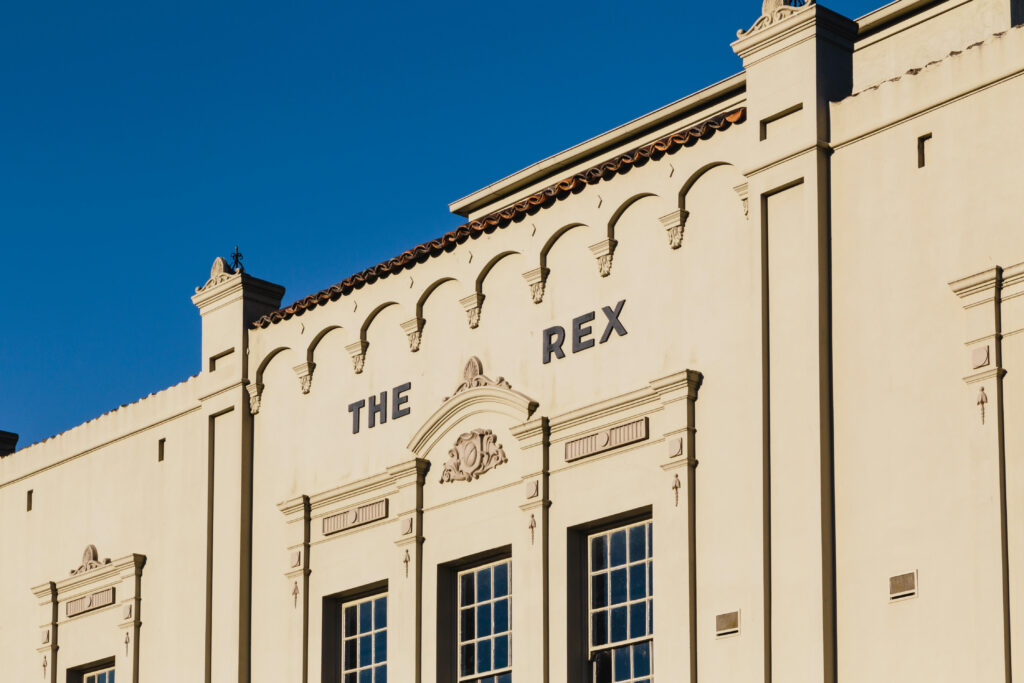
The buying and selling of The Rex building in Daylesford resulted in a cash loss for the project of $5.647 million, Hepburn Shire Council reports show.
The building was bought in 2016 for $6.345 million and sold for $3.735 million in 2021. The total expenditure on the project was $9.382 million. The sale proceeds were used to repay the $1.5 million
loan associated with the purchase, and the remaining balance of $2.1 million was used to create a reserve to assist with funding Birch Ward community facilities and council staff accommodation.
The Local has contacted the Local Government Inspectorate to ask if the report into the Hepburn Shire Council and the purchase of The Rex building in Daylesford was going to be released soon.
A spokesperson replied via email. “Thank you for your enquiry. Unfortunately, we are unable to share any information at this time.” The investigation into the issue started over four years ago.
September 29th, 2023Daylesford planning application understood to be for ‘The Block’
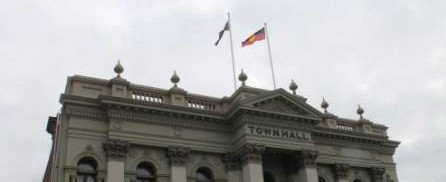
A planning application for five houses at 1 Raglan Street, Daylesford, understood to be for television show The Block, will go before Hepburn Shire Council at its October 17 meeting.
Mayor Cr Brian Hood said after an extensive process the council approved a planning permit for the subdivision in April 2023.
“A very small number of objectors to the subdivision subsequently sought to challenge the decision at VCAT. The developer then applied for the matter to be considered for an accelerated determination by the Planning Minister,” Cr Hood said.
“Council is looking forward to understanding the economic and social benefits that the television show may bring to the shire and is still very much interested in having those conversations.”
September 29th, 2023Unearth some fine wine in Daylesford this Saturday

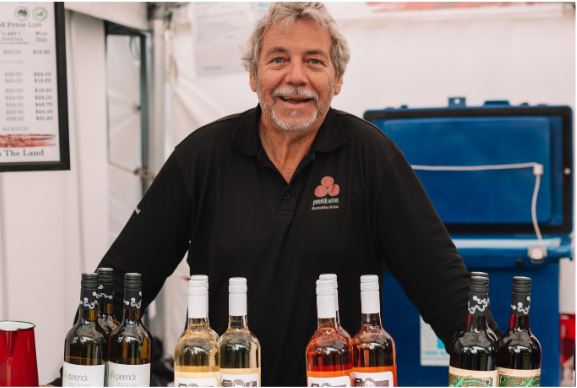
With the Pyrenees Unearthed Festival now a must-attend annual event for many wine lovers, the region’s wineries are taking the festival to the road.
The Daylesford Town Hall will host the Pyrenees Wine Region’s best winemakers over two sessions tomorrow, Saturday, September 30.
Fifteen wineries will be in attendance on the day, each presenting a series of highly regarded wines for tasting. This offering promises to encompass a diverse range of styles from both famous brands and lesser-known producers.
For those interested in learning a little more about the intricacies behind each wine the event also has opportunities for guests to speak directly with the makers. The two three-hour sessions are accompanied by live music from The Brothers Bishop.
Tickets for both the afternoon and evening sessions – priced at $25 plus booking fee – are on sale now and include a souvenir wine glass and carry bag. The afternoon session runs from 1pm to 4pm and the evening session is from 5pm to 8pm. More details: www.pyreneesunearthedfestival.com.au
September 29th, 2023Communication the key to Swift Conveyancing
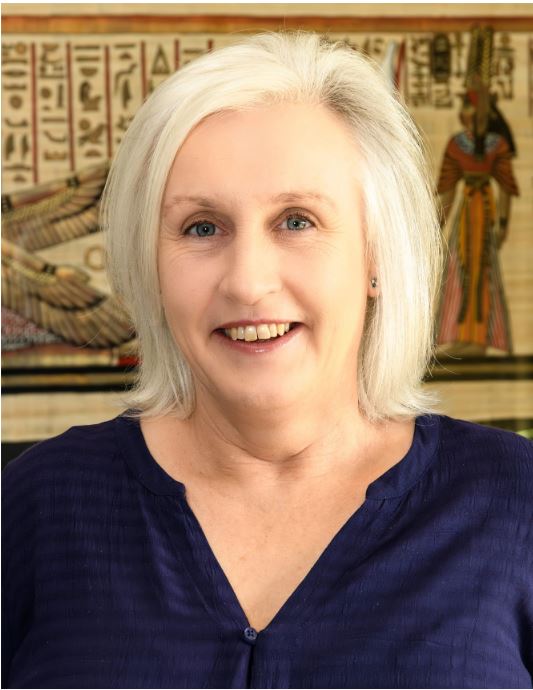
Daylesford’s Kirstie Swift got into property conveyancing in quite a surprising way.
She had been working in a completely different field, at Castlemaine’s Loddon prison, when she broke her leg. As a result she was forced to take time off work for several months and in that time a friend encouraged her to do a real estate course.
While the sales aspect of real estate wasn’t quite Kirstie’s cup of tea, she soon discovered that property conveyancing did appeal.
The enterprising local used her enforced time off ultra productively, completing an Advanced Diploma of Conveyancy online while recuperating. After that she swiftly secured new work in law firms in Ballarat and thoroughly enjoyed it.
In April this year the licenced conveyancer took another big step, launching out with her own Daylesford-based business, Swift Conveyancing, specialising in residential and farming property.
Swift is a name that not only happens to be Kirstie’s surname, but also bodes well for those in need of the timely legal transfer of property ownership.
“Settlement on time is what we’re aiming towards,” says Kirstie who, beyond her professional working life, also happens to be extremely well travelled.
She’s originally from New Zealand but has also lived in various parts of the world including the UK and Thailand where she previously worked as a dive instructor.
“My role is to keep the conveyancy procedure on track. I like to make sure my clients fully understand what’s going on,” she says.
It’s an interesting time in real estate right now, but some things remain constant, and the need for good communication throughout the conveyancy process is one of them, Kirstie firmly believes.
She particularly appreciates that the legal transfer of property from one party to another can be “one of the most stressful times in people’s lives”.
To help ease the stress element and ensure a smooth process, one of Kirstie’s main aims is to be really approachable for her clients, and while it’s all very much an electronic process these days, Kirstie makes sure she’s readily available to visit and chat to clients in their own homes should they wish.
“My aim is to be approachable so my clients know that if they have any questions they can just phone me, email me straight away.”
Words: Eve Lamb.
September 28th, 2023Clopping on: continuing the Clydesdale tradition

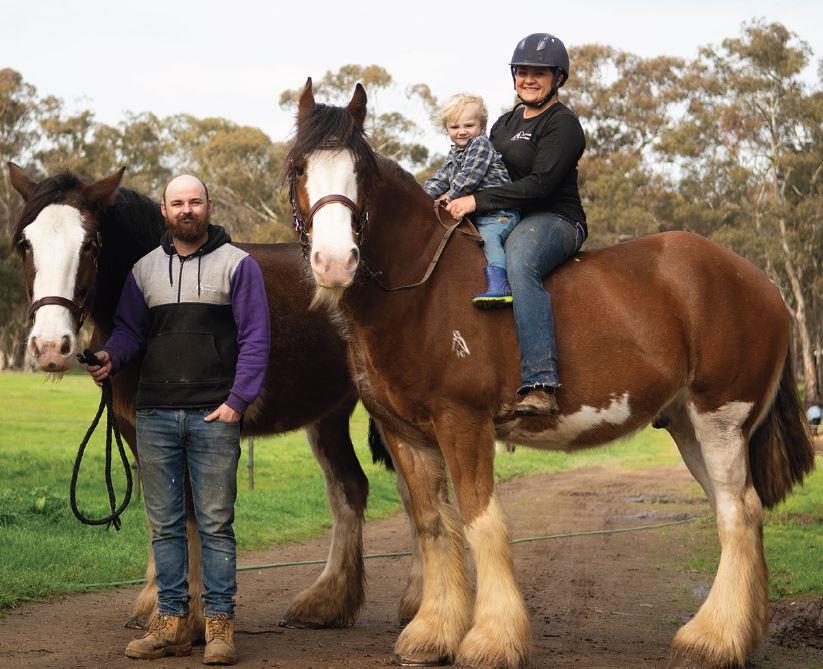
The early development of Australia from its roads to farms would hardly have been possible without the contribution of heavy horses.
They were the trucks and tractors in the time before mechanisation took over, and the most well known of these hard working creatures was the Clydesdale. And despite their size they are considered one of the most docile of horse breeds, with a kind temperament.
However, compared to other breeds such as stock horses or thoroughbreds which are foaled in the hundreds every year, there are comparatively few Clydesdales. Their numbers plummeted after WWI and while there has been a resurgence over the last few decades, there are less than 3000 registered animals in Australia and maybe 10,000 worldwide.
With such a small gene pool, as a breed they were once considered vulnerable to extinction. But that is not going to happen anytime soon thanks to the work of horse people such as Matthew and Jaimie Thompson of Sandy Creek Clydesdales outside of Maldon.
“We have been slowly building up our breeding program since we established the stud in 2014,” says
Matthew, “and we hope to produce seven foals (all registered) this year all of which will be broken in and trained for both riding and harness.”
Matthew and Jaimie’s stud sits on 25 hectares outside of Maldon where they currently run over 20
horses including their stallion Sandy Creek Albert, seven brood mares and an array of colts and fillies.
They share all the day-to-day chores on the farm and training duties and their operation is part of the Commonwealth Clydesdale Horse Society of Australia (established 1918). And, along with their children Hunter, pictured above with his parents, and Billie, the young couple are making a mark in the small specialist world of Australian Clydesdales.
“We have always wanted to improve on the qualities of the horses we have,” says Jaimie. “We will keep all the fillies we produce and we are transitioning to breaking in more of our own horses and suitably matching them to future owners. Over the next eight years we will be building stables and looking at buying another block of land to grow feed.”
The Clydesdale breed was founded in the early 18th century in Scotland when two breeders, John Paterson of Lochlyoch and Scottish peer James Hamilton, imported Flemish stallions and mated them with native draught mares in the Clyde Valley. From these beginnings thousands of Clydesdales were exported to many countries of the world and were known here as the horse that built Australia.
At Sandy Creek Clydesdales they are keeping this history alive, maintaining their traditional role under harness as a work horse.
Matthew is an experienced blacksmith and heavy fabrication engineer and makes and repairs all forms of carriages which allows him to bring the horses out for all sorts of events from weddings to historical displays. However Jaimie is quick to point out that the breed is highly suitable for other tasks
“Riding is actually where the Clydesdales are going. Because these days not everyone is like a farmer who needs eight horses to serve as a tractor. Today most buyers just want one or two. They are used to do dressage, jumping and at Melbourne Royal they have the heavy horse ridden classes. Also Clydie crosses are frequently used as bronc horses in rodeo competitions.”
As the weather finally grows a little warmer this month, Matthew and Jaimie have a very hectic schedule to juggle including clinics, carriage hires and a lot of travelling.
“Our schedule turns pretty chaotic,” says Jaimie. “We are off to Victor Harbour in South Australia to assist with their horsedrawn tram and have Melbourne Royal Show coming up.
“We are competing there but also have Clydesdale and blacksmithing displays going on for the whole 11 days. After that we are off to the Elmore field days doing cart rides then to Nhill in Western Victoria. Then there are weddings in between with the horses and carriages as well as breaking in for outside clients.”
Words & image: Tony Sawrey

September 28th, 2023Artists of the Central Highlands
With Eve Lamb
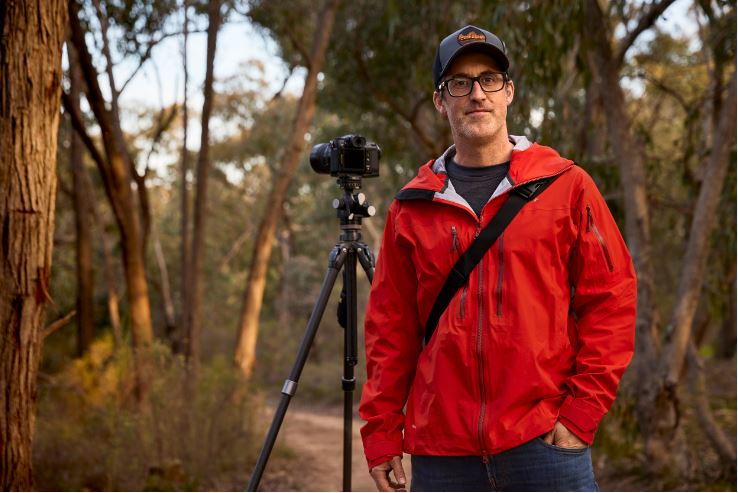
Renown for his photographic landscape studies and creation of gaze-grabbing images in the commercial realm, acclaimed Hepburn based photographer David Rosendale enjoys an ongoing love-affair with light and its transformative role in image-making. He currently has an exhibition taking place at Eastern Peake Winery Cellar Door, Coghills Creek as part of the wider Ballarat Foto Biennale happening now through to October 22.
Eve: Hi Dave. I’ll start by asking you how you initially found your way to becoming a pro photographer?
Dave: The first connection was in primary school in Melbourne. My parents had a bookshelf completely devoted to National Geographic magazines. I would sift through the photo essays and current affairs. I remember being amazed by the photography of the Volcano eruption of Mt St Helens and the Challenger Space shuttle in the early ‘80s. Capturing these epic moments in time. There were always incredible photographs and there were always these brilliant advertising campaigns by Canon, Nikon and Minolta in Nat Geo. I became fascinated by the potential of the camera and the medium itself. To be able to capture a moment. Fortuitously, opposite my primary school was a second-hand camera store, and in grade six I purchased my first camera, I think to take photos of all my mates as we were graduating and moving on. That summer holidays I photographed everything, and I think the first connection to the landscape was made there, spending time taking photos in Rye back beach on a family holiday. I chose art, studio art, and focused on photography in VCE at high school among the other core studies. I went straight to RMIT out of high school and did a BA in Commercial Photography and trained in film photography. It was three years for the BA. By the third I was already working as a photographer’s assistant. I worked for many great Australian photographers. This was film days… A different era. I was an assistant for five years, and it kind of simply occurred, when clients started asking if you can shoot certain jobs. You had the confidence to say yes.
Eve: Have you ever worked in any other areas besides photography?
Dave: No, I have worked in photography all my professional life, since my final years at RMIT as an assistant, then a professional. But before that I did the usual eclectic round of jobs to get by as a teen. I lied about my age and started working at about 12, first in a chemist, then a supermarket, then washed cars. Then a colour photo printer in a 60min photo lab, eventually dropping everything to be a photographic assistant. Then photographer.
Eve: How have you gone about developing your photographic abilities?
Dave: Learning doesn’t end. It is continuous. Every job I have, there is something random and unique I have to become proficient with, to adequately deliver a result. I constantly study lighting, how images in popular culture are made, and absorb visual media around me. I undertake workshops, on line webinars and the like. Attend talks.
Eve: What is your current camera, and other photographic go-to gear, of choice? The equipment you always have with you and wouldn’t be without?
Dave: I have had many camera systems over the years, Canon, Mamiya, Hasselblad, small, medium and large format film cameras. There is no one perfect tool. With the onset of digital I am currently using a Fujifilm camera… “Waiting for the light”, the one thing I can’t do without is my Gitzo Tripod. That, coffee and some kind of ski jacket and gloves cause its generally freezing where I shoot!
Eve: You are very well known for your superb landscape work. What is it about landscape that feeds your photographic soul so to speak?
Dave: Being in nature, hiking pre-sunrise in the dark and the freezing cold, and experiencing how the sun eventually rises and gives warmth, gives shape and dimension and life to everything. This is what I am connected to. I was always drawn to the light. The light is the mystery. It is responsible for all life in a literal sense, but gives meaning and purpose and context to all things. Trying to capture random events of light, the sun rising over a snow covered moonscape of Kosciuszko national park in winter (for example) are the fragments of time I seek to capture…
Eve: Are there any other focal subjects that particularly inspire you?
Dave: I love all aspects of photography, every situation requires something new. Though there are many sub contexts of photography, what I particularly love is light. Capturing light. Light in the landscape. Lighting an interior of a room, lighting a product for advertising. Lighting a face. Portraiture has always been a particular love as well… I also have a great love of still life and product photography. I specialised in beverage photography for years…
Eve: Where do you work? Travel? Although you live in Hepburn I understand you also have a Melbourne studio as well?
Dave: I still keep a studio in North Melbourne. This is perfect for all my commercial work, portraiture, products etc. Being on the west of the city, it is perfect to travel to from Hepburn. As most commercial work is now digital, I can work anywhere otherwise, on a lap top or at home. I constantly look for new locations locally in the goldfields, and travel to the alpine regions of Vic and NSW every year. I also have an on going project in Apollo Bay on the Great Ocean Rd.
Eve: What are the greatest rewards you derive through your work Dave?
Dave: Variety. Always learning something new. Opportunities to introduce you to interesting people and places. My career has connected me with notable Australians, athletes, actors, prime ministers,has taken me across Australia and the globe. Whilst all these opportunities have been incredibly rewarding, seeing your final artwork on a wall, or your work published, is an incredible reward. Having your work connected to a worthy cause is also most rewarding.
September 28th, 2023About to bloom: Musk gardens open day nears
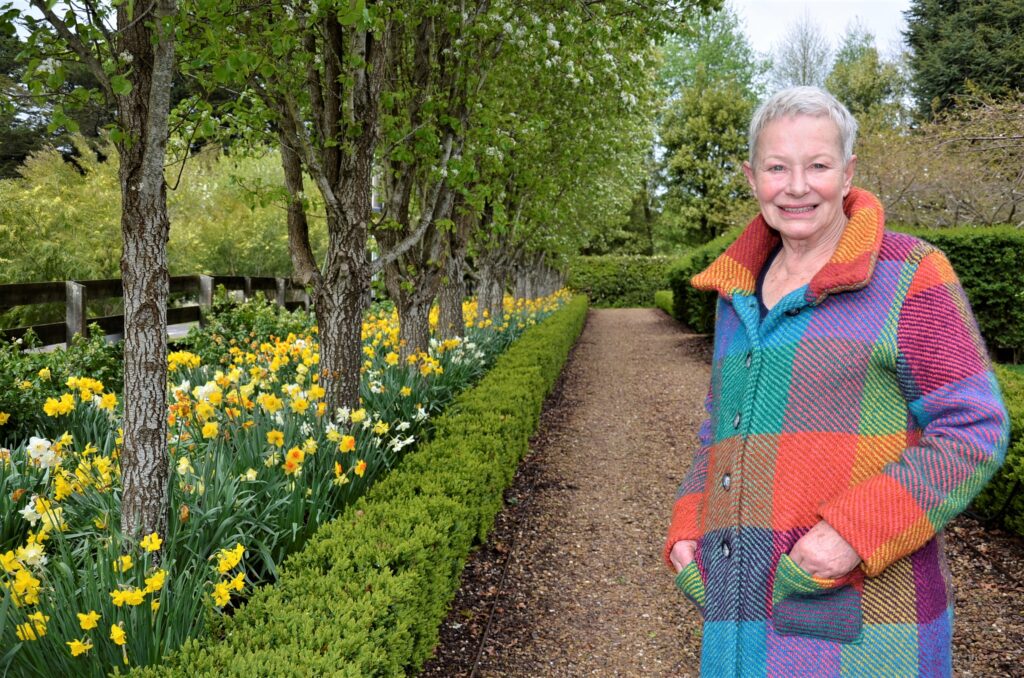
Words and Image: Eve Lamb
Two of the region’s premier gardens are preparing to open their gates to visitors for a fundraising picnic day on Saturday, November 18.
Famed Musk Farm garden and neighbouring Musk Manor garden, located within cooee of each other, are opening as a fundraiser to support the Musk CFA.
Famed Musk Farm is the iconic garden developed by the late Stuart Rattle and features 15 “garden rooms” inspired by the grand estates of France and England.
Across the road, Musk Manor garden is opening to the public for the second time and the garden’s creator and resident owner, Helen Hayes, will be on site for the event, as will her part-time gardener Clare Dynon.
It’s hard to believe, but true, that Helen and her husband Michael Lynn have only owned this impressive garden for the past six-and-a-bit years.
In that time resident green thumb Helen has set about cultivating the site into something to delight garden lovers and local birdlife alike.
“The whole bottom of the garden was just empty and weed infested and we pretty much started from scratch,” she says.
But it was the intrinsic garden potential of the site that clinched their purchasing the property from the outset, Helen says.
Now the continual evolution of the Musk Manor garden is an ongoing labour of love for this passionate gardener whose plant choices are often informed by her wish to cater to the needs of local bird and insect life.
“I definitely work in this garden six days a week now,” says Helen who is a former University of Melbourne librarian and also a former Australian Businesswoman of the Year, with a background in the corporate and government sectors.
Coordinator of the upcoming Musk Open Gardens, Duncan Evans says visitors are encouraged to pack a picnic rug and catch the tourist railway out from Daylesford to reach the gardens – for several good reasons.
One of these is to avoid potential parking issues that emerged when the Musk gardens opened last year and the event drew some 500 visitors.
While limited parking will be available, Duncan says another good reason to jump aboard the tourist train is simply to support this local tourist attraction and enjoy what it has to offer.
“Last year we had a lot of people from Melbourne who said they loved catching the train, and a lot of children who really loved it,” Helen says.
Duncan also says a good array of food and specialty beverage stalls will be on site on the day selling refreshments including coffee, gin and wine.
Visitors can even pre-order a gourmet lunch box via the event’s dedicated website at muskopengardens.com.au and are encouraged to purchase food on site, although you can also pack a picnic hamper.
There will also be a silent auction and some attractive raffle prizes up for grabs. A main aim, Duncan says, is to have visitors make a real day of it, stay and have lunch on site and really soak in the two gardens’ beauty.
“For garden lovers it’s a fantastic opportunity to see two of the region’s premier gardens,” he says.
Plant sales will be an added attraction and Helen says plants on offer at Musk Manor are likely to include hellebores, irises, hebes, Christmas lilies and “a lot of bulbs”.
“The irises will be looking brilliant at that time of the year,” she says.
“And last year people really loved the peonies and the oriental poppies.”
“I think it’s a garden for using. I love to see people just enjoying sitting on the lawn and having a picnic. It’s a beautiful time of year.”
September 28th, 2023Farewell to a woodchop champ: Vale Harold
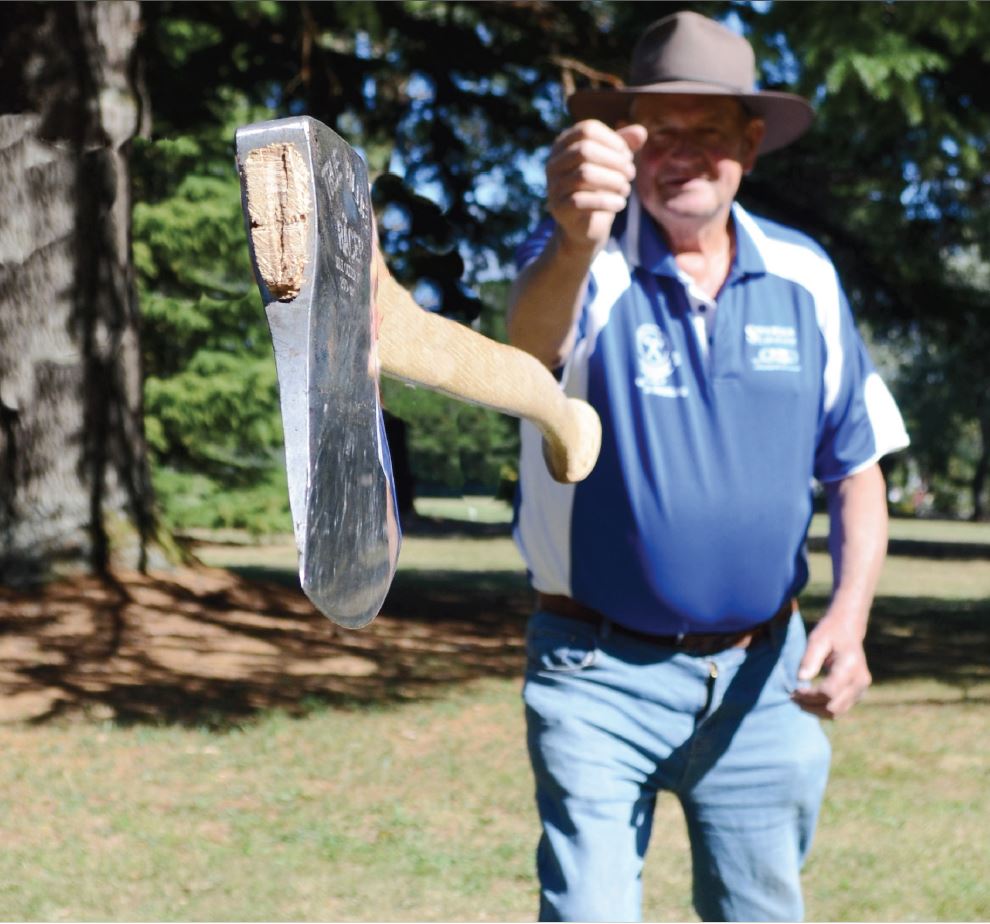
The state’s woodchopping sports fraternity is mourning the recent loss of one of its favourite locals, Korweinguboora’s Harold Suckling.
Mr Suckling’s dedication to responsible management of the timber industry in which he worked – hands-on – for much of his life, and his prowess as a champion woodchopper led to widespread recognition in his community and much further afield.
Harold passed away on August 23 at the age of 79 after many years of receiving dialysis. However his loss still came as a shock. Behind him this well-known local has left a legacy of many friends and of advocating for the responsible management of the forests in which he spent so much of his life.
His daughter Linda says her father’s recognition particularly in woodchopping circles meant that he had made friends nationwide.
“He had a very welcoming character,” Linda says. “Everyone knew him. You could go anywhere and people knew him. He’d stop and talk to everyone and say g’day to anyone.”
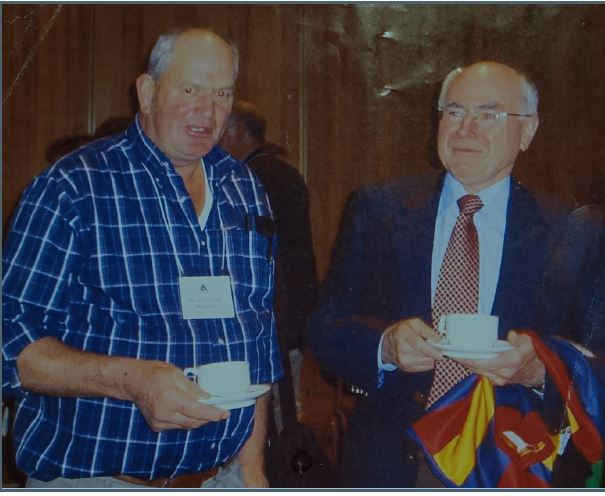
Highlights of Harold’s life ranged from taking tea with former Prime Minister John Howard in 2005 when he was advocating for his industry sector, to taking out numerous woodchopping championships including those at famed local events in Glenlyon, Blackwood and Daylesford.
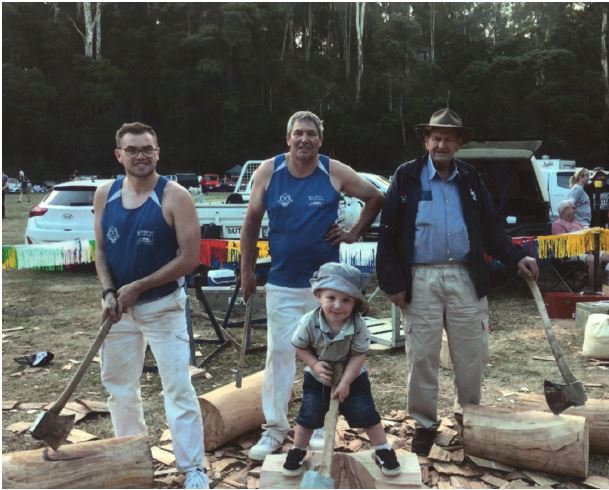
Harold’s prowess in the sport saw him travel Australia to compete successfully in numerous high-profile woodchopping events and later, together with his son Gary, in crosscut-sawing events. Father and son made a formidable team, frequently dominating their sport at events.
In 2002 Harold was squad captain for the Victorian woodchopping side that competed in Perth to take out the state titles three-nil.
Born and bred in Korweinguboora where he resided all his life, the young Harold entered the timber industry at the tender age of 14, working at his father’s Barkstead sawmill initially before branching out more widely in the sector.
He went on to become president of the Central Highlands branch of Timber Communities Australia (TCA).
Former TCA state manager Kersten Gentle once previously reported that Harold had “dedicated his working life to the wellbeing of the forest and wood products industry, leading a team of passionate volunteers who either worked in or supported the sector”.
As president of the TCA branch he engaged with politicians, interacted with the media, gave talks at schools and generously offered his time at local shows, Ms Gentle had reported when Harold was earlier undergoing dialysis.
Having spent many years of his life as a timber worker Harold’s “affinity for the forest was deeply ingrained,” Ms Gentle wrote, adding: “he grew up with sawdust in his boots cherishing the laborious work in this natural setting”.
Gentle had also reported that Harold: “worked to ensure the forests were responsibly managed by replanting one to three seedlings for every tree harvested”.
“In his capacity as president of the TCA branch Harold actively engaged with politicians from all sides of the spectrum. He met with ministers at Victoria’s Parliament House and orchestrated forest tours for key decision makers. Due to his tireless efforts timber workers who faced job displacement received appropriate compensation with provisions for retraining for those in need.”
As part of TCA Harold attended conferences in Canberra, Tasmania and Western Australia. Through his infectious charm he forged lasting friendships nationwide while woodchop events he helped to organise became significant fundraisers for local causes including the Daylesford Hospital.
Harold also served as president of the Midland Axemen’s Association for a quarter of a century and was made a life member. The association has described him as “a true legend of our club,” in its recent online post announcing his passing.
Harold once appeared on Channel Seven’s World of Sport much to the delight and entertainment of his family who also have especially fond memories of watching him compete in woodchopping events at the Royal Melbourne Show.
“Growing up as kids we’d be in the car and be off to the Melbourne show to watch him compete,” Linda says. “He loved family and he loved family life and teaching the kids, especially the grandchildren and great-grandchildren.”
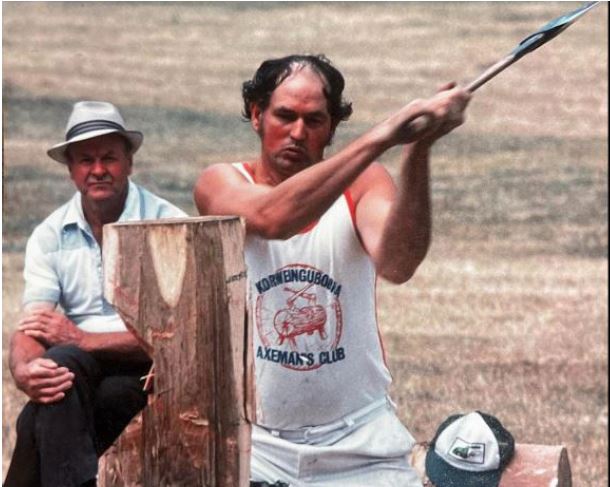
Harold is survived by his wife of 58 years, Gwen. “But we were actually together for 61 years,” Gwen says.
Harold is also survived by the couple’s children Linda, Gary and Kerrie, seven grandchildren and seven great-grandchildren.
While there’s a lane in Korweinguboora that already bears the Suckling name, Gary says it’s definitely on the cards that some kind of lasting memorial to his father, perhaps a woodchopping event, will be named in Harold’s honour. Watch this space.
Words: Eve Lamb | Images: Kyle Barnes (top image) and Contributed