


August 22nd, 2023Brigades of CFA: Kangaroo Flat
If fire brigades were assigned a number, Kangaroo Flat Fire Brigade would be number 16, reason being, it was the sixteenth brigade to join the Country Fire Brigades Board 150 years ago.
According to newspaper reports at the time, the formation of the brigade in 1873 coincided with a boost in police resources across the township, following residents’ concerns about a rise in crime at the time.
Forever tied together in history, the local partnership between the fire brigade and police unit continued for over 80 years, with the first engine house located within the police reserve on Short Street, Kangaroo Flat.
The brigade called Short Street home until the construction of a new fire station on Station Street in 1956. After the brigade outgrew this site, they relocated to a modern, purpose-built station on Helm Street in 2015 and the brigade continues to respond from this site to this day.
With assistance from fellow fire brigade enthusiasts, brigade member and 3rd Lieutenant Ben Miller has documented the brigade’s history in a book titled The Remarkable History of the Kangaroo Flat Fire Brigade, which was launched at a brigade dinner earlier this month.
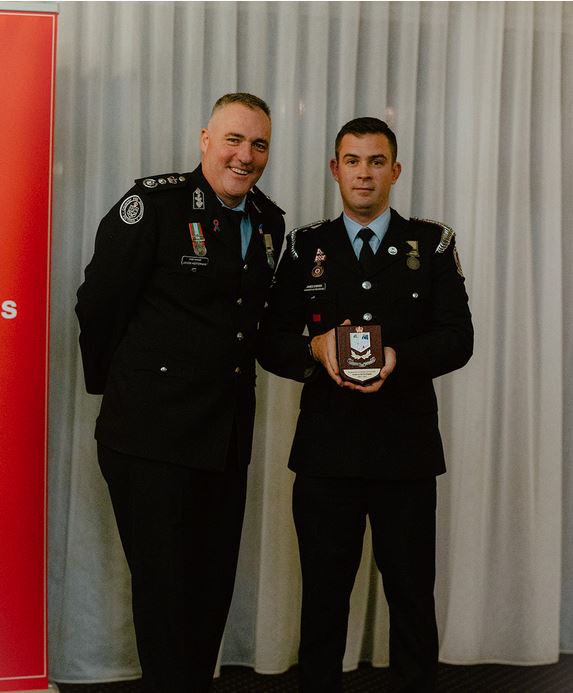
At the anniversary dinner, Chief Officer Jason Heffernan received a copy of this book.
In response, Chief Officer Heffernan presented the brigade with a 150-year anniversary plaque, a significant piece of memorabilia which will be proudly displayed at the station.
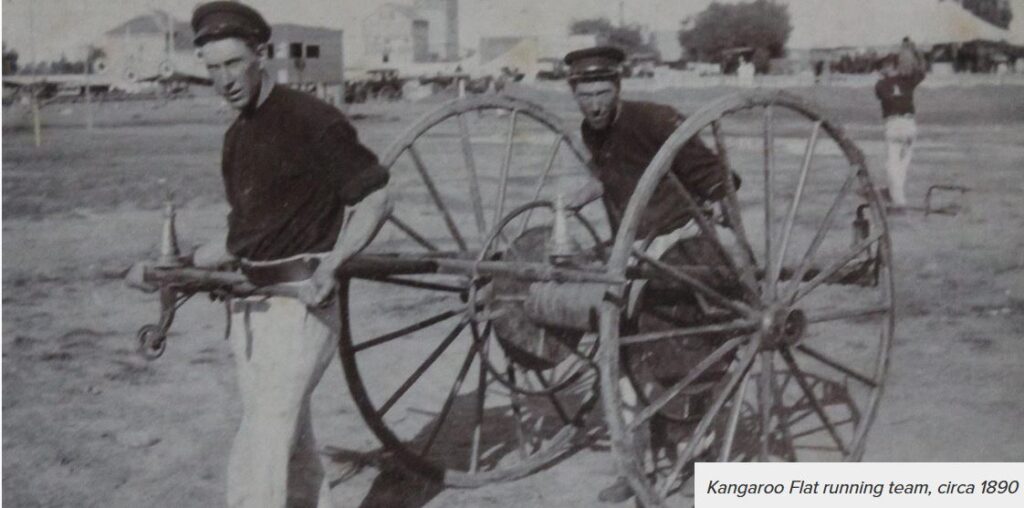
While their mission is to protect lives and property, Kangaroo Flat Fire Brigade has a long and proud history of competing in State Championships, with the earliest known brigade running team dating back to 1890.
Captain James O’Brien said competing in Champs is still an important part of brigade life for current members of the running team.
“Competing in these events is a testament to the strong sense of camaraderie and pride among our brigade members. It’s not just about winning; it’s about showcasing our skills, discipline, and teamwork,” said James.
With the community at the centre of everything they do, celebrations stretched across the whole weekend, culminating with a brigade open day on Sunday. James said the pinnacle of the weekends celebrations was opening the doors of the station to the community.
“It was fantastic to see the community enjoy all the activities on Sunday, especially after nine months of hard work and planning,” he said.
“We had the obligatory sausage sizzle, as well as a jumping castle and face painting for the kids. There were also station tours and displays from our multi agency partners.
“However, the highlight of the day was the brigade procession from Dower Park to the station on Helm Street, where neighbouring brigades joined Kangaroo Flat members in celebrating this momentous occasion.”
August 21st, 2023Grants program opens for wildlife shelters, carers

The state government says it’s backing Victoria’s wildlife rescue volunteers so that sick, injured and orphaned native animals get the support they need.
Member for Macedon, Mary-Anne Thomas last week announced that applications for the 2023
Wildlife Rehabilitator Grants are now open for wildlife shelter operators and foster carers to access grants of up to $3,000.
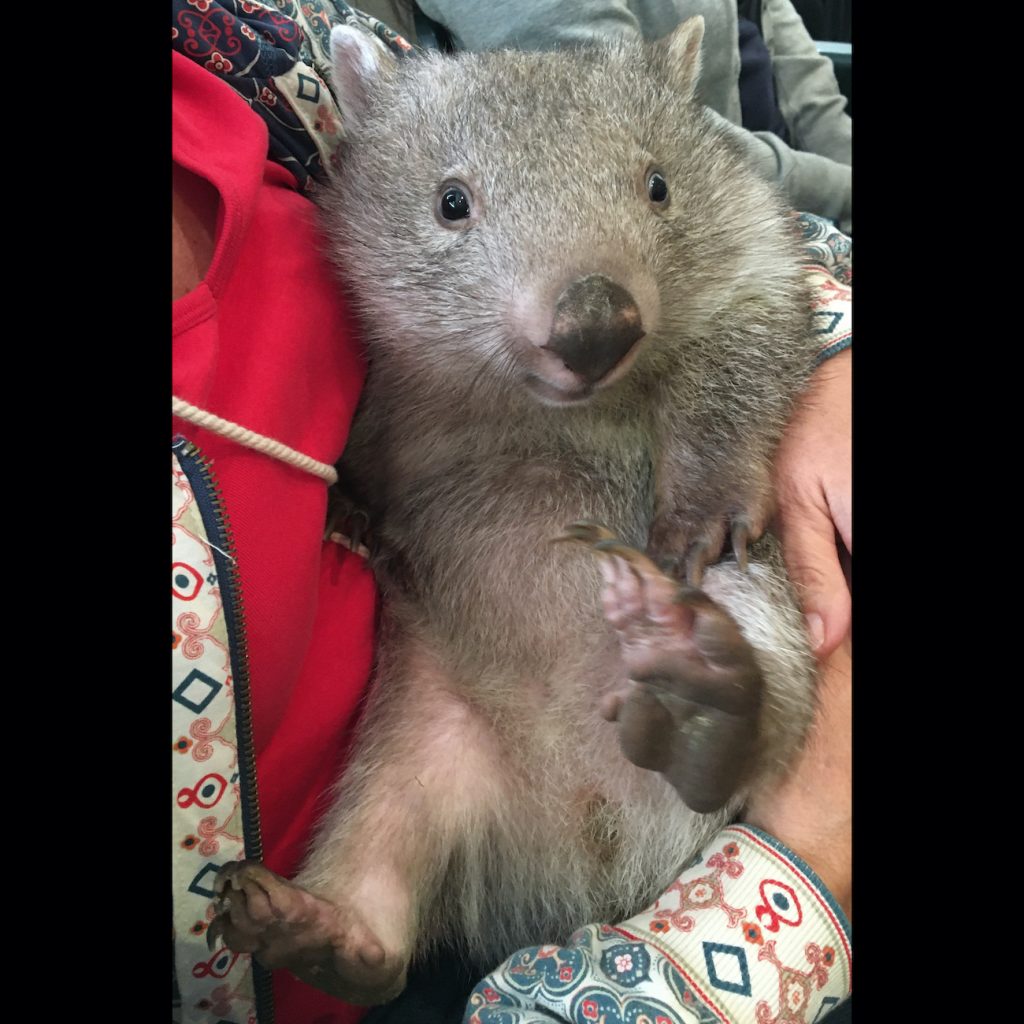
The grants are hoped to help volunteer wildlife rehabilitators continue to care for thousands of native animals every year including kangaroos, koalas, possums, wombats, birds and reptiles.
Last year more than 100 wildlife carers and shelters across Victoria received the grants, helping to fund wildlife enclosures, medication, feed, rescue equipment and veterinary fees.
Since 2015, the Government has invested $5.2 million to support the work of, foster carers, authorised wildlife shelter operators and key wildlife organisations.
In a media statement, Ms Thomas said the funding of wildlife volunteers was underpinned by the state government’s Biodiversity 2037 strategy, a record investment of $582 million since 2014 – “the biggest investment into protecting biodiversity and environment in our state’s history”.
Those keen to learn more about the Wildlife Rehabilitator Grants and to submit an application can visit wildlife.vic.gov.au/grants/wildlife-rehabilitator-grants. Applications close at 3:30pm on 15 September 2023.
Member for Macedon, Mary-Anne Thomas: “These grants are about helping the many dedicated volunteers who house, feed and care for our precious wildlife when they need it most.”


August 21st, 2023Glen, about the house
Cleaning up the climbers
Last issue I covered the winter pruning and tidying up of bush roses and, obviously those tall-stemmed standard ones. This time, we’ll have a look at your rampant climbers and naturally assume they are growing on a trellis or fence for support.
The pruning and management of climbing roses is a different matter altogether because they produce two entirely different forms of growth.
The first is the vigorous, long canes that usually grow in summer and autumn, often without any sign of a bloom. These canes form the initial framework of the plants and as many as possible should be tied in a convenient horizontal position before you resort to cutting any of them out.
The other growths are the shorter flowering spurs that shoot out all along the climbing cane during the following spring. These give the main display and should be cut down to about half their length after each flowering.
Some roses only flower in the spring, especially such climbers as Paul’s Scarlet and the white and yellow banksias. These are pruned after flowering by shortening back the flowering growths and removing any worn-out branches. Any new long canes that appear should be tied into place.
Hygiene
It is more than likely that the cold and wet weather will encourage the spread of fungus and such virus diseases as blackspot and rust so it’s important to minimise any chances of transmitting them from plant to plant on the secateurs or saw blades. The solution is to dip the tools in some form of household disinfectant before moving on to the next plant.
Those seemingly ever-present pests, aphids and spider mites, are in the old bark, leaves and soil around the plants in winter, so it’s imperative to foil them by clearing any fallen foliage and branches from around the plants. If you wish to discourage any intended attacks on the new growth, spray the plants with one of the many available non-toxic organic pesticides such as Neem Oil to give the new growth a healthy start.
A rose by any other name
As if about 300 species and literally thousands, and growing, varieties of the rosacea tribe, isn’t enough to be labelled rose, there are scores of other plants with similar dog rose-like blooms, lining up for the title. Take, for example, the cistus and even our native bauera rubioides.
Admittedly, most of them are beautiful in their own way and fully deserve their place in any garden, but it can be confusing if you don’t also have that botanical name to distinguish them.
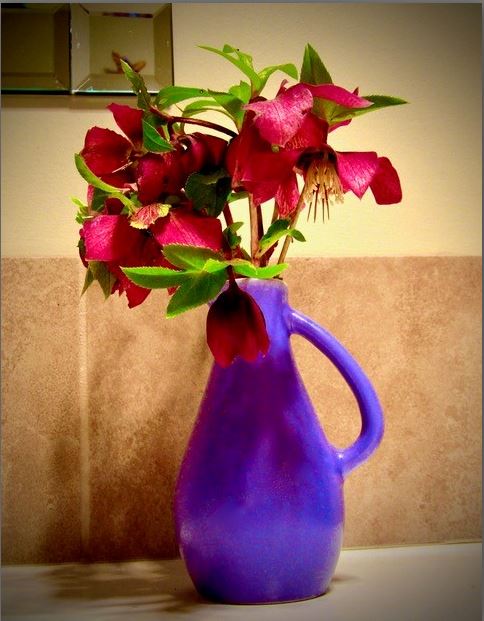
And so we come to the beautiful specimen pictured above. Its botanical name is helleborus orientalis, one of the many beautiful samples of what are called either winter or lenten rose, depending on where you live and I suppose whether the flowering season coincides with the celebration of Easter.
The title helleborus covers a vast number of both evergreen and deciduous perennial clump-forming flowering plants of the ranunculus tribe that originated mainly in Greece and Turkey.
Their greatest attribute is that their flowering is at their best in the midst of winter when the rest of the garden is asleep and they provide some welcome colour to those dreary winter days.
Helleborus orientalis, the most popularly grown evergreen species varieties, grow to around 50cm high, about 60cm wide, and do well in our temperate climate.
They prefer deep, well-drained soil but will adapt to most soil types except wet clay. They thrive in light shade. To keep them growing and happy, feed them with a light dressing of a balanced, complete fertiliser in late autumn.
Got a gardening query? Email glenzgarden@gmail.com

August 21st, 2023Kyle’s Rant…
I am not much for Facebook in fact my FB friends could be dead and I wouldn’t know, but the other half told me recently of a post that made me wince from the Hepburn Shire Council (HSC).
Have you received a letter of invitation to be part of the Future Hepburn Engagement Pool?
Just over 1,000 letters were sent out to randomly selected community members inviting them to register for the Future Hepburn Engagement Pool. Engagement Pool members will be randomly selected to join the township structure plan Community Panels with the purpose of developing structure plans for the townships of Clunes, Creswick, Daylesford-Hepburn Springs, Glenlyon and Trentham. Other opportunities for involvement include interviews, webinars, workshops and activities relating to all Future Hepburn projects. Don’t worry if you don’t receive a letter, you can still participate!
Now, I am not usually one to participate in these sorts of ventures, I am normally quite comfortable and better advised with my own committee of one. But back at the beginning of the pandemic when if a pig had of flown past the window, I would have simply accepted it as fact and waived at it, the world was that out of kilter, and in a much weakened confused and hazy state of mind, I put my hand up for the HSC business recovery committee. We were a bunch of well-meaning local business owners who had their hands full, pivoting and rerouting their own businesses and no time to waste. But one and all in the group thought it was a hugely important task to make sure all the local businesses had the resources to weather the storm.
After a few meetings, which lead nowhere, the committee was disbanded without notice or even an explanation. Emails to the HSC were met with the sound of silence. So you can see the reason for my wince when it comes to another HSC committee being announced.
If you have been around long enough and paid attention you find these committees don’t ever achieve much. The makeup of the participants that put their hand up to attend these assemblies are (and please allow me to generalise) folks with a bit of time on their hands, well-meaning certainly, but naïve to the fact that they are powerless. And then there is a sprinkling of other residents that will join, who will be pushing their own barrow containing a few well-ground axes.
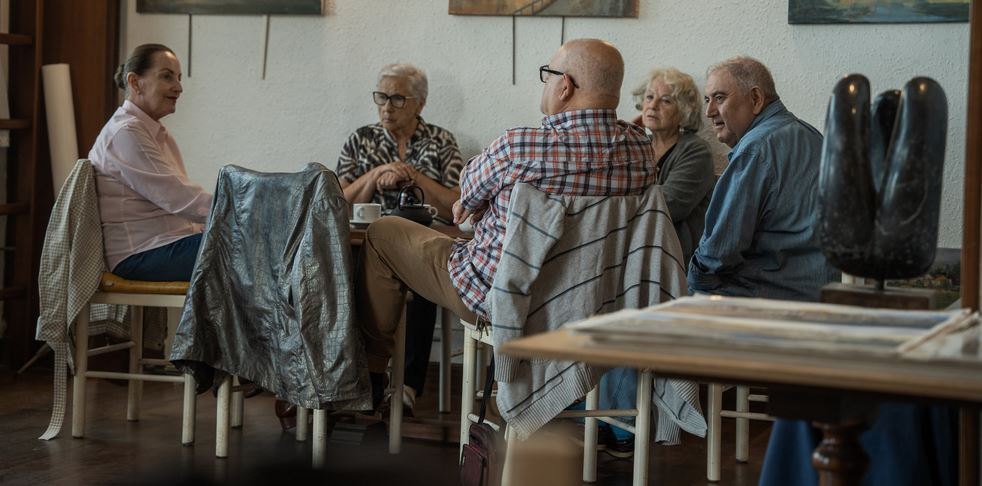
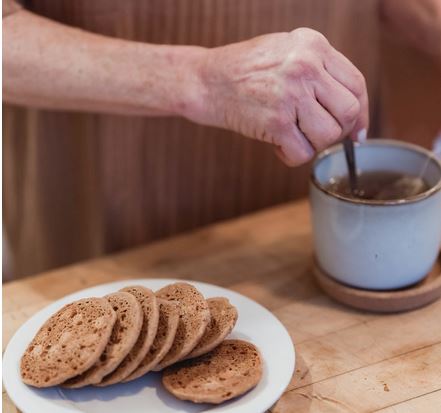
For mine it is an old fashioned consultation method used by governments to check off the community consultation box and not much comes of it except tea and biscuits. It also seems to tick the box of community consultation, which is fantastic when it comes to the 2024 community satisfaction report.
Don’t get me wrong, our council do a lot of things well except they forgot to pick up my recycling for a couple of times in a row last month, but it turns out that is outsourced and it is impossible to get on the two way radio and call the bloke back. It has to go through a process – according to the very nice lady manning the HSC phones. And I must say a special shoutout to that lady (the name escapes me) who I told I was going away, and she offered to drag my bin in, another fabulous human working for the HSC.
But I would like to suggest that instead of ploughing human and biscuit resources into these type of aforementioned turnouts, HSC simply do what they are there to do. And that is rubbish, rates and roads. The portfolio did include looking after our elderly and vulnerable has even been outsourced and reasonably unsuccessfully I might add.
Anti-committee rant over…
August 21st, 2023Funds to help restore flood damaged facilities
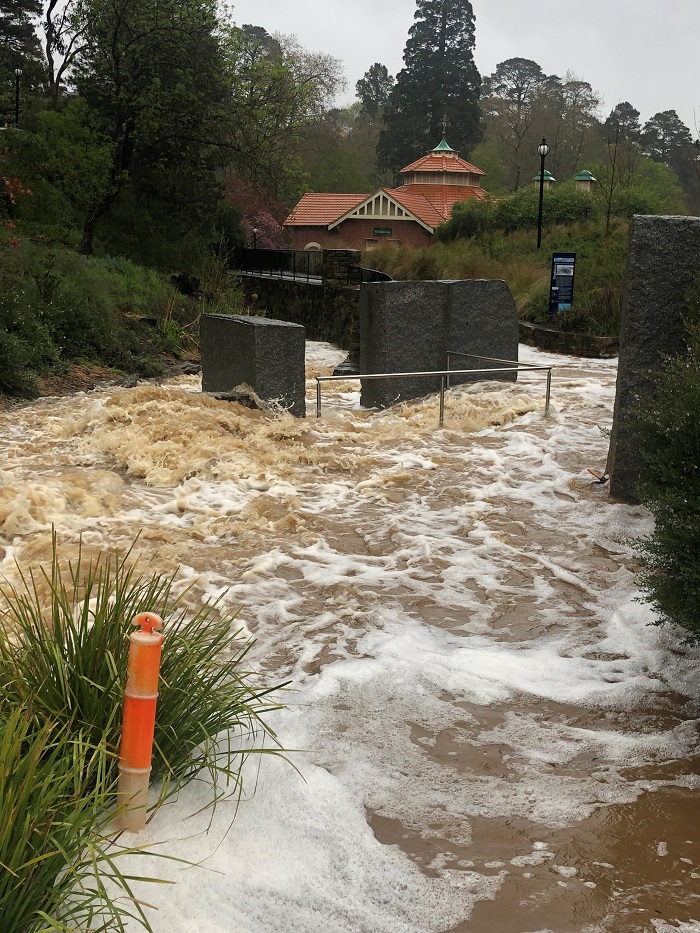
The federal and state gvernments say they are supporting Victorian communities to restore treasured recreation areas and facilities damaged by the floods in October and November 2022.
Member for Macedon, Mary-Anne Thomas in conjunction with Federal members Rob Mitchell (Member for McEwen), Catherine King (Member for Ballarat), Lisa Chesters (Member for Bendigo) and Sam Rae (Member for Hawke), last week welcomed the announcement that under the Commonwealth-State Disaster Recovery Funding Arrangements, the Federal and State Governments have given grants of more than $11.8 million to 125 voluntary committees of management.
With this funding, the committees are restoring significant community gathering places and tourist destinations including halls, caravan parks, camping areas and multi-use recreation reserves for use by residents and visitors. The projects will also consider upgrades to improve their resilience against future disasters.
The flood recovery projects range from replacement and upgrade of drainage and power, road repairs, and replacement of fencing, to more complex rebuilding projects.
Recipients in the Macedon electorate include Daylesford Museum Reserve Committee of Management, Lancefield Park Recreation Reserve, and the Trentham Public Purpose Reserves Committee of Management.
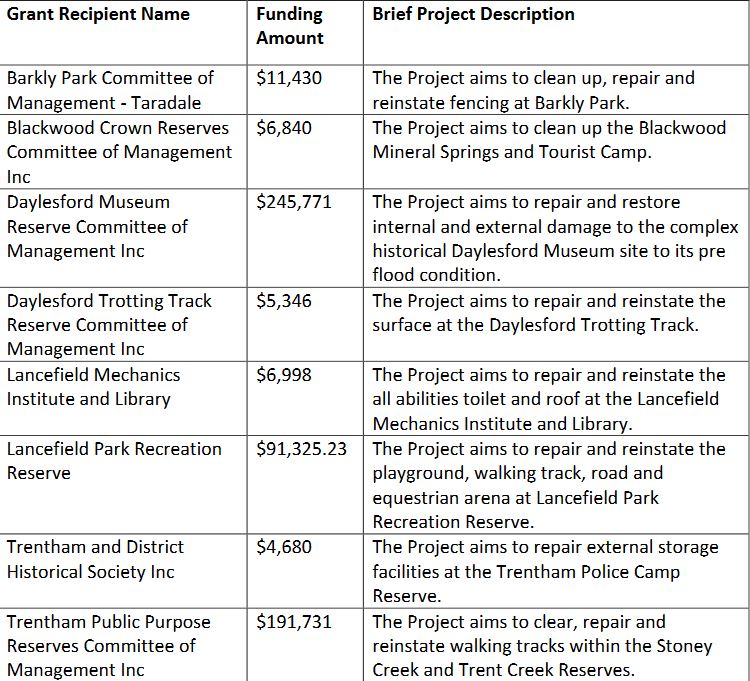
A full list of successful grant recipients is available at deeca.vic.gov.au/grants/voluntary-
committees-of-management-flood-recovery.
Those interested to learn more about the Commonwealth-State Disaster Recovery Funding Arrangements
can also visit disasterassist.gov.au and vic.gov.au/2022-flood-recovery.
Member for Macedon, Mary-Anne Thomas: “This important funding will ensure the hardest hit communities from last year’s floods are able to recover as quickly as possible.”
Member for Ballarat Catherine King: “This support will fund repairs to halls, recreation reserves and other important facilities, ensuring that community assets in our region are safe and can be best utilised.
“We’re pleased to partner with the Victorian Government to repair the damage of last year’s
floods, and build better resilience into our community infrastructure.”

August 20th, 2023Pick Me! Pick Me!
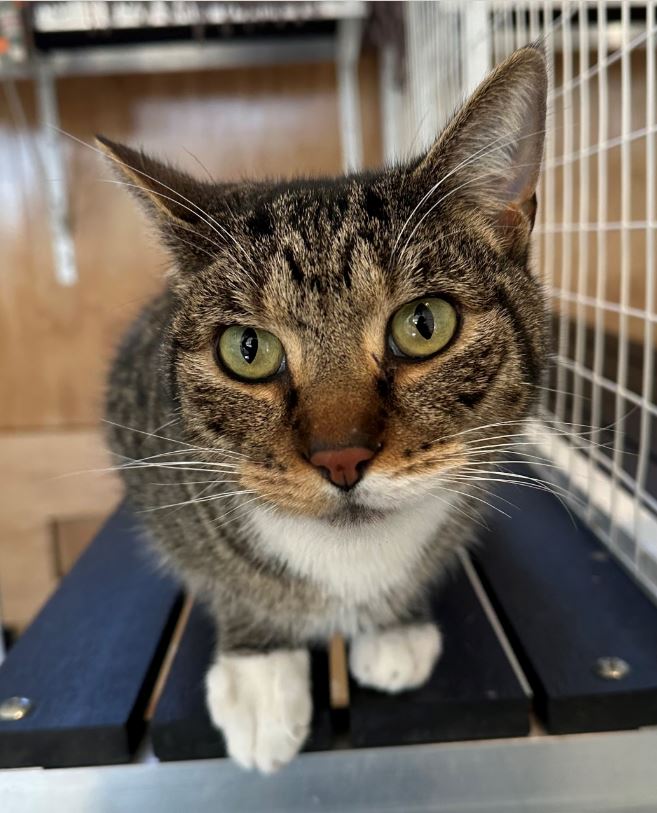
Well hello. I’m Luna and I’m three years old. I am a classic tabby boy with a very sweet personality.
I love having attention and spending time with people.
I can be a little shy when I’m in a new place, but it doesn’t take me long to settle in and let my top shelf personality shine through.
I would love to find a home where I will be given plenty of love and attention. Microchip no. 965000010946339.
If you think you have room in your life for a new best buddy, then what are you waiting for? Call the MAAW shelter at Castlemaine on 5472 5277 to come and meet me. Link: www.maaw.org.au

August 20th, 2023Wine notes … with Clive Hartley
Campania comes to Australia
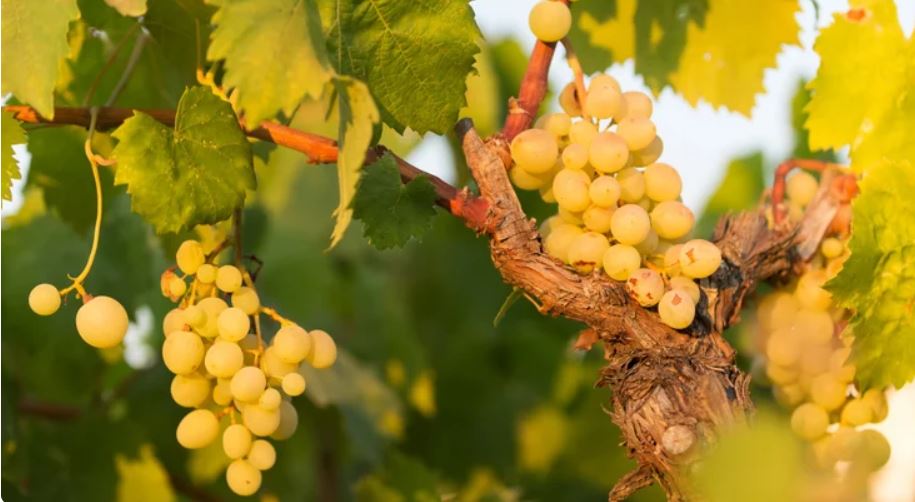
The fiano grape has truly established itself in Australia, with over 100 producers having planted it since Mark Lloyd from Coriole in the McLaren Vale planted this delicious white in 2001. It is well suited to Australia, being able to withstand drought conditions and can retain its natural acidity, even in the hot climates of Australia. It has open bunches so is resistant to rot problems and can take on organic viticulture.
What you get in the glass is a fleshy white wine with stone fruit and a hint of that almond meal character so often seen in Italian wines. The grape also can be matured in oak and Coriole produce an excellent reserve style called rubato that is barrel fermented. Closer to home Sutton Grange make a fiano that sees lees contact to produce a fleshy example. Billy Button from the Alpine Valley and Brown Brothers also were highly recommended in the last edition of my Australian Wine Guide.
Fiano originates in Campania in southern Italy, traditionally grown around the town of Avellino. Campania is home to a number of grape varieties that have the potential to do well in Australia. Greco is the stablemate to fiano and is grown in the Greco di Tufo region which lies slightly to the north of Avellino. Greco can be viognier-like in its intensity and aromas. Falanghina, which might have been the base of the white version of falernian, the most famous wine in the Roman Empire, is another locally grown white grape and has yet to break through in Australia. This is famous in the stunning Sannio area, and perhaps not as intense as fiano, but another good floral white.
Finally, we come to the most important red of the region, aglianico. Taurasi is the best expression of the grape variety coming again from the hills around Avellino. It is known as the Barolo of the South, having a robust, full bodied structure and high tannins. It has the ability to age well. This grape is growing in popularity in Australia and Sutton Grange make an excellent example that needs plenty of aeration and time in the glass to get the most out of the wine. But it is ideal for the chillier months ahead.

Clive Hartley is an award-winning wine writer, educator and consultant. Want to learn more about wine? Try his Australian Wine Guide (7th ed) now available for purchase from Paradise Books in Daylesford or via his website at www.australianwineguide.com.au

August 20th, 2023Artists of the Central Highlands … with Eve Lamb


An enduring love affair with the Australian landscape, its power and diversity, underscores the work of much-collected Daylesford painter and printmaker Greg Mallyon. Greg’s abstract topographical images are inspired by an aerial perspective and his life story includes constant study, travel and rich exposure to European, Asian, Middle Eastern and our own Indigenous cultures. The many arts awards that this talented local creative has collected along the way include the 2021 National Capital Art Prize for Landscape and the Digital Art Award for the 2023 Queenscliff Art Prize.
Eve: Hi Greg. How should we best describe your artistic style? Does it fit into a particular arts genre?
Greg: My paintings and prints are abstract landscapes inspired by an aerial perspective, however they fall within the long Australian tradition of depicting our unique continent.
Eve: How did you come to art?
Greg: I won a fellowship to the Queensland College of Art when I was 17 so my fate was sealed at a very young age!
Eve: How did you nurture your innate arts talent? Further studies?
Greg: Since graduating from art school I have continued to study both formally, for example, studying fine arts in Italy and a Masters degree at UNSW, or through many informal workshops and courses over the years. This constant exposure to new techniques and ideas means my work continues to evolve and change.
Eve: Where do you do most of your art work? Where is your home studio?
Greg: My humble studio is a former school demountable and is located in my garden in Daylesford. Kangaroos, magpies and kookaburras are regular visitors.
Eve: Which artists have influenced your work?
Greg: My work is inspired by a variety of sources including satellite photographs but also other Australian and international artists who have explored the landscape from above. John Olsen and Fred Williams are two of the most important Australian artists who have changed the way we look at landscape but our own Indigenous artists also have an instinctive view of country from above.
Eve: Are there any other particular factors that influence your creative practice?
Greg: My training in printmaking and computer technology has strongly influenced my style as a painter and vice versa. I often incorporate digital imaging, etching, stencil and other print methods in to my paintings.
Eve: What is your media of choice?
Greg: I am very experimental so I paint or print on surfaces including aluminium, Japanese rice paper, wood, canvas and European papers. I love incorporating marble dust, ground pumice and raw pigments into traditional acrylic paints and varnishes.
Eve: What are your subject matter of choice? Why so?
Greg: The Australian landscape remains my major preoccupation as the diversity of the desert, coastal and alpine scenery is an endless source of inspiration. Other destinations such as India, The Middle East and Europe have also been the subject of past exhibitions.
Eve: Have you ever worked in any other areas besides working as an artist? If so, what did that work entail?
Greg: My working life has always been involved in either art education or arts management and so that has enriched my experience and knowledge and impacted on my career as an artist in a positive way. I have spent 10 years working with Indigenous artists in remote communities and this too was very inspirational.
Eve: What are you working on at the moment?
Greg: I have deadlines up until late 2024 so it is meeting one commitment after another, a mix of private and corporate commissions, art fairs and solo exhibitions both interstate and overseas. One important aspect of such a schedule is to stay fresh and inspired and not just churn out predictable works for the art market.
Eve: What work, goals or projects do you have in mind for the future?
Greg: My goal is always to keep refining my work so it gets better. I have no shortage of new ideas to explore if, and when, I get a break in deadlines.
Eve: When you work in the studio do you like to play music and if so what is your music of choice?
Greg: I am a big fan of Triple J so I am constantly downloading new artists and music. Before the pandemic I discovered a great Ballarat band called ‘Goldfields’ and as I was working on a series of goldfields landscapes they kept my spirits up during gloomy lockdowns .
Eve: To date, what have been your career highlights as an artist?
Greg: I have been fortunate to enjoy many highs over a long career. These include the usual barometers of winning art awards and artist residencies and having sell-out exhibitions… Sometimes the best highlight, however, is simply to see your work hanging in a beautiful space.
Eve: Do you have any exhibitions or special arts events coming up that you would like to let others know about?
Greg: I am working on a solo exhibition for the Horsham Regional Gallery in December. This will explore the landscape of the Wimmera and feature images inspired by drought, flood and bushfires, all of which produce their own unique beauty in amongst the devastation.
Eve: What would you rate as the biggest challenges in being a professional working artist today?
Greg: The Australian economy with its ups and downs always impacts on consumer spending and the art world has suffered from past recessions and downturns. That will always be an ongoing challenge for any creative industry. Professional artists must today be savvy with social media, bookkeeping, marketing, administration and all aspects of running what is essentially a small business. That is a big challenge to those of us who are happiest with just a paint brush in hand.
Eve: And, for you personally, the greatest rewards?
Greg: Being my own boss and doing what I love is a great reward.

August 20th, 2023Just sayin’…by Donna Kelly


WORDS in Winter is coming up soon – end of August – so I thought I would take a trip down memory lane and my own love of words.
I learnt to read and write when I was pretty young. Not my doing as much as my parents. As a little kid, Dad used to read to me before I went to sleep but he generally fell asleep before he got more than about a page done, and I realised if I ever wanted to get to the end of the book, I had to learn to read myself. So I did.
Mum had been a teacher after leaving school and, while she had to give up work once she married, taught me how to write, and even how to write my name in cursive. I tried doing that at school in prep but was told that would have to wait another couple of years. Mum was ahead of her/my time.
At primary school I had some great teachers but the librarian was the best. She encouraged me to read so many books and to write to the authors. I got quite a few letters back which was really encouraging to a young girl.
In high school I joined the editorial team of the annual school magazine, subbing work sent in by other students. I continued writing to authors, snail mail, and getting return correspondence. I also took on work experience at the then Frankston Standard when I was in form 3 (year 9 now) and realised I wanted to be a journalist. I tried to get into RMIT’s journalism course but failed, instead heading to Monash Uni for a Bachelor of Arts. Actually, it was the Chisholm Institute of Technology with campuses at Frankston and Caulfield. I had not done either maths or a language in my final year of secondary schooling so could not gain entry into a “real” university.
I was pretty happy when Monash took over the institute many years later and I could claim my new degree status. Other students who went to the “real” Monash were not so pleased. But I digress.
After uni I went for cadetships at the Herald Sun and The Age. Not a chance. Both their written tests asked which relative you had working at the paper. Nepotism at its finest. Part of the journalism world.
But never fear. The work experience, which I had continued ad hoc, was going to pay off with a cadetship coming up at the Frankston Standard. Hmmm. Nope. The daughter of a woman working there got the position. But I did find myself at the Southern Peninsula Gazette. Finally.
The rest is history. Gigs at papers including The Cairns Post, The News in Karratha, The Centralian Advocate in Alice Springs, The Courier Mail in Brisbane, Quest Newspapers in Logan, and even TNT magazine in London, before moving to Glenlyon. Then it was The Advertiser in Bendigo, The Courier in Ballarat, The Advocate in Daylesford and finally, The Local.
And I still love words. Hearing them from people I am interviewing, crafting them into a story, dreaming up a headline or an intro, seeing them printed on the page. It’s a lot of fun and also a privilege – sharing lives and stories and events. Sometimes helping people. Sometimes just knowing it’s a great read.
Hopefully you can get along to an event at Words in Winter. Like-minded people sharing words with each other and their audiences. I know there is a trend to use acronyms and abbreviations, short texts to communicate with friends, but there is nothing like hitting the last full stop on a really great story. Or even an average column. Just sayin’…


August 19th, 2023Your say… ombudsman an option in home care service woes
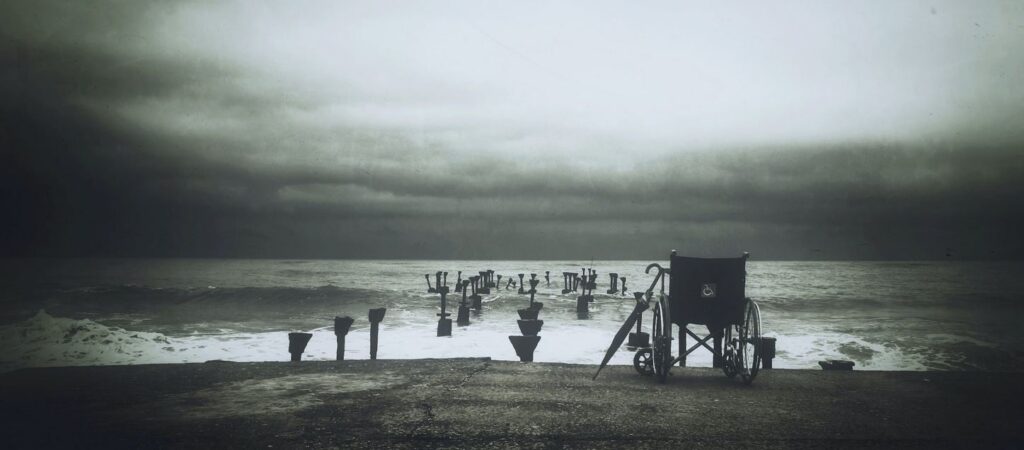
For the 35 years I have lived, worked and volunteered in this region, there was always a focus on delivering quality community services, I know this because I worked at our community health for many years and helped deliver them. I have also advocated for equal access to all the shire information and support services for people living with a disability and the elderly, of which I am now one.
Unfortunately, the issue with no monitoring or accountability for the outsourcing of delivery home care is just another part of the bigger picture now developing in the area. Services for the elderly and people living with disability in our shire appear to be being left to rot.
I am also very concerned about the future for older and disabled residents in the shire basically being abandoned, which I think are also your concerns and the no response from these services, your story sort of confirms. It greatly troubles me that it appears our council has shifted in its focus from providing inclusion and equal access for the elderly and those living with disabilities, by outsourcing home care services.
Unfortunately by outsourcing these services, they have no level of responsibility in ensuring elderly residents and those living with disabilities in the shire get quality support services and this results in the issue you have raised.
This shire has very much prided itself on being pro-active and inclusive of all people, something we are all proud of, but I feel our inclusiveness is now being limited and the elderly and disabled appear to be the victims.
I have 40 years’ experience in social work and disability care and would be happy to volunteer to do light housework for people who are not receiving the care they should, or just to go and have a cuppa and a chat. I am also able to write letters of complaint and reminding services of their obligations, but I no longer have a current police check or Working with Children check. I was really inspired by your concern about the shire’s vulnerable residents and would like to help, but not sure how and would like to thank you for your concern and activism for vulnerable residents in our shire. Clearly the shire still has brave residents who stand up for those who cannot and I would be happy to assist if I can.
From Karen Worsley, Wheatsheaf

August 19th, 2023Inside Out teens take showcase to Words in Winter
Words: Narelle Groenhout
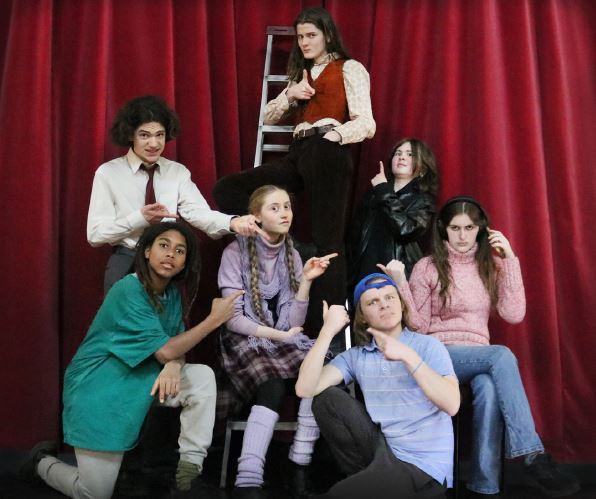
Teenagers who are part of theatre company Inside Out Dance Theatre in Daylesford, will take to the stage showcasing their passion and acting talents in a special production for Words in Winter.
The Day the School Went Under was written by director Jen Bray with the help of the students after improvising scenarios.
Two of the members, Dru and Jaime, have been attending classes for more than a decade. They will join fellow cast members Dante, Wren, Arlo, Alexander and Billy when they present their comedy play described as The Breakfast Club meets The Poseidon Adventure.
Two performances will be held on Saturday, August 26, at the Daylesford Town Hall. Book at Trybooking.com/CJYUG

August 19th, 2023Rosendale exhibition: part of Ballarat International Foto Biennale

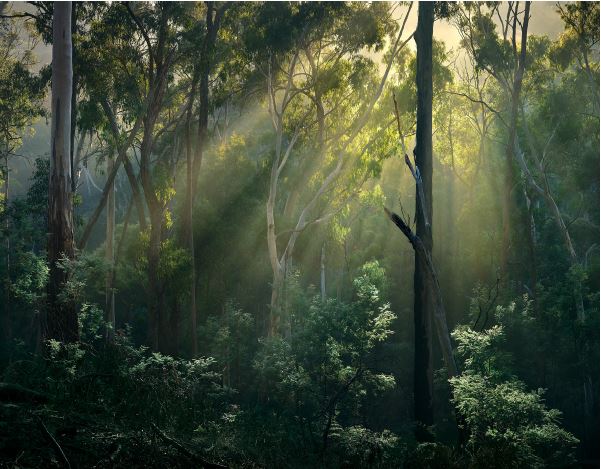
A new collection of large scale photographic works, captured in the stunning local Hepburn Regional Park and the Wombat State Forest, will be exhibited and on display at the Eastern Peake Cellar Door from August 26 to October 22.
The exhibition is part of the Ballarat International Foto Biennale, a festival that has grown in popularity since its inception in 2005 – the event first held in Daylesford, before it relocated to Ballarat as the festival expanded.
The 60-day event transforms the regional city, attracts international and Australian artists, and numerous exhibitions can be found in art galleries, restaurants, wineries, bars, laneways and cultural spaces.
This is Rosendale’s third exhibition in the regional festival, having a previous offering of his Alpine photography at Craigs Royal Hotel, Ballarat, in the 2017 Biennale.
This year’s edition at Eastern Peake marks an enforced shift in genre, and a sense of optimism, emerging out of the tail end of the pandemic.
“Covid restrictions were an extended period of loss no doubt, but also an opportunity to immerse oneself in the local landscape,” says Rosendale.
“Photography – being one of a host of greatly affected industries in that dark time of restrictions, unable to work or travel to my muse of recent years, the Alpine region of Falls Creek, there was indeed a lot of time to research art, painting, photography and common tropes of struggle, that have been depicted through art for centuries.
“I wanted to bring a traditional painterly style to my photography and imbue that traditional form of expression.”
Having a footprint in the goldfields for more than 20 years, when able to do so, a full-time move saw out the remainder of the pandemic, and inspired an immersion in the local forest.
The exhibition delivers a sense of mystery and freedom, of exploring a new landscape and the liberation of finally being en plein air.
Photographs by David Rosendale can be viewed at Eastern Peake Cellar Door, 67 Pickfords Road, Coghills Creek from Tuesday to Saturday from 11am to 3pm.
Link: www.ballaratfoto.org/program/photographs-by-david-rosendale/
August 19th, 2023That’s a lot of bull!
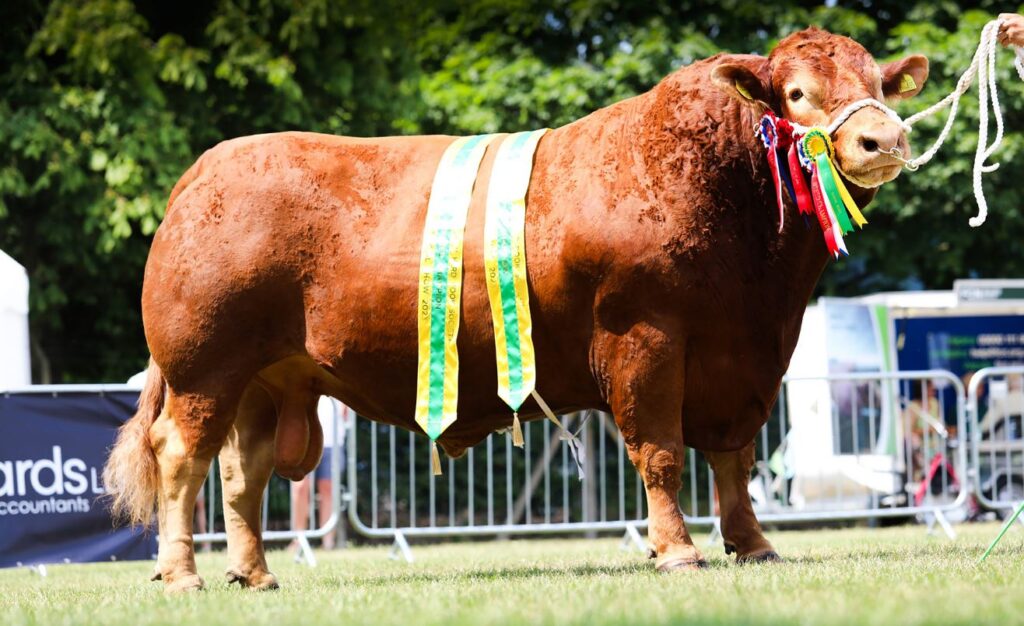
Trentham’s John and Sue Harvey, on the cusp of their retirement, are delighted with the recent news that a son of their bull Torr Down Marvel 3, AI Z Providence Dr Octopus (pictured above) has won Supreme Exhibit and South Devon Breed Champion at the UK National Show.
Dr Octopus, named after a Marvel cartoon character, is owned by the Tucker family of West Prawle Farm, East Portlemouth, South Devon. Sue said she and John wanted to take the opportunity to thank past and recent clients for their faith in the Torr Down bloodlines and wish them all the very best with their future breeding “while enjoying the many wonderful attributes of the South Devon, and meeting and making new friends along the way, as we have done”.
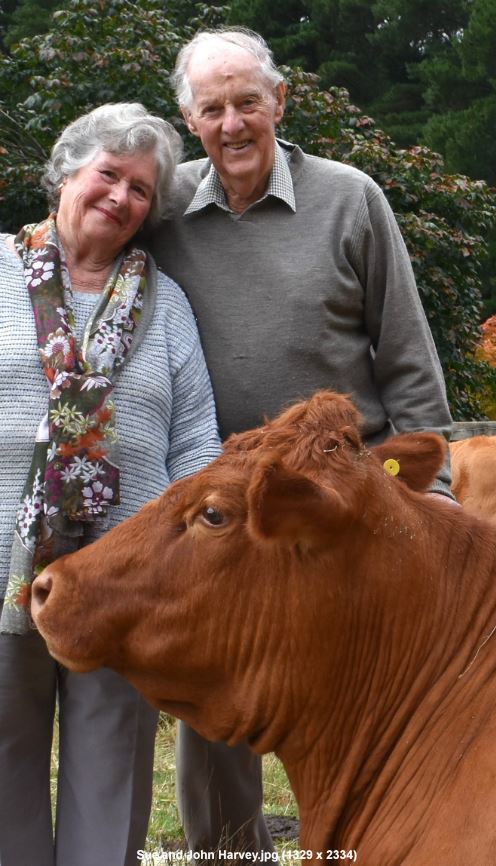
“With gratitude to our lovely cattle we will miss you, and bless you for a memorable lifetime. It has been an interesting and wonderful ride.”

August 18th, 202337 plays, 97 minutes, 3 actors

In the past 51 years The Mount Players have never performed any of Shakespeare’s plays – but that is being quickly rectified.
President Karen Hunt said the Players would be attempting all of them in one night. Thirty-seven plays in 97 minutes with three actors. “What could possibly go wrong?”
Karen said The Complete Works of William Shakespeare (abridged) was a delightful, fast-paced romp through the bard’s work as three manic men in tights hurtle through all of Shakespeare’s plays, leaving the audience in stitches.
“The Mount Players join FizzWack Theatre to bring a show that takes those long, sometimes tedious and serious subjects, and condenses them down into a couple of hours of frivolity. If you love Shakespeare, you will love this show. If you hate Shakespeare, you will love this show.”
The performance runs from August 18 to 26. For details and bookings head to www.themountplayers.com or call 5426 1892.
August 18th, 2023Friday’s time to ‘get your uke on’ in Clunes
Words and Images: Eve Lamb
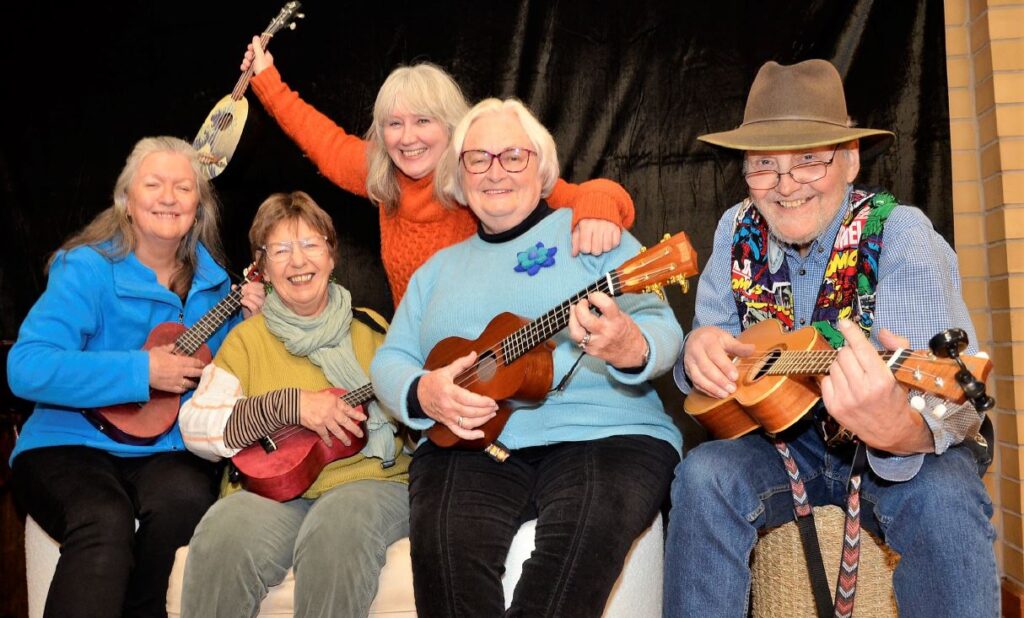
It’s Friday on a chill mid winter afternoon in Clunes but the sounds emanating from the town’s Attitude building have a distinctly sunny edge. The weekly ukulele group gathering is in progress.
This fun little group has been happening now for the past couple of years, ever since Attitude started and the pandemic lockdowns ended.
Attitude – Ageing Well (its full name) is a community-led initiative that provides a range of social, intellectual and physical activities for people aged 60 plus – but all ages are welcome.
“It’s lots of fun,” says uke group leader, Clunes’ Victoria Reeve who is blessed with a singing voice that can hold a tune. Several years ago now, she took up playing ukulele out of a long-held wish to learn a musical instrument of some type.
“I used to regularly go to the Ballarat group before the pandemic,” Victoria said.
A couple of years ago a friend, who wanted to learn to play this personality-packed little stringed relative of the guitar, urged Victoria to start a group anew in Clunes.
“At the time, I said ‘but I’m only a beginner myself and largely self-taught’, and she said ‘well that’s better than what’s currently available which is nothing’.”
The group started meeting informally at Victoria’s house but the response was strong and now it meets every Friday from 3pm to 5pm at Attitude Clunes headquarters in Fraser Street.
“We’ve now got a core group of about five or six who are pretty consistent and we always welcome new members,” Victoria says.
“Basically we just love playing and singing. We play a few songs from as far back as the 60s but mostly from the 70s, 80s and 90s and also a couple of modern ones as well.”
The focus is wholly on having fun, and socialising while enjoying music, but the weekly sessions do tend to reap results in terms of participants’ musical ability.
“It’s really good to have that regular meeting because it keeps you honest,” Victoria says as we discuss the importance of practice, practice, practice.
As group leader Victoria brings to the gatherings not just a love of music but also a professional background as an educator, albeit in the area of tertiary-level literary studies. She still works as a writing teacher for both adults and children, and also leads regular exercise classes as part of the Attitude program as well.
She says the reasons locals decide to pick up a uke and join the group sessions are many and varied.
“One of our members considers it her ‘me’ time and certainly singing together releases all of those positive brain chemicals. People learn best when they are happy and enjoying themselves,” she says.
“One of our members is a really good muso and had a career where she’s performed but everyone has their own reasons for coming along.
“One of our members just wanted to be able to play ‘Happy Birthday’ for family members, and another one likes to go caravanning and he wanted to be able to sit around the campfire and play.
“With the uke it’s such a fun little instrument. It’s hard to be dogmatic or didactic about it.”
For Victoria learning to play this fun little instrument was the fulfilment of a lifetime wish that began as a child. It helped that she could sing.
“There was a local group, since disbanded, that had started meeting here in Clunes back a couple of years before the pandemic and I took to it quite quickly. I went and bought my first uke and I now have five or six which is more than any human being needs,” she laughs.
“Because it only has four strings it is easier than guitar and it’s a nice portable little instrument.”
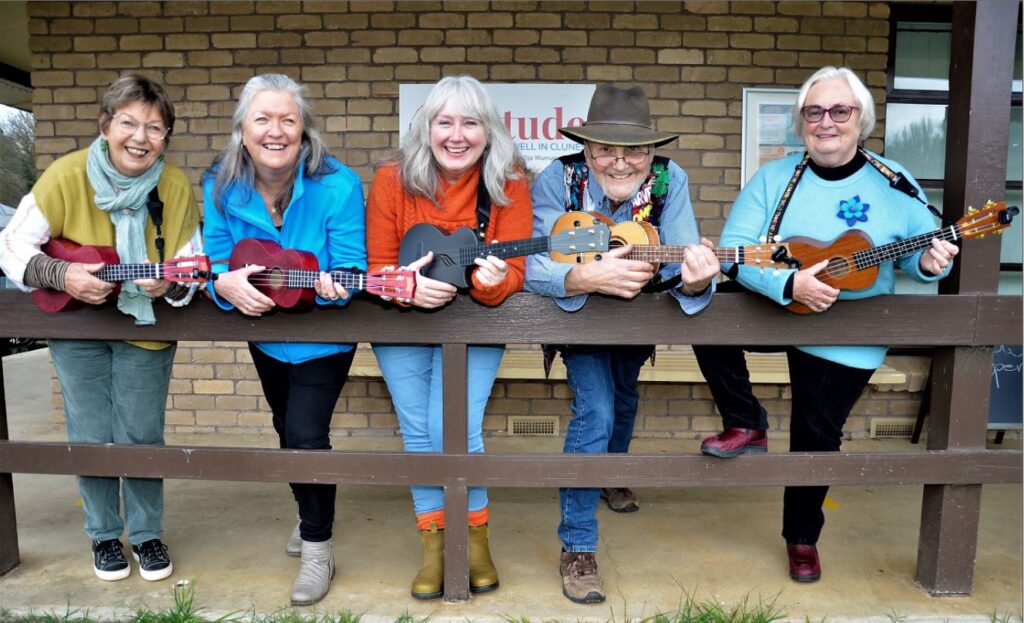
Those interested in taking on the uke may be inspired by the likes of uke super group, The Ukulele Death Squad, (Google it if you aren’t already familiar) which demonstrates what’s potentially possible with this slightly humorous and humble little instrument.
But there’s absolutely no pressure to perform at all for the Clunes group regulars.
“The group has a lovely social quality,” Victoria says. “There’s no pressure to perform. It’s a really nice way to make friends, sharing an activity. I would recommend it to anyone if they’re feeling a bit isolated.”
Group regular Sandra Nichols says that before the group started she had purchased a ukulele but had then left it sitting, unplayed, until the group came into being.
“I think playing a musical instrument is really good for the brain, and we sing as well which is really uplifting,” says Sandra who encouraged Victoria to lead the group.
All of the uke players agree the gatherings are a great mood boost.
“Music makes you feel good,” says Deb James who, like fellow group regular Graham Quemard, likes to take her uke on caravanning trips and take it out around the campfire.
If you’re interested in rolling up for one of the Friday arvo uke sessions at Attitude you don’t even need to possess your own ukulele as the group can provide spares for those keen to give it a go.
Those keen to place dibs on borrowing one and getting along for a session can contact Victoria on 0420-432-931.