


June 24th, 2023Wine notes with Clive Hartley

Gambero Rosso
The Gambero Rosso Top Italian Wines Roadshow rolled into Melbourne last month with over 50 producers represented from across Italy. It is a once-a-year opportunity to taste around 200 Italian wines.
The event is open to trade as well as wine lovers and is organised by Gambero Rosso, the organisation that publishes the definitive yearly guidebook on Italian wine. It is an eagerly awaited book to read who has achieved the top rating of ‘tre bicchieri’, the coveted 3-glass rating. It is a hectic few hours of tasting and a day I revisited some old familiar friends and found some new ones, in wine terms of course. Here are a few.
I’ve known Sella & Mosca from Sardinia for a long time. In Melbourne I tasted an aromatic 2022 Vermentino full of tropical fruits and herbs. Also recommended was their 2019 red Mustazzo Cannonau.
It comes from 50 year-old Grenache vines, grown at an altitude of 600 metres.
The wine had lovely sweet red fruits with a smooth and velvet palate. Bellavista is a sparkling wine from Franciacorta and the quality has always been high.
Nothing has changed with the current 2019 vintage Brut being elegant and with autolytic driven flavours that rivals a good Champagne. With well over 350 indigenous grapes in Italy there is always something new to discover and at the tasting it was the turn of Cesanese, a red grape from Lazio. The Casale del Giglio Matidia 2021 was a lovely bright red cherry juicy medium-bodied spiced red similar to a Gamay.
You don’t need to go offshore to taste some Italian inspired reds. Try Vinea Marson Sangiovese 2018 from Heathcote. It is a lovely, complexed wine with sweet fruit, herbs and cedar oak flavours. Or their 2017 Nebbiolo which displays classic herbs, flowers and tobacco aromas balanced by cherry and licorice flavours and was rated as ‘Outstanding’ in the Australian Wine Guide.
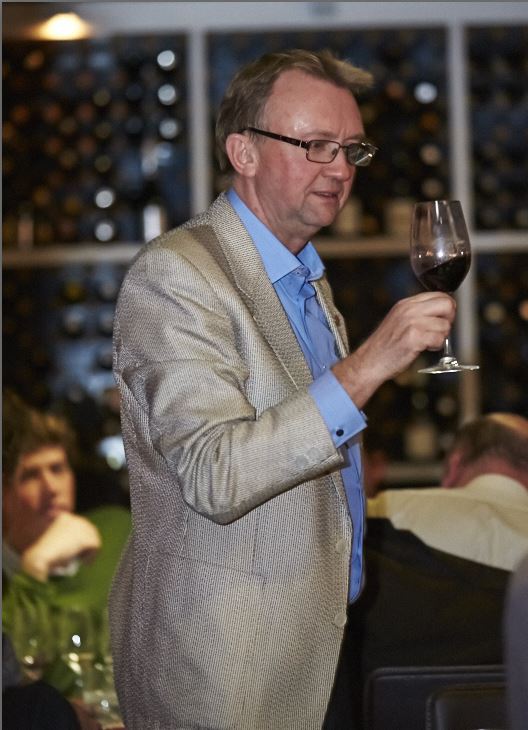
Clive Hartley is an award-winning wine writer, educator and consultant. His Australian Wine Guide (7th ed) is available for purchase from Paradise Books in Daylesford or via his website – www.australianwineguide.com.au

June 24th, 2023Kyle’s Rant


I AM seriously concerned about the price of living and the potential recession we have on our hands, and I don’t get it.
I cast my mind back to the global financial crisis of 2007 where in America five trillion American dollars got written down and basically the American taxpayers bailed out the banks. The banks were lending too much money to what was essentially a high-risk mortgagee bracket.
The banks went on to take their bailout money, pay themselves bonuses and then go on to fight Congress, who wanted to break up the banks and reform the laws, with that bailout money. The banks won.
Of course, everybody around the world felt the pain, countries like Iceland went broke and people all over the globe did their arses in property price adjustments. So, I understand why our Reserve Bank has had to tap the brakes through its lever of putting up interest rates, but for how long?
The problem for me is that I don’t understand how the RBA can have accurate data leading to decisions around the interest rates. Seven times in 2022 and four times – so far – in 2023, with the most recent increase being this month and the next hike looking likely for July.
The data that they are working from is at least three to five months old, without fuel, food and general cost of living having been accounted for in real time. Census for example, admittedly a lot more complicated and layered look at the population, actuates and then releases its data around 10 months after its initial capture.
So how can the RBA know that we haven’t collectively had enough interest pain? We all have blind faith in this force of bureaucracy that told us to borrow as much as we can as “the interest rates won’t shift until 2024”.
How do they know our pain and are they considering the cohort of honeymoon mortgages that are coming off their sub two per cent rates. These guys locked in a three-year fixed rate in mid to late 2020 when the real estate market was red hot. They are about to enter into the real world of six per cent plus rates!
My issue comes down to people in power at the helm of the economy, making huge impactful decisions on our lives and then getting driven back to their palatial mortgage-free homes in limousines paid for by the taxpayer.
Philip Lowe – governor of the RBA and his bunch of merry men/women/they/them/people/folks – it’s hard to keep up the hotheadedness when trying to be politically correct).
But these privileged humans have virtually no accountability, they use old data as a barometer on the economy as well as revenue tracking by our largest companies, which sure as shit is not filtering down to the world of the average pleb.
Why don’t they rock up to The 5000 Club at Vic Park in Daylesford or any of our local foodbanks, charities and churches to get a measure of what is really going on?
I’ll tell you why, even if their cars could make it across our bush track underfunded excuses for roads without blowing a tyre or crashing into a lane-drifting, texting tourist.
It is because it is easier to look at the world through the 16th floor of 65 Martin Place, Sydney, backslapping and guffawing while weighing up old, outdated data and making considerations and deliberations over a long lunch and an eye-wateringly priced bottle of shiraz.
FFS RBA rant over…


June 24th, 2023Just Sayin’…
By Donna Kelly

I HAVE been thinking about two things this week. Yes, you know me, multi-tasking yet again.
The first was after chatting with Anneke Deutsch. Anneke received one of the King’s Birthday honours, for her services to the community.
A proud lesbian herself, Anneke has spent many years working towards improving the lives of lesbians, especially older lesbians – along with a great career in prosthetics.
She is very inspiring to talk to – kind of makes you wonder what you have been doing with your own life – but it was also quite confronting.
I think here in some areas of the Central Highlands we live in a bit of a bubble. Same-sex relationships are common and I think nothing of seeing two women or two men hugging it out in the street. Of course, being of my generation, if it gets too involved I think ‘get a room!’ but that’s the same for hetero couples as well. There is only so much I want to see.
But Anneke reminded me that up until 2008 you could not put down your same-sex partner’s name on your superannuation form – and in the 70s and 80s a single woman needed a man as a guarantor on a mortgage. And as she said, that was unjust but doable if you had a father or brother who had not disowned you – because you happened to be born a lesbian.
Anyway, it is great that her work in this field – hopefully you have read the story on page 5 – has been recognised by such a mainstream award. I am sure King Charles would approve.
The other thing I have been thinking about is The Block. There are lots of rumours swirling, locally and in the metro media, that Scotty Cam and his crew are heading our way for the 2024 series of the housing renovation/building show.
From what I can gather, they are after 3/4 acre blocks ready and waiting for period homes to be moved onto them. And then you need room for lots of crew and cameras and building equipment and cranes etc. And fans.
So, for possible locations, I am thinking around the Smith Street development in Daylesford – very near Mitre 10, one of the show’s main sponsors. Or there is apparently some land at the back of Hepburn, which is just down the road from the Mitre 10. Or, drumroll please, the back subdivision at Glenlyon, of one-acre blocks, where bitumen has only just been laid down for some of the back lanes and driveways. I mean, who lays down bitumen in winter and why would you change the lovely, gravel laneways into city streets – unless city folk were making their way here.
This year The Block is coming together at Hampton, as in Melbourne, not Little, but last year it was in Gisborne, the first time it had been held in a regional setting. It was awful – the winter weather was crap, the mud was metres deep and the landscaping looked like a nightmare.
I talked to some Gisbornians (is that right?) and they agreed it was awful – mainly because it took them so much longer to get to and fro from their home, just a few doors up, not only because of the works but the rubberneckers driving by to try and catch a glimpse of Scotty and his merry men and women. But, on the plus side, they said real estate prices had now gone up again.
Good or bad news? I don’t know. If they do hold it here it will be a great tourism win for the region, which is always good. But it might mean an influx of new residents in a region already struggling to provide enough infrastructure for those who are already here, including older lesbians. We could try to have some input perhaps, but it might be already too late to down tools. Just sayin’…

June 23rd, 2023Frolic along: LGBTIQA+ events on the horizon

Community groups, organisations and artists have the chance to be part of Victoria’s state-wide celebration of lesbian, gay, bisexual, trans and gender diverse, intersex and queer (LGBTIQA+) communities this summer.
Minister for Equality Harriet Shing is encouraging groups and individuals to apply for grants of up to $15,000 to be part of the Victoria’s Pride Regional Activation Program.
Victoria’s Pride is an annual state-wide celebration of our diverse LGBTIQA+ communities. It includes a series of regional events held over the summer months and a one-day street party in Melbourne’s iconic Gertrude and Smith streets precinct, which will take place on February 11, 2024.
The event gives all Victorians the chance to learn about and demonstrate their support for LGBTIQA+ communities along with providing opportunities for LGBTIQA+ people to connect and express pride in who they are.
Leading LGBTIQA+ arts and cultural organisation Midsumma delivers Victoria’s Pride, through a partnership with the state government.
From now until August 8, Midsumma is seeking proposals for regional and rural Victorian activities planned for delivery on or in the lead-up to February 11, 2024.
Funded activities will form part of the Victoria’s Pride program and may include artworks, community celebrations, historical exhibitions and other projects documenting or highlighting the experiences of LGBTIQA+ people.
Applications are strongly encouraged from First Nations, gender diverse and culturally diverse people, as well as people with disability. Midsumma will run two information sessions on Tuesday, June 20 at 5.30pm and Friday, July 21 at 10.30am.
Commissioner for LGBTIQ+ Communities Dr Todd Fernando said the regional and rural activities for Victoria’s Pride were a chance to highlight that people with diverse genders, sexualities and sex characteristics are part of every community.
Link: www.midsumma.org.au/regional-activatio
June 23rd, 2023Prof Entwisle guest speaker at Winter Feast, Daylesford
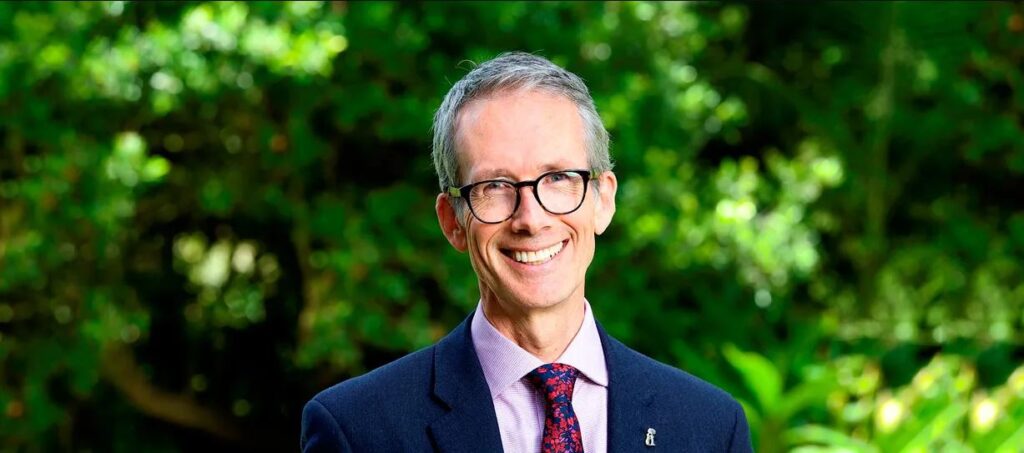
Professor Tim Entwisle, the retired director of the Royal Botanic Gardens of Victoria (Melbourne and Cranbourne), will be the guest speaker at this year’s Winter Feast on Tuesday, July 4 at the Daylesford Town Hall.
The event is a picnic cabaret hosted by the Daylesford Horticultural Society and The Friends of Wombat Hill Botanic Gardens.
Tim had prominent roles at both the Royal Botanic Gardens in Sydney and The Kew Gardens in London before returning to Melbourne in 2013 and is one of Australia’s most renowned botanists.
BYO food and drinks. Details on Facebook. The event is free but bookings are essential via Eventbrite.

June 23rd, 2023Artists of the Central Highlands

with Eve Lamb
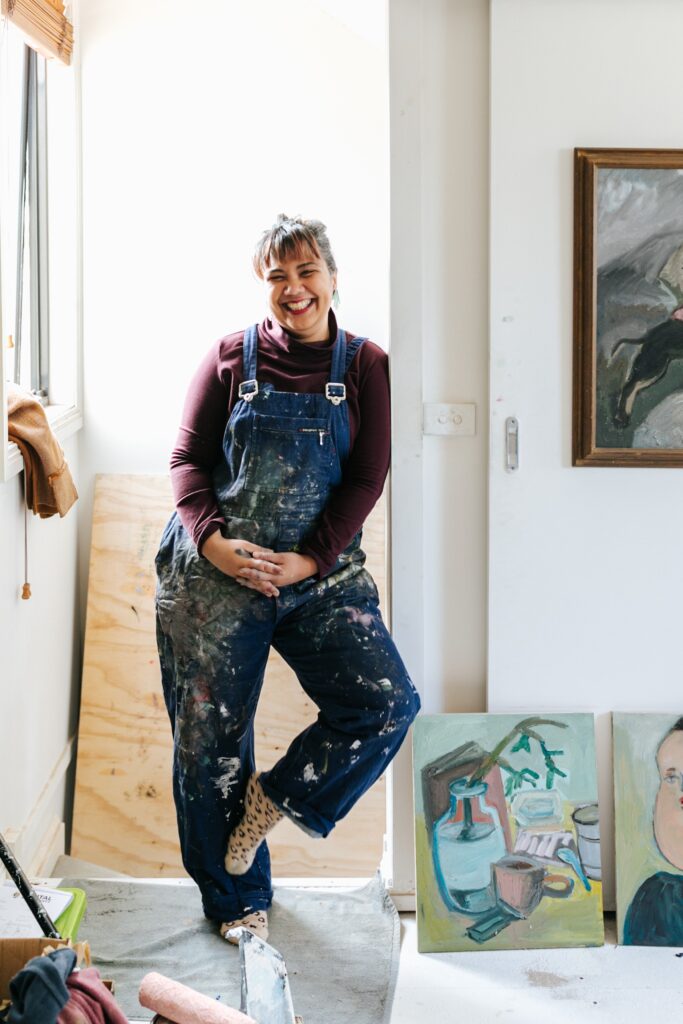
Armed with a personal attitude that “life is too short” Karima Baadilla (pictured above) ditched professional accounting to pursue her passion for art, and swapped life in the inner city for a tree-change at Clunes on the old central Victorian goldfields. She is now a multi-media artist whose prints create a narrative of everyday life, migrant identity and community that is fresh, vibrant and tends to bring instant cheer.
Eve: Hi Karima. It’s great to have artists like you enriching the community of Clunes with your work. How long have you resided in Clunes now and where did you shift here from?
Karima: Hello, thanks for reaching out. We came from the inner west suburb of Footscray and this past April it’s been two years now. Time sure does flies.
Eve: What attracted you to Clunes?
Karima: We got to know Clunes because of (local real estate agent) Angela Flowers actually. She was such a personable lady and speaks highly of our town of Clunes. When we actually saw it, we knew exactly what she meant.
Eve: How do you describe your artistic style? And how did you come to art?
Karima: I guess I would call my artistic style fun and a little weird. Haha!
I didn’t come to art the traditional way. I was a certified practicing accountant for about eight years before abandoning that. Long story, but basically life is too short not to do what you want.
Eve: I hear you are currently pursuing further studies at Bendigo. Can you tell us a little about that? What are you studying?
Karima: I have always loved studying; it’s an ongoing obsession of mine. Currently, I am pursuing my honours year in Fine Art, studying is a great way to enrich your art practice and learning the context in which my work sits in a wider realm of visual art.
Eve:What goals do you hope to achieve through your art at this stage?
Karima: The honours year is a research based degree, and I am working towards a mini thesis that scares the pants off me!
Eve:Which artists, current or past, influence your own work?
Karima: I love works by our First Nations artists such as Emily Kame Kngwarreye and the works of Rosalie Gascoigne (AM), the New Zealand-born Australian sculptor and assemblage artist.
Eve:What is your media of choice?
Karima: I am trained as a ceramic artist through RMIT, but my love is painting.
Eve:What do you find inspirational? Your subject matter of choice? … Why so?
Karima: Persistence and generosity are what I find to be inspirational, and people around me give me that all the time. People like (Clunes Neighbourhood House manager) Lana de Kort the way she gives to the community tirelessly, Marguerite Clancy who is a new(ish) friend of mine, who just finished her fourth(?) book and Christine Lethlean another Clunes resident who curates amazing exhibitions through Textile Palette.
Eve:Do you work in any other area besides your arts practice?
Karima: I am a bit of a bowerbird (LOL) I jump around. I was working for Renew Australia as an arts administrator and curator for about four years before I move to Clunes. Since then, I have dabbled with casual gigs – floristry, mural assistant, and teaching kids’ workshops.
Eve:Do you have any exhibitions or special arts events coming up that you would like to let others know about?
Karima: I am working to put more works through Boom Clunes with other community artists. Keep an eye out for ‘Dogs of Clunes’ merchandise!
June 23rd, 2023Landscape prize up for grabs … if you’ve got the talent!
The Maldon Artist Network has partnered with EDGE galleries in Maldon to present the Maldon Landscape Prize for painting, drawing and mixed media.
The $10,000 prize is sponsored by the HMR Foundation based in Italy. The prize encourages artists to personally interpret landscape. The theme, Essence of Place, invites artists to bring their skills – everything they know, observe, and apprehend, to create work for consideration that may be formal, technically
balanced, out of order, maverick, wildly inventive, traditionally understood, arresting, composed, sublime, joyous, anguished, abstract or a combination of the above.
All works will be submitted digitally online for initial judging by a panel of professionals and the finalists will be exhibited at EDGE galleries. Entries are due to have been submitted by September 8. Landscape painter Mary Tonkin will judge and award the prize. Links: www.maldonartisnetwork.org.au or www.edgegalleries.com
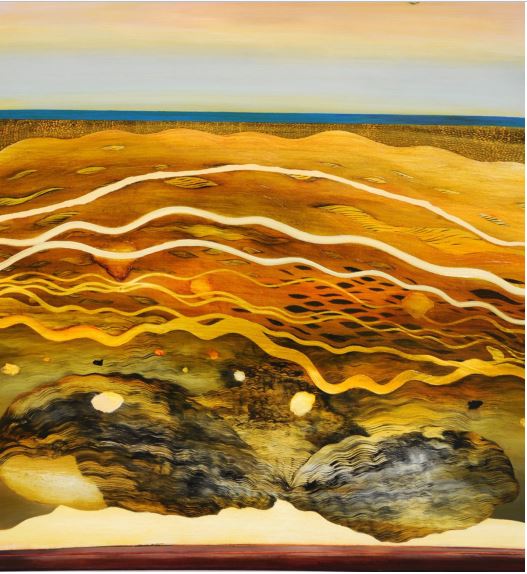
Pictured above is an example of Essence of Place, Geobloom No. 4 by Philip Hunter
“Philip Hunter was an original, unlike any other painter, in the way his draughtsmanship was in constant service to a symbolic and evocative vision of the country.” (Peter Graven, Sydney Morning Herald, May 15, 2017).
As well as being a dedicated landscape painter Philip Hunter was an academic. Having graduated at Prahran College he later completed postgraduate studies at the Victorian College of the Arts. Philip first taught at Prahran and then became a legendary teacher in painting at the VCA.
Image reproduced with permission
June 22nd, 2023Leeanne socks it to us

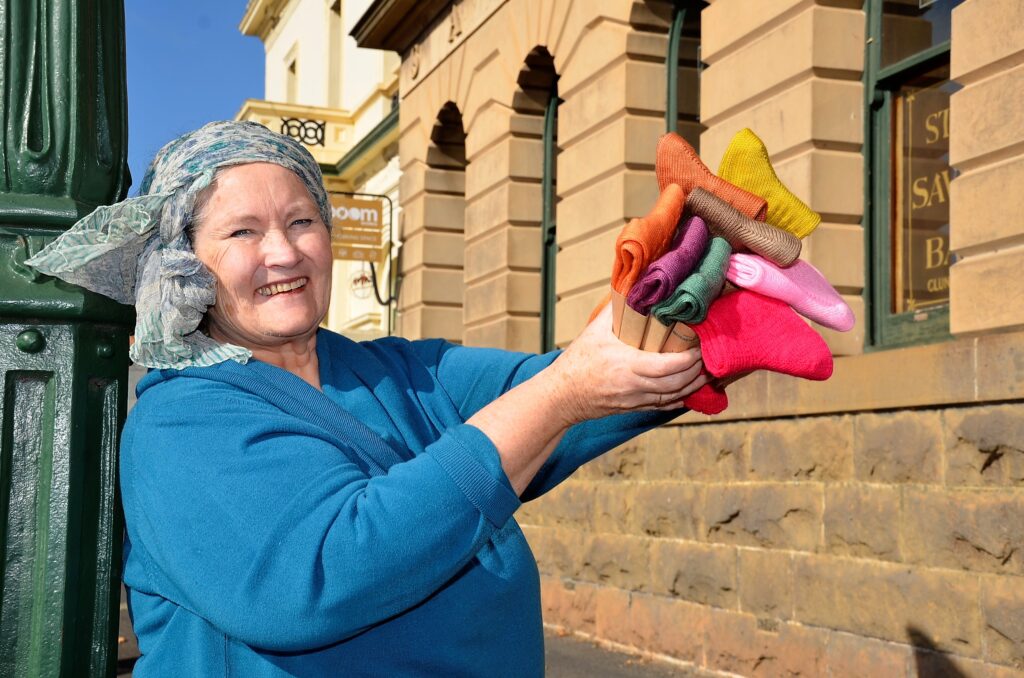
Finding an enterprise that makes beautiful handmade socks in every colour of the rainbow in Clunes is really not so odd.
The Odd Sockery’s slogan is ‘Bringing Sock Making Back to Clunes one Pair at a Time” and, as owner and sock maker Leanne Wills (pictured above) says, that’s because commercial sock making actually happened here way back.
“The history does fascinate me,” she says.
“Historically Clunes did have a sock manufacturer here and that history really struck a chord with me, the fact that it ties in with the history of Clunes.”
The Odd Sockery has now been bringing sock making back to Clunes since 2018, and to do so Leanne brought her own considerable background in textiles – and a vintage Gearheart Circular Sock Knitting Machine circa 1904.
“This is a circular sock knitting machine that I found on eBay. It had been in a museum home in America. It was in parts and when we brought it out we didn’t know if it was all there and we didn’t know if it was working. We took a punt,” she laughs.
Fortunately, it was a punt that paid off and now, from this machine and other restored and newly built machines, Leanne designs and creates a wide range of socks – all hand cranked and dyed.
They forge a link to the town’s rich history of sock manufacturing going back to 1939 when the Interknit Hosiery Company produced its first pair of socks in Clunes.
“I’ve been able to go on from there and develop into a whole array of experimentation. I’ve discovered the whole world of colour and my confidence has just burst through and I’m loving working with dyes,” Leanne says.
Visiting this rare little enterprise that has its main shopfront at BOOM Clunes in the town’s Fraser Street, is a sock fanciers’ dream come true as the colours come in just about every hue imaginable, striped and solid, and the yarns used are a tactile treat.
To reel off a few options in The Odd Sockery range, there’s merino hand-dyed numbers, there’s the striped sock, the ribbed top shortie, the possum merino, the custom sock designed to meet individuals’ health, circulation and colour palette wants and needs.
There’s the art gallery collection, designed originally by Leanne in collaboration with the Ballarat Art Gallery shop where they’re also stocked.
“They feature a loose rib top boot sock with contrasting cuff, heel and toes made using Nundle woollen mills Australian merino yarn – which I just love – and Danish self striping yarns that are processed in Italy,” Leanne says.
She says The Odd Sockery socks are all finished using the famed “Kitchener stitch” so named after the British Secretary of State during World War One.
“Commercial socks today have a ridge at the toe but the socks I make on this machine are the same as a hand knitted sock,” says Leanne who knows her sock history.
“The Kitchener stitch is hand stitching when the sock is being finished and it was developed to help prevent trench foot in the war because a big threat to the army was trench foot which was exacerbated by ridging on socks causing irritation and infection.”
She says the ultra warm merino possum range is a recent addition and has “a lovely story” behind it.
“I’d been asked a few times about possum but I wasn’t sure about it. Then unsolicited, I had a local Aboriginal elder approach me and she took me aside and said I give you permission to bring back possum.
“The possum wool we use comes from New Zealand where the possum is an environmental pest. We don’t get any of it from here where it’s protected. They’ve set it up in New Zealand as a way of controlling its numbers.
“I’m just delighted with the whole story of these. I feel very privileged to have had the Aboriginal elder’s blessing on that.”
Another new development is the very recent introduction of The Odd Sockery’s Donegal tweed range which Leanne makes using tweed yarn imported especially from Donegal, Ireland.
“It is the warmest sock – apart from the merino possum – that I’ve ever worn,” she says.
“These are a sock for those who are truly dedicated to warm feet. They’re more suited to being a dress sock and they also make wonderful bed socks.”
Leanne says having BOOM Clunes as a main shopfront has been great for her unique little enterprise.
BOOM also operates as a co-working space and also stocks a wide range of other creations made by local craftspeople, artisans, writers and producers. The money that comes in stays in the local community.
At this time of year Leanne is at full stretch meeting demand as many sock fanciers can’t wait to slip on a warming pair of The Odd Sockery’s lovingly hand cranked and hand dyed foot apparel.
“I do have trouble keeping up because everyone wants them at the same time,” she laughs.
“It is slow fashion. Yes I am using technology, but it’s industrial revolution technology.”
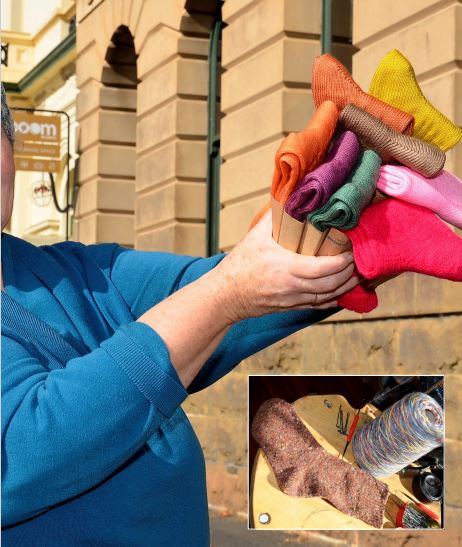
While the manufacturing process may be retro, the Odd Sockery’s sales mechanisms are more up to the minute, and the Clunes-made socks are now finding their way all around Australia via The Odd Sockery’s online shop.
Leanne has even started a Facebook group – Circular Sock Knitting Machines and Knitters of AUS – for those keen to learn more about the rare old trade. It has over 500 members and quite a few of them also regularly get together in person in Bendigo.
Words and Images: Eve Lamb
June 22nd, 2023All about women who launch… and brunch

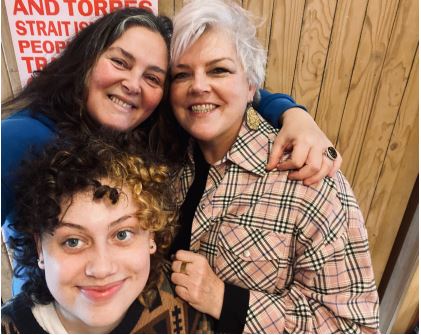
Tasha Robinson
Daylesford’s Women to the Front launched into the world in style on International Women’s Day back in March and is now busy preparing for it’s next local event in August.
Em Ireland is a main moving force behind the Women to the Front concept and is no stranger to many as Daylesford’s ChillOut festival director with over 25 years of music and events industry experience.
Em’s resume includes work on major fests like Big Day Out, Meredith Music Festival and Golden Plains and she runs her own events management company. In making Women to the Front a reality, with plans to ultimately see it take off nationally, Em is ably assisted by Tasha Robinson at their Daylesford HQ.
“Women to the Front is an event and forum that celebrates, supports and honours women in industry,” she said.
“It’s a multigenerational thing. I’m a 50-year-old woman and Tash is a 20-year-old woman and one of our aims is to connect new businesses with older businesses and provide mentorship.”
Em says Women to the Front aims to connect, support and mentor women from all sorts of business and industry sectors from food and agri business to the science, health, education and arts sectors.
Touring their enjoyable networking events – think brunch in pleasant setting with interesting guest speakers – to regional and metropolitan areas is a key aspect, and Em says that when they held their launch event in March a pleasingly wide cross-section of business and professional backgrounds were represented.
“We had midwives, local ice creamery and hot chocolate entrepreneurs, primary producers, musicians, teachers, and media professionals,” she says.
“Initially it’s a festival run event, promoting women. But behind the scene is an infrastructure created to share nationally, bringing women to the front of their industries and promoting and assisting other women through mentoring, socialising and connection to share valuable ideas and safe work practices.”
Em says the ultimate hope is to connect women in regional areas who are isolated, linking them both socially and within industry.
“Mental health issues are at an all time high and people have been forced into isolation,” she says.
At the moment Women to the Front are getting set to host another Daylesford event in August.
“We’ve invited women from across regional areas and some metropolitan Melbourne to join in a discussion about surviving the winter months and what the coming year looks like,” Em says.
For the annual Words in Winter festival they’re also planning to stage a women authors’ panel.
Making women in the community know they’re seen, heard and supported across all ages is a main motivator behind the formation of Women to the Front – “especially trans women and non binary persons who identify as they, them, femme,” Em says.
Enhancing the experience of people in the community and creating lifelong connections, and infrastructure, for people to use and enjoy for years to come are additional main motivators she mentions.
“We want women to not feel alone,” Em says.
For those keen to know more, they’ve set up an Instagram account with the handle @womentothe_front where they give recognition to women in industry.
Words: Eve Lamb | Image: Contributed
June 22nd, 2023Concerns about in-home care price rises

A Creswick local has spoken out over changes to a Commonwealth Home
Support Programme pricing schedule being implemented by in-home care
provider, Benetas from July 1.
The resident, who wished to remain anonymous, contacted The Local saying the
cost of using the in-home CHSP care services is rising by around 130 per cent for her,
with the changes becoming effective from July 1.
She also raised concerns about the lack of support workers saying it was
sometimes just the “luck of the draw if your support worker arrives on the day
allotted to you”.
A Benetas spokesperson said in order to keep pace with cost of living increases
and supplier charges, there had been a review of the organisation’s pricing. “This has
resulted in price increases for some services, in line with pricing recommended by the
government.”
The 65-year-old resident, who receives help due to mobility issues, said it had
been 12 months since Benetas took over the aged care service from Hepburn Shire
Council.
“I received the schedule of new fees and it is interesting to note that they now
have three levels. If you are in the lower or middle-income bracket these new fees are
large increases. I fall in the middle-income bracket as I am still working, but I still
have a mortgage and being a woman in her older years with no superannuation to
speak of, this means if I stop working, I will lose the roof over my head. The result
will not be a good one for me.”
The resident said over the past three years she had received three hours of
domestic assistance for 1.5 hours per fortnight or three hours per month for $21.
That would now be $49.50 – an increase of about 130 per cent.
“I feel for those of us that have worked all of our lives, raised children on our
own, paid taxes, not received child support from our ex and not (been) granted
superannuation until early 2000 (at a measly three per cent).
“It is sad that now not only do I have to keep working in my sunset years and face
looking after myself as I won’t be able to afford home care once I stop working. How
is a single person on a pension going to find the extra money for care when they can
barely eat or keep themselves warm?”
Raising staffing concerns, the woman said she believed many support workers had
left as they were being paid less than when they were with the council, and were also
spending hours driving around the shire and not being paid for their time
“It is the luck of the draw if your support worker arrives on the day allotted to
you, as they are often shunted around and more often than not the person who is
waiting for them (the client) is not informed.
“When they don’t show up you are often told you will be waiting for your next
allotted day (in a fortnight) as they have no-one to backfill.
“If your support day falls on a Monday which mine has sometimes – and it’s a
public holiday – too bad, you wait another fortnight for a service. Trying to ring
them is a nightmare as the phone often rings out. They frequently state they will get
back to you and don’t.”
A Benetas spokesperson told The Local the organisation valued the opportunity to
support “the care needs of our clients in the local community”.
“As a not-for-profit organisation, it is essential that we remain competitive on
pricing compared to other service providers in the market, so we can provide the best
level of care for our clients in the long term.
“In order to keep pace with cost of living increases and supplier charges, we
have recently completed a review of our pricing schedule. This has resulted in price
increases for some services, in line with pricing recommended by the government.
“We continue to invest in improving the services we provide and in supporting
our team members with appropriate remuneration in recognition of the important
contribution they make in caring for our clients.
“We would welcome the opportunity to discuss the feedback that the client has
raised to ensure that we are supporting their needs appropriately.”
Hepburn Shire Council won a Local Government Professionals award for its Aged
Care and Disability Services Transition, after its decision to withdraw from offering
aged care provision.
Words: Eve Lamb & Donna Kelly
June 22nd, 2023On air: The Local podcast is back

The Local is hitting the airwaves with the return of its Country Life podcast.
The fortnightly podcast unwraps each edition of The Local, and is brought to you by general manager, or
Ranter, Kyle Barnes and editor Donna Kelly. Kyle said the podcast was a down-to-earth look at the stories and their backgrounds, published in The Local.
“A couple of years back we ran a podcast four times a week during Covid to keep the community informed.
The podcast included many interviews and a wrap-up of the paper which was weekly at the time.
“This fresh approach is to have a bit of a look at the story behind the stories using plain speak and the
experience of the editorial team. There are also a few colourful anecdotes along the way.
“It’s all about being local and real. We are not comedians swearing and carrying on, just an editorial
team doing a wrap-up at the end of each production.
“And if people are a bit time poor but want to keep up with their local region, it is an easy way to do that.
“Like with all podcasts, and there are so many out there, you can check it out in the car while driving
around the region, at home while you are doing the boring stuff like the dishes or gather the family
around the wireless after dinner for some wholesome entertainment. Jokes.”
Tune in at www.tlnews.com.au and scan the QR code, which is always within the top four posts. Or head
to Spotif

June 21st, 2023Being seen … for a career in ophthalmology
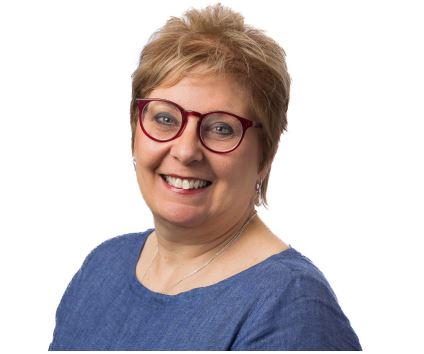
DR SANDRA Staffieri has been appointed an Officer of the Order of Australia for distinguished service to medicine as an orthoptist and vision researcher, and to paediatric ophthalmology.
The part-time Hepburn resident is a research fellow at the University of Melbourne’s Centre for Eye Research Australia and the Retinoblastoma Care coordinator/senior clinical orthoptist at the Royal Children’s Hospital.
Her research is focused on hereditary eye diseases, including congenital glaucoma, congenital cataract, eye movement disorders and retinoblastoma.
Dr Staffieri’s PhD, with the aim of reducing delayed diagnosis of retinoblastoma (eye cancer in children), included the development and evaluation of an information pamphlet for new parents describing important early signs of eye problems in children.
Dr Staffieri said while her career had been “accidental” in many ways, she took her work very seriously and was privileged to be able to help families through journeys after days that were often their worst nightmare.
While she trained as an orthopist, gaining a diploma in 1984, she upgraded that to a Bachelor when it became available in 1992 and found herself working in paediatrics. “I actually wanted to be a paediatrician growing up so that was pretty lucky, and it was really just how my career unfolded. I am well known to have said I prefer working with children than adults.”
Dr Staffieri then found herself coordinating children with retinoblastoma in Victoria and Tasmania at the Royal Children’s Hospital – ensuring all screening appointments were kept along with tracking down any better available outcomes for the children and their families.
“We were giving families quite devastating news, that their child has cancer or is at risk of cancer, and that is quite harrowing and involves a lot of intervention for many years. Anyway, it was a conference in 2012 where it all took off and I realised that delayed diagnosis was really common even in a country like Australia.
“Children could be diagnosed earlier but parents sometimes did not know the signs that something was not right, and even health care professionals could be unaware. That is purely because the child is well and healthy and they keep doing what everyone else is doing – it is not like many other cancers.
“So it became my mission to try and improve things and the past 11 years I have had an incredible journey, doing a PhD in developing awareness for parents and trying to get that implemented on a large scale here and overseas.”
Dr Staffieri also went to Papua New Guinea earlier this year to implement more awareness strategies – a country where children still die from retinoblastoma.
Dr Staffieri is also kept busy doing genetic eye research at the University of Melbourne’s CERA and works on the characteristics of eye diseases, tracking down family members and getting DNA samples.
“If we can unravel the secret of why different eye diseases occur and why some people have greater vision loss than others, then we can look at different treatments, and better treatments.”
Dr Staffieri said working with children was challenging but not in the way many people would think. “It is just a different set of skills and there is nothing more rewarding than being able to talk around a really frightened child and being able to get all the information you need from them for the team to make a decision. That is quite rewarding.”
Retinoblastoma can run in families, which means many of the children seen 30 years ago are now coming with their own babies for screening, but for the most part there is no family history involved. But it remains the most survivable of paediatric cancers, offering very good long-term outcomes.
Dr Staffieri said her house in Hepburn was her “happy place” where she and her husband could retreat from their busy work lives and “catch our breath”. “It’s been a real godsend and we have been looking to move up to Hepburn for a long time now the kids have all flown the nest.”
The connection came years ago when her mother migrated at the age of 13 with her family after World War II. They ended up at the migrant camp at Bonegilla in Victoria and then her mother was sent to the Daylesford Convent as a boarder.
“Every year in autumn Mum would traipse us up to see the Presentation nuns and I loved the autumn colours. When we are here we watch the autumn evolve and then the leaves are gone and winter comes and then we see spring and the green fuzz of the leaves on the trees. We just love to be here, kick back and relax.”
Dr Staffieri said she had mixed feelings about her award because in some ways represented “someone else’s grief – but I also have the incredible privilege to be there for them and try and make it a little easier and then I watch their kids grow and that has been incredible. From that first day with the parents thinking the world has opened up and they have fallen through a crack, yet their children have got through all of that and grown up to be adults and do amazing things. It is overwhelming and pleasurable in equal measure. It is nice to be recognised, because it is not just a job, but I do what I hope someone would do for me if I was in their shoes.”
Words: Donna Kelly | Image: Contributed
June 21st, 2023King’s Birthday honour for Anneke Deutsch
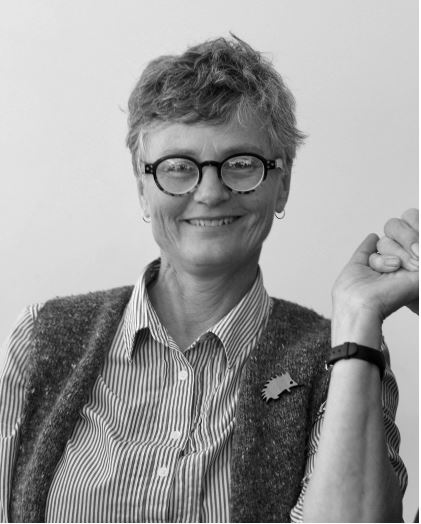
DAYLESFORD’S Anneke Deutsch has been awarded the Medal of the Order of Australia for services to the community.
The 61-year-old, who identifies as a proud lesbian, said it was wonderful that her work had been recognised by the King’s Birthday award.
“I’m most proud that my service to older lesbians is being recognised with this mainstream honour. Social acceptance has changed so much over my lifetime. When I first started working in the early 1980s, I was closeted because coming out would have negatively affected my career. It’s easier now, but still there are other battles that we must fight as same-sex attracted, lesbian-identified women.”
Ms Deutsch’s professional career included working with Ballarat Health Services as a clinical leader and senior prosthetist, with LaTrobe University’s School of Human Biosciences as a sessional lecturer and with AusAID, Australian Business Volunteers and the International Society for Prosthetics and Orthotics as a prosthetist, tutor and co-ordinator. The last included establishing a prosthetic, orthotics and rehabilitation
service in Tarawa, Kiribati where they made the first leg prostheses for i-Kiribati people – teaching locals how to make artificial legs so that they could run their own rehabilitation centre.
And if that was not enough, Ms Deutsch also turned her hand to volunteering locally and with national and state organisations, much of her work aimed at improving the lives of lesbians, especially older women, around the country.
She was a founding member of Hepburn Wind, the first project of the Hepburn Renewable Energy Association and the first community-owned wind farm in Australia, later known as the Sustainable Hepburn Association or SHARE. One project was to organise the first of the bulk buy solar arrays including installing a free one for the Daylesford Community Child Care Centre.
Ms Deutsch was also a member of the Hepburn Health Service LGBTI Aged Care Advisory Committee and helped the health service achieve the Rainbow Tick Accreditation for its aged care services, a first in Australia.
From 2008, she has volunteered with the Matrix Guild of Victoria, a charity for older lesbians, taking on roles including Housing and Aged Care spokeswoman, secretary and president. Her work led to the creation of the first social housing specifically for older lesbians in Australia – establishing a partnership with the community housing provider, Women’s Property Initiatives.
Ms Deutsch is currently busy on her latest challenge, as the co-founder of Older Women In Cohousing or WINC. The not-for-profit group is creating a 32-home cohousing community in Castlemaine, based on sustainability, accessibility, architecture to enhance social interaction, inclusion for women with a range of
financial assets, a culturally safe place for older lesbians and the sharing of intellectual property to help others with co-housing communities.
Ms Deutsch, whose work this year was also recognised with her inclusion on the Heather Mutimer International Women’s Day Honour Roll for Hepburn Shire, said while same-sex relationships were now accepted it had not always been the case and many older lesbians had been through very difficult times.
“I have always been someone who volunteers, and started with sustainability
issues and Hepburn Wind, but then I realised I could use my personal experience
being a lesbian to help others. My own relationship is at about 35 years and while it
(same-sex relationships) is something now quite accepted, especially in a place like
Daylesford, that was not always the case.
“I was trying to organise a big lesbian festival in ’98 and it was hard to find a
venue that was happy to host us or was comfortable with us. And it wasn’t until 2008
that I could nominate my partner for my superannuation if anything happened to me.
“And in the 70s and 80s you couldn’t get a mortgage unless you had a guarantor
who was a man. That was alright if you had a brother or a father who had not disowned you, but a lot of lesbians were not in that situation – so you couldn’t house yourself.
“‘Queer’ was an insult and many old lesbians have not reclaimed that word,
myself included. My lesbian partner and I had friends who left straight marriages for
a woman partner and lost custody of their kids as a result. Their ex-husbands could
argue in court that their ex-wives were unsuitable custodial parents simply because
they were lesbian.
“I am 61 now and when I look back I realise how far we have come in many ways, but there is more to do.”
One of those is WINC, a project aimed at providing affordable housing for older
women, mostly lesbians. The group had hoped originally to buy land in Daylesford
but are now coming close to fruition on land bought in Castlemaine.
The 32 dwellings are almost full with about 80 per cent taken up by lesbians.
Older women who do not identify as lesbian are welcome to apply for the housing
which is partly social housing, partly fully paid and also for “middle women” who don’t have enough to buy a home but have too much to be eligible for social payments.
Ms Deutsch said the group was now looking at different means of offering shared
equity through either private investors or perhaps government investment.
“I think if it comes off it will be a great pilot for any women – older women, lesbians – who can’t buy a house. And we are at the planning permit stage, so nearly there.”
Words: Donna Kelly | Image: Dorothy McDonald

June 21st, 2023Shelter at ‘catpacity’: new homes needed

Staff at the Ballarat Animal Shelter say the shelter is nearing catpacity, and needs to find plenty of new loving homes for many of the feline residents.
The City of Ballarat says it’s urgently looking for loving furever homes for as many cats as possible to make way for incoming animals who also require care and rehoming.
Until 30 June 2023, all adult cats are available at a reduced adoption fee of only $50 – down from the standard adoption fee of $140.
Please call the Animal Shelter on 5334 2075 to be matched with the purfect cat for you. The staff at the shelter know the resident cats and can make suggestions to the best fit for you and your family.
Despite a bumper month for adoptions throughout May, which saw a total of 122 animals adopted – 86 of these were cats – there are still more than 150 cats residing at the shelter.
Many of the cats in the Ballarat Animal Shelter now enjoy the life of a solo pet, so residents who do not own a pet are encouraged to do their research to determine whether a cat can fit into their family.
Cats do fit into domestic life and routines easily and comfortably and can provide wonderful companionship and pawsitive impacts on their owners.
The adoption fee includes all veterinary checks, worming and flea treatment, de-sexing, microchip, and City of Ballarat registration if you are from the municipality.
City of Ballarat Deputy Mayor, Cr Amy Johnson said it is a great opportunity to add a fluffy companion to your family.
“Cats are wonderful, low maintenance pets to have around the home and can be a great addition to your family,” she said.
“Why not consider an adopted cat as your first pet, the great team at the Animal Shelter can help you make the right decision for you and your family.”
Visit the Ballarat Animal Shelter website or contact the team on 5334 2075 to make an appointment to find your new furry friend. The experienced staff will help you find the ideal fit for you and your family.
Cat owners in Ballarat are required to keep their cats confined at night, and a Cat Curfew exists to minimise harm to the environment and wildlife and to keep cats safe from road traffic.
June 21st, 2023The ‘Rat stepping up to help tackle climate

Ballarat businesses and organisations are joining the City of Ballarat in working to reduce carbon emissions to address climate change, the Ballarat City Council says.
More than six months after Ballarat City Council adopted the Ballarat Net Zero Emissions Plan on 26 October 2022, the City of Ballarat has held a session to check-in with businesses and organisations to hear about emission reduction actions already taking place and plans for future actions.
The Ballarat Net Zero Emissions Plan outlines an aspirational community-wide target of reaching net zero emissions by 2030 and the actions required in order to achieve this target.
The plan identifies five key areas of action including business, homes, new developments, transport and waste. The plan identifies the role of stakeholders, including the City of Ballarat, businesses and industries, households and individuals, and community groups in progressing towards net zero emissions.
The event, on Thursday 8 June, was an opportunity for Ballarat organisations to share their climate action achievements and ambitions.
The session heard about actions including the newly launched Ballarat Energy Network by Committee for Ballarat, Smart Living Ballarat Program, as well as emissions reduction initiatives by different organisations including BREAZE, McCain and Laminex, among others.
City of Ballarat Councillor Belinda Coates said the session showed organisations and businesses are committed to reducing carbon emissions to net zero by 2030.
“To reach net zero emissions by 2030 requires a bold and challenging approach from our entire community,” she said.
“While we facilitated its development, the Ballarat Net Zero Emissions Plan is designed to be a roadmap for collaborative action and outlines how we can partner with our community, businesses, community leaders and other levels of government to be more sustainable.”
The Ballarat Net Zero Emissions Plan builds on the work that the City of Ballarat and wider community are already undertaking to reduce emissions in order to achieve an environmentally sustainable future.
City of Ballarat actions include transitioning City of Ballarat fleets to net zero emissions including the installation of electric vehicle (EV) charging stations and purchase of new EVs.
Other City of Ballarat actions include but are not limited to:
- Continued rollout of solar installation at City of Ballarat facilities
- Developing a Sustainable Capital Works Guide for City of Ballarat assets
- Advocacy of an Environmental Sustainable Design (ESD) planning policy – the City of Ballarat is working with other local government authorities to introduce a Planning Scheme Amendment to incorporate an ESD provision into the planning scheme
- Developing a Kerbside Transition Plan and updating the Resource Recovery and Waste Management Strategy
- Exploring opportunities to retain the value of waste materials locally including investigating circular economy solutions for City of Ballarat-managed waste streams.