


July 29th, 2022Boost for Ballarat patiants
The State Government is delivering another boost for regional Victoria’s health system, as part of a
comprehensive plan to make sure patients are getting the quality care they need while there is record demand on the national health system.
As a challenging flu season and the emergence of the Omicron BA.4 and BA.5 variants causes a rise in
hospitalisations across Australia, the Government is delivering more support for our healthcare workers as part of an ongoing plan to reinforce health services through winter and beyond.
Premier Daniel Andrewstoday visited Ballarat Hospital to meet with nurses and other hospitalstaff who will benefit from the additional resources and staff announced as part of the latest $162 million health support package – to make sure patients are getting the quality care they need.
Ballarat Hospital is one of 12 new hospitals that will benefit from the initial rollout of these additional positions, joining University Hospital Geelong and other major Melbourne hospitals.
These additional roles are targeted to the specific needs of the hospital and will support staff across the hospital to liaise with patients to ensure they get the support they need when they leave hospital, give patients in the ED care faster and ensure patients return home after care sooner.
The package will also deliver extra healthcare workers that can provide patients with specific needs the specialised care they require including children, the elderly and people with a disability.
These staff will also work together to help offload, assess and treat patients faster and help progress patients more efficiently through their care journey – be it emergency surgery, admission to a ward or being discharged home.
As part of this package, we are building on the success of the Virtual Emergency Department by doubling its capacity and expanding its eligibility criteria – allowing up to 500 patients per day to access a video consultation with an emergency doctor or nurse from their own home.
This will mean for the first-time paramedics will be able to support residents across Ballarat and regional Victoria to access the service and reduce unnecessary hospital transports. The service will also be available to all aged care residents and Victorians in the COVID Positive Pathways program, including those across regional Victoria.
Ballarat Hospital will also benefit from additional staff to support ambulance offload, joining other regional hospitals including Wonthaggi Hospital (Bass Coast) and Latrobe Regional Hospital to help paramedics can get back on the road faster.
The Government is investing in infrastructure to let doctors and nurses deliver Victorians the care they need, with works progressing well on the $541 million redevelopment and expansion of Ballarat Hospital.
The redevelopment will deliver a new emergency department, a women and children’s hub, a state-of-the-art theatre suite and an extra 100 inpatient and short stay beds.
A new and expanded critical care floor will bring together operating theatres, procedure rooms, the intensive care unit, endoscopy suites and consulting rooms – delivering capacity for 4,000 additional surgeries, 18,000 more emergency patients and 14,500 extra inpatients every year.
Every Victorian can also play their part in supporting our health system this winter by staying up to date with vaccinations, wearing a good quality face mask, maintaining good ventilation indoors, getting tested if feeling unwell and discussing antiviral treatment options with their GP if they know they’re at risk.
Premier Daniel Andrews said:
“Healthcare systems across Australia are under pressure as we battle new variants and other respiratory illnesses – these investments are part of our plan to support our healthcare workers and get Victorians the care they need.” “As one of busiest hospitals in our state, the team at Ballarat do a fantastic job caring for patients and this package is about giving them the specific support they need to keep doing that work.”
Member for Buninyong Michaela Settle said:
“These extra patient flow roles will allow Ballarat Base Hospital to get patients the care they need faster and free up much needed capacity in the hospital.”
Member for Wendouree Juliana Addison said:
“Ballarat’s nurses, doctors and paramedics do an amazing job and giving them an extra pair of hands will ensure Victorians get the care they need faster as Australia faces a difficult winter.”
July 29th, 2022Big houseing building blitz
The State Government has hit the halfway milestone in its unprecedented Big Housing Build, delivering
more social and affordable homes to those who need it most right across the state.
More than 6,300 homes have been completed or are underway, with more than $2.8 billion of investment funds already poured into new and secure homes under the program. This is the largest single investment in social and affordable housing by any state or territory government in Australia’s history.
Minister for Housing Danny Pearson also announced today that the Labor Government is on track to deliver at least 16,000 social and affordable homes for Victorians by 2026.
A range of additional investments have been added to or will complement the Big Housing Build since the landmark $5.3 billion program was launched. These include the innovative Ground Lease Model, which will deliver more than 2500 homes across seven sites, and the Building New Homes to Fight Homelessness program.
Since the Big Housing Build was announced in November 2020, more than 1400 households have either moved or are getting ready to move into brand new homes.
The construction boom hasresulted in more than 20,000 jobs across Victoria, creating a much-needed boost to the economy as it recovers from the COVID-19 pandemic.
Larger projects currently taking place across Victoria include the redevelopment of sites at Hawthorn, which will deliver more than 200 homes, another 200 homes being built in Ascot Vale and 178 dwellings in Ashburton.
In regional Victoria at least $1.25 billion is being invested to ensure the benefits of the Big Housing Build are spread right across the state. Large-scale developments are already underway including 150 homes being delivered in Ballarat, 120 dwellings in Bendigo and 54 in East Geelong.
The Big Housing Build will boost our state’s social housing supply by 10 per cent, creating an average of 10,000 jobs per year over the four years of the program.
Minister for Housing Danny Pearson said:
“We know that having a place to call home gives a solid foundation to people so they can get on and live their best life.”
“Building more social and affordable housing will help future generations to live a more stable life, while also creating thousands of jobs right across the state.”
“The Big Housing Build is the largest single investment in social and affordable housing by any state or territory government in Australia’s history, providing more Victorians with the dignity of quality and secure homes.”
July 28th, 2022Digital forms cut red tape
Digitisation is leading the way in Victoria’s drive to slash red tape, making it easier for businesses to access government services, simplifying interactions and fast-tracking applications for businesses.
The State Government is investing $50 million in regulatory reform to remove unnecessary obstacles to
smooth out business operations, including $40 million for the Regulation Reform Incentive Fund to speed up approvals, simplify processes and deliver up to $200 million in annual ongoing benefits.
An additional $10 million for the Business Acceleration Fund supports Victorian businessesto streamline operations and allows for easier and more efficient opening of new businesses.
Service Victoria is streamlining annual liquor licence renewals in the hospitality sector for an estimated 25,000 bars, restaurants and venues. The new digital system that will improve on what was previously a mix of digital and paper-based forms.
Building practitioners will recoup precious time as online interactive forms replace paper-based registration, speeding up approvals for more than 1,800 builders a year. By automating manual applications, businesses in the meat and seafood industry will also benefit from a streamlined licence renewal process that prioritises efficiency.
In both cases, applicants will be able to receive registrations and licences up to a week earlier, enabling
businesses to open and start work sooner.
Service Victoria is also supporting new businesses with an online business help tool. Food, health and beauty businesses can use Service Victoria to find the permits and licences they need to operate in around five minutes.
Working with 16 local councils, the Labor Government is delivering streamlined applications and faster approvals for a range of local businesses – with more councils soon to follow.
Fitness trainers in the City of Casey can get a permit online in around 10 minutes through Service Victoria,
automatically allowing them to operate in some local parks. This can save fitness trainers up to a week waiting for permits. Businesses in the City of Melton can apply online for footpath trading permits through Service Victoria.
With over 50 reforms funded and being delivered, benefits to industries across the state include an estimated time saving of 287,000 days each year through more than 290,000 faster and easier approvals. For more information, go to dtf.vic.gov.au/regulatory-reform-program.
Minister for Government Services and Regulatory Reform Danny Pearson said:
“Everyday tasks like renewing licences and registrations should be quick and easy – and that’s exactly what Victorian businesses are getting with these time and money saving digital reforms.”
“We’re putting citizens at the centre by boosting digital services which is good for business and employment.”
Victorian Chamber of Commerce and Industry Chief Executive Paul Guerra said:
“We know the digitisation of applications and approvals through Service Victoria will save businesses valuable time, and this will reduce a significant impost for Victorian businesses.”
Victoria Tourism Industry Council CEO Felicia Mariani said:
“Significant investments being introduced by the Victorian Government to minimise the impacts and stresses on business operations will allow business owners to focus their precious time on growing their business and improving their bottom line.”
July 28th, 2022Grinner’s are winers
The State Government is giving Victorians more reasons to smile with jobs to boost the dental care workforce.
Minister for Employment Jaala Pulford today announced the $3 million Labor Government traineeship program, creating 100 dental assistant jobs, through Jobs Victoria.
Dental assistants are in high demand and the program will back jobseekers hardest hit by the pandemic to earn and learn while achieving a Certificate III in Dental Assisting.
Job opportunities include assisting dentists with check-ups and procedures such as fillings or crowns, patient and customer support, and equipment sterilization.
Those hired will receive at least 12 months secure employment, and on-the-job support, including one-on-one mentoring.
Jobs Victoria is partnering with Dental Health Services Victoria to coordinate recruitment and training, with the jobs to support people who have experienced challenges securing employment, including women aged over 45, Aboriginal and Torres Strait Islander people, culturally and linguistically diverse Victorians, and young people.
As well as providing career opportunities, this will increase the pool of skilled, experienced and qualified oral health workers available to deliver public dental services, including the Government’s free school dental program, Smile Squad.
The dental assistants’ traineeships initiative is part of the Government’s $619 million investment in Jobs Victoria.
Applications for the roles are now open and employers or people looking for work can register at jobs.vic.gov.au.
Minister for Employment Jaala Pulford said:
“These jobs will provide a great opportunity for those who want to make a real difference in people’s lives.”
“Not only are we addressing the need for more dental assistants in Victoria, but we are also addressing providing training and support for those who want a new career.”
Minister for Health Mary-Anne Thomas said:
“This new initiative will assist in delivering public dental services, helping all Victorians achieve a healthier smile.”
Minister for Training and Skills Gayle Tierney said:
“This is a great opportunity to receive on the job training while gaining the credentials necessary to work as a dental assistant in Victoria.”
July 28th, 2022Bristlebird’s long road to recovery
A delicate overnight operation recently saw 17 Eastern Bristlebirds successfully translocated from
Booderee National Park and Jervis Bay National Park in south-eastern New South Wales to the most
southern tip of Australia’s mainland – Wilson’s Promontory National Park in Victoria.
The Eastern Bristlebird’s population stronghold in New South Wales was used as a launchpad for
establishing Victoria’s second population at Wilsons Promontory. A multi-agency team of 10
organisations carefully transported 17 Eastern Bristlebirds through the night across the border to a
habitat naturally sheltered from the impacts of climate change.
The Commonwealth, Victorian and New South Wales Government’s joined forces to conserve the
species, listed as endangered nationally, critically endangered in Victoria and under increasing threat,
due to increasing frequency and intensity of fire caused by climate change.
An Australian-first interstate translocation for the ground-dwelling bird was undertaken by the
partnership between the Victorian Government’s Department of Environment, Land, Water and
Planning (DELWP), Parks Victoria, Parks Australia, the New South Wales Department of Planning
and Environment, Zoos Victoria and Currumbin Wildlife Sanctuary to boost the Eastern Bristlebird’s
population size, genetic diversity and long-term prospect of survival.
The lone Victorian population of Eastern Bristlebird at Howe Flat, Croajingalong National Park, in far
East Gippsland is under imminent threat from climate change, predation and habitat loss. Howe Flat
is a fire-prone area devastated in the wake of the 2019-2020 bushfires, where an emergency
extraction ahead of the fire-front secured an insurance for Eastern Bristlebird survival in Victoria.
Long-term climate change mitigations for the species, such as translocation, have been a focus for
DELWP since at least 2012, endorsed and supported by from Parks Victoria, Australia’s best minds in
bird conservation, Traditional Owners, rangers, land managers and researchers.
A cross-jurisdictional taskforce spanning three Australian states undertook the highly delicate
operation, transporting 17 birds on a 10-hour overnight vehicle convoy, the longest journey recorded
for the species, who are characteristically known to be timid, poor fliers and prone to stress.
Landscape-scale, long-term actions implemented at both donor and recipient sites laid the foundation
for optimal success, including predator control, vegetation surveys, planned burning and pest
management initiatives. These imperative works have ensured a healthy and stable translocated
THE HON LILY D’AMBROSIO MP
VICTORIAN MINISTER FOR
ENVIRONMENT AND CLIMATE ACTION
population, a safe transition and warm welcome for Wilsons Prom’s newest residents, the first arrivals
since the announcement of the Prom Sanctuary project.
Whilst in transit, all efforts have been made to provide a first-class journey for the VIP travellers, with
specially grown Poa grass tussocks from the Royal Botanic Gardens Victoria sourced to include in the
carrier boxes in a bid to reduce any potential trauma for the transported birds.
This project is jointly delivered by the Australian Government’s Bushfire Recovery package for wildlife
and their habitat, Parks Victoria and the Department of Environment, Land, Water and Planning
(DELWP) as part of the Victorian Government’s Bushfire Biodiversity Recovery program. In-kind
support and facilitation made this project possible, through the contributions of the NSW
Government’s Saving our Species (SoS) program, Currumbin Wildlife Sanctuary and Zoos Victoria.
Quote attributable to Minister for the Environment and Water Tanya Plibersek
“The State of the Environment report I released this week detailed how important it is to take action to
protect our endangered species. We are working across jurisdictions with our Victorian and NSW
colleagues to ensure these birds have the best possible chance to establish a new population.”
Quote attributable to Victorian Minister Environment and Climate Action Lily D’Ambrosio
“Our 50,000-hectare sanctuary at Wilsons Promontory National Park – where wildlife and habitats are
free from pressures of introduced predators and more protected from some of the impacts of climate
change – is an ideal new home for the Eastern Bristlebird. We’re working across jurisdictions to
protect our unique biodiversity and delivering record investment – more than any other Victorian
Government in history – to foster our precious native plants and animals.”
Quote attributable to NSW Minister for Environment James Griffin
“This project builds on the incredible research and monitoring we have done in NSW for the last 30
years to help protect the Eastern Bristlebird. NSW has had great success in re-establishing two
thriving Eastern Bristlebird populations on the NSW south coast, including the one in Jervis Bay
National Park. We manage the largest and most genetically diverse bristlebird population in Australia,
and this partnership with Victoria means we can share our expertise in a united effort to save this
Australian species.
Quote attributable to project lead, Beau Fahnle, Department of Environment, Land, Water and
Planning (DELWP)
“Translocation of any native species is a precarious operation and is only considered as a last resort.
For the Eastern Bristlebird, translocation is necessary despite the risks. Through this operation, it is
hoped that the Eastern Bristlebird can flourish in a location where such challenges are less
prominent.”
July 28th, 2022Growing Victoria’s paremedic force
The State Government has recruited hundreds of new paramedics this year – delivering another boost to
our health system and helping our ambulance services meet the record levels of demand being seen Australia-wide.
Premier Daniel Andrews and Minister for Health Mary-Anne Thomas today visited the latest intake of 64 recruits during their first week of training at Dandenong South to welcome them to Ambulance Victoria – as they begin work saving lives across the state.
These new recruits will hit the road on 22 August, heading off to stations across Melbourne and regional Victoria.
It brings the total number of new paramedics recruited so far this year to 404 – with 157 joining crews in regionalVictoria.
Beginning with a four-week induction program which gives them the vital skills they need before they hit the road, recruits learn how to safely move and load patients to prevent injuries, aggression and assault prevention training, and driving ambulance vehicles to ‘lights and sirens’ cases.
Graduate paramedics become fully credentialed after one year, after which they continue professional
development and education for their entire careers to help them provide the best care and stay safe while they’re doing so.
The State Government’s $35 million boost earlier this year fast-tracked the recruitment of 120 paramedics, who started in May. As part of the Victorian Budget 2022/23, a further $124 million has been invested to put even more paramedics on the road and build on record recruitment levels.
Ambulance Victoria recruited 700 paramedics in 2021 – its single largest annual recruitment ever – and is on track to recruit the same number this year. This will be critical in responding to increasing demand, with the organisation recently experiencing its busiest two quarters on record.
The State Government has expanded the paramedic workforce by more than 66 per cent since 2014 – an increase of almost 2,200 paramedics.
On top of that, the Government recently announced a $162 million package to help paramedics and emergency departments work together, improve patient flow and get paramedics back on the road faster as they faceincreasing COVID and flu hospitalisations, more healthcare workers off sick and record demand for care.
Premier Daniel Andrews said:
“We recruited 700 new paramedics last year – and we’re on track to do the same this year.”
“Despite the challenges health systems across Australia are facing, we’ll keep delivering the resources and
infrastructure our paramedics need, so they can keep delivering the best possible care to Victorians.”
Minister for Ambulance Services Mary-Anne Thomas said:
“We’re backing our healthcare workers as part of our Pandemic Repair Plan, recruiting more than 400 extra paramedics this year alone.”
“They’re out on our roads now, easing pressure on our healthcare system and putting patients first.”
July 17th, 2022War on the willows takes its toll

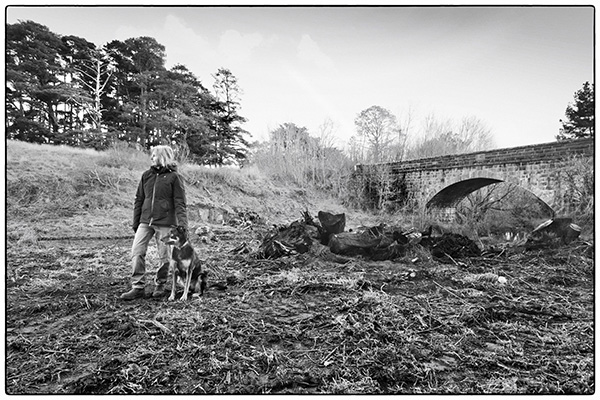
ON A recent morning, while approaching the once tranquil creek near her Kingston home, Virginia Imhoff, pictured with Buddy, was stopped in her tracks by this destruction.
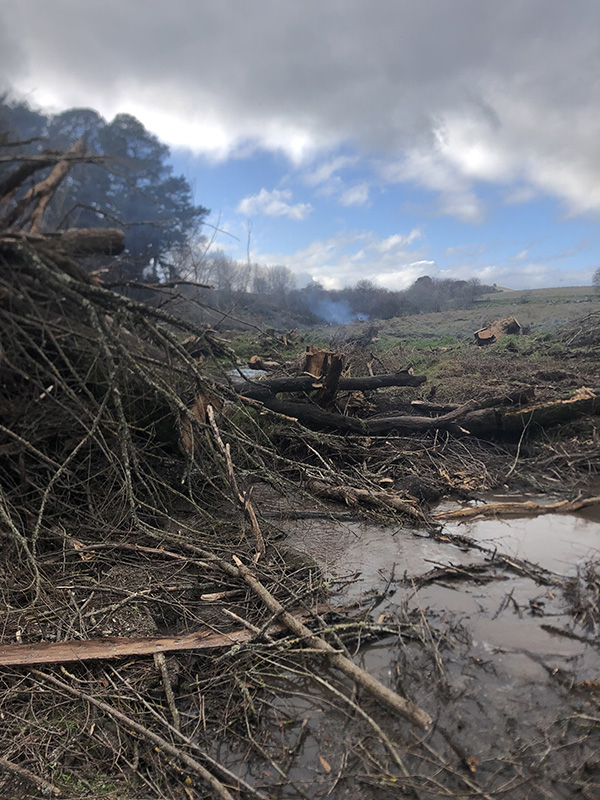
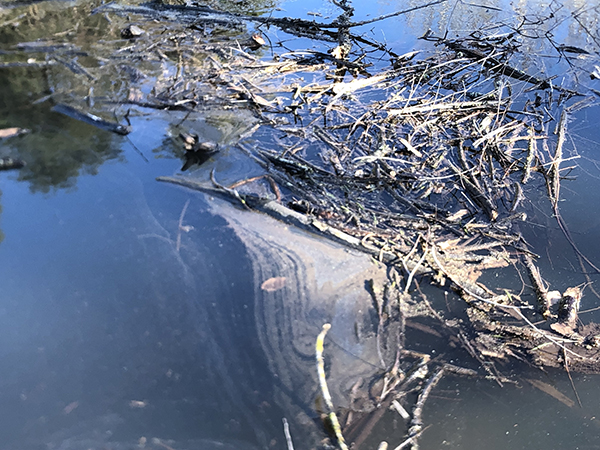
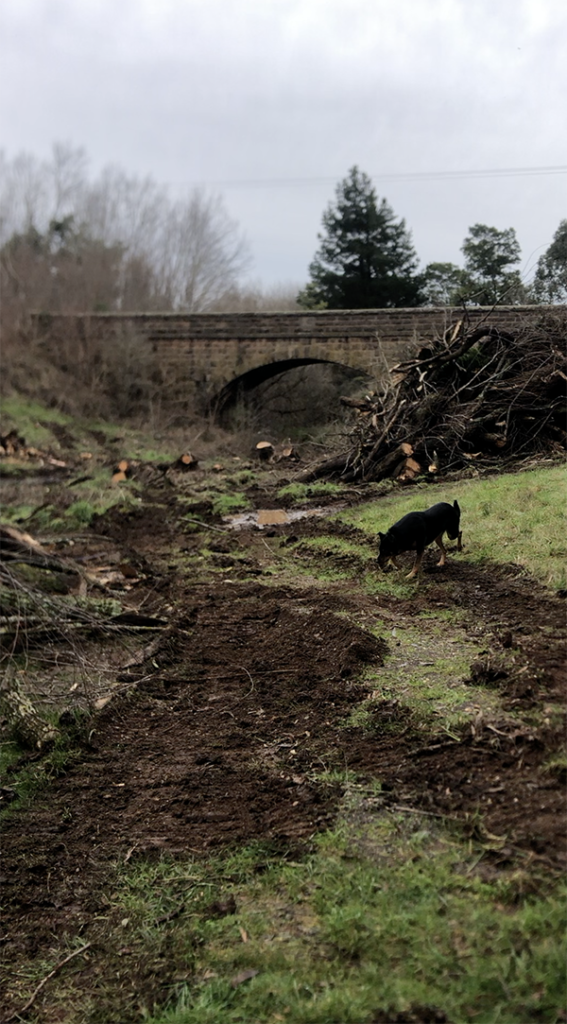
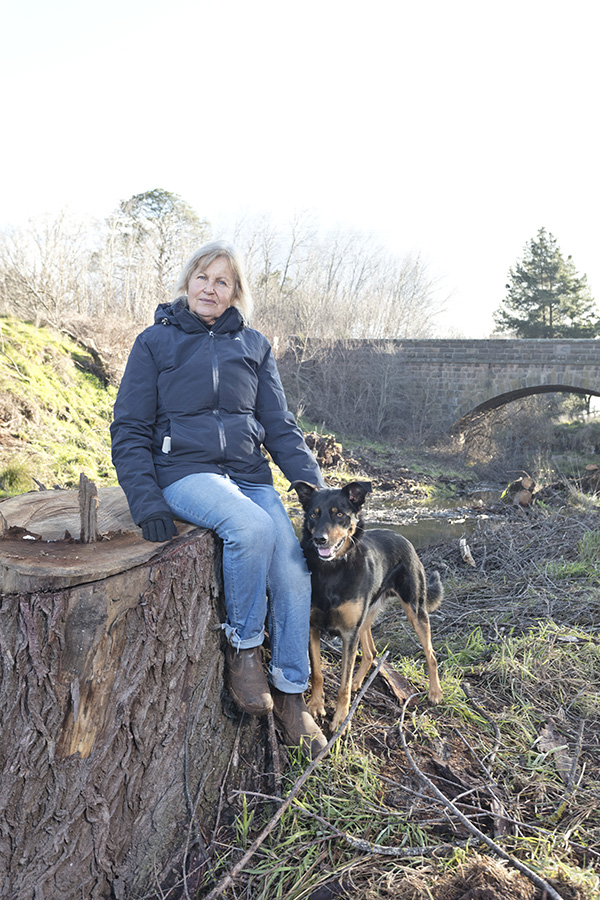
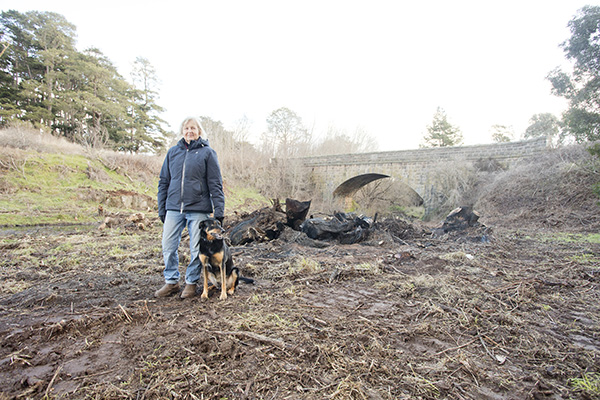
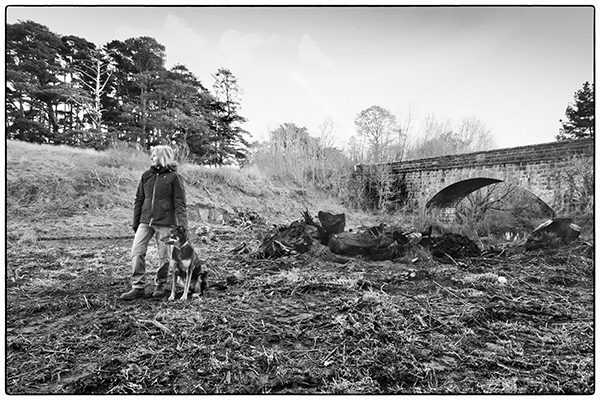
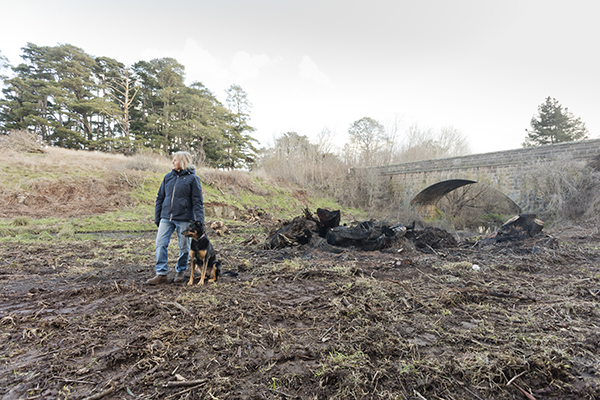
After being poisoned, willows along Bullarook Creek Streamside Reserve had been cut down, bulldozed into big piles and set on fire, with logs tossed in the water and used as a makeshift bridge for heavy equipment. This machinery made some of the banks collapse and the water was thick with rich red volcanic soil.
Among her worries was that the creek is a platypus habitat and a vital corridor for all kinds of birds and other wildlife, such as wallabies and kangaroos. “Wallabies might be plentiful in the forests around the shire, but in this narrow corridor they are in small numbers and as such are ‘endangered’ by traffic and other disturbances,” she says. “And it appears there has been no great care to ensure this important platypus habitat is protected.”
Until about four years ago, she often saw koalas crossing open land to find the few manna gums still on farms in the district. Now koalas are rare.
At this reserve a copse of tall manna gums remains, planted in the 1990s by children from the former Kingston Primary School in parkland now overgrown.
The creek flows under heritage-listed Kerrins Bridge, a handsome keystone arch of bluestone, dating from about 1860. Virginia sees the creek as creating a link for wildlife to forests around the edges of the fertile, open and highly cultivated farmland of the Kingston district. “For some wildlife it’s the only cover they have and for the lack of native bush, they have adapted well to living among what is mainly introduced tree species.”
She watched smoke rising from the valley for a couple of days before realising what was going on. “One huge pile of logs even straddled the creek from bank to bank, and was burning in the water, sending up palls of smoke, there was an oil slick on the water, and ash and soot, logs and debris clogging the waterway like a beaver dam.” The mess extended for about 500 metres, with some stumps of hawthorn painted red with glyphosate, a non-selective “aquatic-safe” herbicide.
“Proper catchment management would not do this,” she says, adding that Creswick ward councillor Don Henderson had undertaken to ask the responsible state minister about the work.
“Any water pollution including the diesel, or whatever the oil slick is, and the debris, logs and mud is going to affect platypus and other aquatic species downstream,” she says.
“And wallabies and other wildlife will be left with no cover and be pushed out of here. ut there is nowhere for them to go. A wallaby was hit and killed on the road here in the daytime this week, and that is unusual because they tend to rest under cover during the day.”
Bullarook Creek flows northwest towards Clunes, where it links with Tullaroop Creek, which flows into the Tullaroop reservoir near Carisbrook, forming part of the Loddon River Catchment.
Virginia and her husband bought their farm and moved to the district in 1980 with their four children. On their 60 hectares of land, she runs a few Suffolk sheep, and grows hay for her 21 horses, many of them rescued or old horses needing a home.
Over the years she has also set aside part of the property and planted around 3000 native trees for woodland and shelterbelts, and fenced some areas around dams and springs for native vegetation and bird and wildlife habitat. (“For snakes, too,” she says with a laugh). “It’s also important to have some stepping stones of bush and habitat on private land for animals and birds that move through the district.”
The coincidental timing of the work at Bullarook Creek Streamside Reserve raised alarm bells in the wider community because the route through the reserve has also been earmarked by AusNet for its 80-metre high transmission towers, as part of the Western Victoria Transmission Network Project, which is planned to deliver renewable energy from windfarms in the state’s west to Melbourne. The transmission line will heavily affect farms, landscape and communities.
Back down at the creek, as we stood in the mud, a voice asked what we were doing there. It belonged to Lang Dowdell, who’s supervising the work for the North Central Catchment Management Authority.
The authority’s job is to manage “water for the environment flows to a range of regulated rivers, wetlands, swamps and lakes across our region”.
At the heart of all this destruction is the labelling of willows as invasive species.
While describing the scene as “stark”, Lang said the willows were a noxious weed of national significance detrimental to the water. He assured us that the area would be revegetated with native plant species, trying to take it back to how it was before European settlement. Lang disagreed with Virginia that oil slicks in the water had been caused by the heavy equipment – or fire accelerants.
He hopes that eventually there will be more protection for native species, with the return of grass cover within a year. And that the blackwoods and other native plant species planned to be planted once the creek is cleared will grow quickly to stabilise the banks and provide habitat. The land we were on, he said, would repair itself quickly. The improved water quality would attract bugs that would help the ecosystem and the clearing of willows would allow more light on the creek.
“We hope to finish the clear-up by the end of the week.”
Most adjoining landholders bordering the creek had been cooperative, he added. One adjoining farmer, whose land runs down to the creek, allowed fencing higher up on his land to protect remnant native kangaroo grasses from grazing and for newly planted trees to establish. But further along the bank a bunch of white tree guards are empty of plantings two years ago, evidence of severe frosts in the valley.
Indigenous people have been involved in the work, says Lang, adding that the Dja Dja Wurrung had done an assessment that would determine what plant species go in and how the land at Bullarook Creek Streamside Reserve is used.
And, to top it off, he foresees a time when this area will return to its beautiful state, and might even have seats and picnic tables. A vision far from today’s sight.
Story by Kevin Childs


July 14th, 2022Inaugural Victorian drought and innovation hub think tank and webinar

Session 1 – Farm Finances and Drought: Examining the role of farm advisors.
We mean ‘farm advisor’ to be anyone involved in providing advice to farmers (from agronomists, accountants, bank managers and rural supplies companies).
Our research has identified the critical role of farm advisors in helping farmers to make good financial decisions, particularly in times of drought.
A key issue is that information is often siloed, where specific farm advisors ‘stay in their lane’, offering sound advice, but not understanding the whole picture.
Sometimes, farmers simply can’t access the right advisor in the first place. So how do we change this? Do we need to find better ways of sharing information amongst different types of farm advisors?
Therefore, we are bringing industry advisors, academics, and farming groups together online for an open and thought-provoking discussion on how we can better serve farmers, to ultimately make farm businesses stronger and more drought resilient.
Webinar details
TIME: 9 – 11.15 am
DATE: Wednesday 13 July
Speakers include:
Keynote:
- Chris Howard – Rural Financial Counsellor and Program Manager at AgBiz Assist, Shepparton.
Researcher Panel:
- Richard Heath – Executive Director, Executive Director, Australia Farm Institute
- Prof. Ross Kingwell – School of Agriculture and Environment, University of Western Australia and Chief Economist at Australian Export Grains Innovation Centre.
- Dr Lucie Newsome – UNE School of Business (specialising in agriculture).
Industry Panel:
- Clinton Peake – ProAdvice
- Rebecca Casey – The Nature of Business
- Phil White – AgDiagnostics.
Hosted by Fiona Best, CEO Birchip Cropping Group.
July 13th, 2022VFF Stock Sense workshops
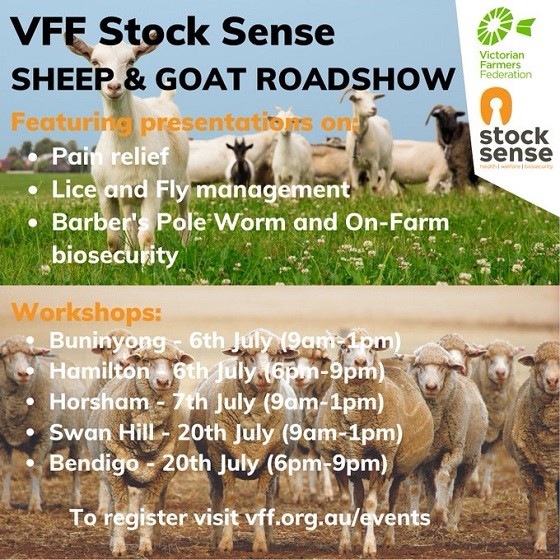
Stock Sense is teaming up with several expert speakers to present at a FREE workshop on a range of sheep and goat health, welfare, and biosecurity topics.
Topics include:
- Pain relief
- Lice and fly management
- Chemical resistance
- On-farm biosecurity
- Barber’s Pole worm.
Featuring guest speakers:
- Dr Andrew Whale from Livestock Logic
- Craig Stevenson from Elanco
- District veterinarians from Agriculture Victoria.
Buninyong
When: Wednesday 6 July
Time: 9 am – 1 pm
Where: Buninyong Bowling Club.
Horsham
When: Thursday 7 July
Time: 9 am – 1 pm
Where: Horsham RSL Club.
Each event will provide attendees with a lunch/dinner and time to ask questions of the invited speakers.

July 13th, 2022What’s on?
Details about Agriculture Victoria events can now be found in one spot on our website. Log on to agriculture.vic.gov.au/events to find out what’s on.
July 13th, 2022The Fast Break June
A wetter-than-normal month in many areas has seen soil moisture rapidly increase particularly in the south-west and west Gippsland.
The Mallee and East Gippsland were generally drier. Most areas are predicted to be at normal or wetter-than-normal moisture, with the exception of a region east of the Grampians, where monitored moisture probes confirm there is still plenty of spare room in the bucket, although some farmers would be happy with the good trafficability. Probes rapidly wet up from dry to saturated in the coastal and western south-west regions. Full profiles are the norm in the majority of monitored paddocks and with two months of winter to come, a prolonged period of waterlogging would almost be certain in the lesser drained soils.
The central Pacific Ocean is back to normal temperatures and the undersea has progressively warmed across to the east neutralising the cold, thus any reinvigoration of a La Niña looks some way off, if at all. Only two models keep it going and two others bring one back later in the year. Pressure, ocean and cloud patterns to the north of Australia are still lingering on in a La Niña-like pattern.
The Indian Ocean made some further slow progress towards a weak negative IOD event. The DMI has spent the month close to the threshold. There is warmer water to depth off Sumatra, stronger westerly winds and some more cloud off Sumatra. However, the pressure patterns are not looking quite like a typical −IOD event. It’s still the case that the −IOD is more developed off Java than the classical location off Sumatra. All models predict a −IOD to form and continue for this year’s growing season. Negative IOD’s have historically increased the odds of wetter conditions over most of Victoria, but East Gippsland has had a more erratic historic response.
The Southern Annular Mode (SAM) spent most of June negative and this had the expected outcome of allowing more frontal activity to pass particularly south of the Divide. Rain day numbers were higher than normal over much of the state.
Pressure patterns in the first half of June were lifted much further north of usual, allowing more storm tracks across Victoria but have recently been further south to equalise to a more normal position over the Bight. Pressure was much lower than normal over Victoria, meaning more rainfall triggers had passed and pressure remains lower to our far north, making it easier to get tropical connections to moisture when the right systems can link up to it.
My assessment of 12 climate models for Victoria shows likely wetter rainfall and neutral temperatures for the next three months.
Soil moisture
Compared to 30 days earlier than 27 June 2022
Probes from Agriculture Victoria, Dookie Land Management Group, Gecko Clan, Perennial Pasture Systems, Riverine Plains Inc. and Wallup Ag. Group networks.
The BoM Australian Water Outlook (AWO) modelled plant available soil moisture for pasture has increased greatly in the south-west and west Gippsland. Only an area east of the Grampians is drier than normal and the probes in this area confirm lower values. The moisture probe network shows many areas at saturation with many increasing this month where capacity existed. Pigeon Ponds increased by a massive 87 percentage points from 13 to 100, and Brim increased by 11 percentage points from 58 to 69.

Model distribution summary for the next three months
Predicted rainfall – July to September 2022
Predictions for July to September 2022, the outlook from 12 global model forecasts is for likely wetter rainfall across Victoria for the next three months.

Predicted temperature – July to September 2022
Predictions for July to September 2022, the outlook from 12 global model forecasts is neutral for temperature across Victoria for the next three months.

Model distribution summary for the next four to six months
Predicted rainfall – October to December 2022
Predictions for October to December 2022, the outlook from nine global model forecasts is for likely wetter rainfall over Victoria for the four-to-six-month period.

Predicted temperature – October to December 2022
Predictions for October to December 2022, the consensus from nine global model forecasts is split between neutral or likely cooler temperature across Victoria for the four-to-six-month period.

Model consensus forecast for the next six months
Current outlook (27 June 2022)
| Phenomena | July – September 2022 | October – December 2022 |
|---|---|---|
| Pacific Ocean | Slightly cool | Slightly cool |
| Indian Ocean | Warm (−IOD) | Warm (−IOD) |
| Rainfall | Wetter | Wetter |
| Temperature | Neutral | Neutral/Cooler |
Previous outlook (26 May 2022)
| Phenomena | June – August 2022 | September – November 2022 |
|---|---|---|
| Pacific Ocean | Slightly cool/Cool (La Niña) | Slightly cool |
| Indian Ocean | Warm (−IOD) | Warm (−IOD) |
| Rainfall | Wetter | Wetter |
| Temperature | Neutral/Warmer | Neutral/Cooler |
Sea surface temperature (SST) anomalies
NOAA Coral Reef Watch Daily 5 km SST Anomalies (Version 3.1) 25 June 2022
The Equatorial Pacific Ocean has warmed over June, with NINO3 and NINO3.4 values at −0.18°C and −0.30°C respectively (as of 27 June). The Pacific Ocean has progressively been approaching normal temperatures. The remnants of the La Niña event remain, with warmer water to the north of Australia. The majority of models predict this event is now over, but a few bring it back later in spring. The Dipole Mode Index (DMI) has been bouncing around close to the negative IOD threshold of −0.4 currently at −0.53°C but a classical −IOD eye of warmth off Sumatra is yet to appear. All models predict a type of −IDO to continue on for this year’s growing season but some models have a more Javanese-type warming than the classical Sumatran.
Sea surface temperatures are the key to the world’s rainfall. For more information on how they are measured, maps created and how to read them, check out our eLearn.

Equatorial Pacific sub-sea temperature anomalies
Analysis done 23 June 2022
The cool Pacific Ocean Equatorial sub-surface temperatures have further eroded with the easterly propagating warm anomaly almost fully across the basin. Only small patches of cooler remain. It would take a La Niña a while to come back from this position.

Southern Oscillation Index (SOI)
30-day moving SOI
The SOI has remained strongly positive throughout June currently +17.3 (at 27 June 2022). Values peaked at a whopping 23, fell and are currently rising again. Pressure patterns around the equator are behaving much like La Niña with lower pressure at Darwin and higher pressure at Tahiti.
.
© Copyright Commonwealth of Australia 2022. Bureau of Meteorology
Dipole Mode Index (DMI)
The DMI is the difference between the west and east boxes of ocean monitored for the IOD. It has moved above and below the −IOD threshold of −0.4 in the last month (currently −0.53 as of 27 June 2022) and yet to stabilise at negativity. Another month of negative behaviour and it is likely to be classified as an event.

© Copyright Commonwealth of Australia 2022. Bureau of Meteorology.
Pacific Ocean surface wind anomalies
Wind direction and strength anomalies for the last 30 days
Operational data: Surface winds (m/s) 30-day anomaly for: Saturday 28 May to Sunday 26 June 2022
Easterly trade winds in the Pacific were close to normal during June. The lack of driving easterly wind force has allowed the central Pacific Ocean surface to neutralise. The westerly wind anomalies continue in the eastern Indian Ocean and will be needed to enhance and sustain a −IOD.

(NCEP Operational climatology data: 1985–1996, smoothed with five-day running mean) Source: NOAA
World cloudiness anomalies
OLR Anomalies: Average of 26 May to 25 June 2022
A lack of cloud over the international dateline junction with the equator remains as a lingering reminder of the recent La Niña event. An increase in cloud off Sumatra is −IOD like cloud behaviour, but the real pattern seems to be off Java which is not the classic position for greater cloud.

Source: BoM
Southern Annular Mode (SAM)
AAO: Observed and GFS forecasts
Observations 27 February 2022 to 26 June 2022
The Southern Annular Mode (SAM) or Antarctic Oscillation (AAO) has spent June in weak or strong negativity but is currently weakly positive. This has allowed frequent frontal activity to pass across the state particularly south of the Divide. The NOAA and BoM models are both in agreement of a brief strong phase returning to neutrality, but the BoM stays at neutral and NOAA return to weak positivity. A negative SAM in winter would be expected to push fronts closer to southern Victoria, and a positive SAM would pull them away.

Source: NOAA
Air pressure
Last 30 days air pressure
Operational data: Sea level pressure (mb) 30-day mean for: Saturday 28 May to Sunday 26 June 2022
In the past 30 days, the Sub Tropical Ridge of High Pressure (STR) has been showing normal behaviour, having been centred over the Bight. This has allowed frequent fronts across, particularly in coastal south-west Victoria.

Source: NOAA
Air pressure anomalies
Last 30 days air pressure anomaly
Operational data: Sea level pressure (mb) 30-day anomaly for: Saturday 28 May to Sunday 26 June 2022
The sub-tropical ridge of high pressure has been lower over the whole of Australia and much lower over Victoria. This is indicative of more rain making trigger mechanisms like lows and fronts passing by. Pressure is higher at Tahiti and lower over Darwin, which is why the SOI is positive, indicative of La Niña-like pressure conditions. Lower pressure over East Africa and is not yet in keeping with a −IOD, which would normally see higher pressure in this region.

(NCEP Operational climatology data: 1985–1996, smoothed with five-day running mean). Source: NOAA
Climate definitions
Read a list of climate acronyms and explanations.
Modelled climate and ocean predictions for Victoria from June 2022 run models
Twelve climate models show their predictions for the next six months for the Pacific Ocean, Indian Ocean, rainfall and temperature for Victoria.
View a colour-coded version of this table: Modelled climate and ocean predictions for Victoria from June 2022 run models.
If this table makes no sense, visit our new e-learn which explains it.
Four coupled global circulation model forecasts
Abbreviations:
JAS = July, August, September
SON = September, October, November
OND = October, November, December
| Phenomena | System 5 ECMWF Europe | ACCESS-S BoM Australia | SINTEX-F JAMSTEC Japan | CFSv2 NCEP USA |
|---|---|---|---|---|
| Month of Run | June | June | June | June |
| Forecast months* | JAS | JAS | JAS | JAS |
| Rainfall Skill JAS | Low S/ Moderate N | Moderate | – | Low S/ Moderate N |
| Winter Pacific Ocean NINO3.4 | Slightly cool | Slightly cool | Slightly cool | Normal |
| Winter Eastern Indian Ocean | Warm (−IOD) | Warm (−IOD) | Warm (−IOD) | Slightly warm (weak −IOD) |
| Winter Rainfall | Wetter N, slightly wetter S | Slightly wetter | Slightly wetter E, neutral W | Neutral, slightly wetter far E |
| Winter Temperature | Neutral, slightly cooler NW | Neutral, slightly warmer SW, slightly cooler Mallee | Neutral | Neutral |
| Forecast months* | OND | SON | OND | OND |
| Spring Pacific Ocean NINO3.4 | Slightly cool | Slightly cool | Slightly cool | Slightly cool |
| Spring Eastern Indian Ocean | Warm (−IOD) | Warm (−IOD) | Warm (−IOD) | Slightly warm (weak −IOD) |
| Spring Rainfall | Slightly wetter | – | Slightly wetter | Slightly wetter, neutral SW |
| Spring Temperature | Slightly cooler N, neutral S | – | Neutral, slightly cooler NE | Neutral |
| Further Info | Operational | Operational | Experimental | Operational |
Four coupled global circulation model forecasts
*Abbreviations:
JAS = July, August, September
SON = September, October, November
OND = October, November, December
| Phenomena | GEOS-S2S NASA USA | EPS JMA Japan | CSM1.1m BCC China | GloSea5 UKMO UK |
|---|---|---|---|---|
| Month of Run | June | June | June | June |
| Forecast months* | JAS | JAS | JAS | JAS |
| Rainfall Skill JAS | Moderate | Moderate | – | Moderate W/High E |
| Winter Pacific Ocean NINO3.4 | Cool (La Niña) | Slightly cool | Slightly cool | Cool (weak La Niña) |
| Winter Eastern Indian Ocean | Warm (−IOD) | Warm (−IOD) | Warm (−IOD) | Warm (−IOD) |
| Winter Rainfall | Slightly wetter E, neutral W | Slightly wetter | Slightly wetter W, neutral E | Slightly wetter |
| Winter Temperature | Neutral, slightly warmer NE | Slightly cooler | Slightly cooler, neutral far E | Slightly cooler, neutral far Gipps |
| Forecast months* | OND | OND | OND | SON |
| Spring Pacific Ocean NINO3.4 | Cool (La Niña) | Cool (weak La Niña) | Slightly warm | Cool (weak La Niña) |
| Spring Eastern Indian Ocean | Warm (−IOD) | Warm (−IOD) | Warm (−IOD) | Warm (−IOD) |
| Spring Rainfall | Slightly wetter, wetter Alps | – | Neutral | Wetter, slightly wetter S Coast |
| Spring Temperature | Slightly cooler N, neutral S | – | Neutral | Slightly cooler |
| Further Info | Experimental | Experimental | Operational | Operational |
Three ensembles and a statistical model forecast
*Abbreviations:
JAS = July, August, September
SON = September, October, November
OND = October, November, December
| Phenomena | NMME USA | C3S Europe | MME APCC Korea | SOI phase USQ/Qld Australia |
|---|---|---|---|---|
| Month of Run | June | June | June | June |
| Forecast months* | JAS | JAS | JAS | JAS |
| Rainfall Skill JAS | Moderate/Low SW | – | – | – |
| Winter Pacific Ocean NINO3.4 | Slightly cool | Slightly cool | Slightly cool | SOI Positive |
| Winter Eastern Indian Ocean | Warm (−IOD) | Warm (−IOD) | Warm (−IOD) | – |
| Winter Rainfall | Wetter | Wetter N, slightly wetter S | Wetter N, slightly wetter S | Slightly wetter, neutral E Gipps |
| Winter Temperature | Slightly cooler W, neutral E | Slightly warmer E, neutral W | Neutral, slightly cooler NW | – |
| Forecast months* | OND | SON | OND | – |
| Spring Pacific Ocean NINO3.4 | Cool (La Niña) | Slightly cool | Slightly cool | – |
| Spring Eastern Indian Ocean | Warm (−IOD) | Warm (−IOD) | Warm (−IOD) | – |
| Spring Rainfall | Wetter | Wetter | Slightly wetter | – |
| Spring Temperature | Cooler | Slightly cooler N, neutral S | Cooler N, slightly cooler S | – |
| Further Info | Experimental Summary of 8 dynamic models | Experimental Summary of 7 dynamic models | Experimental Summary of 14 dynamic models | 5-phase system based on previous 2 months SOI |
Image references
Original images used in this document are sourced from the Bureau of Meteorology under a Creative Commons 3.0 licence and from the NOAA who have a Public Domain policy. Annotations highlighting areas of interest have been added by Dale Grey.
July 13th, 2022Fox and wild dog bounty collections details for the west
Victorian fox and wild dog collections continue. Electronic funds transfer (EFT) is the preferred method of payment, so please bring your EFT details to the collection centre.
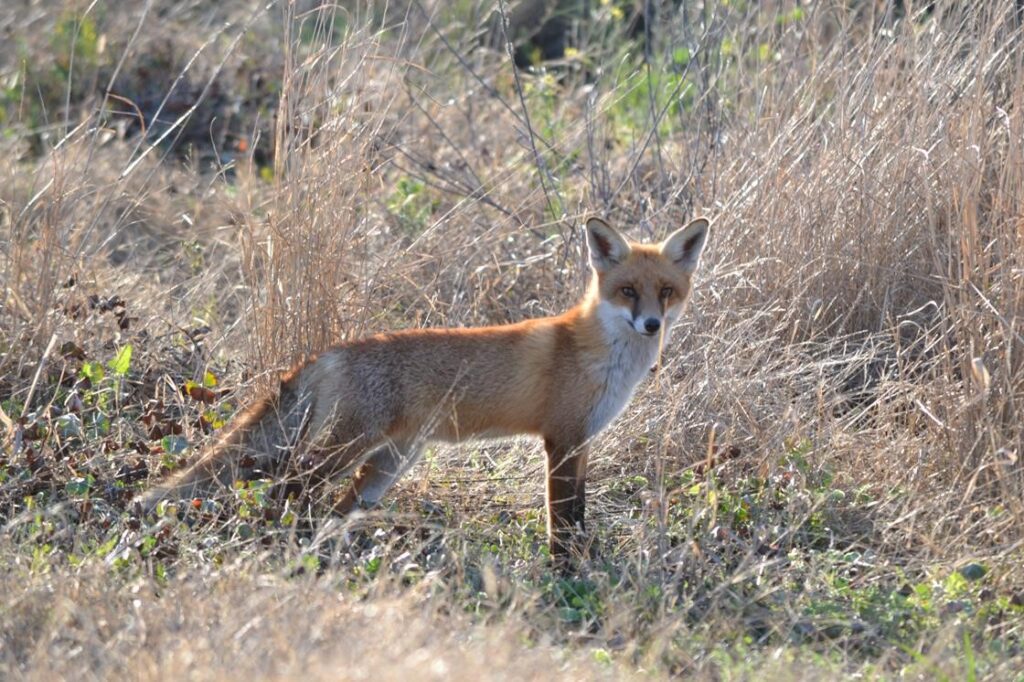
Acceptable entire fox scalps and entire wild dog body parts will be collected from eligible members of the public at specific dates and times, and from sites scheduled as collection centres.
Please note that no entire fox scalps or entire wild dog body parts will be accepted at any public counter or state government office. Collections will only be accepted at the designated times.
2022 Horsham collections
Fox and wild dog (wild dog by appointment only)
Address: 180 Horsham-Noradjuha Road, Horsham.
Collection type: Fox only
Time: 1.30 – 3.30 pm
Dates:
- Wednesday, 6 July
- Wednesday, 3 August
- Wednesday, 31 August
- Wednesday, 28 September
- Wednesday, 26 October.
2022 Ballarat collections
Please note: Bounty collections at Ballarat have been relocated to Ballarat Field and Game (Haddon Common Bushland Reserve), 726 Bells Road, Haddon.
Collection type: Fox only
Time: 1 – 3 pm
Dates:
- Monday, 25 July
- Monday, 22 August
- Monday, 19 September
- Monday, 17 October.
2022 Hamilton collections
Address: Depot, Hamilton Centre, Research Station Road, Hamilton.
Collection type: Fox only
Time: 1.30 – 3.30 pm
Dates:
- Wednesday, 27 July
- Wednesday, 24 August
- Wednesday, 21 September
- Wednesday, 19 October.
2022 St Arnaud collections
Fox only
Address: 4 Montague Street, St Arnaud
Collection type: Fox only
Time: 10.30 am – 12.30 pm
Dates:
- Thursday, 7 July
- Thursday, 4 August
- Thursday, 1 September
- Thursday, 29 September
- Thursday, 27 October.
Visit the Agriculture Victoria website for more information
July 12th, 2022All aboard the virtual climate bus tour
Are you considering stock containment yards as a way of dealing with current and future climate variability?
Then listen in to our latest virtual climate bus tour podcast as we travel to one farm in Central Victoria doing exactly that.

First stop is Peter Gibson, a fifth-generation farmer northwest of Bendigo, who runs a self-replacing Merino flock, and also a cropping enterprise.
Second stop is Martin Hamilton, Land Management Extension Officer with Agriculture Victoria who has assisted over a hundred famers establish and use stock containment areas.
Interested in hearing more? Search wherever you get your podcasts or listen online via the Agriculture Victoria website.
July 12th, 2022Do you know a farmer with a positive safety story?
Entries are now open for the WorkSafe Awards – Commitment to workplace health and safety on a farm – until 15 July.

Aurora Dairies were the inaugural winner in 2021.
Over several years the business researched and consulted with staff on the right farm vehicle for their work and terrain.
After testing and implementing new approaches, the result is a positive safety culture, reduced risk of hazardous driving and a rapid response system if an incident does occur.
The award is open to all Victorian farmers, or those working on a farm, and offers a $2000 prize.
July 12th, 2022Small-scale and craft program new funding now open
Calling all small-scale and craft producers!
Recently we launched a new round of grants for the Small-Scale and Craft Program.

If you’re looking to grow your product lines, expand your business or reach new markets, this opportunity could be for you.
Grants of up to $15,000 are available to eligible agribusinesses.