


January 20th, 2022RENOVATION SALE
COMPLETE DISPERSAL FLOOR STOCK
All prices reduced by 1/3 and some by 50%
Open 5 Sundays in January 2022.
12 noon to 5pm.
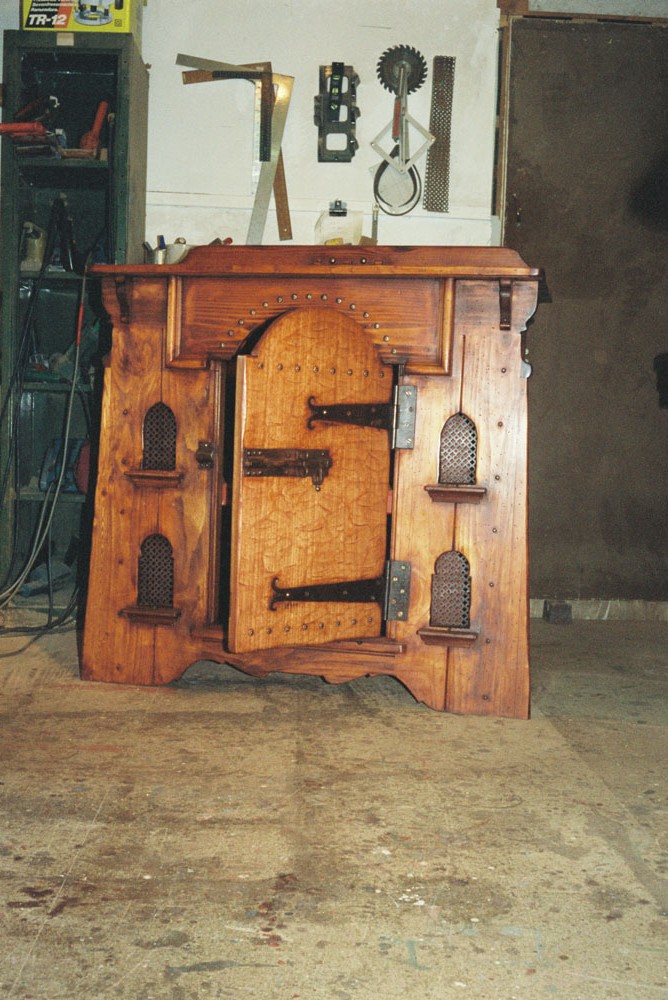
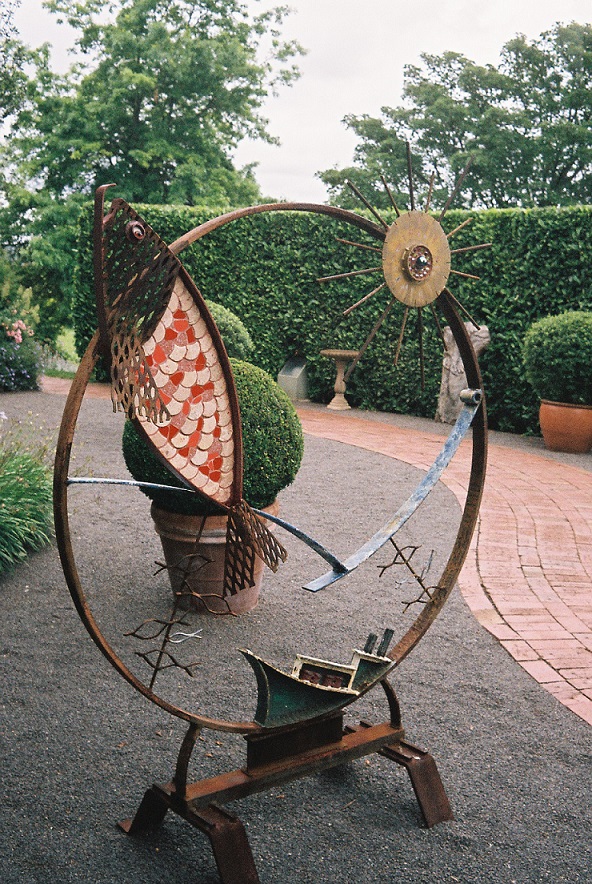
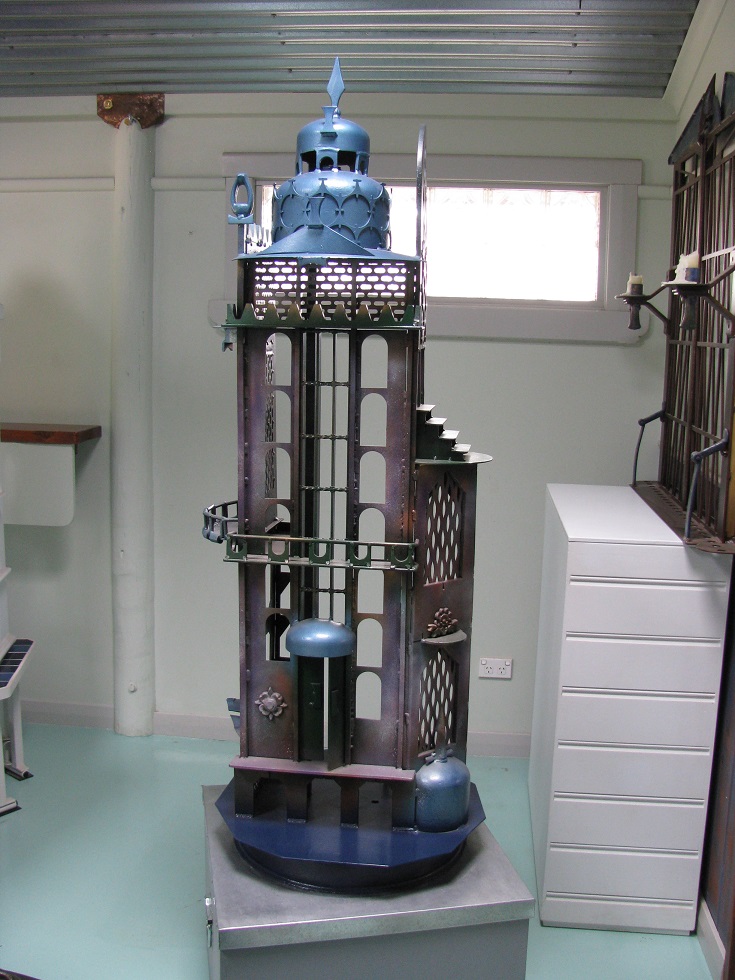
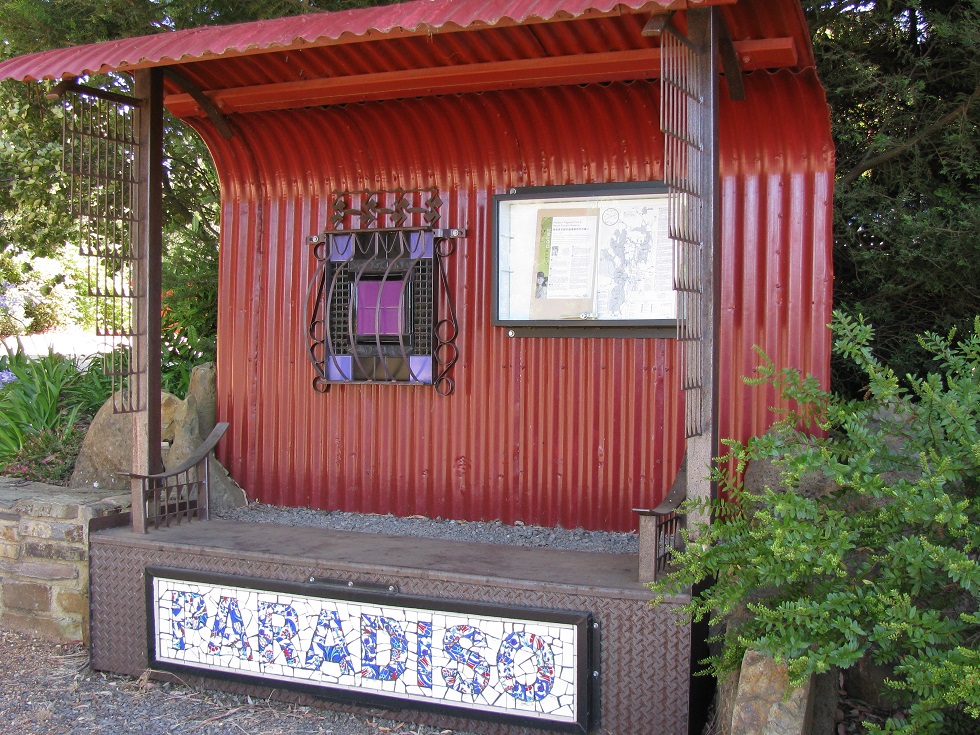
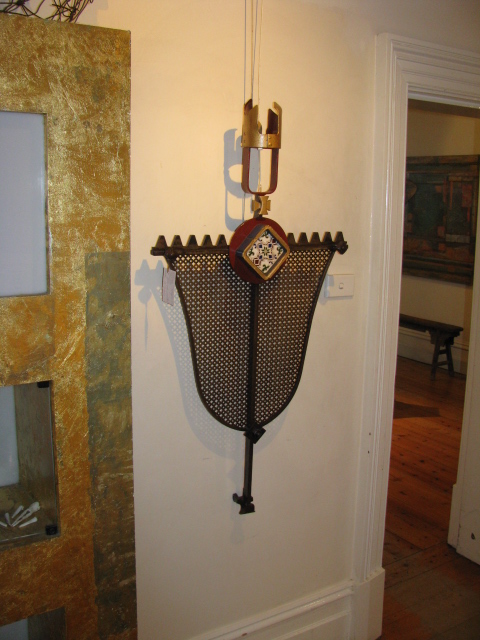
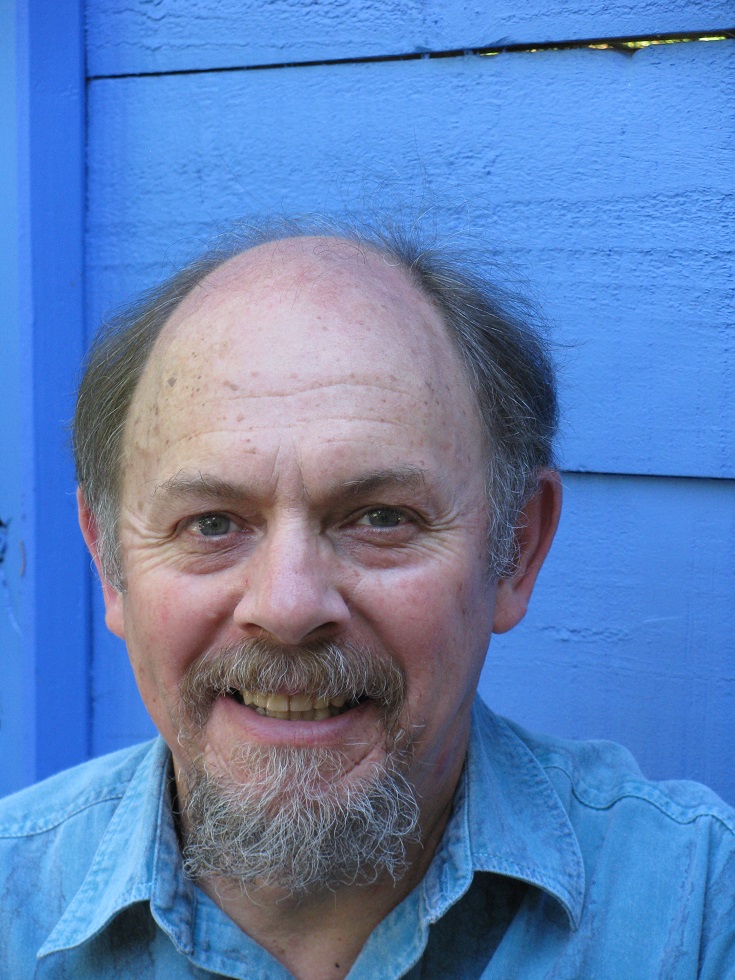
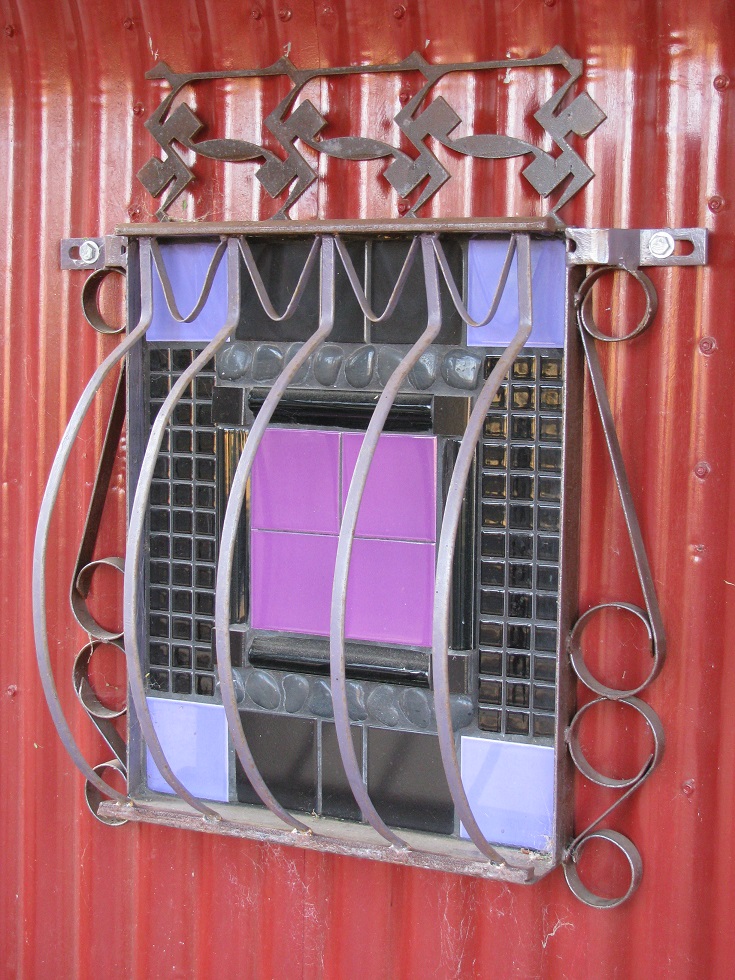
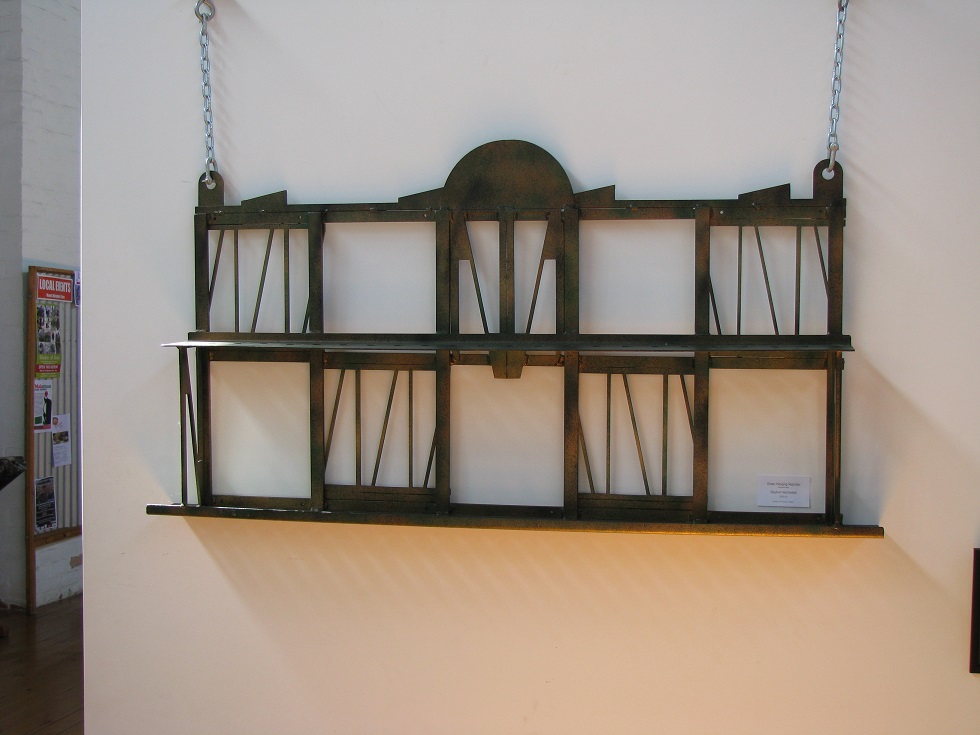
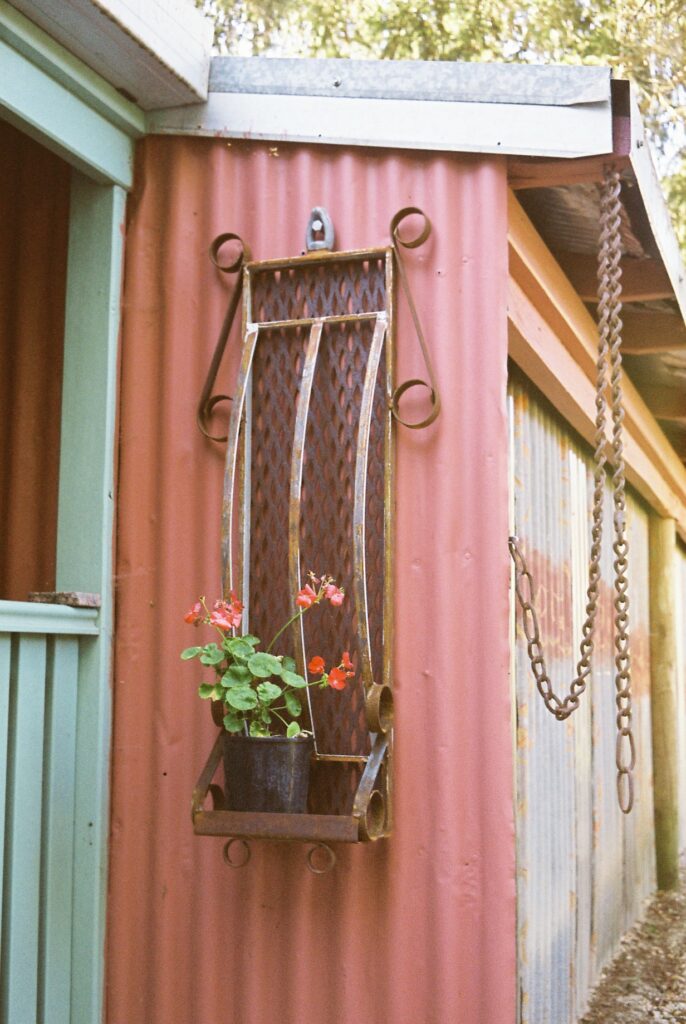
Unique Artisan designed and built: choose from gates and doors, tables, chairs, candelabras, gourmet timber platters, large sculpture, decorative shelves…in recycled timber and steel.
PARADISO ARTS GALLERY/COURTYARD AND WORKSHOP
1089 TELEGRAPH ROAD, SAILORS FALLS.
5 MINS FROM DAYLESFORD
PHONE: 5348 6600
Or by appointment.
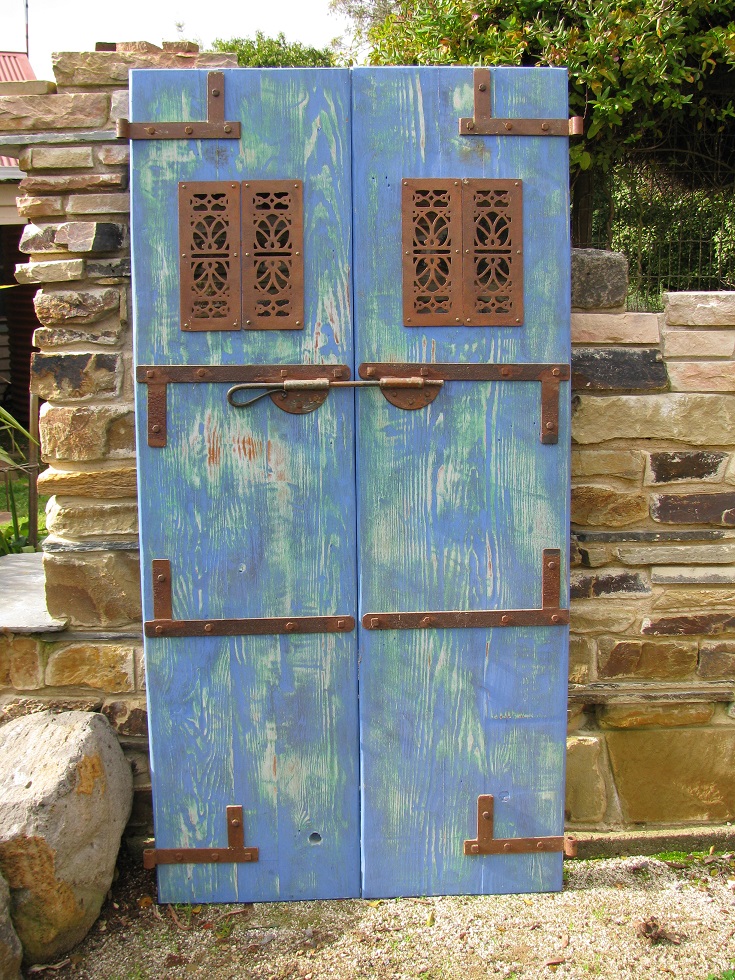
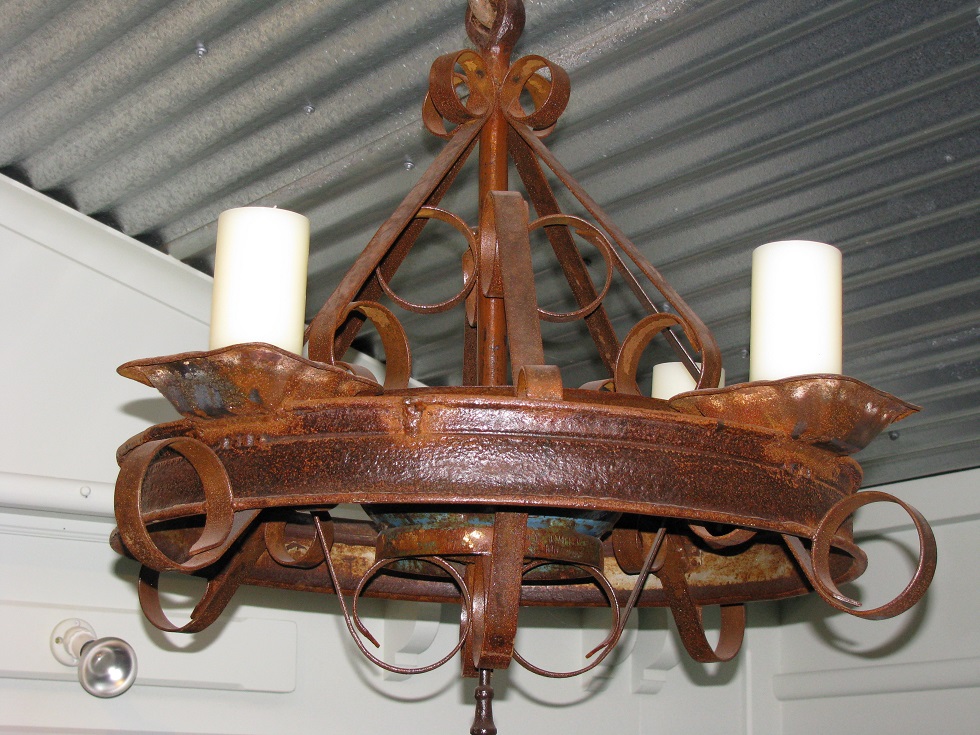
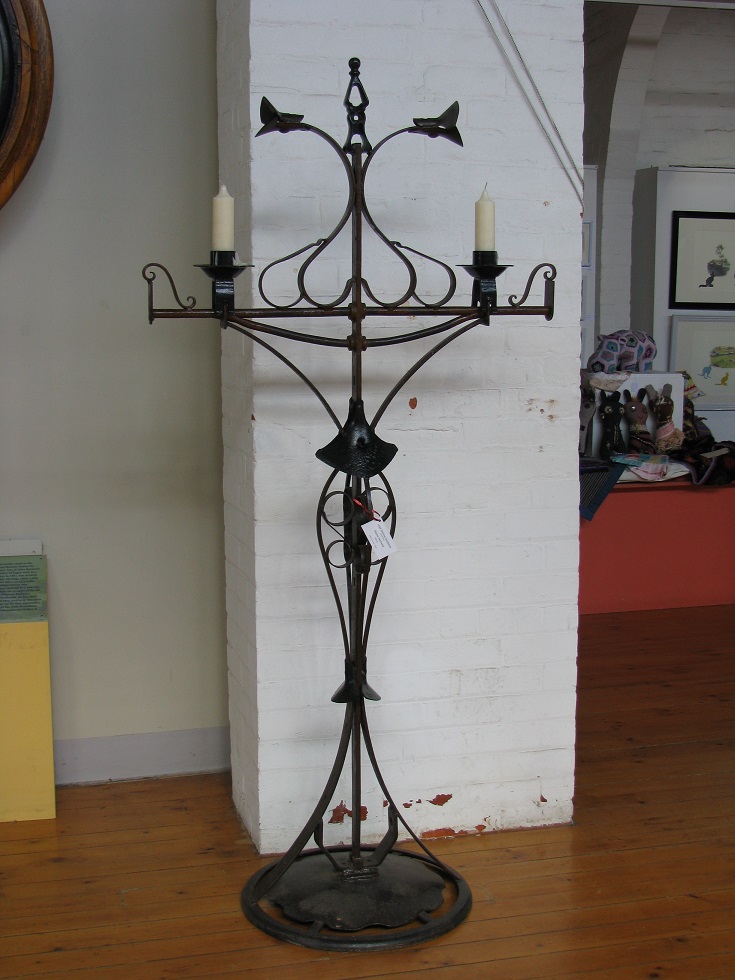
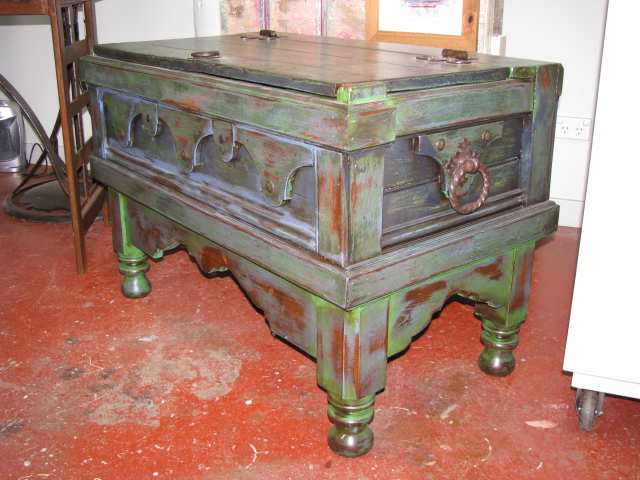



January 19th, 2022Your Say – Hepburn Hub at The Rex
Let me take you back. Before council ever got involved in The Rex Arcade, the community had a functioning cinema in a privately-owned building.
I was part of the cinema committee that stood in the street and collected donations so the young people of this town could have a holiday program of films.
Items from the St Kilda film festival would be shown in Daylesford and on bleak mid-winter nights there was an inexpensive way to meet friends, support local cafes and see a film currently showing in big cities. All of it funded by the community.
We wrote grant applications and philanthropic trusts like the Helen Macpherson Smith Trust gave us $23,000 because of the positive social impacts of a community cinema which would reduce isolation and support mental health outcomes.
The Blues Brothers film night, right, was a hoot and $140,000 was donated overall by the community to pay for seats, soundproofing and projection. The Hepburn Shire Council gave us a $2000 grant. The second committee of volunteers took this vision and the cinema and went to a new level to sustain the cinema as a viable business in the future.
The rest is a bad case of Yes Minister since Hepburn Shire Council got involved.
Blaming past councils and administrations for the mismanagement of the contract to repurpose The Rex building demonstrates an appalling lack of leadership.
With $6 million of costs sunk, plus $140,000 of community donations gone, the amount of money involved is staggering and with nothing to show for it.
I strongly suggest council review its misguided decision to abandon The Rex project and complete the works so that Daylesford can again benefit from a cinema and other facilities.
If this is not the case, I would be looking to an external review of contract management and governance processes used by council surrounding this project, given the vast amount of money involved.
There must be accountability to the community. How a project can, after many years and with such a waste of money reach this point, is ripe for external investigation.
- Nora Vitins, Daylesford
January 19th, 2022Your Say – Hepburn Hub at The Rex
Leadership is clearly hard work and not everyone is up for it. Scott Morrison for instance finds it much easier to let us look after ourselves than put his role on the line and actually make a decision about mask mandates.
However, there are certainly some golden rules when it comes to local government.
Rule number one is that if you are going to make a decision concerning millions of dollars, make sure you have consulted far and wide and flagged with everyone what you might be about to do.
I would argue that 99.9 per cent of the shire have been blindsided by the decisions made about The Rex building, and yet we are constantly invited to respond to surveys about sundry other minor things.
To an extent, councillors can’t be expected to ask for guidance on every vote, but they certainly should resist making heady decisions in the heat of the moment without making sure the community knows about it before it comes to a hands-up.
Guaranteed, if it was put to a vote, most of the community would endorse only minor renovations to the existing Daylesford buildings at minimal cost.
- Pat Hockey, Clunes
January 19th, 2022Joe Camilleri living the dream

HE IS one of Australia’s favourite rockers, an ARIA Hall of Famer and together with The Black Sorrows he’s sold more than two million albums. And just last month he released yet another album.
In our September 27, 2021 edition journalist Narelle Groenhout caught up with Joe Camilleri, a Macedon Ranges residents. But 73-year-old, Joe Camilleri has no plans to slow down. In a 75-minute chat we cover topics ranging across a leaking makeshift home recording studio, gardening, endless housework, more than 400 shows cancelled, lockdown stresses, friendships with his neighbours and random acts of kindness that he has never experienced before Image: Ian Ritter

January 18th, 2022Just sayin’…

I honestly thought 2021 would see us out of this mess and back into a normal way of life. That was wishful thinking.
Here we are in 2022 and still wearing masks and hand sanitising and boosting and rapid testing. If you can find a rapid test. It seems like Australia just sits behind the eight ball at every step. Firstly you couldn’t find a vaccine for the stupid virus now you can’t find a test.
We had a few friends over for New Year’s Eve and asked them all to take a rapid test before they arrived at our house. All six of them basically trawled all over Melbourne, trying their luck at the huge shouty chemists, the small out-of-the-way friendly chemists, big chain supermarkets and small grocers. One couple found spit tests, one found nasal swab tests and the final couple found nothing.
Luckily we had planned ahead and bought a few extra tests when they were still in supply. We did the same with masks and even hand sanitiser. I think it’s the journo side coming out – you see the headlines before they happen and probably tune in to the news more than you should. But in this case it worked. (Toilet paper – hmmm, didn’t see that shortage happening – how much does a person need? We also stuffed up buying food for lockdowns. For some odd reason rice and tinned tomatoes seemed like a good idea at the time, but really, there were packets of nice Luv-a-Duck going begging.)
Anyway, here we are in 2022 and I guess, touch wood, most of us have made it this far. It’s been with its challenges though. Mostly I have had to contain my anger at those who still refuse to wear a mask or have them under their nose, or even under their chin. Just not that hard. Or people who don’t keep their distance. We had one person rifle through the items in our shopping trolley one day. Just for fun, but honestly, in a pandemic? Don’t touch my stuff.
I have given up wondering what the new year will bring. Hopefully less fear and more joy. A bit more fun and some extra laughs would be nice. More chances to be social and really relax. And travel would be amazing. As much as I love Victoria and Australia, I really miss Japan. And Kyle would do anything to get to New Zealand and catch up with whanau (family). But who knows when Jacinda will open up her country?
Workwise, The Local will keep on rolling along. We don’t take breaks but you will see this edition is a bit about looking back, and the next one, January 17, is all about the history of the region.
And then on January 31 we’re back to our usual programming with lots of stories about our amazing locals. If you ever think of someone or something we should be sharing with the community please get in touch. We love hearing from readers and are always up for a chat.
Anyway, I hope that you have had a lovely Christmas and New Year and managed to catch up with family or friends or even both. I hope that 2022 brings you happiness and good health and joy. And that we return to some sort of normality. Whatever that normal may be.
And if you do find a rapid antigen test, go for the spit one. From experience, it’s much nicer that the nasal swab. Just sayin’…
January 18th, 2022A marathon protest
In our August 2, 2021 edition we reported on a marathon run to protest the Western Victorian Transmission Network project. The protests continue…
BUNDING resident Kelly Conroy has run a marathon 160km over Friday and Saturday to protest against planned transmission lines through her community.
Kelly ran eight times around a 20-kilometre loop around Ballan taking in the Daylesford Road, Old Melbourne Road, Stone Hut Lane and Blakeville Road.
Kelly’s father Arch Conroy said the 160km was “close to the proposed length of the Western Victoria Transmission Network project”.
“(Kelly is running) to raise awareness for the concerns and safety of the many hundreds of communities, farming or otherwise, who will be affected by this build. This is intergenerational farmland, and these are our homes.
“All donations will go directly towards marketing and advertising and legal guidance and representation to help preserve our countryside, protect our agriculture, and put the high tension, high voltage power lines underground, where they belong.
“(We need) to bring awareness to the government that this project has to be rescoped to meet the requirements for the next 100 years.”
At the end of her run Kelly met with Western Victoria MP Bev McArthur who will take the issue to the Victorian Government.
The Western Victoria Transmission Network project proposes to build 190km of overhead transmission lines between Bulgana, north of Ararat, and Sydenham, in north-west Melbourne using 380 towers, each 75 metres tall.
A WVTN project report says the network is critical infrastructure required to unlock the renewable energy potential and economic development of Western Victoria.
The project entered the environmental assessment and project approvals phase in 2020 and that will continue through 2021 with construction planned to be completed in 2025.
Image: Helen Tatchell (The Moorabool News)
January 18th, 2022Glen, about the house

A succulent subject
Last issue I mentioned that succulent plants weren’t just a group of weird little sun-loving plants that stored water on their swollen stems, leaves and sometimes, roots.
Succulent is just another name for xerophyte from the Greek words, xeros/dry and phuton/plant, and is simply a plant that requires very little moisture, whether it be from the snowy slopes of the Andes or the parched plains of Mexico.
Hence the inclusion of such plants as poinsettia, dracaena, yucca, frangipani, the Queensland bottle tree (brachychiton rupestris), the vast range of terrestial bromeliads and that beautiful waxy-flowered, climbing hoya.
Their small, non-adventurous root systems and ability to survive long, waterless periods make succulents ideal for dry areas, shallow soils, steep slopes and, of course, small containers including hanging pots or baskets.
Which provides me with a perfect segue into this column’s main topic and the photo, right, of an ingenious friend’s canny combining of a collection of trailing succulents with a couple of enamel kitchen colanders.
Way back in the middle of the last century – when I was in short pants – no self respecting porch or verandah would be seen without at least one hanging plant.
They were almost always in a hanging basket, seldom a pot, in those terracotta-rationed, pre-plastic times. And I also remember seeing a few old paint tins on hooks. (Readers of a certain age would remember the post-war shortage of building materials but apparently there was no shortage of wire.)
Grandpa was a passionate collector of fuchsias at that time and displayed his stock plants in large, hessian-lined baskets hung along the wall of the brush-roofed, shade house.
These days, most good garden stockists carry a range of wire baskets of all sizes and suitable organic fibre liners. They will also stock a suitable potting medium. This is the most important feature.
Weight is obviously a greater consideration for pots or tubs. A light, open mix containing plenty of peat or vermiculite will allow easy watering and at the same time retain moisture longer so that the plants will not suffer. Large baskets can usually often be watered satisfactorily from the top, but with smaller ones it is easier and does a more thorough job if you partly immerse them in a large bucket of water and let them soak for several minutes.
Frequency of watering will depend on the type of plant chosen and the location in which the basket is placed but twice a week should be sufficient in most cases. Probably more frequently could be required in extremely hot weather.
Planting up a basket is no problem if you stand it on top of a large pot or bucket, wherever is stable. Put a layer of lining material in first, flattening it around the sides and bottom so that it doesn’t take up too much space. Coconut fibre, sphagnum moss or shredded bark work well, or you might like to choose one of the pre-made fibre mats.
Pre-punctured black polythene sheeting is sometimes used but doesn’t always allow the water to correctly drain. Besides, the organic materials will help encourage root development. In larger baskets you can insert smaller plants from underneath to add to the decoration.
As with potted plants, basket occupants will need frequent feeding and this can be best done while watering by adding a good liquid fertiliser to the water, about every fourth drink, depending on the type of plant.
The range of suitable plants is boundless providing they are content to be container bound and will, like ferns and most fuchsias, spill out and over the sides for the best effect…and maybe add a few succulents.
Got a gardening query? Email glenzgarden@gmail.com
January 18th, 2022Three new national parks
n our July 5, 2021 edition we reported on new national parks for the region.
THREE new national parks will be created either side of Ballarat, and north-east of Bendigo, adding 65,106 hectares to Australia’s national park register.
In a decisive move, the state government announced the new parks which includes the merging of the Wombat State Forest and the Lerderderg State Park.
Minister for Energy, Environment and Climate Change Lily D’Ambrosio said the government had listened to the community.
“The new national parks will be created by linking existing state forests, parks and reserves. The largest will bring together Lerderderg State Park and much of the existing Wombat State Forest to create a new national park covering more than 44,000 hectares between Daylesford and Bacchus Marsh,” she said.
“We’re listening to the communities that use and care for these areas and balancing the needs of public land users, industry and the environment.”
The Central West Investigation was undertaken by the Victorian Environmental Assessment Council after a request from Minister D’Ambrosio in March 2017.
The state government delayed the announcement for more than two years after more than 3000 members of the public, community groups and residents made submissions to VEAC.
For some groups, like Wombat Forestcare, the news is welcomed. Spokesperson Gayle Osborne said it was a great result.
“Areas with high conservation values will be included in the national park and areas around townships will be designated regional parks to enable recreation, dog walking, horse riding, fossicking and domestic firewood collection,” she said.
“The Wombat Forest is home to many threatened species, including the endearing greater glider, powerful owls and brush-tailed phascogales. A leafless bossiaea, bossiaea vombata, is endemic to the Wombat Forest. All these species will finally have the protection they need to assist with their survival,” she said.
However, Bush User Groups United, a Facebook page created to advocate against the initial proposal for national parks, called the decision devastating.
Co-founder Bill Schulz said there was a massive number of people who vehemently disagreed with the decision.
Creswick’s Dr Kevin Tolhurst, regarded across the world as one of Australia’s most respected fire ecology and management experts, said a major concern was the “reservation equals preservation” philosophy many people give to national parks.
He said few if any national parks in Australia had the necessary workforce and resources to deal with critical issues including prescribed burning, introduced predators, feral animals and weed management.
January 17th, 2022Our great friend Don Breen

In our June 7, 2021 edition we farewelled our great friend and long time supporter of The Local Don Breen. Don was born on September 16, 1940 and passed away on June 1, 2021. We miss you Don.
DAYLESFORD and the wider region has lost one of its real characters and enquiring minds with the passing of Don Breen last Tuesday, June 1.
The Local interviewed Don and his wife Sandy for their golden wedding anniversary on October 24, 2018. Don chatted with Kyle and I talked with Sandy. We had met them in 2009, a few years after our move to Glenlyon.
The couple were regulars at the Farmers Arms Hotel in Daylesford where Sandy would make her way around the bar, chatting to one and all, while Don, in his fisherman’s cap would head straight for the quiet back wall with his beer in hand.
Different personalities but it was easy to spot the deep love and respect between them. Don called Sandy “Pearl” and he was always “Donny”.
In our interview Don remembered meeting Sandy in Prahran in a pub with “a whole team of young women – it was a pub where the local tramways people meet, you know, drivers and conductors, so the place got a bit boisterous; it was good fun”.
Don said there were myriad attractions at first sight including Sandy’s bright mind and artistic ability which proved a good attribute in later years when she helped him out with his various business ventures doing marketing and design.
However, at the start of the romance, Don, an electrical engineer with his own amazing mind, found himself headhunted by Hewlett-Packard and left for America for a six-month training program. But on his return, he proposed and the couple were married in the registry office, with Don making it just in time.
“A trade show in Canberra ran through the day before, so I had to pack up the station wagon and drive through the night to get back to Melbourne, arriving only a matter of half an hour before the ceremony, so all hell broke loose. It was a bit of a rush, not the ideal way to gear up for a wedding, but it seems to have worked.
“I guess 50 years sounds like a long time, but in reality the way it’s all unfolded it hasn’t appeared like 50 years. We have had very few, if any downsides during that period, however one of the regrets I have during our early stages of marriage was the fact I had to disappear overseas for work for sometimes large chunks of time leaving Sandy at home with our three young children. But at least I was around for all the births. But she bore the brunt of having to keep the business going and raising a young family. I hugely respect her tolerance in respect to putting up with that sort of lifestyle.”
January 17th, 2022Looking back at 2021: June
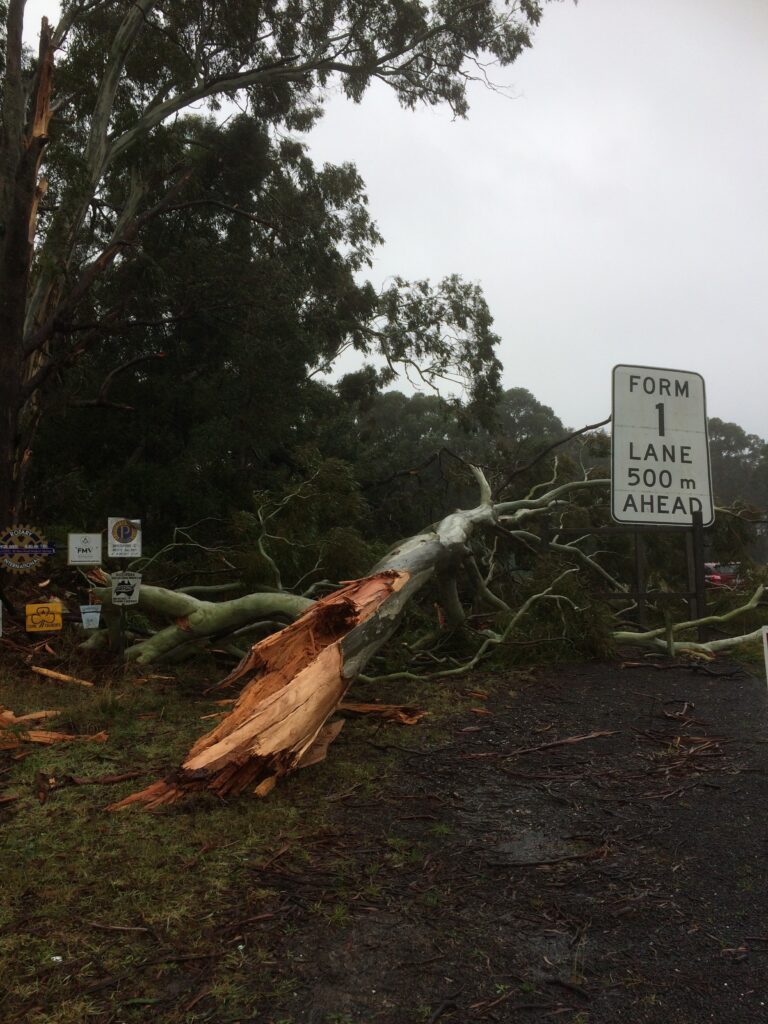
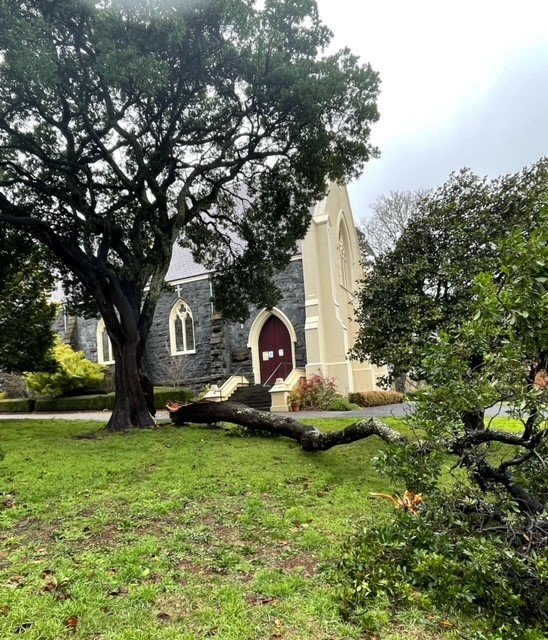
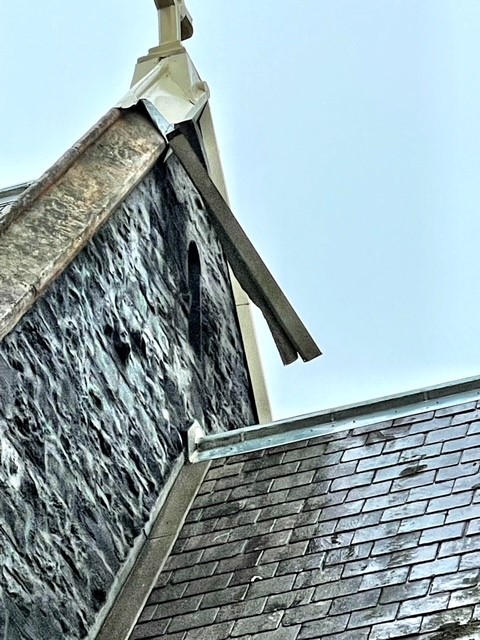
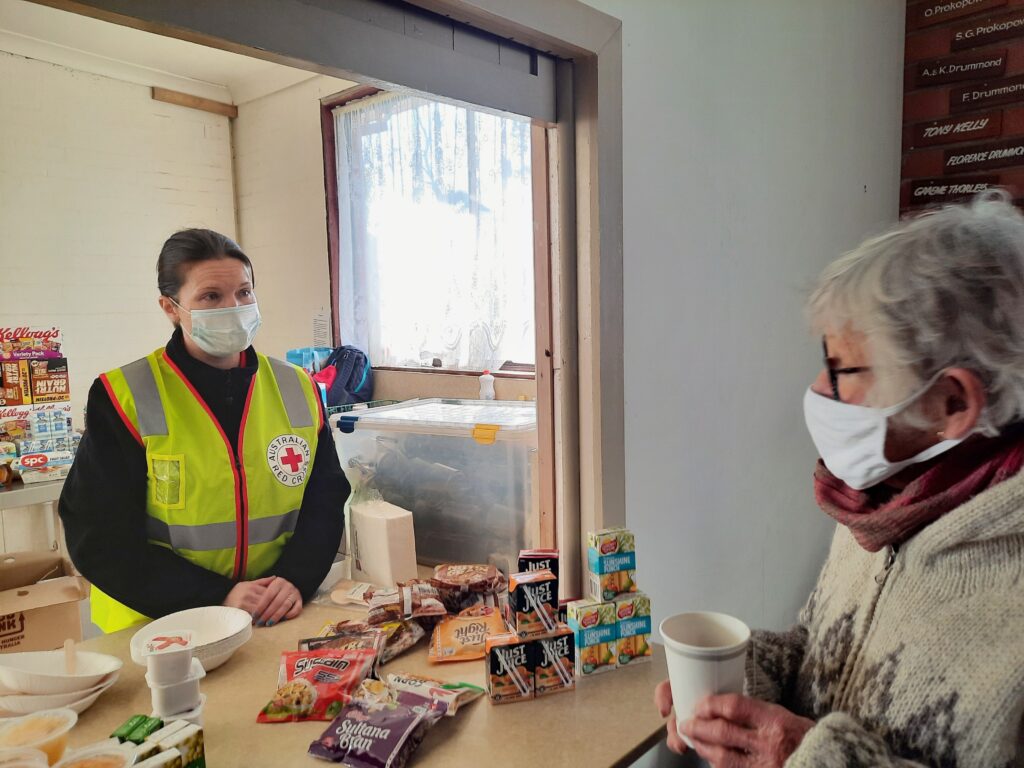
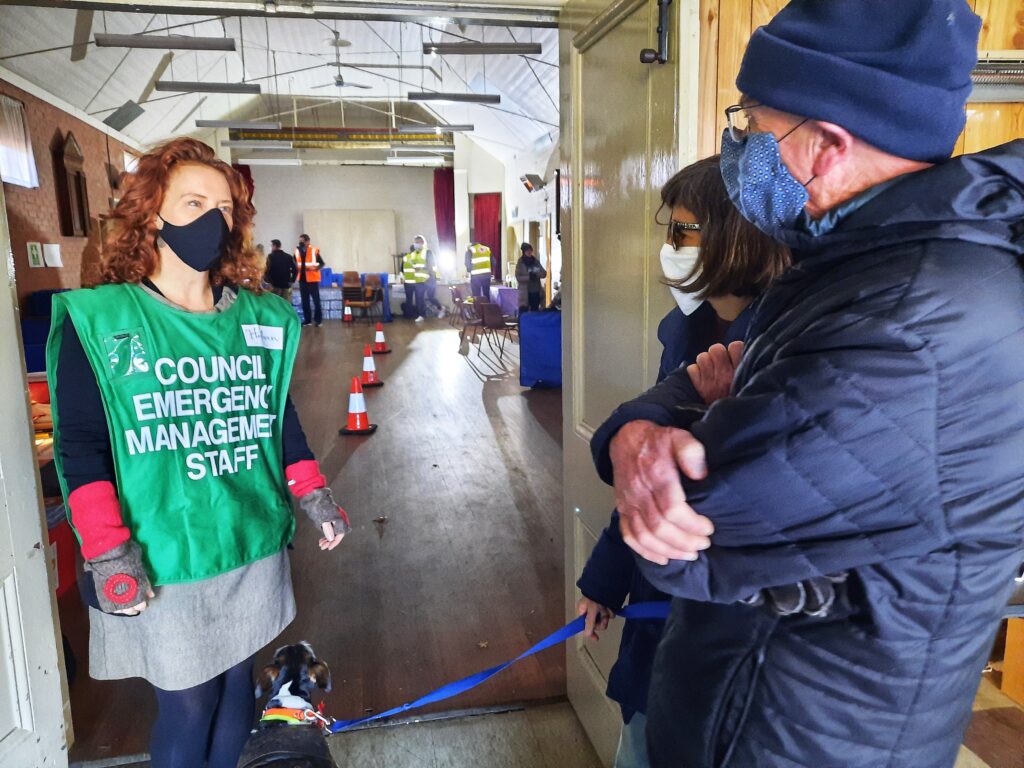
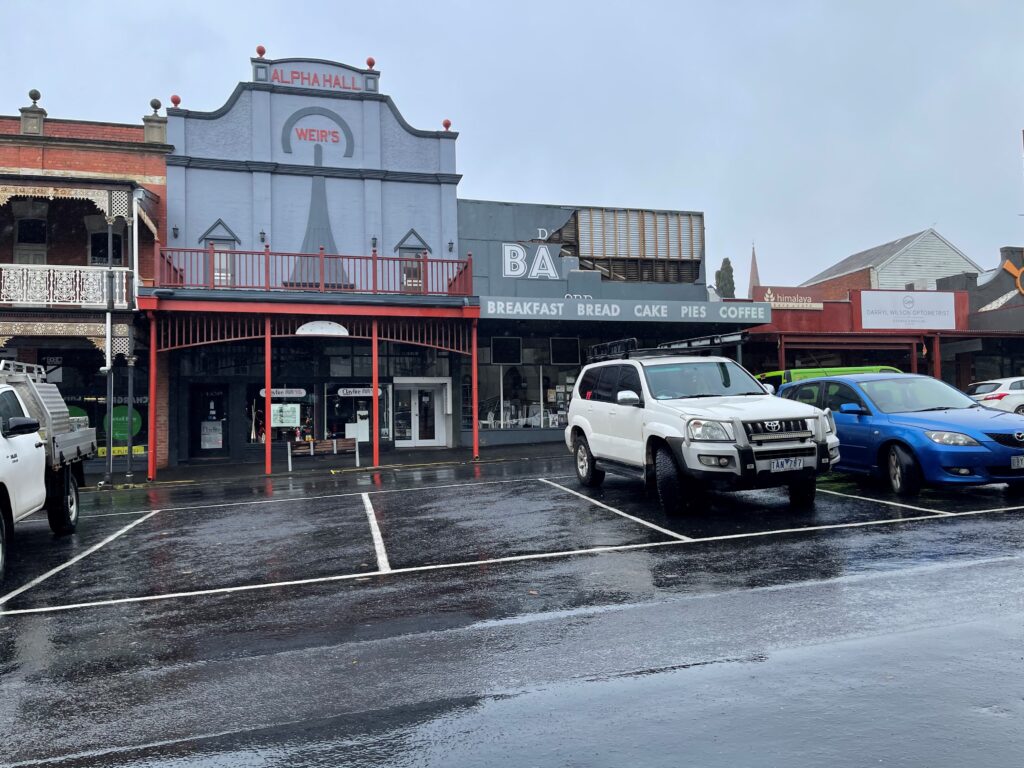
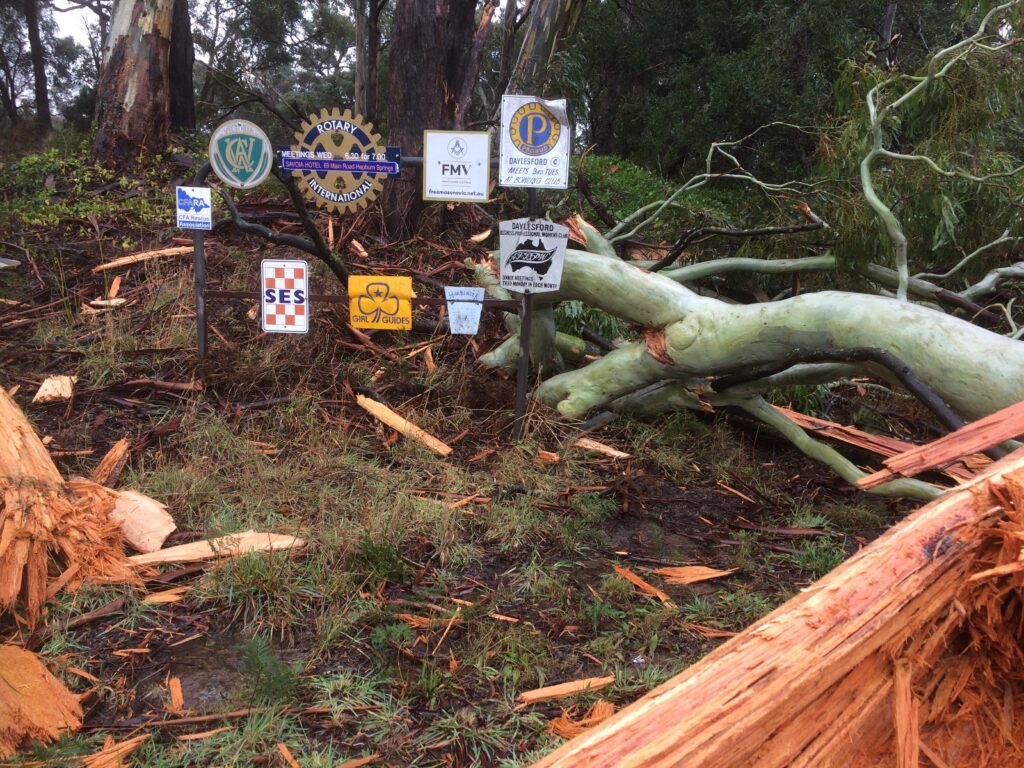
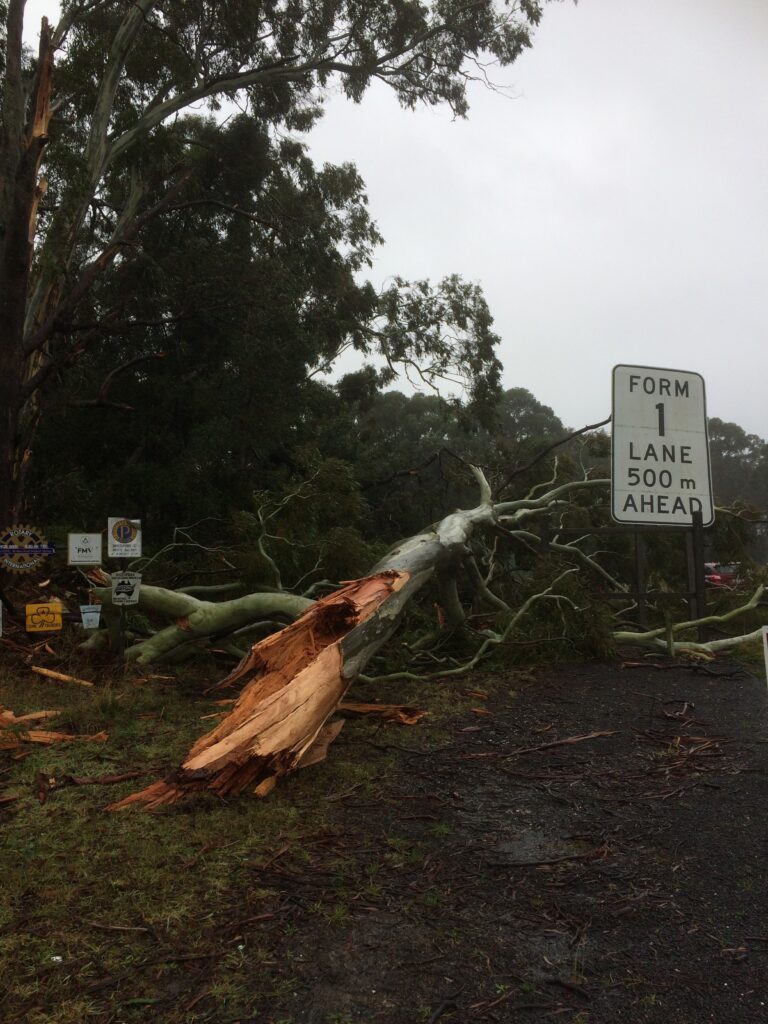
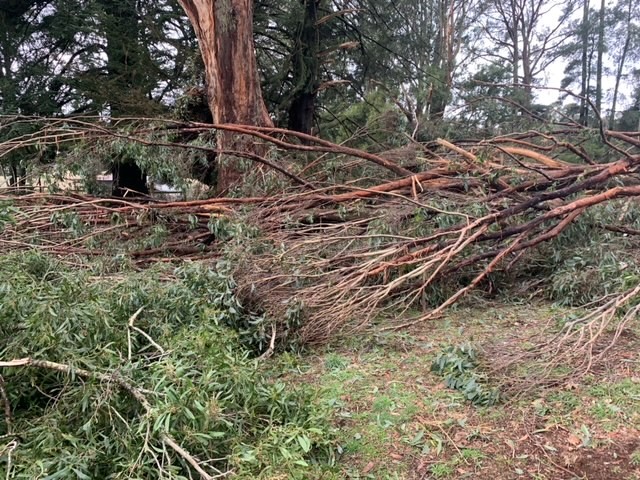
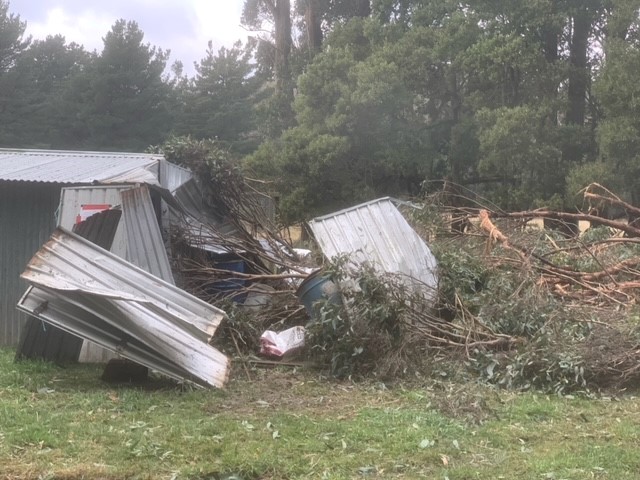
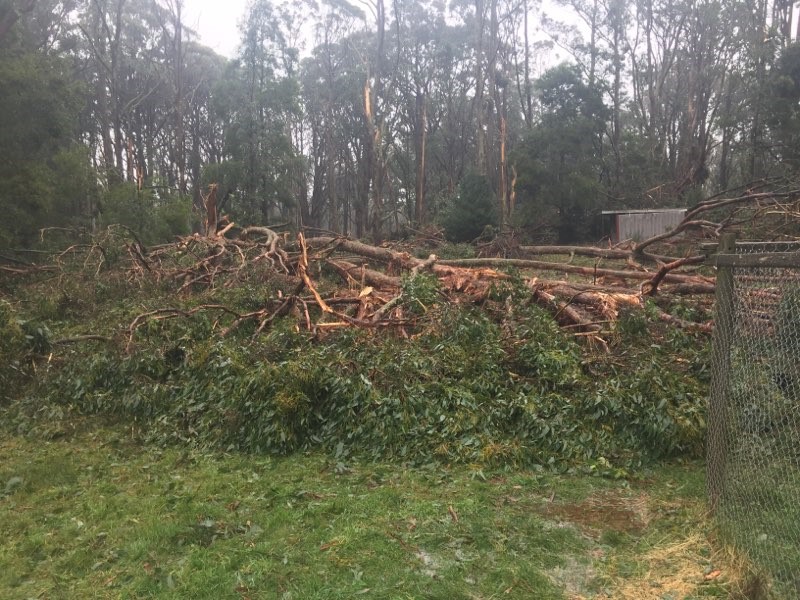
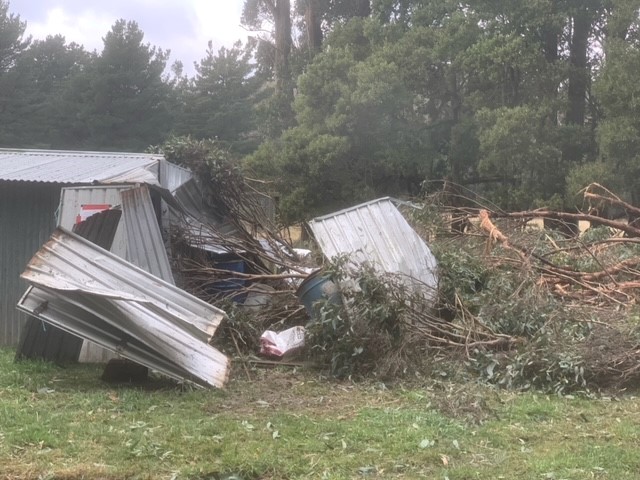
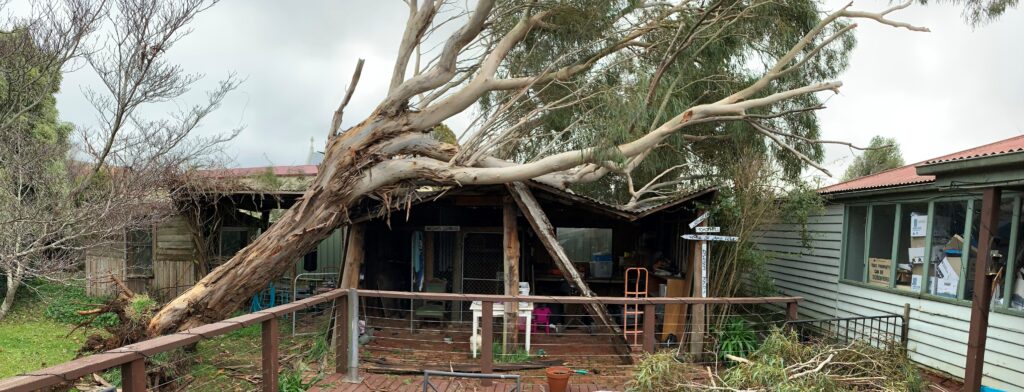
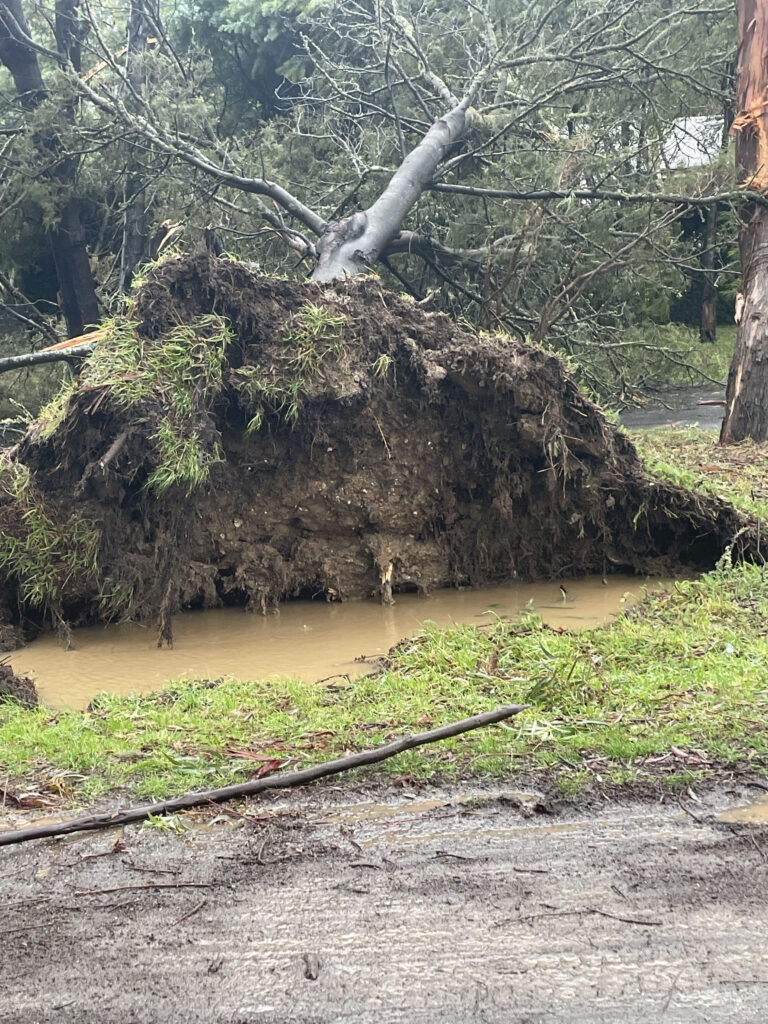
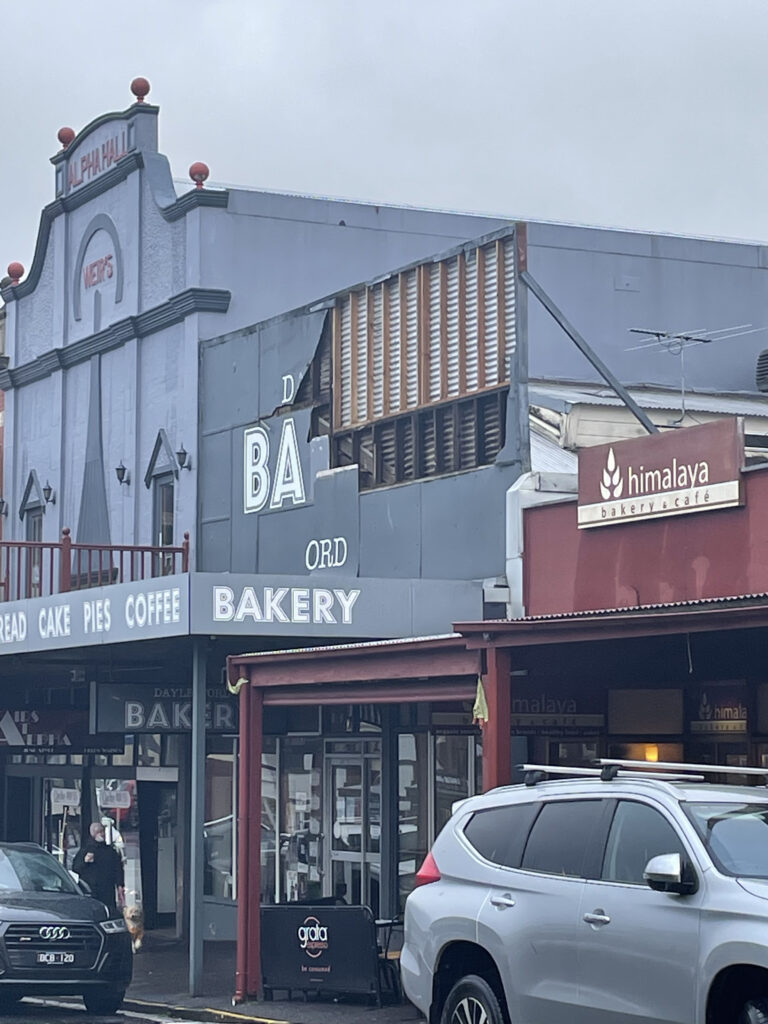
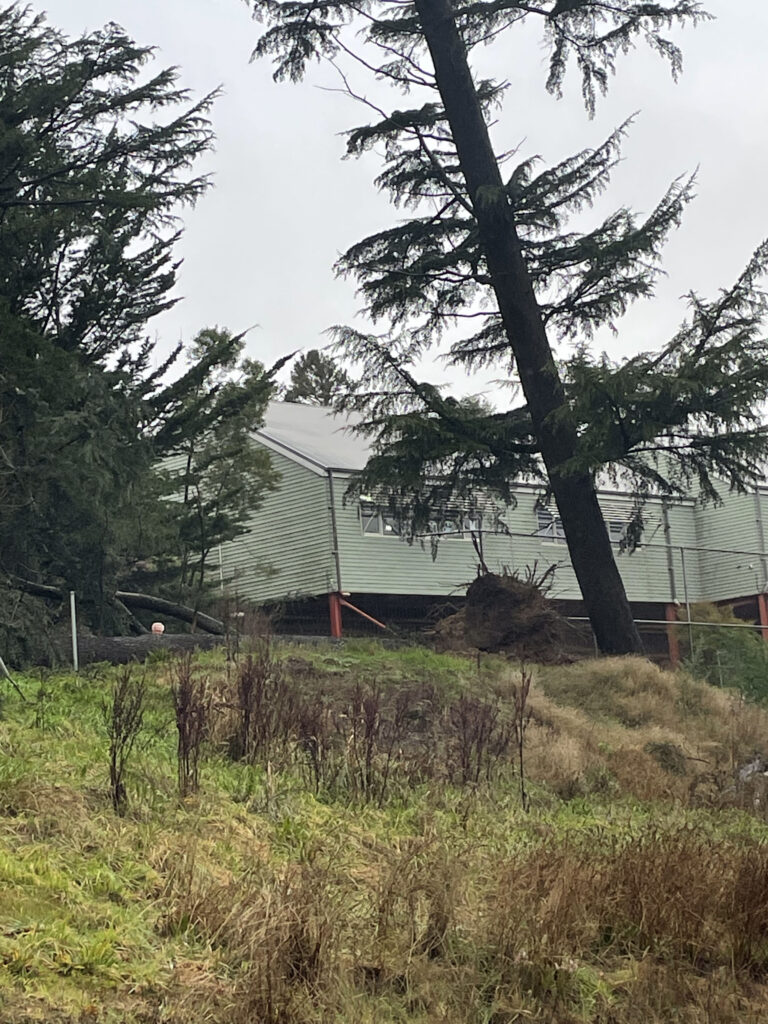
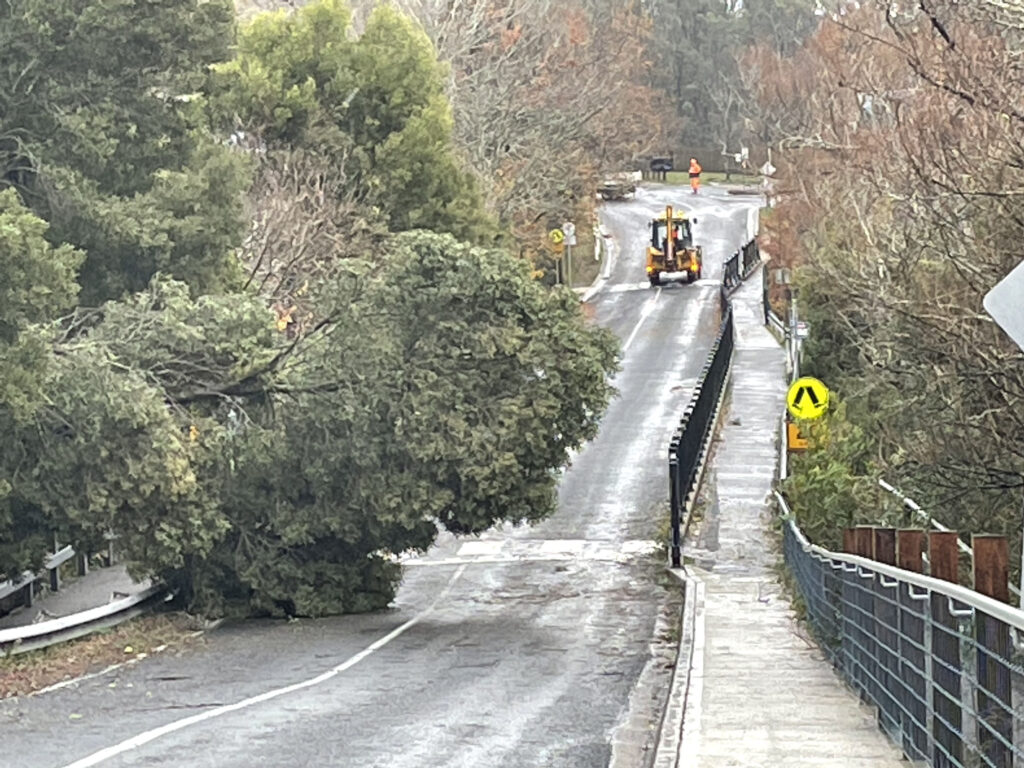
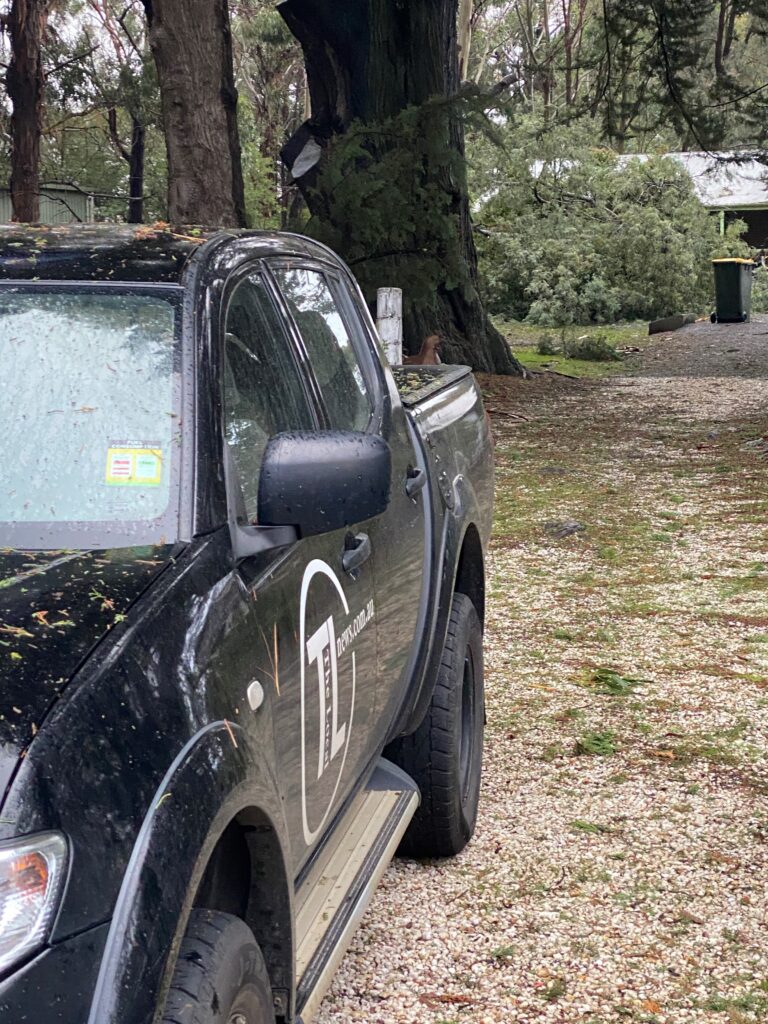
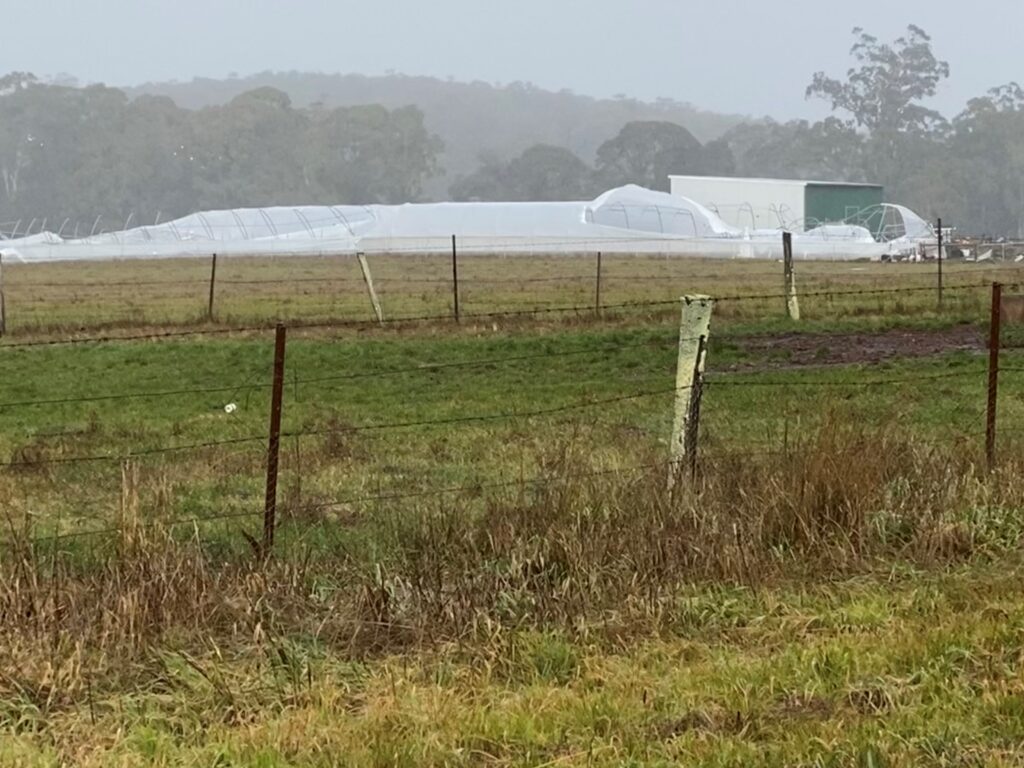
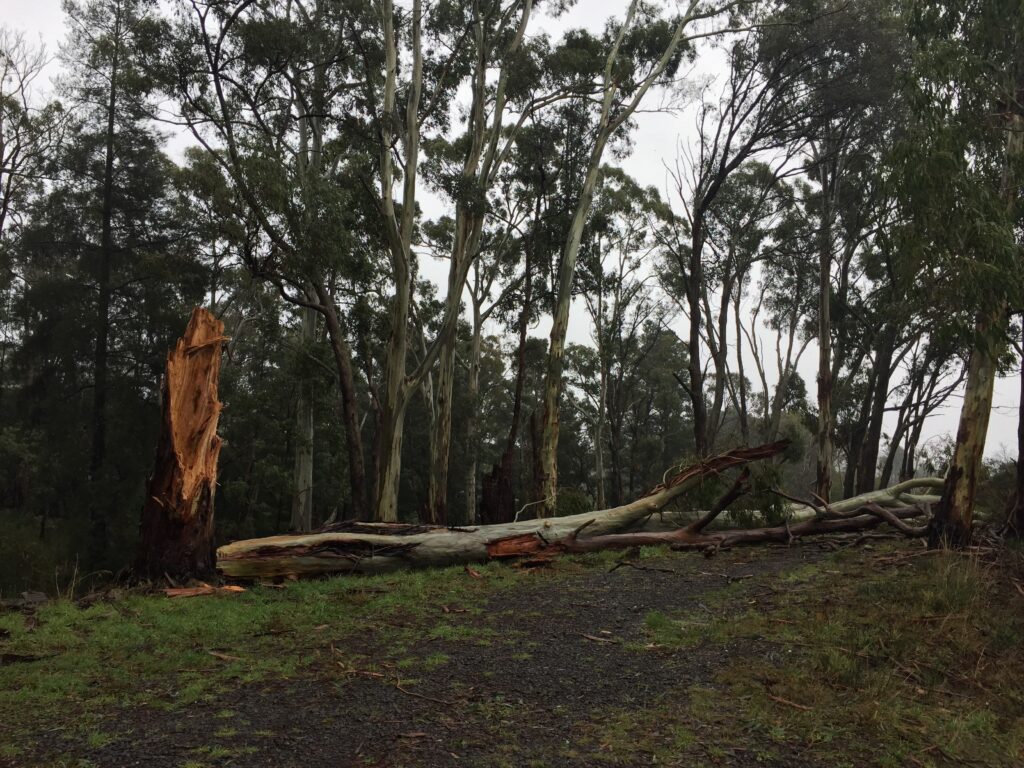
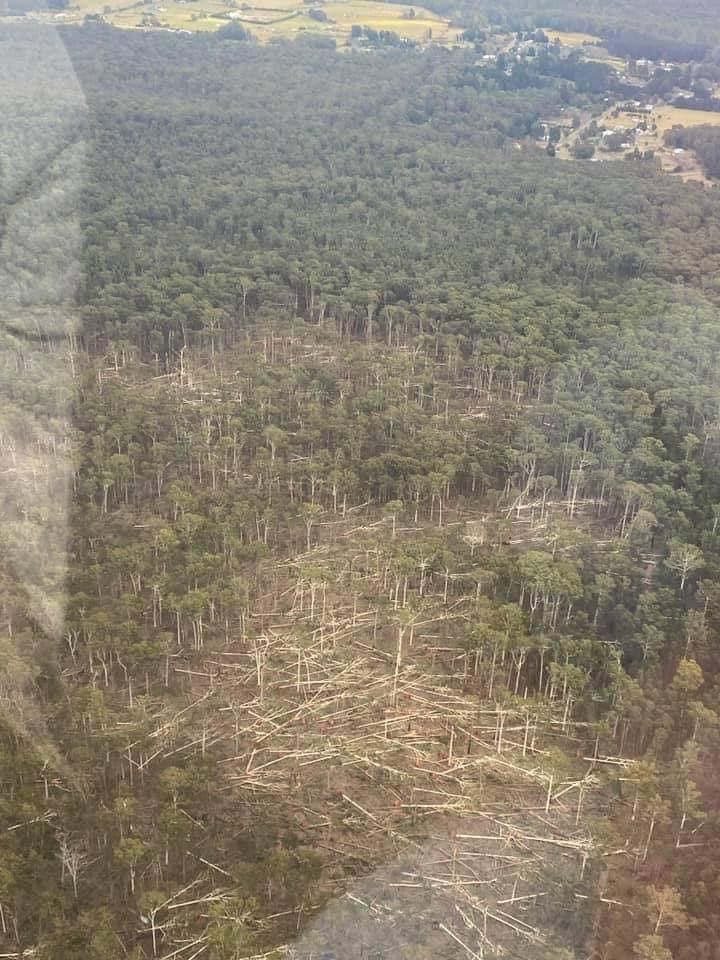
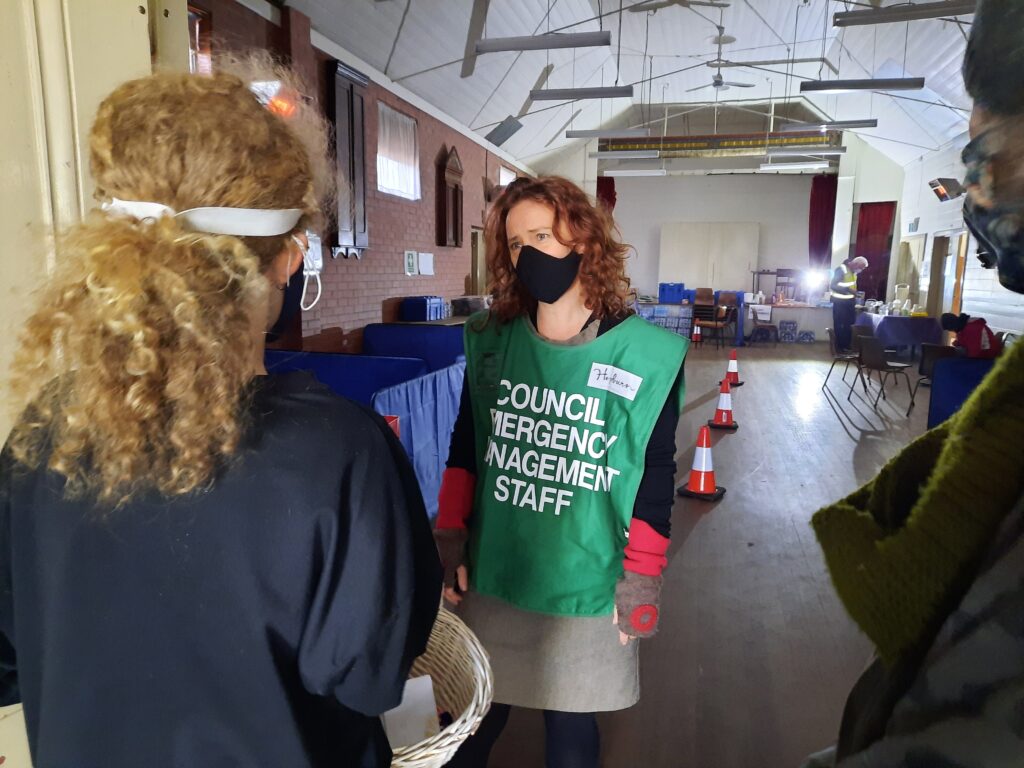
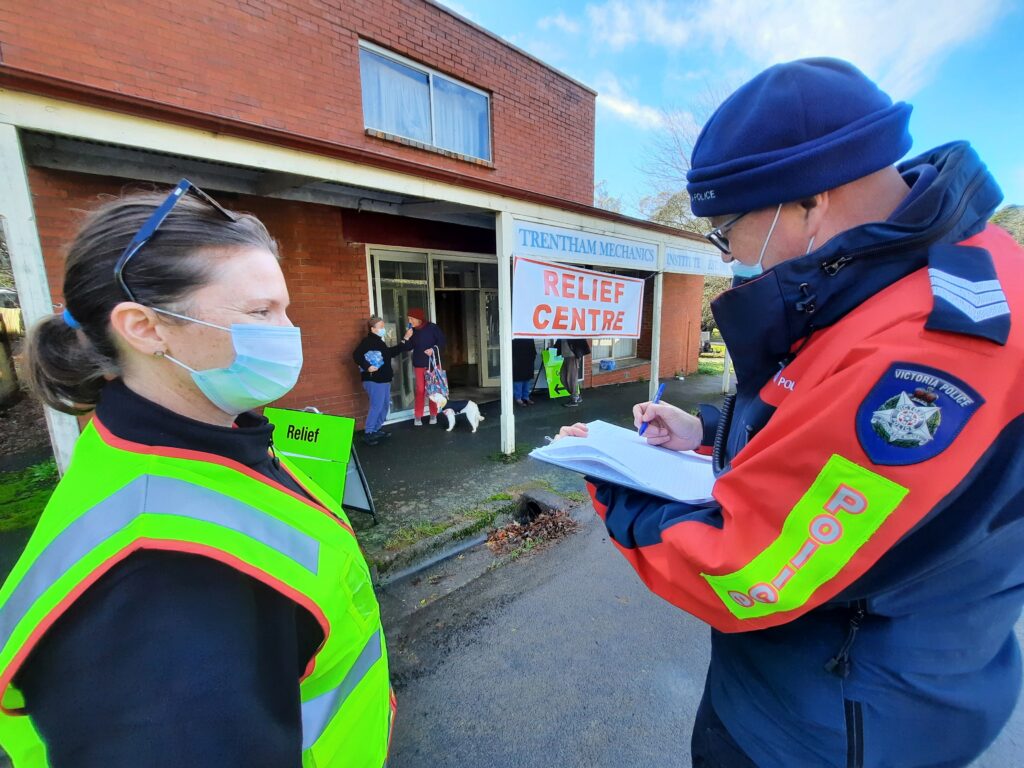
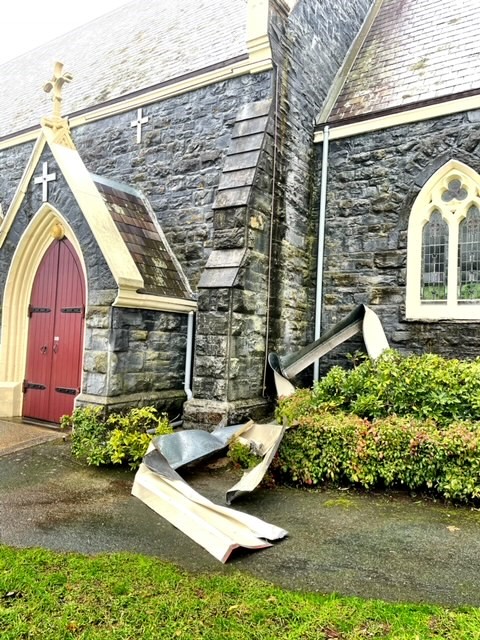
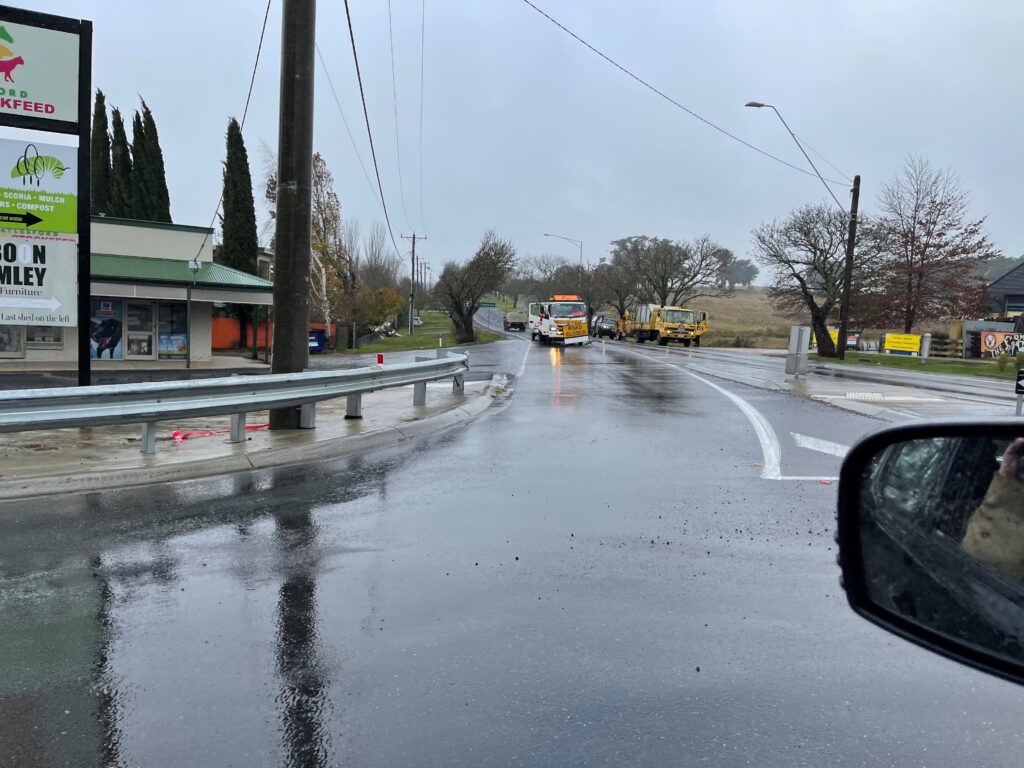
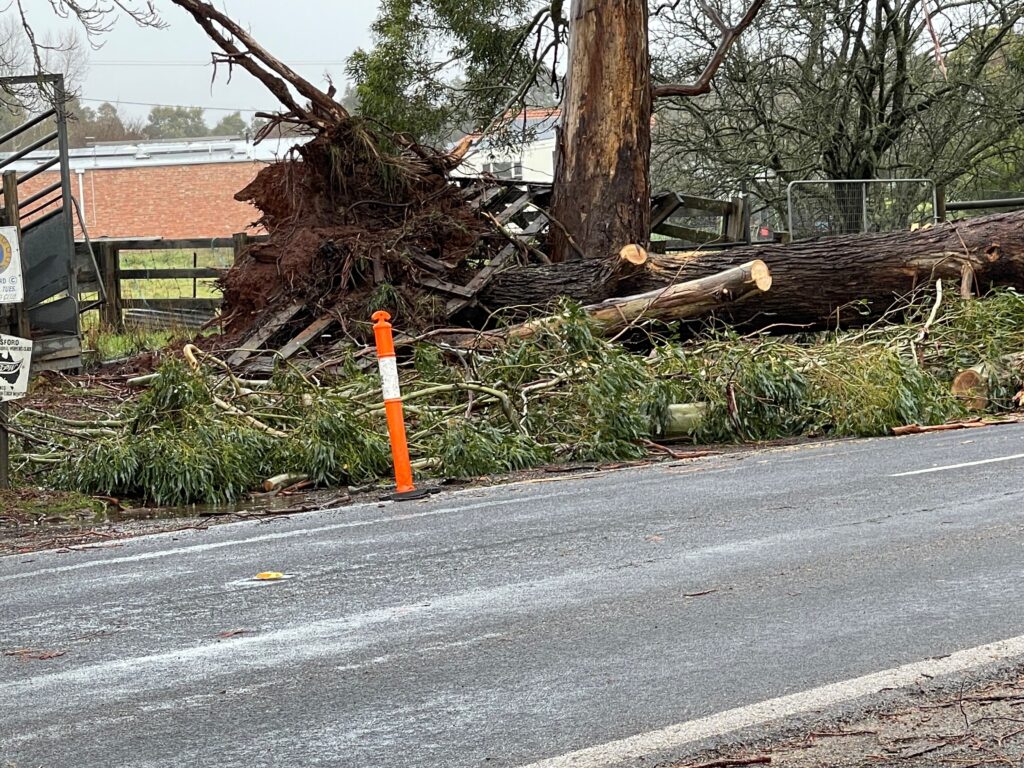
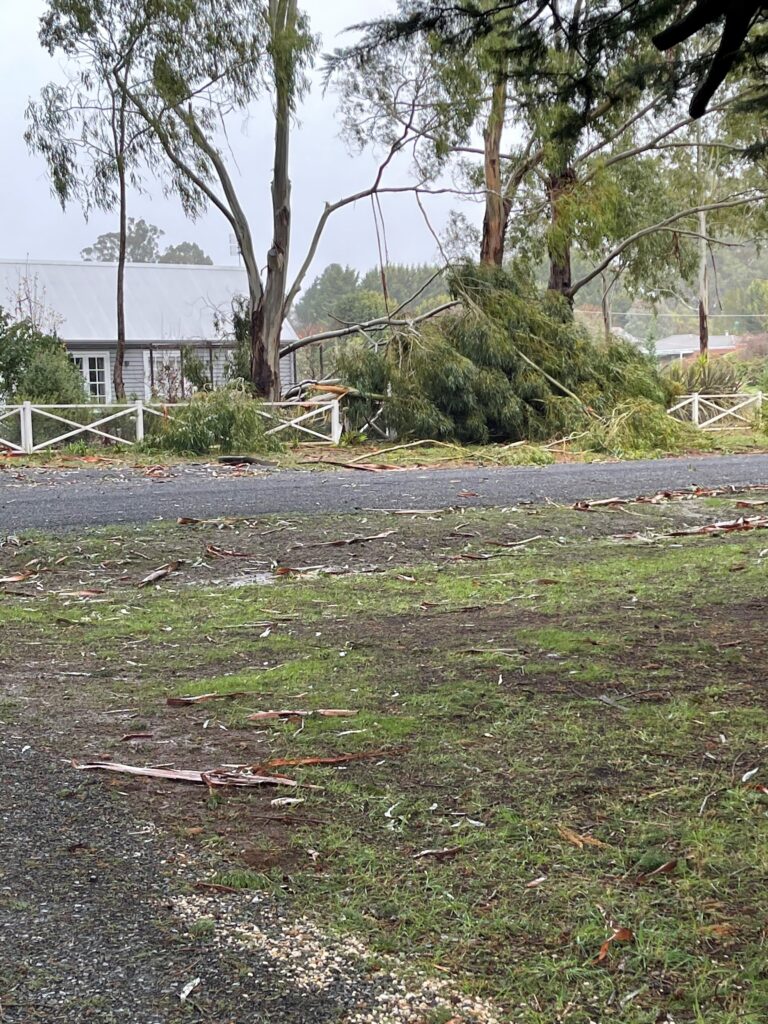
In our June 21, 2021 edition we looked at the storm damage from the June 8/9 storm that wreaked devastation across the region. Images courtesy of Daylesford Spa Country Railway and Sandy Scheltema.
January 17th, 2022Pets@Work
In our March 8, 2021 edition we ran another of the popular Pets@World series…
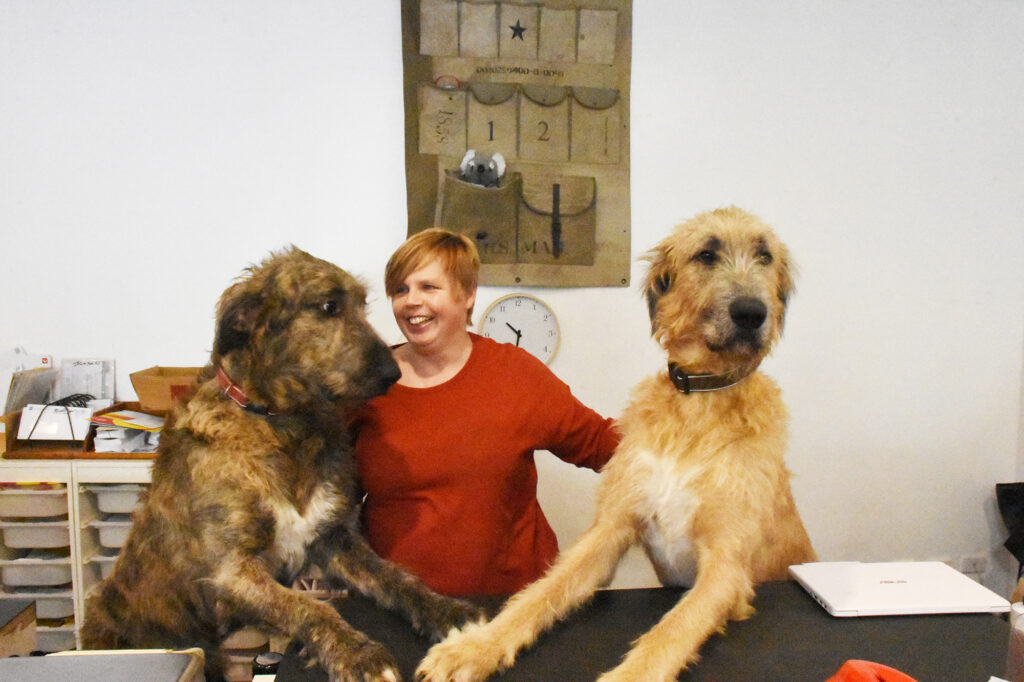
Irish wolfhounds, Fearghal, left, and Flynn, right, certainly punch above their weight, more than 75kg each, helping out at Trentham Post Office. Elizabeth Parsons said the friendly, 18-month-old hounds were pure PR, looking after customers and happily meeting other pooches along with “getting in the way”. Elizabeth and her mum Leanda celebrated six years running
the post office in August.
January 17th, 2022Growing all sorts of heirloom veggies, herbs and berries
MT Franklin Organics is a small certified organic farm on the eastern slopes of Lalgambook (Mt Franklin) now in its 12th year.
Growing all sorts of heirloom veggies, herbs and berries for local food boxes, restaurants, markets and produce shops, producer Florian Hofinger, pictured inset, says his farm is also off-grid passive solar “which means no fridges, just good old-fashioned ‘picked fresh that morning’ kind of produce”.
“Tomato season has just arrived here in Central Victoria and this is the first year that we have used a poly tunnel which essentially gives the plants a security blanket for those late season frosts and cooler days that surprise us throughout the typically turbulent Victorian weather.
“But given that it is a different growing environment than the open paddock there is lots to learn and so that keeps things challenging, which is a good thing. The season is going great guns thus far.
“We grow about 50 different heirloom varieties and my favourite is rouge de marmande. There are about 500 plants in the poly and another 400 outside, all certified organic and using mostly our own seed.
“Our tip to lovers of tomatoes is to plant with compost and pot ash and to never place in the fridge. We enjoy our toms sun ripened, quartered, with a pinch of good quality salt and pepper and a splash of local olive oil. Our mate’s olive oil, Beats Martini, is the best around town.”
Meanwhile, if Young Farmer of the Year Max Hofinger, four and a half, hasn’t eaten all the day’s harvest then you’ll find them at Hepburn Wholefoods, Tonna’s Fruit & Veg, Blake Family Grocers, Ruby Goose Trentham, Daylesford Sunday Market or served at many local cafes, restaurants and caterers.
January 16th, 2022Looking back at 2021: January & February
In our January 18, 2021 edition, journalist Jeff Glorfeld reported on the pandemic in America and Australia along with offering a handy list of pandemic reading material. Who knew we would still need them in 2022.
IT LOOKED like Victoria had beaten Covid-19 into submission, and then new cases began leaking in from NSW.
Here in California, hospitals are reporting record numbers of cases and deaths related to Covid-19, as we experience another wave of infection and as a vast number of Americans continue to refuse to wear masks or accept the reality of the pandemic. Recently a new, reportedly more infectious, strain of the virus has found its way to the US from the UK. So, happy 2021. With that in mind, here are a few books to read during a pandemic.
- The Stand, by Stephen King
King published The Stand in 1978 but has revised it a couple of times, so even if you’ve read it years ago, it’s worth picking up a new copy.
It is only tangentially about a pandemic but what happens is, an extremely snotty, man-made flu-like disease called Captain Trips (and why are we stuck with a nerdy virus like Covid-19 – why can’t we have a bug with a cool name?) wipes out almost the entire population of the US – the rest of the world doesn’t figure in the story.
This being Stephen King, of course, the next thousand or so pages involve supernatural powers influencing survivors to coalesce into two groups – one good and the other evil – who battle it out for control of the world. - I Am Legend, by Richard Matheson
Matheson was one of the great masters of horror literature, and this novel from 1954 was one of his best. The story has twice been adapted for the cinema. In 1964 Vincent Price was masterful in a version titled The Last Man on Earth, an excellent attempt at capturing the mood of Matheson’s tale. As for the 2007 movie with Will Smith, it’s barely adequate and takes too many liberties with the book.
Matheson’s story takes place in a US city – it could be Los Angeles – after a disease has left a man named Robert Neville as the last human. But he isn’t alone – the pandemic disease has turned everyone but Neville into vampires. It’s horror writing at its finest. - Wanderers, by Chuck Wendig
Wendig is one of the most prolific writers you’ve probably never heard of, unless you’re a fan of comic books spun off from the Star Wars franchise.
This is a recent book, published in 2019, and at almost 800 pages, even a writer of Wendig’s fecundity would’ve had to have started it before the Covid pandemic struck, which makes it extremely prophetic.
The book takes its time getting into its main plot, and to discuss it in detail would be to drop too many spoilers. Suffice it to say, many elements of the story could have come directly from the pages of any newspaper, populated by heroic, disease-fighting public health workers; heavily armed, right-wing lunatic militias; duplicitous, useless politicians; and a frightened, angry general population. - The Great Influenza, by John M Barry
For non-fiction readers, and first published in 2004, this is one of the best books available on the 1918-20 influenza pandemic that killed “more people than any other outbreak of disease in human history”.
Barry does an amazing job telling the story in a highly readable style while including the dark details and the enlightening science. It is unfortunate that this book resonates so profoundly in today’s world.
January 16th, 2022Now is the time to target rabbits
Agriculture Victoria and the Victorian Rabbit Action Network is encouraging landowners to get
together with their neighbours to plan a rabbit control program, with summer and early autumn the
best time reduce local rabbit populations.
Agriculture Victoria Biosecurity Manager Jason Wishart said the best rabbit control results are
achieved when landowners work together and implement management programs when rabbit
populations are at their lowest.
“With food scarecer over the summer period, there is a natural pause in the breeding cycle, so the
time to act is now,” he said.
Mr Wishart said control techniques such as baiting and ripping also become more effective at this
time year because the rabbits are more likely to eat bait and the soils are more friable and better
for ripping.
“While there are a number of biological control agents in the environment such as myxomatosis
and RHDV (calicivirus), they are not effective for managing rabbit populations on their own,” he
said.
“The most effective programs are those that adopt the ‘rabbit recipe’ which is an integrated
approach using a combination of baiting, ripping and fumigation.
“It is also critical to monitor rabbit numbers before and after your program to confirm that you are
having the desired impact on the rabbit population.”
Rabbits cause considerable damage to agriculture as they consume pasture and various crops and
compete with livestock for feed. This, coupled with their burrowing behaviour, also leads to soil
erosion and other land degradation issues.
Rabbits also have a significant impact on the natural environment through selective grazing,
competition with native species and habitat degradation.
Mr Wishart said effective rabbit management is especially critical at the moment because
populations are predicted to increase as a result of the late browning of vegetation this spring and
summer.
“Research indicates that the late browning of vegetation in spring and summer can result in
increased rabbit populations the following year,” he said.
“With the wetter conditions we are seeing this spring and summer, it is very important to control
rabbits now, so they don’t get a chance to build up.”
Landowners are urged to talk to their neighbours and form community rabbit action groups that can
share the cost of contractors to conduct baiting, ripping and fumigation over multiple properties,
making it more effective.
Chair of the Victorian Rabbit Action Network and farmer from north west Victoria Gerald Leach said
it was essential that communities are motivated and supported to conduct effective rabbit control
programs.
“Rabbits are a serious problem for everyone. They have major impacts on agriculture, the natural
environment, Aboriginal cultural heritage, infrastructure and community assets.
“Undertaking rabbit control with your neighbours is far more effective than working on a single
property, as it provides greater knockdowns and helps slow population recovery,” Mr Leach said.
For more information about best practice rabbit management visit Agriculture Victoria’s website
agriculture.vic.gov.au/biosecurity/pest-animals/invasive-animal-management/integrated-rabbitcontrol
or vran.com.au
January 16th, 2022Grants now available for food and beverage manufacturers
From today, small and medium food and beverage manufacturers in can apply for a grant of up to $25,000 each to save money on energy bills, improve energy efficiency and adopt new energy technologies under the latest $19.9 million round of the Energy Efficient Communities (EEC) program.
The grants can be used to replace existing equipment with more energy efficient models, carry out energy audits, or improve energy monitoring and management – Senator Henderson said the funding will help manufacturing businesses lower their power bills and emissions.
The food and beverage manufacturing industry is the largest manufacturing sector in Australia, contributing around $22.4 billion to the economy. The Australian Government is supporting this vital sector of the economy as it recovers from the COVID-19 pandemic.
“Lowering business energy emissions is an essential component of securing Australia’s carbon neutral future,” Senator Henderson said.
“I look forward to seeing local businesses benefiting from the Morrison’s Government commitment to back business as part of our journey to becoming carbon neutral.”
Assistant Minister to the Minister for Industry, Energy and Emissions Reduction, Tim Wilson, said the program targets food and beverage manufacturers, which include some of the most energy intensive small and medium businesses in Australia.
“It’s because they’re the engine room of the economy employing 1 in 4 manufacturing workers, that the Morrison Government is backing food and beverage manufacturers to be competitive through grants to lower their power costs and slash emissions as part of the solution to Australia’s carbon neutral future,” Assistant Minister Wilson said.
“Reducing needless energy consumption also cuts emissions and is at the heart of the Morrison Government’s focus on technology, not taxes, because it boosts competitiveness, creates new jobs and reduces Australia’s environmental footprint.”
Applications close on 18 February 2022 or earlier if funding is exhausted prior.
More information, grant guidelines and application forms are available at www.business.gov.au/EECFB, or telephone on 13 28 46.