


June 22nd, 2020Changing Times:
The times they are a-changing,
So Bob Dylan sang some time ago.
With ‘Black Lives Matter’ protests all over the world,
Maybe it’s finally so.
In a world where the ‘Haves’ have so much,
While the ‘Have-nots’ have so little to show.
It’s hard for those kept deliberately ignorant,
And easy for those in the know.
We are born equal in the eyes of God,
But not in the eyes of man.
While some enjoy privilege from the moment of birth
Others fight for what little they can.
Afro-Americans kept down by a system:
A modified form of the slave trade,
Kooris and Native Americans in war,
Hard sacrifices for their country made
Believing the while it would bring to them,
The right to be living free.
“Thanks, guys, you did a great job,
Now get back into your slavery.”
Black deaths in custody, an ongoing issue,
On both sides of the Pacific.
Four hundred and thirty two in Australia alone
Since 1991 to be more specific.
Black deaths and police brutality,
Are symbols of a sick society,
While privilege for the rich and white
Is the leaders’ first priority.
In a land of boundless potential,
The leaders are deliberately blind.
“Anyone can make it big.” They say,
But too many start from way behind.
Protest and marches have happened before,
But the momentum too soon has passed.
Yes, the times are a-changing, Bob,
But how long is it going to last?
– Gordon Nightingale

Gordon Nightingale is a retired design draftsman who has turned to writing to keep his mind alert. He has involvement with U3A, Daylesford Motorfest and the Hepburn regional community.

June 22nd, 2020An Aussie in America
EVERY Friday afternoon the Glorfeld family gathers here in northern California to listen to ABC Radio. We usually tune in around 4.30 to catch the gardening segment, followed by the hourly news report, and then it’s time for the Coodabeen Champions.
The Coodabeens’ light-hearted football-centred banter is a much-needed respite from our regular news diet of COVID-19, violence in the streets of US cities, and a government incapable of providing meaningful leadership in this time of deepening crisis.
Prime Minister Scott Morrison doesn’t appear to be an especially smart man, and his conservative evangelical Christian viewpoints seem to be out of step with most of mainstream Australia, but nor does he often go out of his way to antagonise great swathes of the populace.

In the US, however, President Donald Trump seems to actively seek to create conflict and division. Politics in this country has devolved to the level of barracking for a sports team. We constantly hear about Trump’s base, his core group of fans who approve of his every action, believe everything he says, no matter how outrageous, and turn out for his rallies bedecked in logo-emblazoned hats, shirts and banners – much the same as footy fans proclaiming their unswerving support for their beloved players.
There is nothing wrong with being a passionate sports team fan, but there’s a good deal more at stake when we’re talking about supporting a political party.
A new book, The Impostors: How Republicans Quit Governing and Seized American Politics, by Steve Benen, expands on the idea that the Republican Party has abandoned the notion of politics being about policies and principles and instead now cares only about having and maintaining power.
Progressive commentators such as Bill Maher, who uses comedy to open up serious political discussion, have been debating the what-if question of what happens if a despotic, unhinged Trump loses the upcoming election and refuses to leave office.
Maher, an outspoken liberal, has advocated for liberal Democrat voters to follow the lead of right-wing Republicans and buy guns – arm themselves in readiness for – for what? Maher doesn’t spell it out but it’s pretty clear he anticipates violence to erupt between Trump’s fanatical supporters and people who believe in the democratic process.
Before the outbreak of racially-charged violence began sweeping through US cities, brought on by the killing of a black man named George Floyd by police in Minneapolis, Minnesota, we had the COVID-19 epidemic.
The US is the worst country in the world in terms of its COVID-19 response. We have more cases, more deaths, and no national plan for dealing with the epidemic. Even now his administration has refused to step in and take charge, instead forcing each state to come up with its own COVID-19 strategy.
Trump has often made public statements in support of white supremacists. Now, with racial tensions in the country at levels not seen in 60 years, and the Black Lives Matter movement seeking to raise awareness of systemic racism in this country, he has advocated for bringing the US military onto the streets of American cities.
There they will forcefully put down protests, which many observers believe would only serve to escalate the violence. Meanwhile, partly because of his overt support for such people, self-proclaimed militia groups – often heavily armed – have also coalesced around these protests, dramatically raising the potential for deadly conflict. I think Steve Benen is correct – the Republican Party has divested itself of policies and principles in the traditional sense. It is anti-science, it has removed generations of environmental protection legislation, it is opposed to public education and universal healthcare, it has no unified foreign policies.
But I believe the Republicans do have one core belief – that the founding principles of American democracy have become outmoded and unworkable. They are actively working to tear down the US government as it has stood for more than 200 years and replace it with an oligarchy: in which a small and privileged group of people exercise power by virtue of their wealth, family and corporate interests, religion, and military power.
The opposition to Trump and the Republicans is widespread but disjointed. There is little enthusiasm for his opponent, Joe Biden, in the upcoming elections, and the Democrats have promulgated a wide range of potentially divisive policies, unlike their opponents, who only have one – retain power.
These are dark times for American democracy, and I fear there are darker days ahead.
– Jeff Glorfeld
Jeff is a former long-time editor of The Age, and editorial contributor for The Local, who lived in Wheatsheaf for 17 plus years before returning to California, with wife Carol, in 2018 to be with family. Along with having ink in his veins, Jeff is a dyed-in-the-wool St Kilda supporter.

June 15th, 2020The choir that really keeps up with the Joneses
THE music that for centuries has coursed through the blood of the Welsh found voice during COVID-19 through a choir that includes Kyneton’s 83-year-old Keith McCoy.
The Melbourne Welsh Male Choir went viral to lift people’s spirits, getting over 40,000 online hits.
Wearing almost everything from white tie and tails to hoodies, Hawaiian shirts, bright bow ties and the choir shirts, the 51 members, aged 45 to 89, boomed out the 60s Hollies hit, He Ain’t Heavy, He’s My Brother.

And just to show these choristers aren’t dull, they held an online contest to name which one of their members had been accidentally lost in filming this performance.
Keith, who’s lived in Kyneton for 18 months after 16 years in Drummond, began with the choir four years ago after belonging to another of Melbourne’s three Welsh choirs.
His choir’s YouTube and Facebook performance was helped by legend Mike Brady and top musician Roy Best.
“We didn’t have a cut-off,” says Keith. “We were just told ‘This is going to happen’.”
Members of the choir include a retired doctor, a paramedic, business types and a solar farm consultant. Naturally, there are a couple called Jones and at least one Thomas, and a dozen who were Welsh-born.
“The average age is a bit too high,” says Keith. “Thirteen of us are over 80.”
What’s more, “You have to have in your head your part of 100 songs. The vast majority of Welsh choirs sing without the book”.
Being a chorister requires dedication, which before the pandemic meant Keith undertook a weekly four-hour round trip to Ringwood for a two and a half-hour rehearsal, arriving home about 11.30pm.
If things had gone as planned, Keith’s choir would have sung in London this year, but events intervened.
For the Welsh, singing has a history dating back six centuries. Their “land of song” has traditional musical styles which became associated with drunkenness and immorality until the Methodist Church moved in to revive hymns in the late 18th century.
This nation that produced everyone from Tom Jones to Bryn Terfel, Shirley Bassey, Charlotte Church and Aled Jones, has singing in its DNA.
These days, Keith’s choir is modernising its repertoire, including Freddy Mercury’s Lullaby in its program.
Formed in 1984, the choir sings in Welsh as well as English, South African, Italian, Latin, Maori, Aboriginal and German, performing in venues ranging from the Sydney Opera House to Hamer Hall, the National Gallery at the Arts Centre and Government House, as well as across the state.
While the quality of the singing is important, the choir also pays close attention to its benefits to the health of the singers.
The choir has toured overseas seven times, including performing at the Royal Albert Hall, London.
Its Singer of the Year contest for young performers will be held in October, under musical director, David Ashton-Smith, a classically-trained singer who rose to become principal baritone during nine years with the English National Opera.
www.facebook.com/MelbourneWelshChoir or
YouTube youtube/IjGKQ0otAKU
Words: Kevin Childs | Image: David White
June 15th, 2020All aboard with fresh plans for Trentham Station
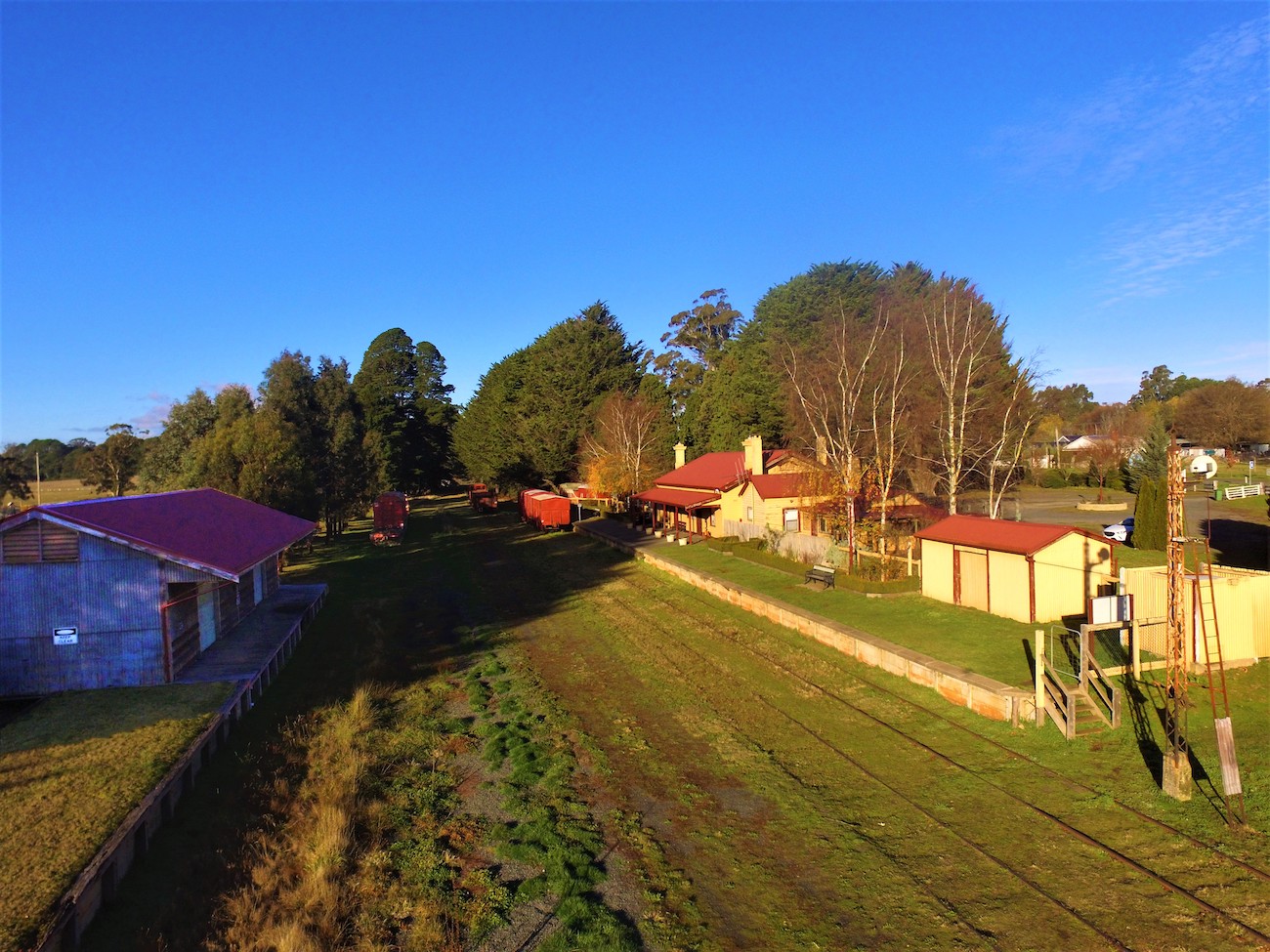
FEW places seem emptier than disused railway stations. The whistles, smoke or steam, the flurry of travel, all are gone.
Trentham’s heritage-listed station stopped operating just two years short of its century, in 1978.
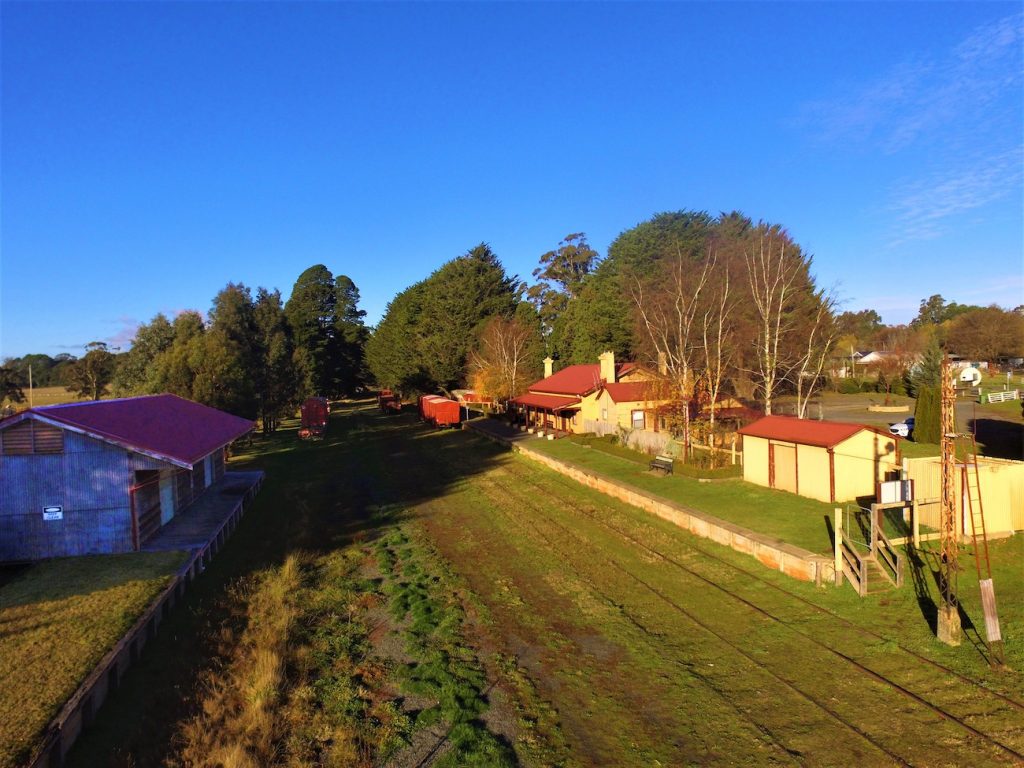
There are, however, signs of life on Friday nights when two food vans lure locals for burgers and a yarn.
A check of Hepburn Shire Council reports turns up a study released in September 2013 which talks of $450,000 to be spent developing “a museum/interpretive centre”, with support from the Friends of the Railway Station and the Trentham Historical Society
Now, the Friends of the Railway Station has become Trentham Rail and Tramway Association (TRATA), and it struggles after a three-month COVID-19-enforced shutdown.
But TRATA now says they are coming back strongly with ambitious plans to smarten the place up and expand.
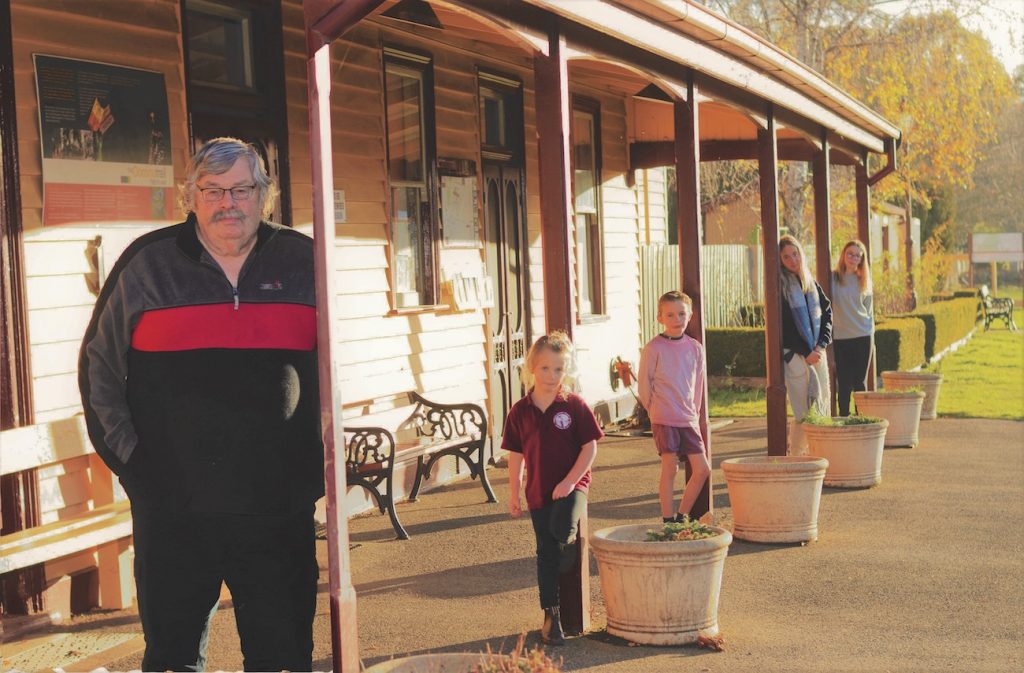
Painting the historic station is on the schedule, says TRATA treasurer John Gray, pictured with some locals, from left, Ivy, Lilly and Georgia with his grandson Eli.
“We want to reorganise the structure and make it more interesting. A couple of carriages have been upgraded and made more attractive.”
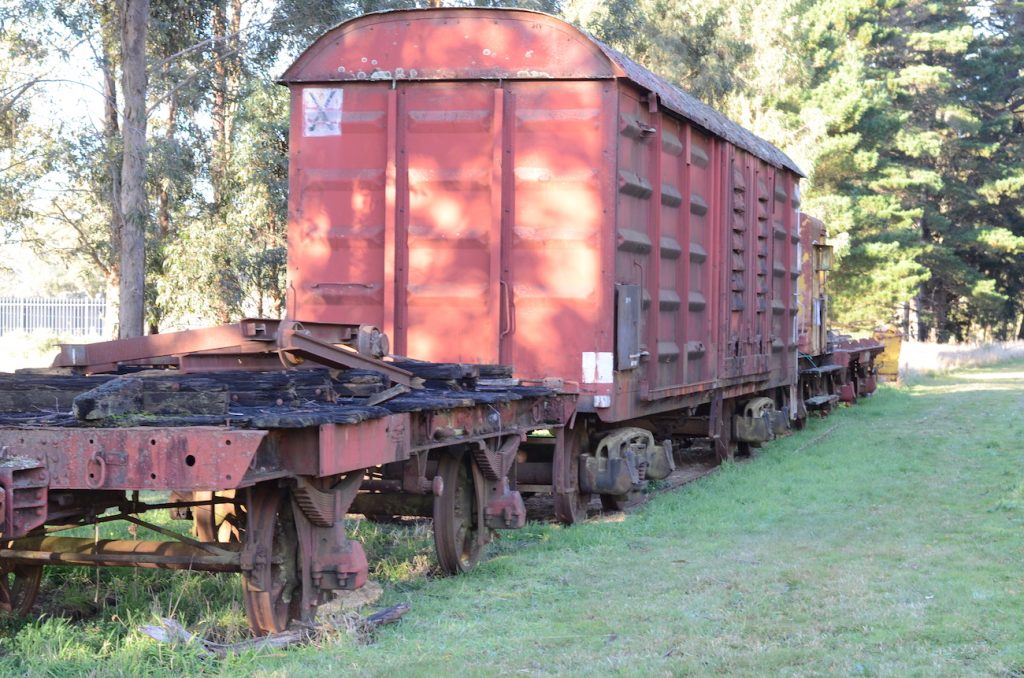
One carriage has been a tearoom and is now fitted out for a sausage sizzle spot at the monthly fundraising market, which may restart in September. “We hope for more space under cover and to expand the 15 to 20 stalls up to 30.”
Standing on the former Carlsruhe-to-Daylesford line, the station building, platform, goods shed, and a short section of track are still in place. The town’s Information Centre is there, in spite of long-dreamed-of plans to move it to a new “Hub”.
Mr Gray said the goods shed could become a community base for workshops and meetings, with an undertaking from the station owners, VicTrack, to do work on it.
Another aim is to set up a museum in the area, showing memorabilia collected over the years.
Car shows and tractor pulls have been held at the station and Mr Gray says work on the track will enable more tractor pulls.
The station is also the starting point for the Domino Trail, an easy walk following the old railway line into the Wombat Forest six kilometres to Lyonville.
Another intriguing aspect of rail transport in the district was revealed in the Spring, 1971, journal of the Light Railway Association by an A. N. Hall.
He writes of visiting his old home district of Korweinguboora, and by chance finding a brake shoe used on the horse tramway run by Trewhella Bros, of Trentham.
“I originally found this brake shoe on the route of the line in 1920, and carried it home. It has since been used by my brother as a small anvil.”
The tramway ran from Trewhella Bros sawmill at “old” Newbury, about eight kilometres towards the settlement of North Blackwood. “The `old’ Newbury town does not exist now,” he writes, “although when the sawmill was there and mining was in full swing it boasted a theatre and three hotels.
“Some 30 years ago the Newbury post office was shifted from ‘old’ Newbury to Garlick’s Lead, and the latter town then took the name Newbury.”
The Trewhella Bros sawmill at “old” Newbury closed before the start of the 20th century.
Anyone interested in joining TRATA or the monthly market should ring 0477 179 237.
Words: Kevin Childs Images: Kyle Barnes
June 15th, 2020Mural to depict six seasons of Dja Dja Wurrung
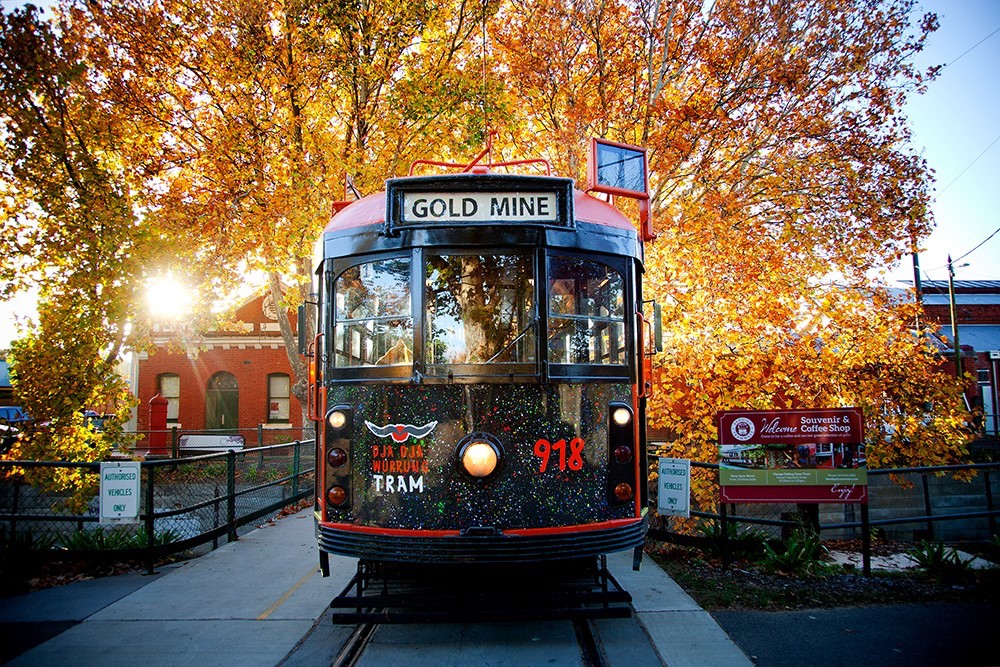
DAYLESFORD, Drummond and Yandoit Primary Schools have commissioned a mural to depict the six seasons of the Dja Dja Wurrung. Natasha Carter, well known for her work on the Bendigo Dja Dja Wurrung tram which has been teaching students and the wider community about First Nations culture since 2017, is the artist. She chatted with Donna Kelly.
Donna: Tell us a little about your background.

Natasha: I spent most of my childhood around Melbourne and then in high school years I grew up in Swan Hill. I then did the migration back down to Melbourne for a while and now I am on country in Bendigo. It’s nice to be back on my people’s country too. I hadn’t lived there before, so it’s very nice to be here.
Donna: How did you get into art?
Natasha: My family has helped a lot. My aunty Wendy Berwick has done a lot of artwork and murals for places like Scienceworks in Melbourne and things like that, so she’s always been a really good sounding board on building up my techniques. I remember as a kid spending time in her studio during school holidays and just watching what she was doing and she sometimes let me have a little bit of a go. That was really good. And my older cousins paint and do metalwork. Ever since I knew how to hold a pencil or a paintbrush I wanted to use one. Every spare moment I was always drawing something. My earliest artist memory was arranging all my soft toys on the dining table and then sitting down and drawing them. I spent two days trying to perfect dalmation spots. I was a bit meticulous.
Donna: Was it always going to be your career?
Natasha: I always thought it was what I wanted to do but you get two messages from people who have your best interests at heart. There are those who help support you and build on that and those who worry about whether it is a viable industry to be involved in and say ‘maybe you should learn something else’. I know where those people are coming from but if art is something you really want to do, stick to it. You are not always going to get there on the first go, the third go, or even the 15th go, but persistence helps, you need to be persistent in this industry.
Donna: Can anyone be an artist or is it intrinsic?
Natasha: I do think anyone can be an artist. But I think there is a bit of fear early on for people doing art. I have always had friends and family who say ‘I wish I could draw or paint like that’ or ‘what I am doing doesn’t look real enough or what I am trying to do’. But I think we need to let go of that fear of creating something absolutely perfect. There is real character that comes from imperfection in art and I think it’s building on recognising what your style is and realising you are onto something here and enjoying it and going to stick with it. It is all about individuality.People need to realise their own capabilities and style. Anyone can do it but that is not to say you have to create a business out of it, just have the enjoyment of creating the artwork itself.
Donna: How do you feel about having painted a tram?
Natasha: It’s funny, now and again I will forget I have done it and then I will be walking down the street and it goes past and I get a bit excited. Sometimes friends will come up for the day and send me a text with a photo and say ‘Look what I saw’. That’s really nice and what is even nicer is to see the people on the tram, because it’s a talking tram and talks about the Dja Dja Wurrung history in the area, so it’s really good to see people on the tram learning about that.
Donna: Tell us about the schools’ mural?
Natasha: The focus is on the six Dja Dja Wurrung seasons. There are six panels and each will focus on a season which will be a really good educational tool for the kids and the parents as well. A lot of my stuff is generally really colourful so I think that works well for a school environment and gaining kids’ interest as well. I was going to be painting the boards at the school but now I will be painting them at home but I will be taking a lot of photos for the school newsletter and my Instagram. Later I will be able to come in and take part in other activities.
The project is supported by Hepburn Shire, Daylesford Rotary and the Daylesford, Drummond and Yandoit school councils.
Links: instagram.com/murrupukart and
www.etsy.com/au/shop/MurrupukArt
June 15th, 2020From an old potting shed
It’s funny how the sight of something familiar can bring memories of a long- distant past, flooding back – and we, of a certain age, have plenty of them.
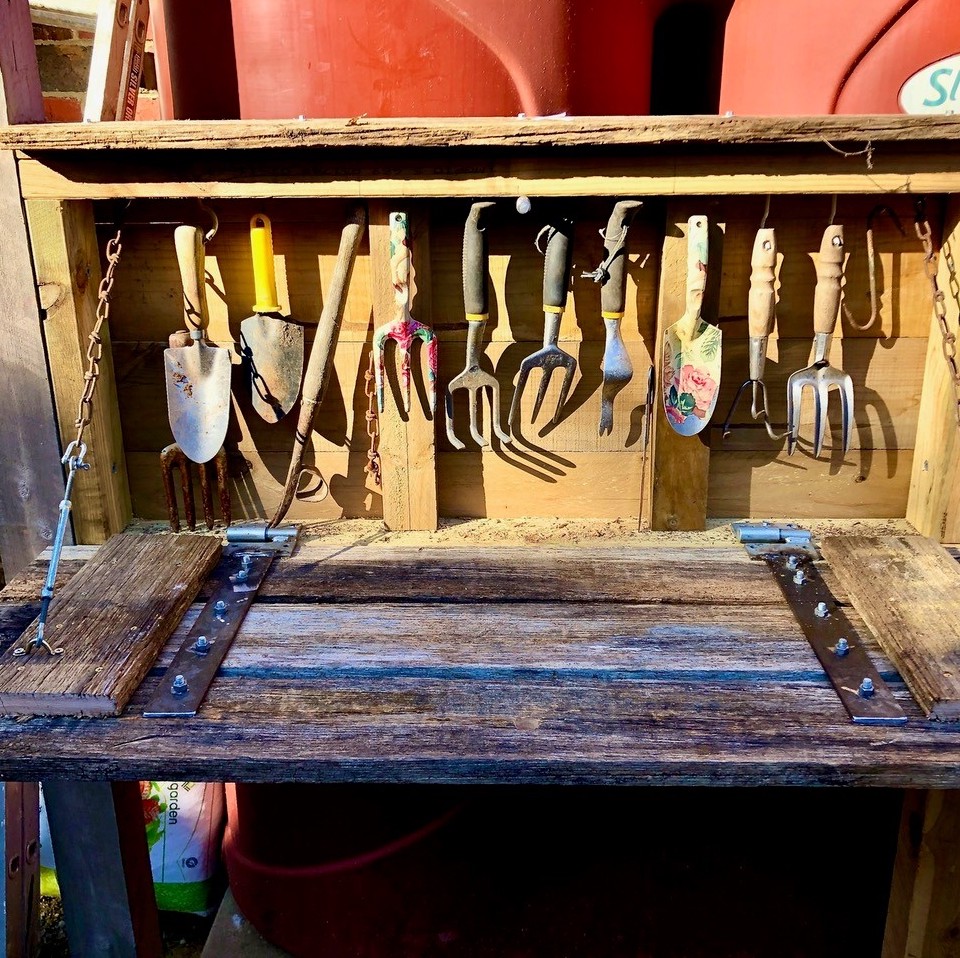
And so it was last week, when my son-in-law Evan Jones, emailed me several photos he had taken of a nifty, fold-away potting bench he had constructed for a crammed walkway. As well as being beautifully constructed, the bench solves the problems of space with a proper work surface and, most importantly, somewhere to have plants, soil and pots close at hand.
Apart from ticking another box in Evan’s “to do” list, it has provided an answer to a recent request for a design for building one.
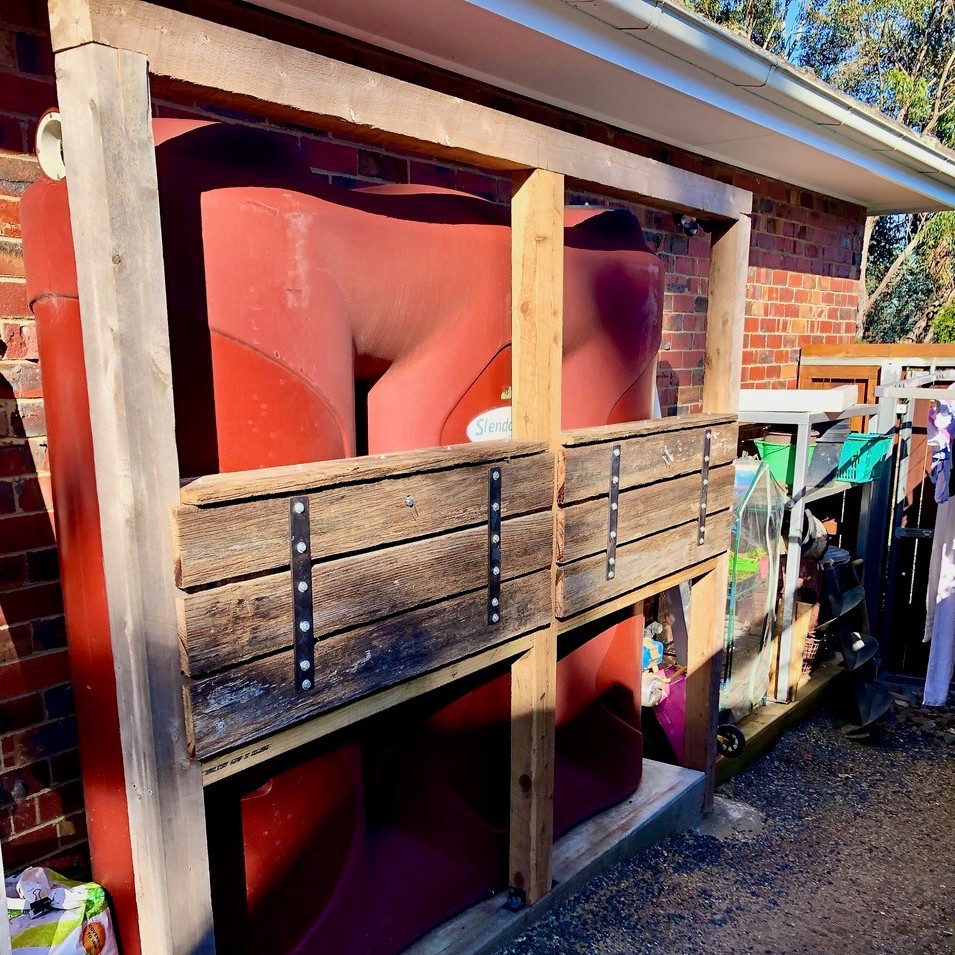
The photos set me thinking back to the mid-1940s and my grandfather’s nursery when my father spent whatever spare time he had, helping him to return the now rundown property from a wartime vegetable garden back to a commercial business.
I loved pottering around with my Pa who was, by this time, quite elderly, with time and patience to open the eyes of an eager six-year-old to the wonderful world of plants and nature.
Apart from anything else I delighted most in “helping” him in his “potting shed” – at that time a rickety old table in the corner of a bush shade house, covered in piles of sand and soil, surrounded by stacks of terracotta pots of all sizes.
(In later years I came to hate the sight of those *&%?# pots when I spent many pre-plastic hours after school with a tub of cold water and a piece of hessian sacking, recycling them.)
But it was there that he would tell me the names and explain habits and requirements of each plant as we planted seeds and made cuttings. He never trusted me with his sharp knife, so I had the job of placing each cutting into pots of sand, making the holes with pointed “dibber” stick and then carefully watering them in with a watering can.
There was only one small glasshouse at the time, so the pots were placed into large wooden crates and covered with recycled window frames.
Grandpa was a genial little man who, when dressed up in his best suit, with his derby hat and cane, later reminded me of Charlie Chaplin. I only ever heard him raise his voice once – incidentally to my father. After I, with all the best intentions in the world – to save space in crowded glass frame – carefully removed about 20 small fuchsia cuttings from individual pots into one large one – totally innocent of the fact that he had spent considerable time and money to start a collection of rather rare and newly imported varieties.
By the time I was lifted midway through high school to work full time in the nursery, the potting shed had evolved into a separate building with steel-clad benches replete with cutting boards, hoppers of compost, soil, sand and pots. The window glass frames were replaced by a large glasshouse with under-bench steam heating.
As for me, I have “Hobbiton”, a spacious (but tall folk-unfriendly under balcony area with plenty of space for storage of pots, sand, soil plus gardening equipment… but, as yet, only a wheelbarrow for a bench.
I think, once solitary confinement is at an end, I think I’ll invite the family up for a weekend and tell Evan to bring his plans and tools. There’s plenty of suitable timber down there.
Got a gardening question? Ask Glen. Email glenzgarden@gmail.com
June 15th, 2020Distillery: Local, sustainable, unique
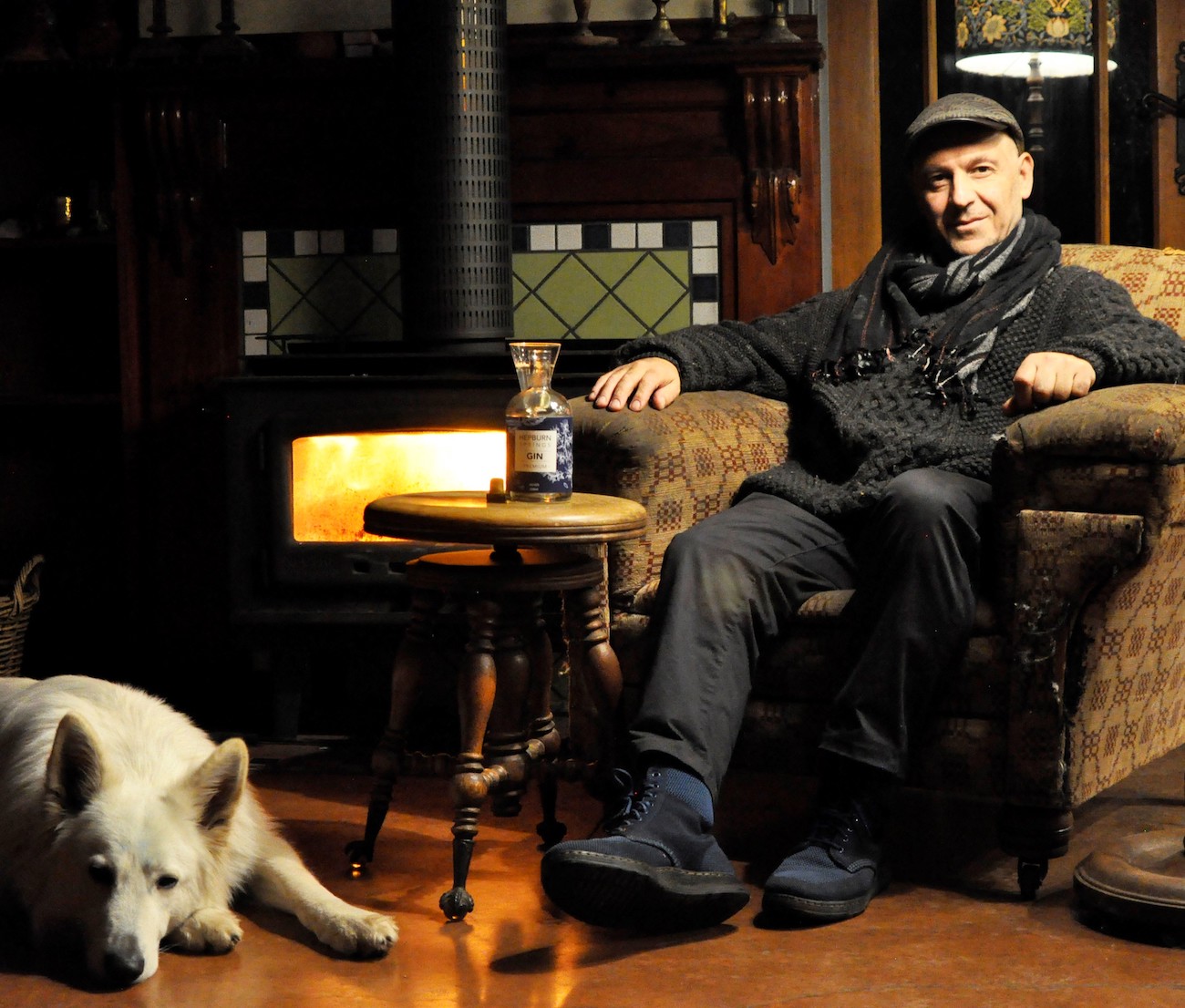
HEPBURN Springs Distillery had its official opening on the Queen’s Birthday weekend. Based in Lyonville on the old site of Gleeson’s Hotel, they produce an exclusive selection of gins and vodkas using sweet waters of the Wombat hills drawn from the property’s original well.
The distillery is the brainchild of artist and writer Basil Eliades who, in a significant change of life direction is now applying his talents to bringing to life a fascination with distilling that began several decades ago in places as diverse as Sweden and Mongolia.
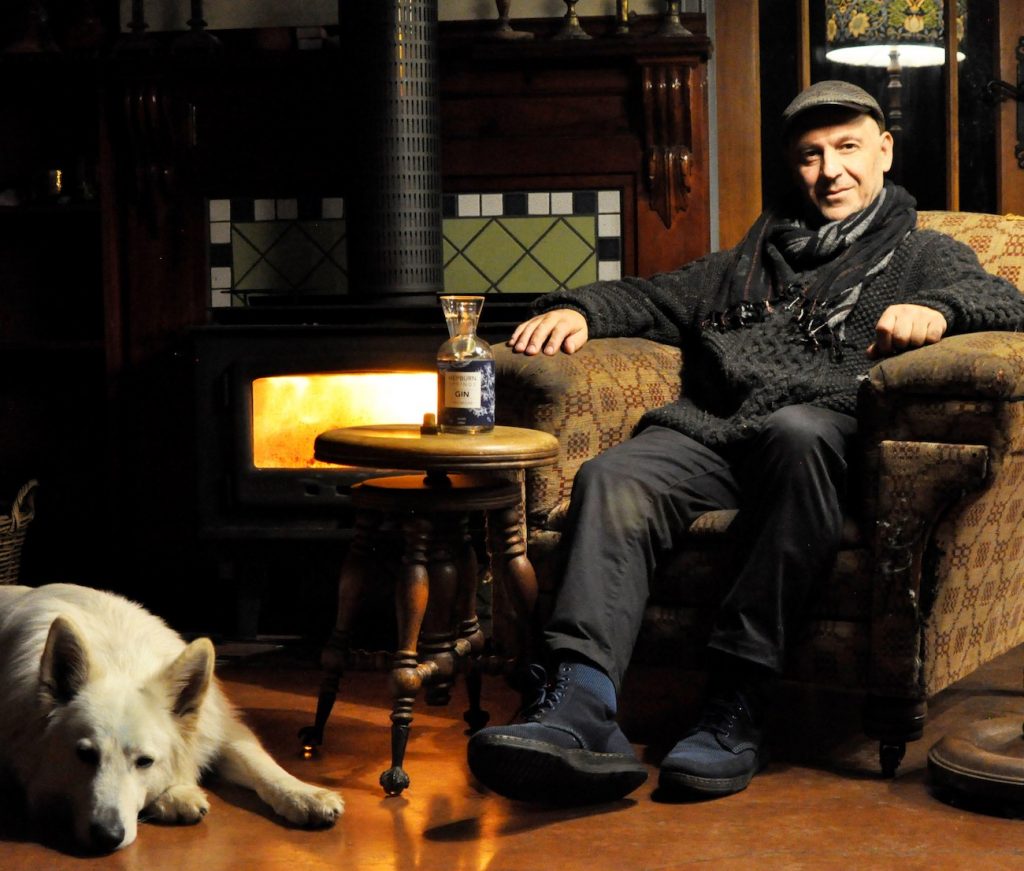
“As an artist I find distilling is not so different to painting and writing,” says Basil. “What I’m doing, like in any creative process, is simply following an almost energetic- like logic to what things need in that moment.”
Inspired by the cool environment of the surrounding forest, he was inspired to make a product that was free of chemicals and low in food miles. He sources many of the raw materials locally, organically and seasonally and grows some of the botanicals on the property.
“The words are local, sustainable, unique,” he says. “They are really important to us and everything we are doing here is about terroir or the idea of place encompassing the complete natural environment including factors such as the soil, topography, and climate.
“For me it is real alchemy, you take a potato that has been growing in the ground, generating energy and simply by warming it, adding enzymes, other natural things, then running it through the still to split it, you concentrate the energy and create a fuel source which is extraordinary. And then, if you put that fuel into contact with wood you are literally turning spuds into gold.”
In this case, gold is an aged potato vodka. Stored in oak, it radiates a golden hue with a rich, full flavour with smoky, caramel and vanilla overtones. They also offer a full-bodied premium white vodka and two types of gin – the Lyonville Classic Dry and a Bittersweet Lemon, ideal for cold winter evenings in front of the fire (or even YouTube).
All of these are currently available online, at Cellarbrations Daylesford or through local restaurants, with more suppliers to be announced soon. But that’s not all, Hepburn Springs Distillery has also laid down a couple of casks of whisky. But you will have to be patient, their Well Water Whisky, as it’s called, won’t be available until Christmas 2021.
“Living close to the earth and the cycles of nature means that every batch of spirit we make is unique. Being small and seasonal gives us the opportunity to forage, experiment with flavour and make use of gluts in produce. In Autumn we pick blackberries for our gin, in Winter we harvest excess lemons. Each season provides new opportunities for experimentation with new flavour combinations.”
Words: Tony Sawrey | Image: Jane Knight & Basil Eliades
June 15th, 2020Bulldog Ants Strike Back
That time of grief
caused so much damage
and death. Remember the scramble
for air and light
when the blue toxic fog rolled in
and all earth’s furies were heaped
upon us. Smothered
in lies and the reek
of waste-paper islands,
as tongue flicks wiped
out our health,
homes demolished,
food supplies deemed
as expendable as pay-rises.
Scabs formed over calluses.
We felt the sprinkle
from foetid pink bats.
Our strength was taxed
beyond endurance.
Laments have gone
and we steel our thinkers
for the climb to freedom.
We redeem the song-lines
of confidence. The wind shuffles
the stars as we realign the nest.
– Gael Elliot
Gael was born in Swan Hill 1943 and finally settled in Trentham in 1998.

‘You may start a poem but the resulting words may be entirely different from what you started out to write.’
Poems for Local Lines come predominantly from a group of poets. However, other locals who would like a poem considered for publication can contact Bill Wootton – cottlesbreedge@gmail.com
June 15th, 2020Queen’s Birthday honour for Judith Fawcett
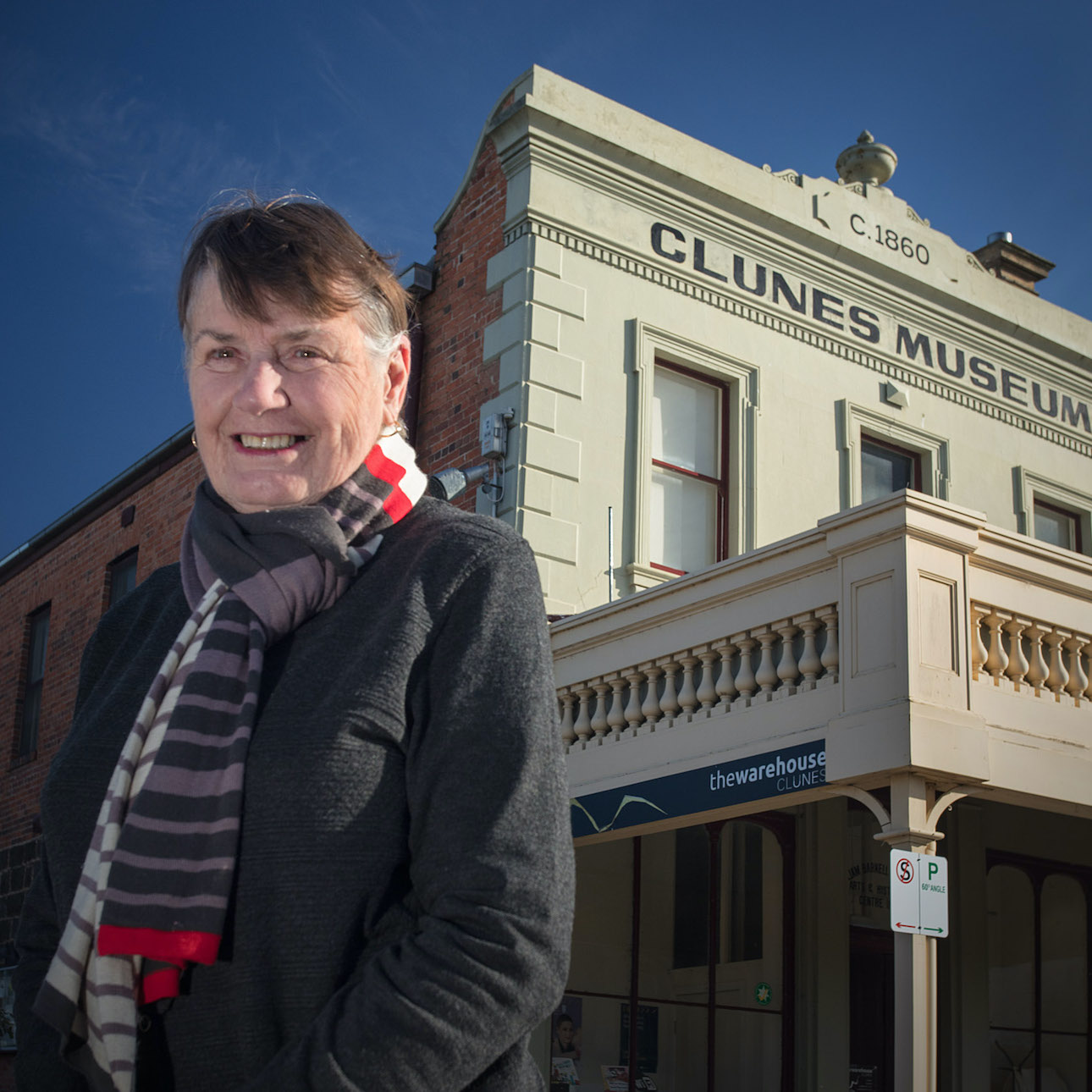
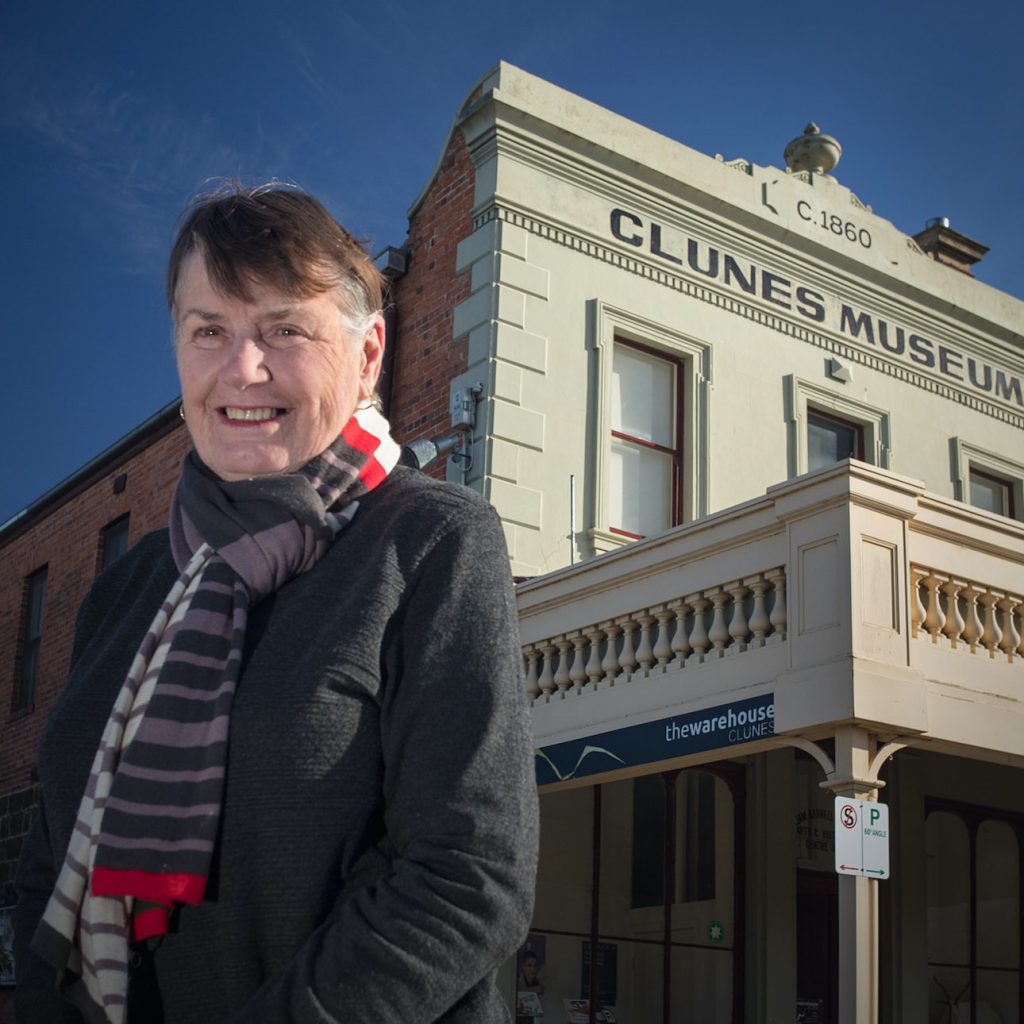
SHE has just received a Queen’s Birthday honour for her services to the community of Clunes but really, Judith Fawcett isn’t one for all the fuss.
“Oh I was embarrassed, I think like most people,” she said about receiving the big phone call. “I’d rather be an Indian than the chief, if you know what I mean. I don’t like to lead, but I do like to help out where I can.”
It’s in that helping out that Judith has well and truly earned herself a bit of recognition.
When she moved to Clunes from Queensland, about 60 years ago, Judith set about making a busy life for herself with a husband, working on the farm and raising a son.
Judith has seen a lot of changes in the town over those past 60 years – and she’s been involved in a few of those changes, too – and when residents point out, with great respect, the amount of change and growth she must have seen in the beautiful country town over the years, Judith takes it all in her stride.
“You do see a lot of changes but you just take them as they’re happening, and I suppose if you’re doing something, if you’re volunteering or whatever you want to call it, then you’re part of that change and you don’t notice it.”
One of those important changes was the establishment of the Clunes CFA and, right from the beginning, Judith was out there doing her bit, taking part in roadside burns.
“That was back when it first started, in the 1960s. And now I still go to meetings, they probably think ‘what’s this old girl doing here’ and I don’t mind. You become friendly with them, it’s serious but it’s also a lot of fun.”
Judith is as warm as she is straight-talking and it’s possibly what has made her years of community service so successful.
She has also been on the Clunes Museum committee for more than 30 years, though, as she likes to point out, some have been on it longer.
It’s one of the places she has seen the most change, with the recent redevelopment of the site incorporating the library, information centre and meeting rooms.
Every week, as she has been for the past few years “it might be a couple more, it might be a couple less, I’m not counting”, Judith is in there cataloguing and archiving with the rest of the team.
“And making sure we change it, to keep it interesting, we have exhibitions as well.”
Judith has also been on the Homecraft Committee for the Clunes Agricultural Show since its inception – that was more than 50 years ago.
“Time just comes and goes, and you just do it, don’t you? And it’s something that I’ve always enjoyed. I’m working with people who have got the same interest, and they’re more than interesting – it’s not as if I’m leading, I’m working with them.”
A Queen’s Birthday honour certainly is quite a fuss. But after decades, and decades, and decades of service to the gorgeous community at Clunes, Judith deserves it as much for her philosophy on it all as her work.
“It’s something that you do just because it’s part of belonging to the town, it’s something you just want to help with.”
Words: Kate Taylor | Image: Neil Newitt
(This article is supported by the Judith Neilson Institute for Journalism and Ideas.)

June 8th, 2020Services opened up
HEPBURN Shire council has opened up a range of services to the community.
Chief executive officer Evan King said the easing of restrictions allowed some community facilities and services to re-open, albeit with restricted numbers and social distancing requirements in place.

“Council will take a risk-based approach to re-opening services,” said Mr King.
Playgrounds, skate facilities and outdoor fitness equipment across the shire are now open. State Government regulations are that people should not gather in groups of more than 20 and stay 1.5 metres apart from others.
Council has installed signage to remind the community of appropriate social distancing measures and have scheduled regular cleaning of the playgrounds.
Mr King said council was pleased to announce a new Library Click-and-Collect service at branches. Libraries will be open from 10am to 2pm on specific days with Clunes open Thursday and Friday, Creswick on Monday, Tuesday and Wednesday, Daylesford on Monday, Wednesday and Thursday and Trentham on Tuesday and Friday.
“Library Click-and-Collect is a temporary service adjustment so that we can serve the public safely until restrictions are lifted further.
“To avoid disappointment, we are asking the community to please wait for confirmation that their items are ready for pick-up. Wait times and queuing outside the library may be necessary, with information available on our website and Facebook page.”
Mr King said the libraries would increase their cleaning regime to ensure the health and safety of staff and patrons.
“We’re really excited to see people in our libraries again. We know there will be a lot of grateful patrons, who have really missed the facilities available at a library. We would like everyone to follow the restrictions and be respectful of the changes being made to the library service.
“We are also required to record the names of people who attend our facilities, but we assure library patrons that if personal information is retained, it will be stored and protected and only be made available to health authorities if contact tracing is required.”

June 8th, 2020Jobs on offer
HEPBURN Shire Council has been successful in attracting $1.6 million from the Working for Victoria Fund to employ an additional 33 staff to carry out a range of roles to support the community and business through COVID-19 relief and recovery.
Hepburn Shire Council is one of fifteen of the latest councils to have signed up to the Victorian Government’s $500 million program. Council will be employing new staff in various areas, including cleaning and sanitisation of buildings and public places, clean up of waste management facilities, outdoor works, parks and open spaces, maintenance of community buildings, community support, procurement, IT, business and economic development recovery, communications and OH&S.
CEO Evan King said the boost to council resources was a welcome relief after a difficult few months delivering services during COVID-19 lockdown and restrictions.
“This boost to resources will help ensure that we have more staff delivering public hygiene and land maintenance services around the Shire, helping slow the spread of COVID-19, particularly after the easing of restrictions allowing visitors back to our shire.
“This funding creates local employment and an opportunity for many in the community to work after possibly losing jobs due to COVID-19. We’re looking forward to welcoming this new temporary workforce into the council team,” said Mr King.
Link: www.vic.gov.au/workingforvictoria
June 8th, 2020Our essential services
BACK in April, the reality of the pandemic began to sink in. People gradually realised the crisis was going to affect everyone, not just a few tourists coming back from overseas.
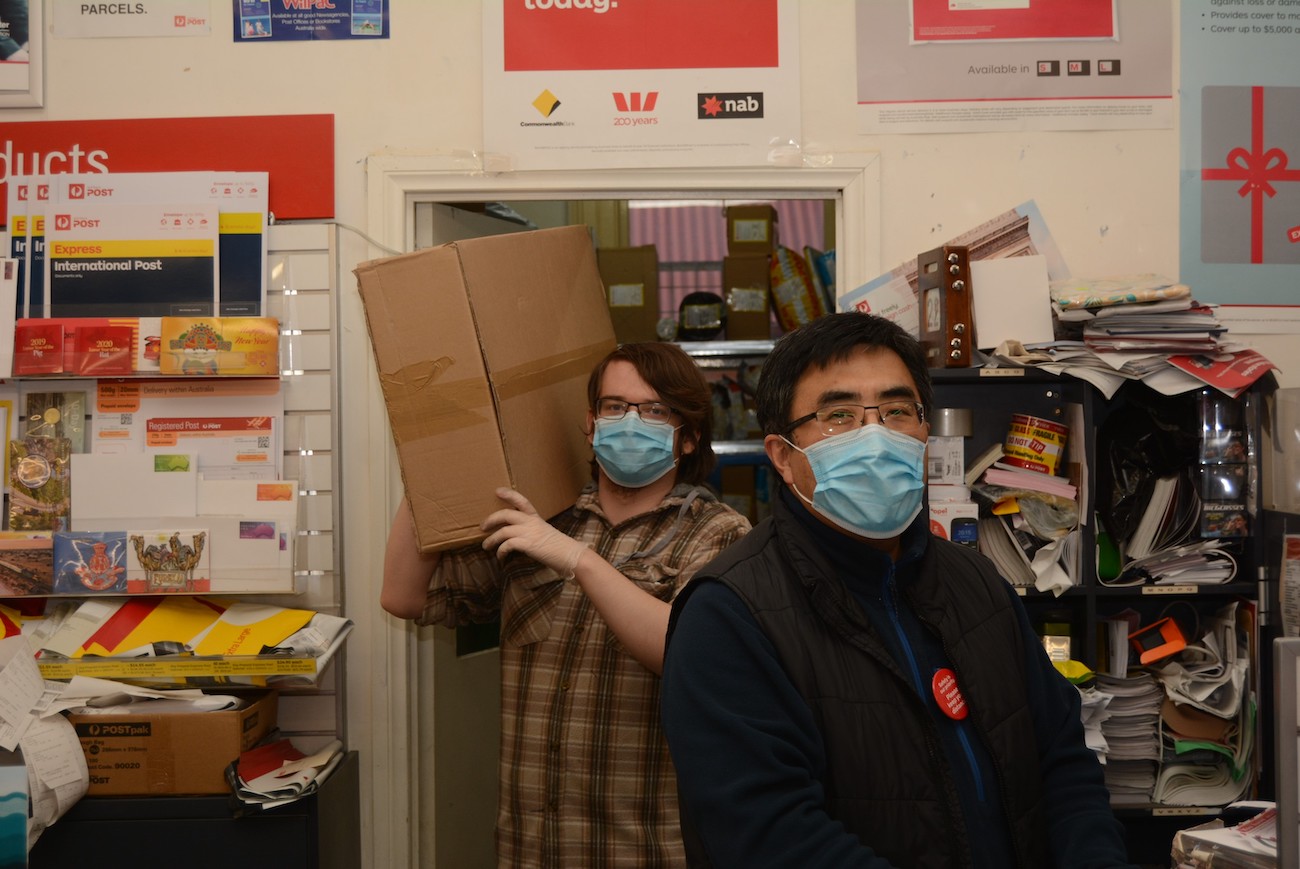
Even here in the Central Highlands, a place well removed from the distractions of national and international news cycles, the reality of the health situation really began to bite. And if there was one instance that truly brought the situation home before anything else, it was when Luke Zu and Steve Mason at the Daylesford Post Office suddenly began greeting customers wearing masks and gloves.
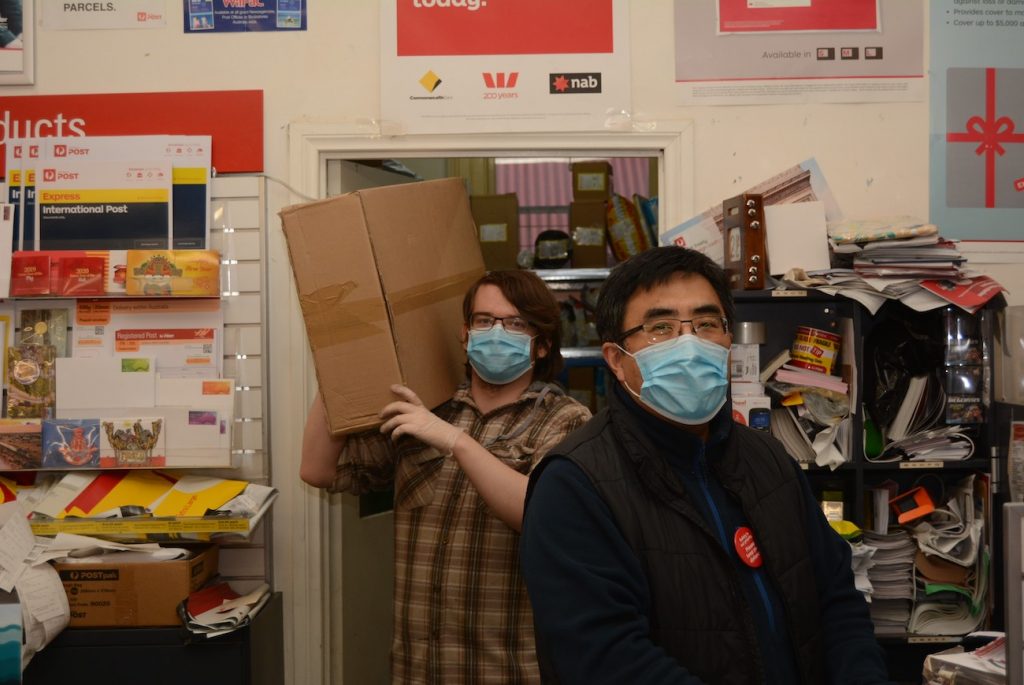
“Most people understood why we did this,” recalls Luke. “But even today some are still going, ‘what’s with the masks?’
“Others say, ‘come on, look at you guys, you look like mummies,’ and I have to say, ‘this is all part of the work regulations coming from the government, not just me.’ But we always wear them to protect ourselves, the customers and also the whole community.”
At a time when mask wearing was something you saw on the news in places such as Wuhan, such a precaution put into clear focus just how important the humble mail service was and remains in a town like Daylesford.
Most people like to think they understand the importance of essential services, citing the value of medical facilities or supermarkets. The postal service is another of those essential services, but it tends to operate under a form of invisibility that is extraordinary.
Nonetheless, they operate despite health risks under a workload that has increased immensely over the last few months. To anyone visiting the grand old building at 86 Vincent St, the pressure Steve and Luke work under is clear.
A glance over their shoulders sees a back room filled to the brim with packages and mail, spilling out into the side hallway. And yet, it is easy to forget, as you make a grouchy enquiry about some overdue letter, just how critical the human component is to the mysterious unseen process that shunts tonnes of physical mail around the country every day.
“It has been very, very busy,” remarks Steve thoughtfully. “Everyone’s been ordering and everyone’s been sending. Most of the shops in the area and beyond are working almost solely online now and their regular customers are now buying online. While that’s happening, the entire mail delivery system has been subject to social distancing which has led to delays and disruptions.”
Theirs is a never ending task that must not falter, but if someone on the staff should get sick due to the virus, that’s it, the service is down for weeks. Incidentally, they also do not go out to eat during work hours, nor use the local supermarket.
They have imposed a degree of lockdown on themselves well beyond what many others would be prepared to accept. All in the name of keeping the service they provide open. Think of that the next time you are weirded out by the social distancing markers on the floor, the queues out the door or the masks and gloves. Going to pick up your mail in Creswick or Kyneton as an alternative is not a great option.
Image: left, Steve Mason and, right, Luke Zu, keep the community connected at Daylesford Post Office
Words & image: Tony Sawrey

June 8th, 2020No Picnics at Hanging Rock
HANGING Rock Reserve remained closed over the long weekend.
Macedon Ranges Shire’s CEO Margot Stork said the health and safety of visitors and staff was council’s top priority, and council had taken the difficult decision not to reopen the area to public access at present.

“While government restrictions imposed due to the current pandemic are easing, council is taking a measured and careful approach to the reopening of all of our facilities, including Hanging Rock Reserve,” Ms Stork said.
“There are many factors to take into account before reopening any service or providing access to any area.
“This includes how to effectively limit the number of people inside the facility or area, ensuring appropriate physical distancing measures and signage are in place, and there are adequate registration arrangements to ensure council can meet contact-tracing requirements.”
Meanwhile, the council has reopened access to playgrounds, outdoor gyms and sports grounds, and parks remain available for use; other facilities are yet to reopen. These include pools, gyms, libraries, some public toilets, council service centres, community halls and sports pavilions.
Decisions regarding the opening up of services and any modifications in place will be made in coming weeks, and residents will be kept informed of any developments.
June 8th, 2020Hepburn Kindergarten delivering rainbows
HEPBURN Kindergarten has been running an intergenerational program with Lumeah Lodge for a few years – and a small pandemic was never going to stop them.
Educator Karley Powell said because of COVID-19, students were not able to make their regular visits.

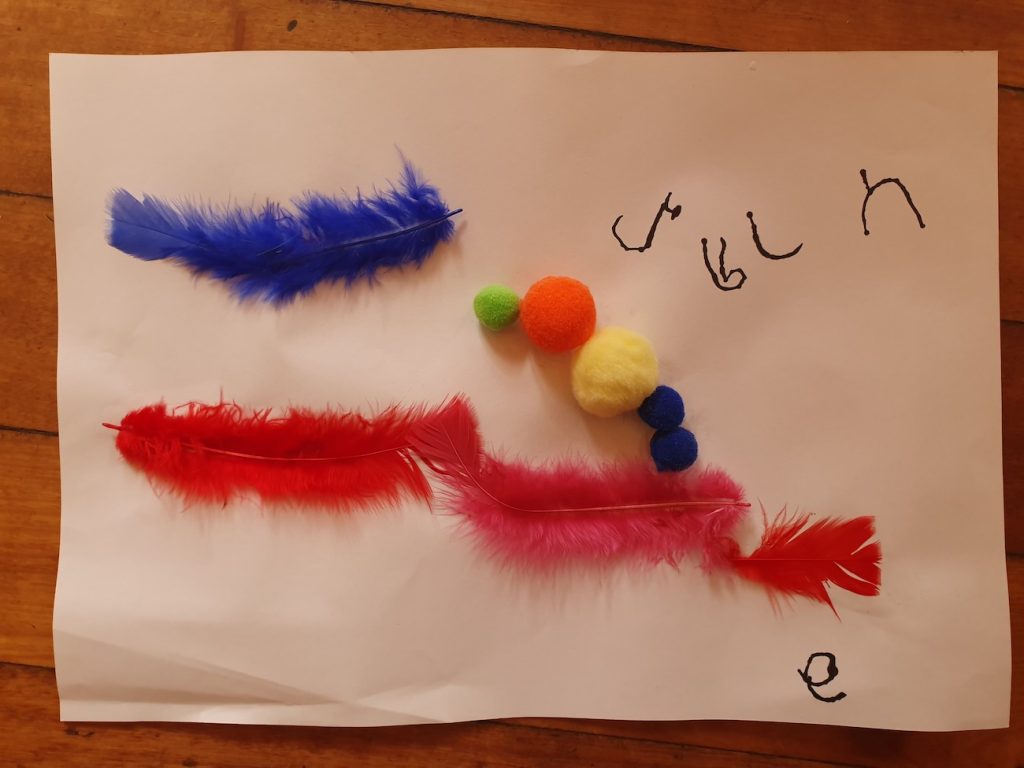
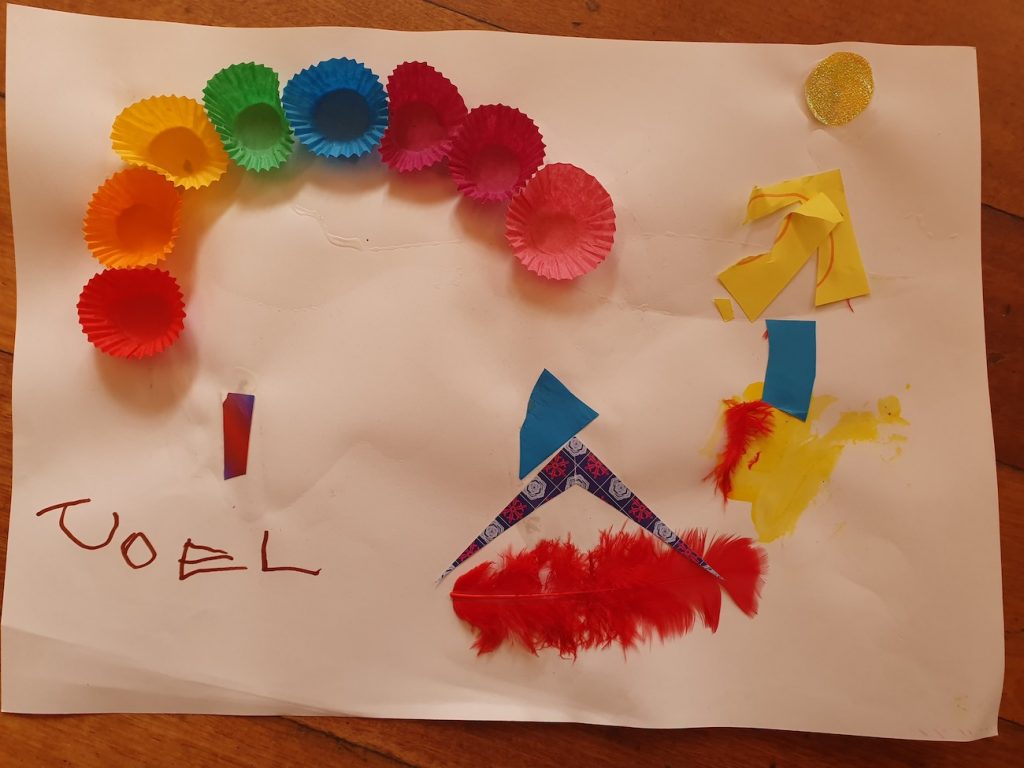
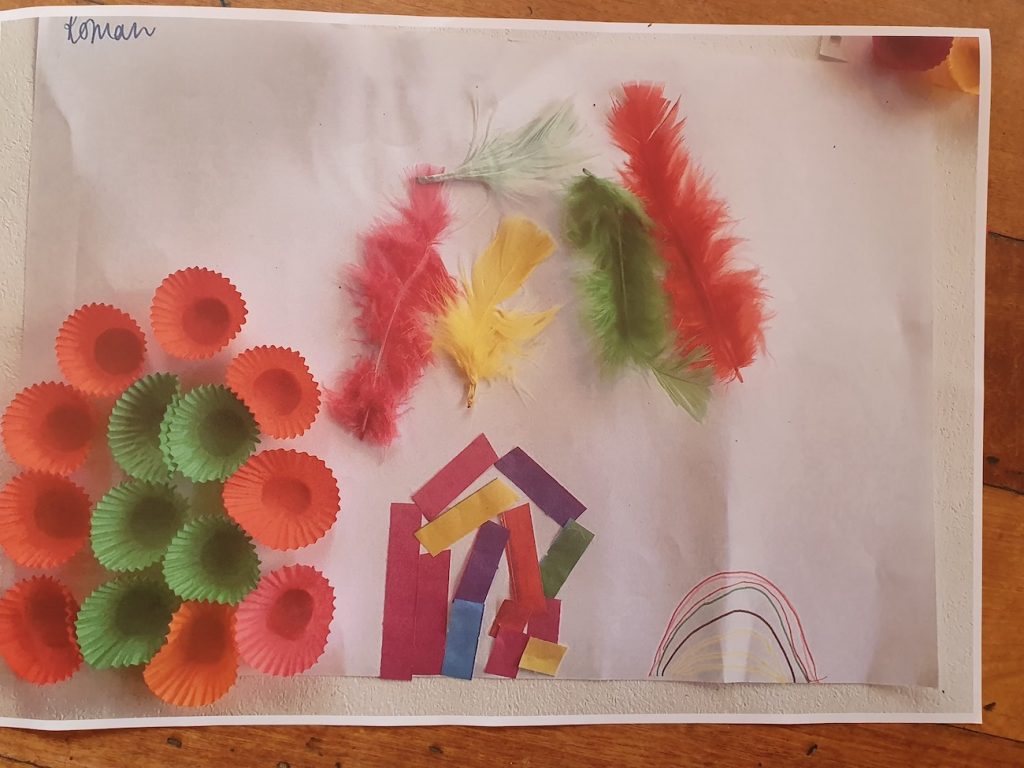
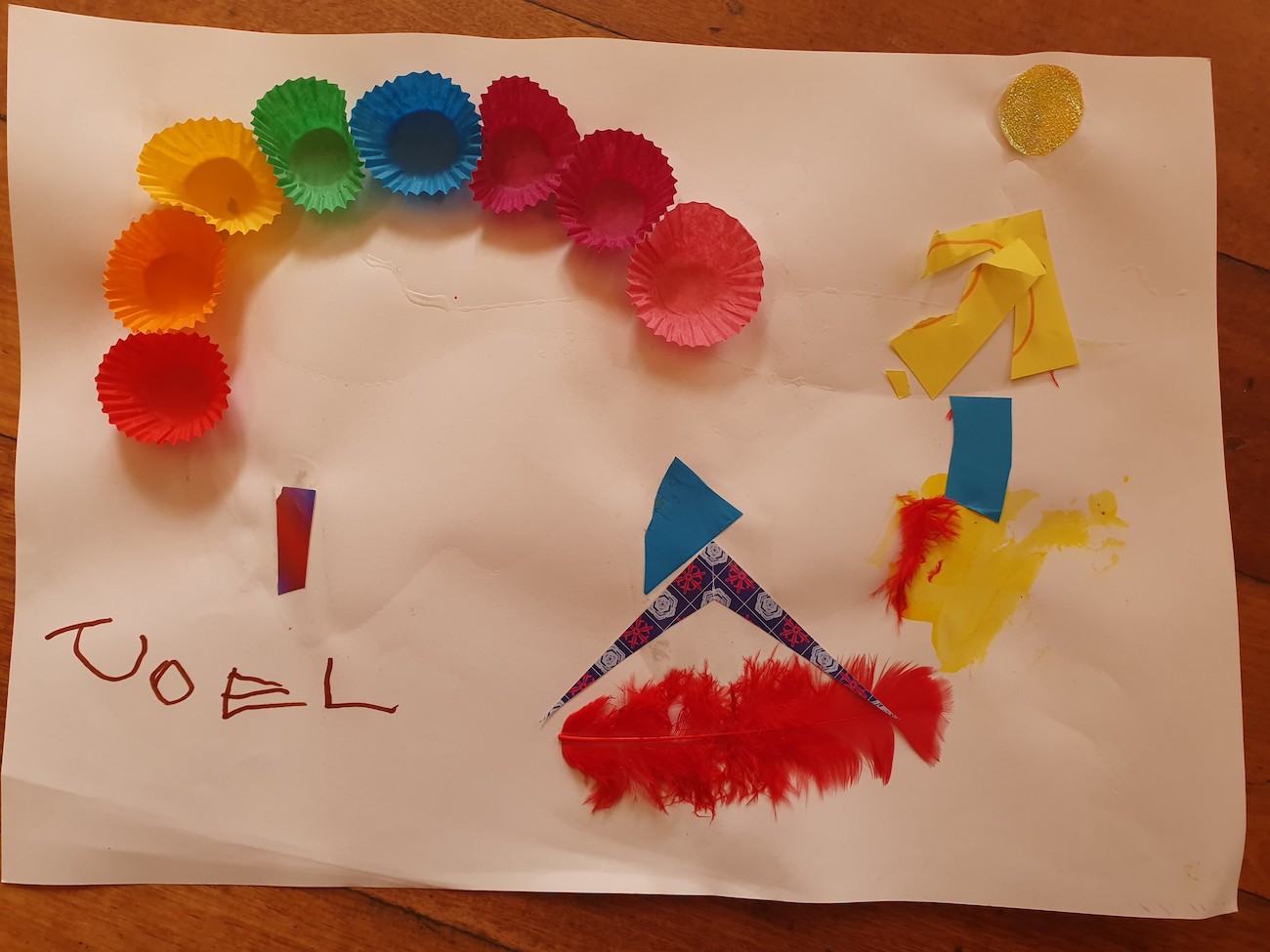
“We didn’t want the residents to feel lonely or like we had forgotten them so we asked our children attending the kinder to make rainbows to hang up in their rooms,” she said.
“We currently have four students on site, with the rest home-learning. Our home-learning students receive packs, delivered by myself and our kindergarten teacher Catherine Meadows, fortnightly. These packs include resources for the children at home to make rainbows and ask that their artwork is either delivered to our drop-off box or they take a photo and send it to us.
“We then deliver the rainbow package to the hospital to deliver to Lumeah Lodge residents.”
Students taking part include Chey, Grace, Tilly, Tyson, Tom, Tristan, Joel, Lucas, Roman, Harry and Heath.
Image: just some of the colourful artworks delivered to Lumeah Lodge from Hepburn Kindergarten students
June 8th, 2020St George Church
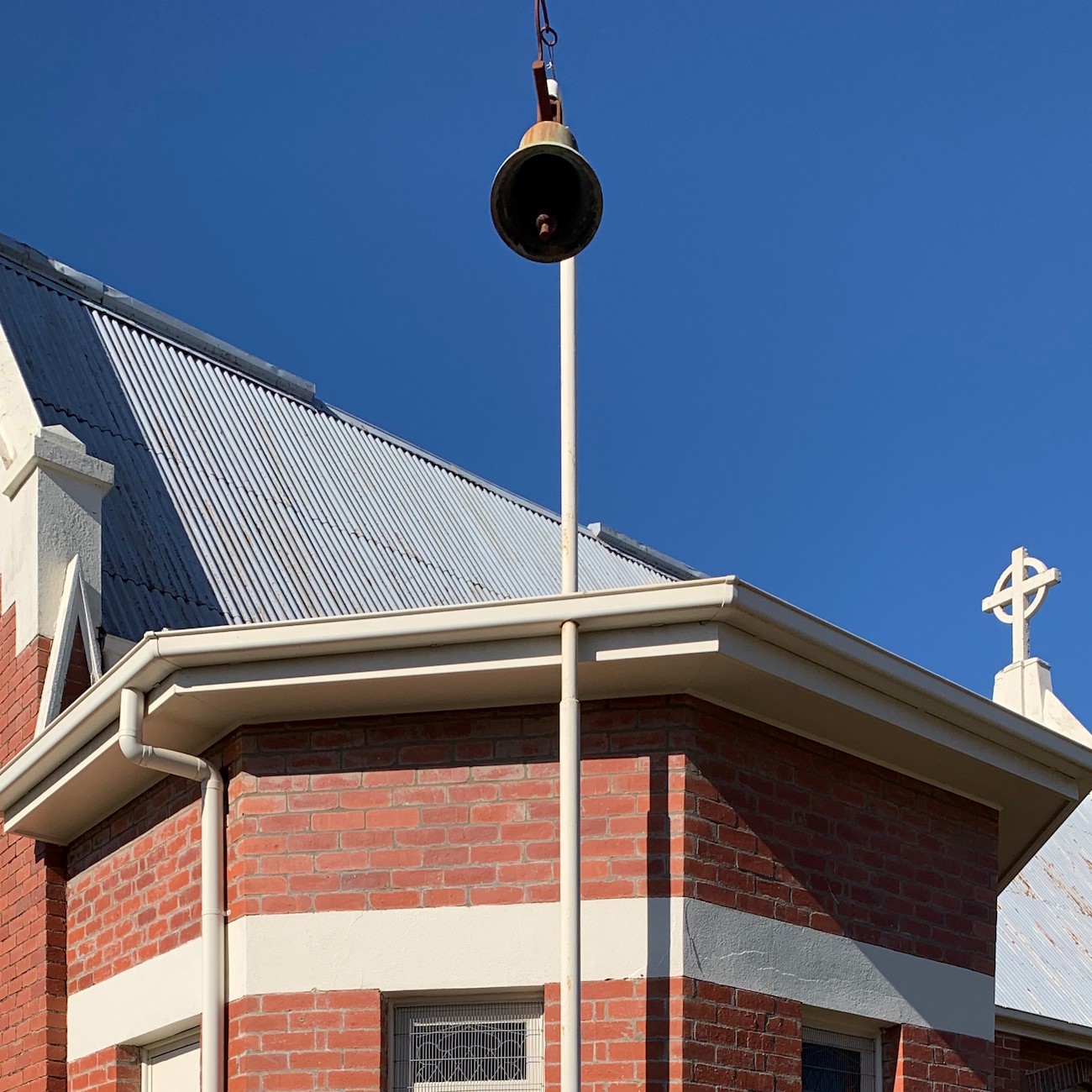
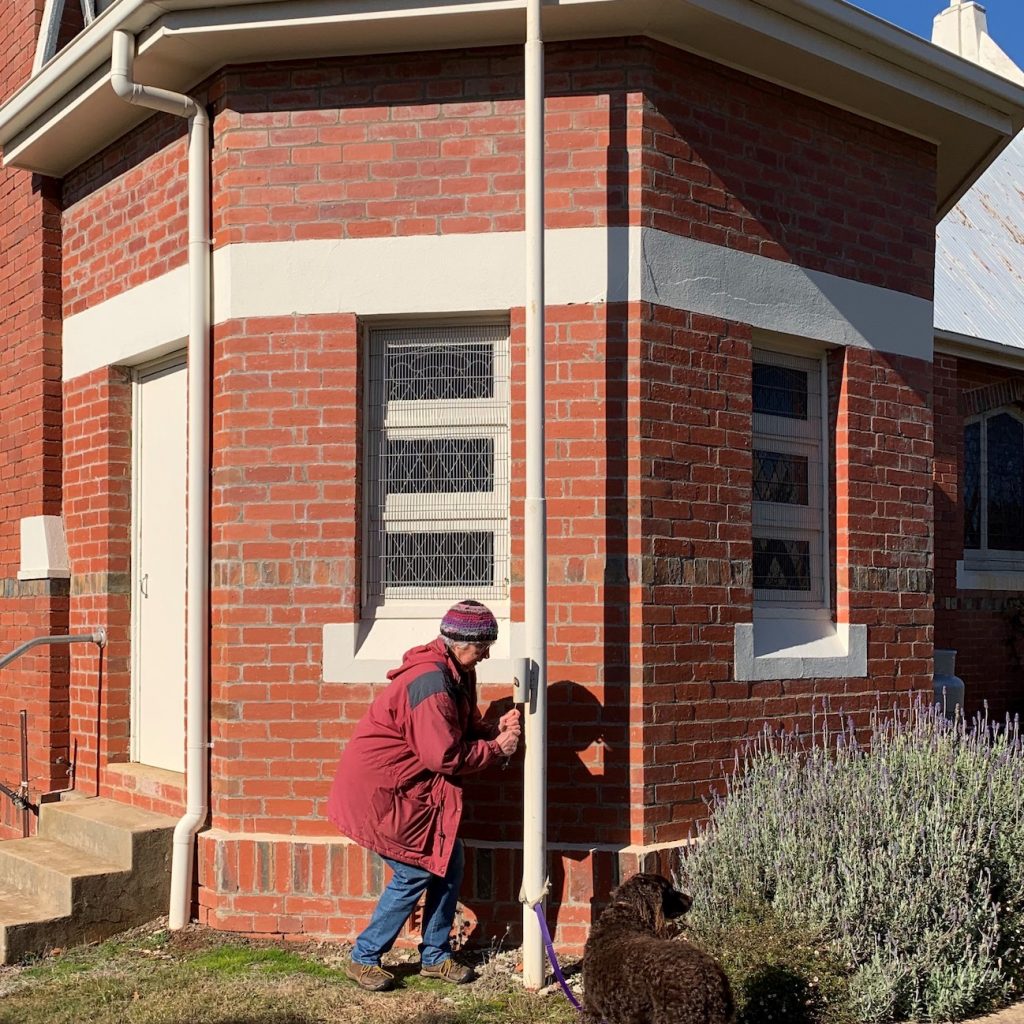
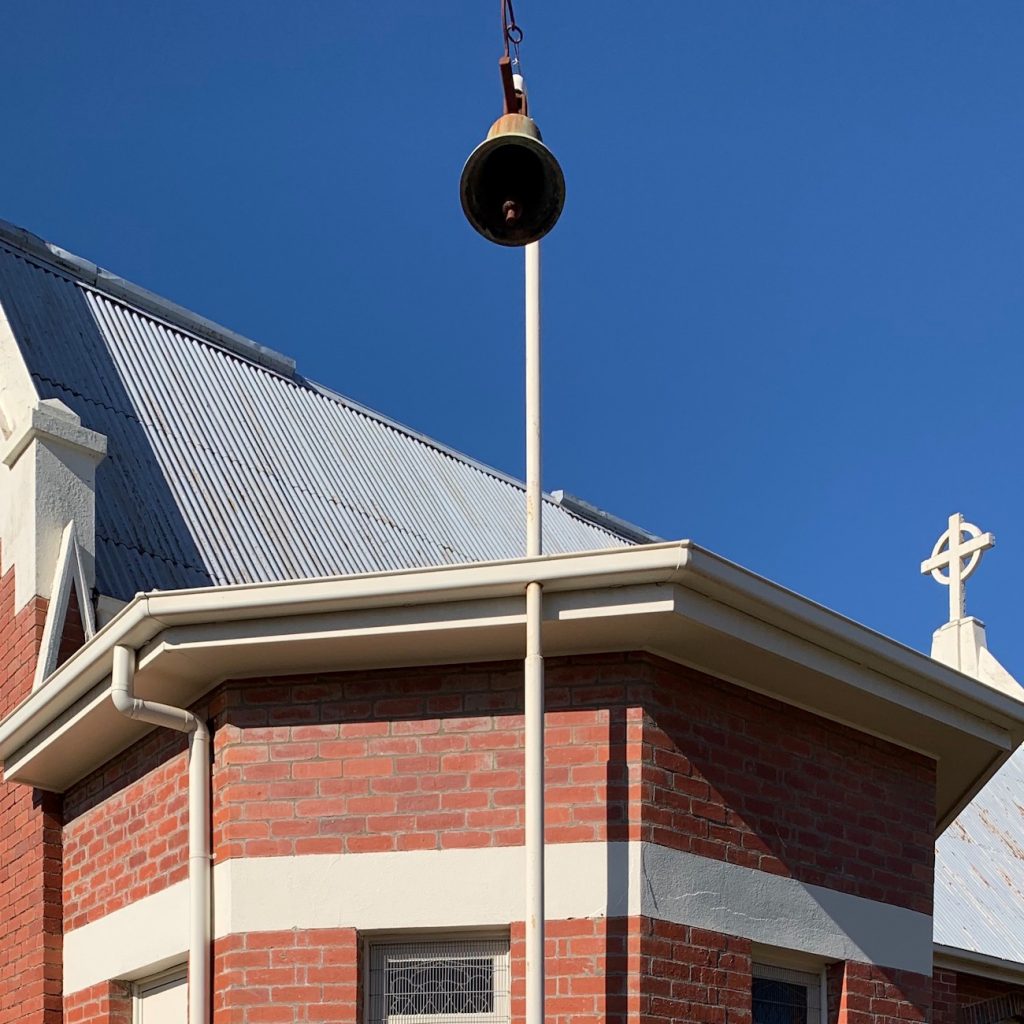
Trentham’s St George’s Church bell has been chiming 12 times at noon every day as a signal of community solidarity and connection ever since the coronavirus lockdown started. The town has only got one church bell, at the Anglican Church in High Street. But the daily signalling has been an interdenominational effort, with a roster of seven bell ringers from the Anglican and Catholic churches. Each is rostered for one day of the week. The town’s Fay Magee, a local property owner for 22 years, got lucky when she and her dog, Chubbs, scored fine sunny Winter weather last Thursday for her turn chiming out to the town this week with her message to keep collective spirits up.
Words & image: Peter Young
Image 1: St George Church bell
Image 2: Trentham resident Fay Magee and dog Chubbs ringing the church bell