


December 15th, 2024New Year’s Eve parade and gala planned for Daylesford


Organisers of this year’s Daylesford NYE parade and gala are urging local groups and businesses to register a float for the parade.
The annual December 31st event will offer an evening of excitement and entertainment, starting with the gala from 6-8pm, followed by a parade.
The town’s Vincent Street will be transformed into a lively, fun-filled area for all ages.
At the southern end, near Frangos there’ll be plenty of opportunity to groove to live music by The Vintage Blues Machine, savor delicious offerings from food trucks and BBQs, and relax at the tables and chairs.
Right next door, you’ll find the Chill Out Zone, a cozy spot with astroturf, bean bags, deck chairs, and big games like noughts & crosses and jigsaws, the perfect place for families to unwind and let the kids have a blast.
The festive ambiance will be enhanced by big pots of flowers created by the Friends of Wombat Hill Botanic Gardens.
Heading north, don’t miss the wood-chop at 6:30pm and new addition, a circus workshop provided by NICA.
Revellers will also have the chance to discover more exciting things in the Kids’ Corner, featuring face painting, fire trucks, and games, balloon creatures and craft activities.
By 8pm, the floats – whether walking, motorised, bikes, historic vehicles, or fire trucks – will be lined up on Duke Street, ready for the parade to begin.
The festivities conclude with a performance by The Daylesford & District Pipes and Drums Band, culminating in a heartfelt rendition of Auld Lang Syne, sung by co-host (and Australian opera star) Christine Douglas.
And this will be followed by a solo Bag Pipe performance of Auld Lang Syne by young local piper – Juliet – that will bring a tear to your eyes revellers see out the year that was and usher in the new one,.
Organisers say they will publish the winners of the parade prizes at the conclusion and also announce them the following day on their social media platforms.
Those keen to register a parade float or group should jump on website https://daylesfordnye.com.au/.

December 15th, 2024‘Game changer’ to decarbonise heavy industry

The CSIRO, Australia’s national science agency, has successfully trialled its game-changing hydrogen production technology at BlueScope’s Port Kembla Steelworks in New South Wales, demonstrating affordable and renewable hydrogen can be generated at scale to help decarbonise heavy industry.
CSIRO’s tubular solid oxide electrolysis (SOE) technology has recently clocked 1000 hours of successful operation in the trial with BlueScope Steel which commenced in October 2024.
Unlike conventional hydrogen electrolysers, which rely heavily on electricity to split water into hydrogen and oxygen, CSIRO’s advanced SOE technology uses both waste heat (for example, steam from the steelworks) and electricity to produce hydrogen with greater efficiency.
Dr Sarb Giddey, Senior Principal Research Scientist and Group Leader in CSIRO, said the trial produced hydrogen with an electrical input of less than 36kWh per kilogram of hydrogen, by using the steam produced in the plant by the steelmaking processes.
“Since electricity takes up the lion’s share of variable production costs for renewable hydrogen, a substantial reduction in the electricity required (up to 30 per cent saving) for hydrogen production could be a game changer for the nascent hydrogen industry,” Dr Giddey said.
“Taking a new technology out of the lab and into the field can highlight unforeseen challenges, so we are delighted to see that our technology is meeting the performance requirements in terms of hydrogen production, electrical efficiency and reliability.”
Chris Page, Head of Future Technologies at BlueScope, sees hydrogen as an important part of BlueScope’s pathway to net zero.
“BlueScope is proud to support pilot projects on site, which align with our goals of low carbon emission steelmaking in the future. The CSIRO electrolyser pilot has produced positive outcomes in its short-term operation, and we look forward to seeing it evolve,” Mr Page said.
CSIRO spinout Hadean Energy has licensed CSIRO’s SOE technology and is on a mission to accelerate industrial decarbonisation.
Chris Rowland, CEO of Hadean Energy, said the tubular SOE technology has a further advantage of being inherently less expensive to build because of the simplified manufacturing process and more readily available materials.
“The 1000-hour milestone validates the technology in a real-world industrial setting, increasing the technology readiness level to prepare for commercialisation,” Mr Rowland said.
“It shows the potential for Hadean Energy’s electrolyser to decarbonise hard to abate industries.”
This research is supported by the Science and Industry Endowment Fund.
While CSIRO is trialling the tubular SOE electrolyser in the field with Bluescope, Hadean Energy is testing the long term durability and performance of the modular design at CSIRO’s Hydrogen Technology Demonstration Facility. Following these successful trials, Hadean Energy is preparing to showcase a 5kW demonstration unit as part of the Australia-UK Renewable Hydrogen Innovation Partnerships. This will serve as a stepping stone toward a large-scale industrial pilot, positioning Hadean Energy as a leading global clean hydrogen technology provider.
Words & Image: CSIRO
December 14th, 2024Nelson Six plan a Christmas concert

Part of Ballarat’s program of free entertainment in the lead up to Christmas, The Nelson Six will perform live in Sturt Street on Sunday December 22 from noon to 2pm.
This professional six-piece family band has been delighting audiences with their festive carols for six years.
Their upcoming gig will feature a diverse seasonal selection of Christmas favourites including traditional four-part hymns, Australian carols, and modern Christmas songs.
With a dynamic lineup featuring keyboard, vocals, four violins, and percussion, The Nelson Six brings a rich and vibrant sound to help make your festive season special.
Having performed at numerous events, this talented family band knows how to create a magical festive atmosphere for all ages.
December 14th, 2024Grampians Health board CEO resigns
Caption: Rob Knowles
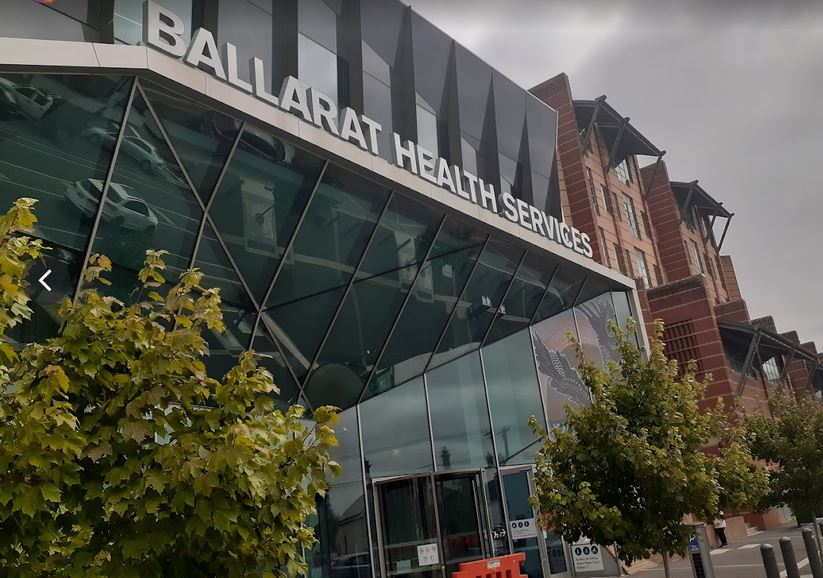
The Board chair of Grampians Health Bill Brown has resigned in recent days amid public media reports of budget blowouts and healthcare shortfalls beleaguering the service.
Grampians Health has campuses at Ballarat (the Ballarat Base Hospital which is currently undergoing major redevelopment), Dimboola, Stawell, Edenhope and Horsham.
Following Mr Brown’s low-key resignation in recent days, former Liberal MP Rob Knowles has been brought in as interim chair of the board while the Health Department searches for a permanent replacement.
The Department has been tight-lipped about the circumstances of Mr Brown’s departure with a Department spokesperson reported as stating:”The proper processes have been followed in the temporary recruitment of the interim chair”.
December 14th, 2024Ballarat’s road maintenance blitz

The City of Ballarat has launched a $6.294 million major road maintenance blitz to improve local roads.
The 2024-25 program of works is the largest annual investment in Ballarat’s road maintenance and will improve the quality, safety and reliability of the municipality’s road network.
The significant program will span the next five months and will focus on asphalt patching, asphalt resurfacing and bitumen resealing to address issues such as potholes, cracks and road surface deterioration across local roads.
Works are now underway with the blitz set to target more than 340,000 square metres of roads.
Crews will start work on key routes such as Dyson Drive in Alfredton, Scott Parade in Ballarat East, Gillies Road in Glendonald, Greenhalghs Road at Bunkers Hill, Blind Creek Road in Cardigan, Buninyong – Mt Mercer Road at Buninyong and Link Road at Wendouree.
City of Ballarat Councillor Tess Morgan said the road maintenance blitz is part of the City of Ballarat’s ongoing commitment to enhancing road safety and supporting the needs of our growing community.
“Maintaining the quality of our roads is a key priority for the City of Ballarat,” she said.
“We understand that our residents rely on safe, smooth and durable roads for their daily commutes, school runs and business operations. This blitz is a significant step in that direction.
“The road maintenance blitz will repair existing road damage, prevent further deterioration and will extend the life of our local roads.”
The road maintenance blitz represents a significant volume of work, however the City of Ballarat will aim to minimise disruption to residents and businesses, where possible.
Maintenance crews will ensure roads remain accessible wherever possible while advanced notifications will be provided to directly affected residents, ensuring that they are informed of upcoming works.
Traffic control will be in place for all works, with electronic signage for advanced notification on larger projects and detours around some locations will also apply.
Road patching and resurfacing is the removal of the existing road surface and underlying layers, of up to 150mm in depth, that are replaced with a new hot mix asphalt base and surface layer for both small and large areas.
Bitumen resealing is a thin protective wearing layer applied to existing road surfaces, that provides a waterproof layer to protect the underlying pavement.
Resealing also increases road surface skid resistance, providing a new wearing course and extending the life of roads.
The road patching, resurfacing and bitumen programs are carried out annually in drier conditions to ensure the durability of the works.
Not all roads are the responsibility of the City of Ballarat. While the City of Ballarat is responsible for local roads, Transport Victoria is the responsible authority for arterial roads.
While the City of Ballarat conducts proactive road inspections leading to 75 per cent of road maintenance works, the community is also encouraged to report issues with local roads.
Words: City of Ballarat. Image: Supplied
December 14th, 2024Warning for regional Victorians amid rise in crime

The RACV and Neighbourhood Watch Victoria are working together to improve the security of Victorian farms and regional properties following a rise in crime, with the regional areas of Ararat, Horsham, Latrobe and Mildura, among the top five highest Local Government Areas for criminal incidents and recorded offences.
RACV and Neighbourhood Watch Victoria’s How safe is my farm online quiz– an Australian-first initiative developed with Victoria Police – helps Victorian farmers identify what they can do to reduce the risk of crime on their properties.

According to the Victorian Crime Statistics Agency, the regional areas of Latrobe, Mildura and Ararat were in the top five areas for criminal incident rates (per 100,000 estimated resident population) in the year ending 30 June 2024:
- Ararat 9,345.7 incidents, up 25.8%.
- Latrobe 11,578.8 incidents, up 9.8%.
- Yarra 11,045.1 incidents, up 8.5%.
- Melbourne 15,115.9 incidents, up 5.4%.
- Mildura 10,330.1 incidents, up 4.2%.
Regional areas of Latrobe, Mildura and Horsham were also in the top five areas for recorded offence rates (per 100,000 estimated resident population):
- Melbourne 20,827.5 offences, up 7.0%.
- Latrobe 15,979.7 offences, up 7.0%
- Yarra 13,543.6 offences, up 4.9%.
- Mildura 13,883.4 offences, up 2.6%.
- Horsham 12,989.3 offences, down 2.0%.
RACV’s General Manager Home, Bill Bloodworth, said it was concerning to see many regional areas in these statistics.
“We encourage all Victorians to complete Neighbourhood Watch Victoria’s How safe is my farm quiz to identify practical steps to reduce the risk of crime on their properties.
“How safe is my farm works by giving Victorians a tool to audit their property, find vulnerabilities that may exist and suggests prevention measures that can improve safety and security.
“The free online tool asks a series of easy-to-answer questions about the farm set-up and security arrangements. The tool then presents users with a personalised report on their farm’s safety.

Neighbourhood Watch Victoria Chief Executive Officer Bambi Gordon said the new data reinforced the need for farmers to show vigilance and to take the right precautions.
According to the Victorian Crime Statistics Agency, there were 2380 crimes committed on Victorian farms – up from 2125 from the previous year. Of those crimes, 1453 were theft, 431 were burglary and there were 343 instances of property damage.
“We know that farm crime can be a serious issue for Victorians. It can it can be costly, disruptive and mentally exhausting to one of our hardest-working communities,” Ms Gordon said.
“Crime is opportunistic and we can remove that opportunity by keeping an eye on each other, reporting crimes and suspicious behaviour when we see it and using preventative security measures,” said Ms Gordon.
“Times have changed. But on the upside, we know that theft is often opportunistic, so if we can remove the opportunity, we can prevent crime from occurring.”
Farmers are urged to take proactive steps in securing their properties. Simple measures such as installing proper lighting, securing gates, and utilising surveillance cameras can significantly deter potential criminal activity.
To help regional Victorians improve security on their property, Neighbourhood Watch Victoria is offering large signage with ‘This property is protected by Neighbourhood Watch’ to the first 50 people who complete the How Safe Is My Place quiz. Terms and conditions apply.
To use the tool and find out more, visit howsafeismyplace.com.au/farm/.
For more information about RACV Farm Insurance, visit racv.com.au/insurance/business-insurance/farms.
Words RACV. Image: Supplied
December 13th, 2024CSIRO report reveals the state of bioplastics in Australia

Growing environmental concerns have driven a surge in bioplastics, but unclear labelling for disposal is creating challenges, according to a new report from Australia’s national science agency, CSIRO.
The ‘State of bioplastics in Australia’ report found consumer confusion over bioplastics, with many bioplastic items ending up in landfill or contaminating recycling and composting streams.
Plastics derived from fossil fuels account for 3 per cent of greenhouse gases. With global plastic production currently sitting at 460 million tonnes and estimated to double by 2040, demand for sustainable and bio-based alternatives is increasing.
Bioplastics is a term that refers to plastics made from petro-chemical-based or renewable natural materials. Not all bioplastics are environmentally degradable, however, many are, with low carbon, biodegradable and compostable options available.
Dr Albert Ardevol, CSIRO’s Plastic Packaging Research Lead, said bioplastics offer a promising solution to reduce fossil fuel dependency, mitigate plastic pollution, and optimise material circulation.
“Bioplastics cover a wide range of polymer types and uses, but there is confusion around terminology and how to process bioplastics after use,” Dr Ardevol said.
“Australia doesn’t have standardised labelling so it’s hard for consumers to understand the different types of materials and how they integrate into existing waste management systems.
“Bioplastics are often a more sustainable alternative. However, if disposed of incorrectly, bioplastics can contaminate recycling and waste streams.
“A large portion of bioplastics end up in landfill, where they can decompose and release methane emissions. This negatively contributes to waste and climate change, and does not achieve circularity.”
Global bio-based plastic production has more than doubled since 2010. Close to half of the 2.18 million tonnes of bioplastics manufactured in 2023 was for packaging, the most prevalent type of plastic pollution.
The uptake of bioplastics is currently limited by high production costs, with most bioplastics in Australia imported from Thailand and Brazil.
“Bioplastics make up only 1 per cent of plastic used in Australia which provides a significant opportunity to create commercial opportunities, while reducing impacts on the environment,” Dr Ardevol said.
“Polylactic acid (PLA) is predominantly used in Australia for packaging but the majority ends up in landfill, which highlights the need for improved waste management and recycling infrastructure.
“Polyhydroxy acids (PHA) offers good commercial viability for single-use products as it can break down in various environments.
“Bioplastics can also replace conventional plastics in horticulture, agriculture and biomedicine, such as mulch film.”
Dr Deborah Lau, CSIRO’s Ending Plastic Waste Lead, said establishing design standards will help further the bioplastics industry in Australia.
“Bioplastics need to be designed and considered within the broader plastic waste system,” Dr Lau said.
“Raw materials used for bioplastics production in Australia are mainly sugarcane, corn sugar, and starches for PLA, bio-polyethylene (BioPE) and PHA, and some need specialist waste management facilities.
“As they are not accepted in most existing waste collection streams, capacity and infrastructure for processing bioplastics needs to be developed.
“Addressing some of the complex challenges across the plastics supply chain will help expand the bioplastics industry in Australia, such as developing new products that overcome environmental, economic and infrastructure barriers.
“For example, CSIRO has established the Bioplastics Innovation Hub with Murdoch University to develop 100 per cent compostable plastics which could break down in both industrial and home composting facilities.”
The State of the bioplastics in Australia report is part of CSIRO’s Ending Plastic Waste research which aims to change the way plastics are made, used, recycled and disposed of.
Image & Words: CSIRO
December 13th, 2024Victorians confused about legal use of car horn:RACV poll

An RACV online poll has revealed most Victorians are confused about the legal use of car horns.
Responding to the question: ‘When is it legal to use your car horn?’, 89 per cent of over 1200 respondents answered incorrectly, with only 11 per cent of respondents selecting the correct answer: ‘To warn others of the position of your vehicle.’
Victorian road rule 224 states that motorists can only use a horn to warn other road-users or animals of the approach or position of your vehicle. The only other legal use of a horn is if it is part of an anti-theft device or alcohol interlock fitted to the vehicle.
The current fine for breaching Victorian car horn rules is $184.92.
RACV Head of Policy James Williams said it’s important that motorists understand when it is legal to use their car horn, so they can avoid creating unsafe driving conditions and fines.
“We know that using your horn doesn’t really strike many Victorians as a potentially illegal activity while driving, but it pays to be informed and diligent about the road rules,” Mr Willliams said.
“Using the horn to speed up other drivers, express frustration or even say goodbye can confuse and disorientate other road users who use the horn as an important warning.
“It’s also important to note that excessive horn use can be characterised as road rage and in some cases can warrant a much steeper fine.”
Mr Williams said that brushing up on road rules and practising more patience on the road was the best option for Victorians.
“It can be tempting to use the horn for convenience in some of those settings that may seem innocent and harmless, but we’re encouraging motorists to follow the laws and practice patience and empathy for each other.”
For more information on Victoria’s road rules, visit the VicRoads website or the Road Safety section of the RACV Website.
This story based on an RACV media release
December 13th, 2024Ballarat’s aquatic and lifestyle centre celebrates 30 big years

This year marks an exciting milestone for the Ballarat Aquatic and Lifestyle Centre (BALC) as it celebrates 30 years of service to the community.
To celebrate, the centre is hosting a free open day tomorrow Saturday December 14 between 1pm and 4pm.
The open day will be a fantastic opportunity for people who might not be familiar with the centre to explore the aquatic and health club facilities free of charge.
Celebrations will also include free group fitness classes and free gymnastics classes for children aged 5-12 years.
City of Ballarat Mayor, Cr Tracey Hargreaves said it was a wonderful milestone for a facility that had played an important role in the community over the last three decades.
“We are incredibly proud of the impact the Ballarat Aquatic and Lifestyle Centre has made to the residents of Ballarat and the wider region each and every day,” she said.
“We hope the open day will give people a chance to come and celebrate with their family and friends, or perhaps re-visit the centre if they haven’t been in a while.”
Ballarat Aquatic Centre, as it was then known, was officially opened on December 14 1994 and managed by the YMCA until 2015.
With many changes over the years, including the addition of the 50-metre pool in 2015, Aquatic and Leisure Services Manager, Gerald Dixon, said the milestone was also an opportunity to look ahead to the future.
The current priority is the project to develop two new fully accessible Changing Places facilities, with construction to begin in 2025.
“We’re committed to continuing to provide quality services and programs that offer even more opportunities for the Ballarat community to live happier, healthier lives,” Mr Dixon said.
In 2024 BALC was recognised for its commitment to excellence in safety and compliance with the gold endorsement award from Life Saving Victoria, meaning that it met 100% of performance criteria.
This story based on a City of Ballarat media release.
December 13th, 2024Party planned … poolside

The Hepburn Shire Youth Advisory Group is hosting a Pool Party Extravaganza at the Daylesford public outdoor pool next Monday December 16.
It’s a party for all young people in the Hepburn Shire and will run from 3.30pm till 6.30pm with free food, drinks, music, circus, games and swims on offer.
Free food will be provided by Cooked and circus workshops by Asking for Trouble! Music performances by Sasha, Stevie & Arlo.
The local Youth Advisory Group from the Young Mayors Program has been busy with planning behind the scenes.
For the last six months, five younger residents of the Hepburn Shire have been meeting fortnightly to discuss youth engagement, issues for young people in the shire and plan events just like this.
The Young Mayors Program is a pilot program by the Foundation for Young Australians with an aim being to share a bit of power and decision-making with locals of a younger age-group.
December 12th, 2024‘Tis the season to be snake-smart

Encountering a snake on your property or in the wild can be daunting and at this time of eyar it’s well worth going over some ways to maintain your property and manage any snake encounters, so you and your pets can stay safe.
Spring is mating and feeding season for snakes, meaning they’re out and about and encounters with humans and pets become more common.
Snakes often also become more prevalent in areas that have experienced flooding or hot weather, or in new areas close to residential or commercial developments where snakes are forced out of their natural habitat.
Although snakebite-related deaths in Australia are rare (one to two per year), it is important to know what to do if you encounter a snake.
Regular maintenance of your house and surrounding area will also help reduce the likelihood of snakes being attracted to your property.
How to help keep snakes away from your property
While most people don’t come face-to-face with venomous snakes on purpose, there are steps you can take to lessen the appeal of your property as a place for these reptiles to reside.
- Keep your house tidy, with a spring clean and regular home maintenance. Remove piles of rubbish and wood.
- Snakes eat rodents and are attracted to garden or farm sheds to hunt rats and mice. Keep common pests out of your yard by ensuring no food is left outside and is stored away in closed containers.
- Keep your garden tidy by mowing the lawn and removing items that snakes could hide in, such as toolboxes, toys, and clothing.
- Don’t fill pot plants with too much water, as this can attract snakes looking for a drink.
- Keep any walkways free of shrubbery and debris.
- Clean your gutters regularly.
- Remove piles of rubbish and wood. Keep firewood away from the home property.
What to do if you see a snake in your home
If you see a snake, do not attempt to touch or get closer to a snake. Most snake bites happen when people try to kill or capture them. Firstly, don’t panic. Back away to a safe distance and let the snake move away. Snakes are protected by law in all states and territories of Australia, and it is illegal to harm or kill them.
If you need a snake catcher, speak to your local council, as they may be able to provide or recommend an expert to help.
What to do if you see a snake in the wild
If you’re out walking the dog or going on a nature walk, keep in mind that you’re now entering the snakes’ territory. There are some simple things you can do to reduce your risk of an unnecessary encounter:
- Keep a lookout. Despite the common advice to stomp and make as much noise as possible, snake experts say that snakes don’t generally react to the vibrations. It’s better to just stay alert.
- Wear protective clothing, including closed-toe footwear
- Stay on open paths, particularly when bushwalking or with your dog – stay away from overgrown grass, rocky exteriors, and waterways.
- If you spot a snake, avoid, and keep your pet away. It’s advisable to keep your dog on a lead.
- Use a torch if walking at night
What to do if you get bitten by a snake
Although Australia has a formidable reputation for its venomous wildlife, snakebites are still rare. It is, however, imperative that you know first-aid basics for snake bites should you, your pet, or someone else you’re with falls victim to a snake bite.
There are two types of snake bites: venomous, which can be potentially fatal, and dry snake bites, which cause pain and swelling.
You can buy first-aid kits that specifically cater for snake bites. Otherwise, make sure your home emergency kit includes pressure bandages and add them to your car emergency kit if you’re going bushwalking or holidaying in regional areas.
St John’s Ambulance Victoria advises to immediately call emergency services on 000 whether it is venomous or not, and apply first aid pressure immobilisation to slow the spread of venom in the body.
According to St. John’s, when a person is bitten by a snake, if you cannot get to a hospital, while waiting for an ambulance, you should do the following:
Follow the ‘DRSABCD’ – Danger, response, send for help, airway check, breathing, and if not breathing, commence CPR and use a defibrillator if available:
- Lay the person down and try to calm them
- Apply a pressure immobilisation bandage around the bite. This aims to stop the movement of venom in the bloodstream
- Continue to add a firm, heavy elasticised roller bandage on the limb – if bitten on the arm, this would be starting on the fingers and rolling down, if on the leg, start at the toes
- Wrap the bandage past the snakebite and as far up the limb as possible. Add a splint if available
- Stay as still as possible to minimise circulation
- Observe and record details of the bite
- Wait calmly until medical assistance arrives.
If you pet is bitten, take them immediately to a veterinary hospital – even if they are not yet showing signs of distress.
For more details, refer to the St John Ambulance Australia first aid fact sheet on snake bite.
This story based on an RACV Media Release. Image: RACV
December 12th, 2024$1.7 billion opportunity in renewable hydrogen for Australia

A new report from Australia’s national science agency, CSIRO, has projected Australia’s hydrogen electrolyser manufacturing (HEM) sector could generate $1.7 billion in revenue and create nearly 4000 jobs by 2050.
The Hydrogen Electrolyser Manufacturing report highlighted a significant opportunity in manufacturing devices that generate hydrogen from water using electricity, positioning Australia as a key player in the global transition to renewable hydrogen production.
The research underscored Australia’s strong starting position, with an emerging cohort of Australian electrolyser manufacturers translating innovations from the country’s research sector, and a significant domestic pipeline of projects seeking to produce renewable hydrogen.
Vivek Srinivasan, CSIRO Futures Energy Lead, emphasised the importance of timely action to capitalise on this.
“Building an electrolyser manufacturing sector isn’t just about meeting immediate demand; it’s an opportunity to develop an industry that adds long-term value to our economy and strengthens our energy security through building sovereign manufacturing capability,” Mr Srinivasan said.
“By leveraging Australia’s renewable energy advantages and innovative R&D capabilities, Australia can become a player in this rapidly emerging sector – but we must act quickly while the opportunity is available to us.”
CSIRO’s report recommended a coordinated approach across research, industry, and government to realise the full potential of Australia’s HEM sector.
Key strategies include:
- Aggregated demand: Aligning with adjacent clean energy manufacturing opportunities to facilitate strategic investments and decisions.
- Sovereign capabilities and international partnerships: Exploring international partnerships to preserve domestic value creation.
- Strategic manufacturing hubs: Identifying and promoting manufacturing hubs that leverage Australia’s renewable electricity advantages, while managing inflexible costs such as labour and logistics.
In addition to electrolyser manufacturing, the report also identified significant potential for growth in electrolyser installation services, with projections of an additional $1.2 billion in revenue and 1,000 jobs by 2050.
Dr Patrick Hartley, Leader of CSIRO’s Hydrogen Industry Mission, said there is a window of opportunity for Australia to seize a piece of the global electrolyser market.
“Australia has a significant pipeline of renewable hydrogen projects, with specific electrolyser procurement and maintenance needs,” Dr Hartley said.
“If we can use our natural and technical advantages to develop a geographically aligned supply chain, Australia could reap the economic and environmental benefits of owning a significant portion of the electrolyser market.”
Words & Image: CSIRO
December 12th, 2024Abattoir changes impact local producers

The axing of service kills for smaller numbers of stock at a central Victorian abattoir has left many local farmers struggling to find alternative abattoirs.
Kyneton’s Hardwicks Meatworks late last month told producers of its revised kill arrangements in 2025, announcing a new minimum number of 15 for beef service kills and 50 for lamb and other small stock.
The changes are earmarked to come into effect from early in the new year.

The announcement is understood to have left multiple local producers of high quality meats, including some at Kingston, Woodend, and Eganstown, concerned about the impacts.
Hardwick’s decision comes as the state’s Legislative Assembly Environment and Planning Committee report, Securing the Victorian food supply tabled in recent days, makes wide-ranging
recommendations to protect the state’s productive land.
These include measures for long-term reform to reduce smaller producer reliance on larger commercial abattoirs.
December 12th, 2024Pool season makes a splash


You know things are warming up and Christmas is almost here when the public pool season starts.
In the Hepburn Shire it started on Saturday (December 7) with council-managed outdoor pools opening for free throughout the shire.
To celebrate the start to the pool season the Clunes, Daylesford and Trentham outdoor pools all opened over the launch weekend (Dec 7-8) between 1pm to 6pm regardless of any predicated cooler weather (21 and below).
The new aquatics season for the shire’s pulbic pools and Creswick Splash Park is now scheduled to run through to March 13 2025 (Labour Day public holiday).
2024/2025 Pool Opening Times
| Facility | School Term – Weekdays | School Holidays –Weekends | Public Holidays | Pool Closures |
| Clunes Outdoor Pool | Monday, Wednesday and Fridays3pm to 6pm | 1pm to 6pm | 1pm to 6pm | Pools close on Christmas Day, New Year’s Day and when Bendigo’s next day Bureau of Meteorology (BOM) weather prediction is 21 degrees and below |
| Daylesford Outdoor Pool | Monday, Wednesday and Fridays3pm to 6pm | 1pm to 6pm | 1pm to 6pm | Pools close on Christmas Day, New Year’s Day and when Ballarat’s next day Bureau of Meteorology (BOM) weather prediction is 21degrees and below |
| Trentham Outdoor Pool | Tuesday, Thursday and Friday3pm to 6pm | 1pm to 6pm | 1pm to 6pm | Pools close on Christmas Day, New Year’s Day and when the Ballarat’s next day Bureau of Meteorology (BOM) weather prediction is 21 degrees and below |
| Creswick Splash Park and Calembeen Park Toddlers Pool | Daily9am to 9pm | 9am- 9pm | 9am to 9pm | Open public holidays and no cool weather closures |
Fees
Entry is free to all council pools and the Creswick Splash Park.
Locations
Daylesford pool
Location: Central Springs Road, Daylesford
Facilities: 50m Pool and toddlers’ pool
Trentham pool
Location: Corner of Market Street and Camp Street
Facilities: 25m pool and toddlers’ pool
Clunes pool
Location: Bull Millgate Reserve, Clunes. Turn off at Ligar Street and Clunes – Campbelltown Road intersection
Facilities: 25m pool and toddlers’ pool
Calembeen Park toddlers’ pool
Location: Calembeen Park, access via Cushing Avenue, Creswick
Facilities: Toddlers’ pool
Creswick Splash Park
Location: Opposite IGA Creswick, Turn off from Albert Street
Facilities: Splash pad with numerous water play features
Hepburn Bathhouse and Spa – locals’ discount
While not managed by the council, the Hepburn Bathhouse and Spa is another bathing facility in the shire and it’s worth noting that Hepburn Shire residents can head to the bathhouse year-round to take advantage of the locals’ discount.
The rate for residents in the shire is $12.50 per session or a ten pass for $99. The offer is for Monday to Thursday excluding public holidays. Walk in only.
Further information about the local public pools, including the new hours is at www.hepburn.vic.gov.au/pools
December 11th, 2024Go grab that grant: sessions announced

The Hepburn Shire Council has announced a series of workshops to help local community groups successfully apply for grants.
Set for Trentham, Creswick, Daylesford and Clunes, the sessions are designed to make the grant application process more accessible, practical, and successful for organisations across the shire.
The training will be led by the council’s grants specialist, who brings experience in securing funding for local projects and initiatives.
Participants will learn valuable skills in grant writing including how to identify the right funding opportunities, craft compelling applications, and understand the key criteria that funding bodies are looking for.
Hepburn Shire’s Director Performance and Transformation Brooke Holmes says the workshops aim to empower local community groups with the knowledge and confidence they need to secure grants and make their projects a reality.
“We want to create a fun and interactive environment where participants can ask questions, share ideas, and leave with practical tools to boost their chances of success,” she said.
The training sessions are open to all community groups within the Hepburn Shire including sports clubs, arts organisations, environmental groups, and others.
By participating, local groups are expected to not only improve their grant application skills but also build stronger links with other groups and organisations across the region.
The timing of these workshops coincides with council’s grants program being open for applications until January 31 2025.
“So this is a perfect opportunity to refine your application and pick up some valuable grant writing skills,” Ms Holmes says.
Workshop details
Trentham Neighbourhood Centre – 16 December, 2pm – 4pm
Creswick Neighbourhood Centre – 17 December, 2pm – 4pm
Daylesford Neighbourhood Centre – 21 January, 10am – 12pm
Clunes Neighbourhood House – 21 January, 2pm – 4pm
For more information, or to register, community groups are being encouraged to contact the neighbourhood centres.