March 2nd, 2026Beetham’s Botanicals

Well here I am again penning another article for you, the reader, to enjoy…
This time I thought I’d share some thoughts on creating (or working with existing) microclimates in your garden.
First up, let’s get our heads around what exactly a microclimate is – well, try this on for size – localised climatic conditions that exist due to shade, topography and solid structures all give rise to microclimates.

Shade can be the undoing of many sun- loving plants or the saviour to shade-loving species such as hellebores (see image top) and woodland bulbs.
So choosing trees – particularly deciduous, think maples and oaks – to plant to create this necessary shade is crucial for long-term success.
The site’s topography can also create microclimates as can be seen by slopes that allow cold air to flow down and swales that can give rise to damp conditions ideally suited for ferns such as asplenium oblongifolium (see image middle and other thirsty plants such as astilbes, gunneras and hostas.

Now, most gardens will have solid structures such as brick walls and fences that produce reflected ambient heat, ideal for ripening figs, some citrus and hibiscus (see image lower).

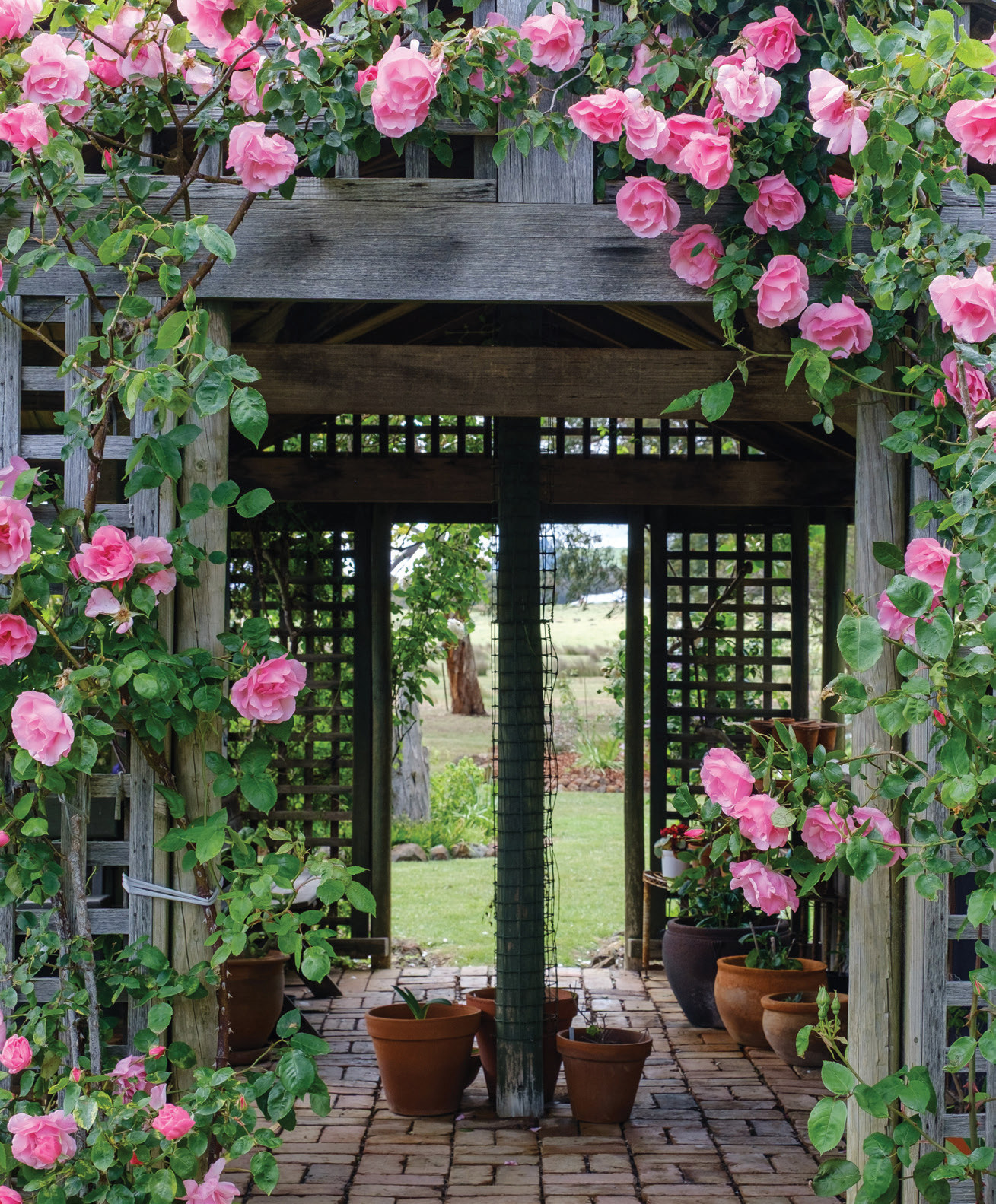
Covered pergolas that create artificial dappled shade are great for pot plants such as gardenias, hydrangeas and luculias.
One more thing, I think it’s also worth mentioning introduced irrigation as another factor in nurturing an environment where water is paramount for the plants to flourish.
A classic example is building an irrigated shadehouse to show off your delicate ferns, fuchsias and orchids or planting a fernery – just imagine a forest of tree ferns – in a secluded, shady spot that can be irrigated from below and above.
So that’s it in a nutshell. Microclimates are everywhere in gardens and knowing how to create new ones or utilising what conditions you already have really does increase your choice of plant selections that you may well have avoided because of their specific needs.
Cheers John Beetham (trading as Trees in Australia)
Next time: the world’s biggest trees – like this manna gum below…