


February 6th, 2025Record waterway re-stocking aims to help threatened fish
The Victorian state government says it is bolstering fish stocks in 11 waterways across regional Victoria, helping to improve the populations of threatened fish species.
Minister for Outdoor Recreation and Environment Steve Dimopoulos last week announced the successful stocking of a record 141,000 trout cod and nearly 100,000 Macquarie perch into 11 waterways backed by a $15 million investment into expanding fish hatcheries.
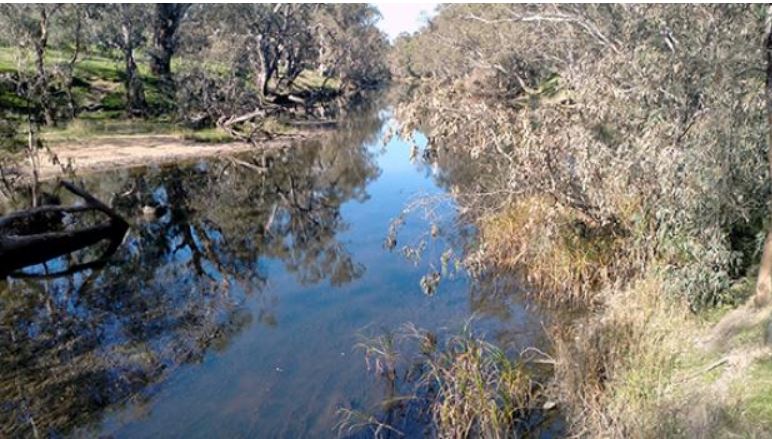
Five waters shared in the 141,000 trout cod fingerlings, which is nearly triple the previous best of 51,000 fingerlings in 2001. Amongst them were the Campaspe and Kiewa rivers, where trout cod have been absent for decades, along with Corryong Creek, and the Goulburn and King rivers.
The Kiewa River, in Victoria’s northeast, is the big winner this year with 30,000 trout cod and 30,000 Macquarie perch stocked.
Macquarie perch were once abundant in northern rivers but declined significantly and have been extinct in the Kiewa River since 1939.
Their recovery has been prioritised through stocking, habitat restoration, monitoring and dedicated research.
The VFA’s Snobs Creek team and partners are pursuing the holy grail of ‘Cracking the Code’ to breed Macquarie perch in captivity, reducing the need to source fish from the wild every breeding season.
In a first for the program, male Macquarie perch that were bred at Snobs Creek in 2019 and 2020 have now been used to fertilise eggs from wild females, to produce some of this season’s fingerlings.
Other waters to share in the Macquarie perch fingerlings stocked recently include Cudgewa and Hughes creeks, the Broken, Buffalo, Goulburn, Ovens and King rivers, and Lake Dartmouth.
For the full list of stocked waters and fish numbers, visit www.vfa.vic.gov.au/fishrecovery.
Minister for Outdoor Recreation Steve Dimopoulos: “Record stocking of trout cod is another important step towards the recovery of this threatened species, which was once common in Victoria’s northeast rivers.”
“Our investment into growing our hatcheries is paying dividends and will mean more fish in our rivers and lakes across the state.”
This story based on a state government media release
September 7th, 2023Spring flush in store for downstream Campaspe River: CMA
More than 11,000 megalitres of water for the environment will flow out of Lake Eppalock this month, helping improve the health of the Campaspe River downstream, the North Central Catchment Management Authority says.
North Central Catchment Management Authority (CMA) says it will manage the 11-day flow from mid-September.
North Central CMA Environmental Flows Project Manager Darren White said the flow was part of the river’s restoration program.
“This is the type of flow the river, and everything that relies on it to survive and thrive, would have had at this time of year prior to European occupation and regulation,” he said.
“This flow will stay well within the banks all the way down and will be timed to ensure it doesn’t meet up with any higher Goulburn River flows down the Murray.”
Mr White said the spring fresh will have a range of benefits for the animals and plants that live in and around the river.
“It will be timed to provide the right conditions for native fish, to encourage them to travel and begin spawning,” he said.
“The flow will also flush leaf litter off the banks, maintain soil moisture, and scour slime off rocks and snags to revitalise them as a key water bug food source for fish, platypus, and rakali (water rats).”
Since October 2022, about 10 GL of water for the environment has flowed from Lake Eppalock, with water expected to be released every day for the rest of the current financial year.
“Just like irrigation and town supplies, the environment receives a specific yearly allocation from Lake Eppalock,” Mr White said.
“The environmental allocation is managed under legislation that requires it to be used to get the best possible ecological outcome for the river.
“It’s important for the health of the river the environmental allocation lasts through the high stress summer, with an eye on the following year as well.
“Environmental flow planning is for today and tomorrow. All indicators are pointing to a drier outlook during spring and summer.”
The flows are authorised by the Commonwealth Environmental Water Holder and the Victorian Environmental Water Holder (VEWH) in line with its Seasonal Watering Plan 2023-24.