


June 16th, 2024CFA fleet boost with 25 new pumpers
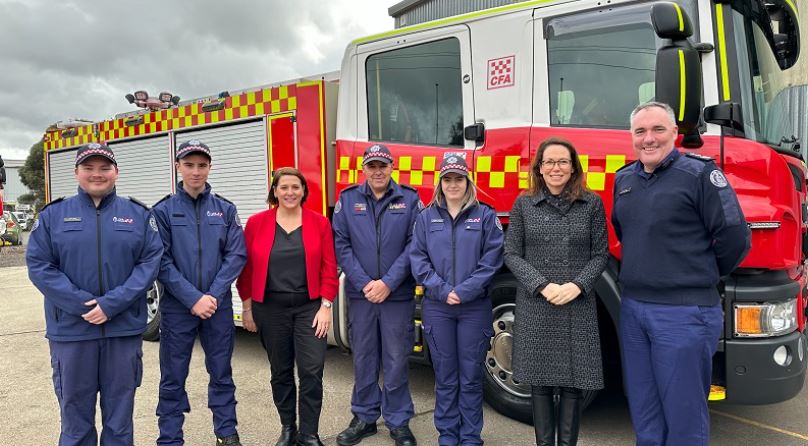
Twenty-five new pumpers will be added to CFA’s fleet which help brigades better protect and serve their communities.
The new pumpers will be capable of delivering 4,000 litres of water per minute and once operational will replace pumpers that are older than 20 years of age.
CFA Chief Officer Jason Heffernan said the new pumpers are a welcome addition to the fleet and will result in a significant uplift in capability across the state.
“With the latest technology Scania Cab Chassis and the ability to integrate breathing apparatus sets in the rear seats, the pumpers will carry all the necessary equipment and tools to operate on a fireground,” Jason said.
“The pumpers can continuously pump thousands of litres of water at high pressure from a static supply such as a street main, lake or reservoir.
“They will also have the ability to produce Compressed Air Foam using an onboard compressor for enhanced asset protection.
“These new pumpers will ensure our volunteers continue to be well equipped to protect their communities during an emergency.”
“The pumpers were designed by our volunteers to include gender specific requirements to support women within CFA and to help encourage women to join in the future.”
The first ten brigades to receive the new pumpers will be Wendouree, Kangaroo Flat, Sebastopol, Eaglehawk, Narre Warren, Rochester, Emerald, Benalla, Bairnsdale and Lorne.
Manufacturing of the new pumpers began late last year at SEM Fire and Rescue in Wendouree, with the first of the 25 pumpers due for completion mid-2025.
The Victorian Government announced additional funding of $18.6 million for 15 new pumpers last month on top of the $9.9 million for 10 pumpers announced last year.
Words & Image: CFA
June 15th, 2024Emergency services call out to donate blood
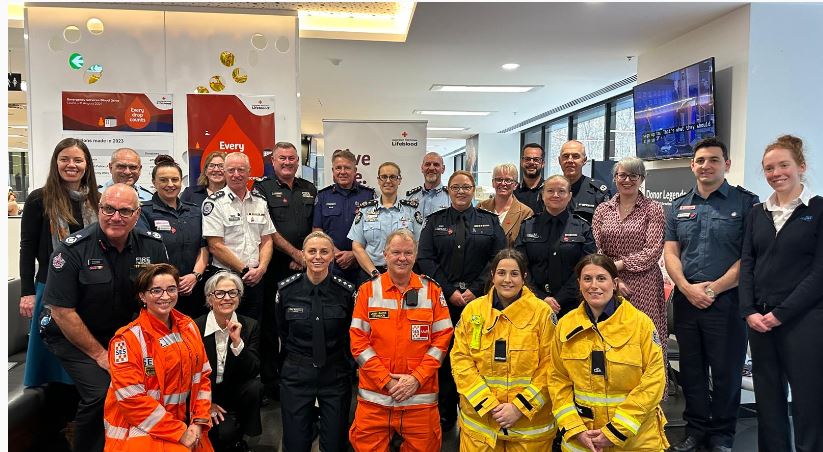
The CFA is encouraging its members and the community to roll up their sleeves to save lives for the 2024 Emergency Services Blood Drive.
The Blood Drive, held annually by Australian Red Cross Lifeblood from 1 June to 31 August, calls on emergency service workers to compete in a bit of healthy competition by providing the highest number of blood and plasma donations.
In recent days CFA Deputy Chief Officer Garry Cook and Hillcrest Fire Brigade members Rochelle Poulton and Molly Drane joined the launch of the drive alongside our emergency service partners at the Melbourne Donor Centre.
Hillcrest Fire Brigade 4th Lieutenant Rochelle Poulton kicked things off by donating plasma in the hope of rallying CFA members across the state to donate before 31 August.
“Each year when the blood drive starts I try to get a team together from my brigade to donate as it’s another way we can give back to the community,” Rochelle said.
“I try to donate plasma every fortnight because it’s important to me knowing my contribution is something larger than myself and it’s helping saving lives.
“I also receive a text message telling me where my blood is going and how many lives it’s saving.
“My blood went all the way to Western Australia once, which is incredible and makes it a reality that people out there need your help.”
Deputy Chief Officer Garry Cook said he hopes our members and the community can get behind the challenge this year to help save more lives.
“The need for blood is ongoing and one donation can save up to three lives so it’s a small amount of your time for an incredible cause,” Garry said.
“Our members are always great at rising to the occasion, so I encourage them to roll up their sleeves and donate before the end of August.”
To book a donation, visit www.lifeblood.com.au, call 13 14 95 or download the donate blood app.
Words & Image: CFA
June 14th, 2024Firefighter takes icy plunge

A CFA firefighter took an icy plunge recently, all in the name of charity.
CFA volunteers and residents in the Dandenongs and surrounds came together with the hope of fundraising $50,000 for motor neurone disease (MND) research at an event which saw participants slide into a big pool of ice.
Emerald Fire Brigade 3rd Lieutenant Chris May said he wanted to pull out all stops to support event organiser Matt Stickland who suffers from MND.
“Matt and his wife Sarah wanted me to dress up as someone fun and inspirational for the event and I thought given my one-year-old is obsessed with the Wiggles, it would be fitting to go as the blue Wiggle,” said Chris.
“I then got in touch with Anthony Field, the original blue Wiggle on Instagram and explained what we were doing.
“He got back to me and said he would send a skivvy straight down from Wiggles HQ in Sydney.
“It played out as a nice surprise at the event which was supported by Clematis Fire Brigade and Emerald SES.
“I arrived with my turnout gear on but then revealed my outfit for the organisers. They love the story behind it!”
The Hills Big Freeze fundraiser took place on Sunday 2 June at the Paradise Valley Hotel in Clematis.
Twelve local identities including Jaidyn Stephenson from North Melbourne Football Club and Dylan Moore from the Hawthorn Football took part in the event to help raise awareness and funds to support FightMND.
“This is about giving people who suffer from MND the best chance at life and hopefully finding a cure in the future,” Chris said.
The event included raffles, silent auctions, food and drink and by the time the night set in more than $100,000 had been raised by the community for FightMND.

June 14th, 2024Teens hone skills at CFA cadet camp
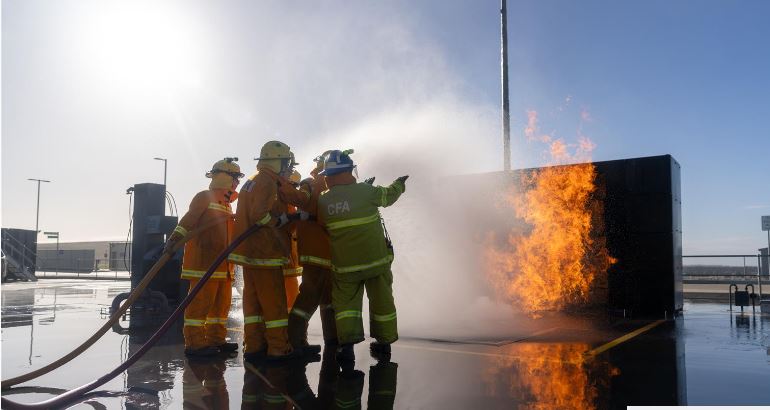
Teenagers from across the state honed their firefighting skills during the recent CFA Cadet Camp.
Around 40 teens camped at the Lady Northcote Discovery Camp in Glenmore over the weekend for the fourth annual camp, which included a day at VEMTC Central Highlands performing fire drills and working with thermal imaging.
The camp brings together CFA’s youngest senior members, 16-17 years old, to enhance their skills, knowledge, teamwork and leadership through practical, hands-on training.
It was established to help address retention rates and strengthen engagement with teenage members.
Volunteer Sustainability Team youth programs leader Jennifer Clement said the camp was a great way for the young members to get to know peers with similar interests.
“It gives them the opportunity to build skills in leadership, teamwork, fire skills and there is huge opportunity for personal development,” Jennifer said.
“We see young people nervous when they get there but by the end of the weekend they don’t want to leave and say, ‘We’ve had so much fun.’
“Fun is such a huge aspect of it… Having fun is when the learning happens.”
Two participants this year, Mia Llewelyn, from the South Morang Fire Brigade, and Cody Polack, from the Warracknabeal Fire Brigade, said they enjoyed the camp.
“The camp members have definitely become like brothers and sisters to me and I am very fortunate for that,” Mia said.
Cody said his highlight was the fire training at VEMTC.
“We got to see a real-life simulation of what you might witness on the fireground. Another highlight was making friends I will have for life,” he said.
Words & Image: CFA
June 13th, 2024Firefighters battle reptile factory fire
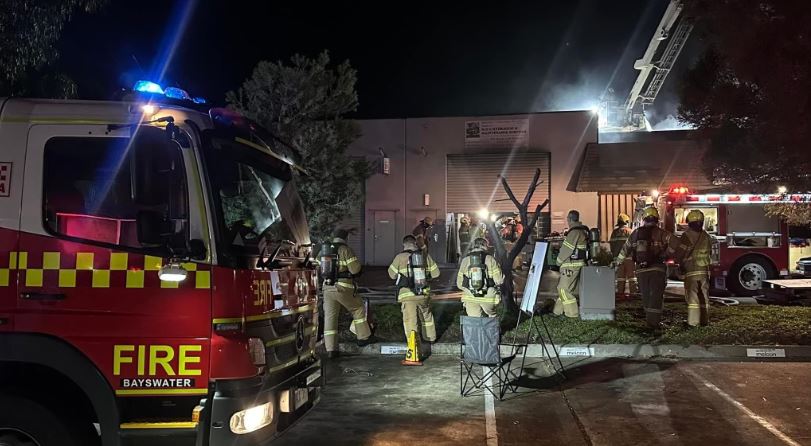
CFA firefighters battled a large factory fire filled with reptiles in Kilsyth South earlier this month.
Firefighters were called to the structure fire at Canterbury Road at around 8.28pm on June 3.
The incident occurred at a reptile facility which housed over 540 animals including snakes, crocodiles and lizards.
Assistant Chief Fire Officer Dave Renkin, who was on scene, said there was a large amount of smoke when crews first arrived.
“Firefighting crews could see there were flames coming from the roof space and they quickly gained access to start combating the fire. A ladder platform was used to gain access to the roof which helped contain the fire,” Dave said.
“As a safety measure none of our firefighters went near the room that contained venomous snakes and Ambulance Victoria was on scene to assist if required.
“Once the fire had safely been extinguished the owners and wildlife carers started to remove reptiles and animals. Sadly some were lost in the fire but many were saved.
“No day is ever the same in this job.”
Victoria Police was also called to the scene. Thirteen CFA units responded alongside FRV. The incident was deemed safe and under control at 9.44pm. The cause of the fire was being investigated.
Words & Image: CFA
June 3rd, 2024CFA launches home safety update for folk most at risk
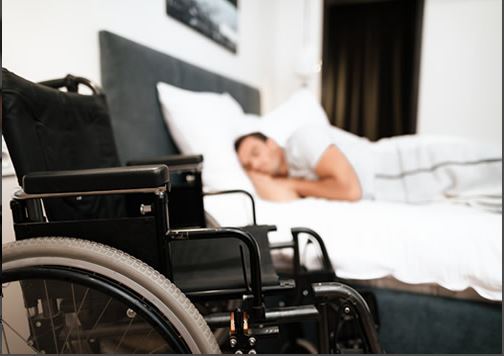
The CFA’s ‘Prevent Detect Escape: Home Fire Safety for people at higher risk’ e-learning module has recently been updated and is now available to complete for free, online.
The autumn leaves have fallen, and the weather has become cooler. We are all curling up on the couch and turning on our heaters for the months ahead. The CFA says this is a perfect time to turn our minds to home fire safety.
A concerning 62 per cent of the people who died in home fires between 2003-2017 had a disability. The significant statistic was the catalyst for CFA to develop the ‘Prevent Detect Escape’ e-learning module with Fire Rescue Victoria (FRV) in 2022.
More than 4,000 people have now completed the module, and we received feedback from more than 1,000 of them.
Some of the comments the CFA has since received include the following:
“The module is very informative and practical. I will bring this topic to family discussion and share it with my elderly neighbour, particularly the Escape Plan.”
“Overall, clear and would assist members discussing this with their community.”
“Makes me think of more action in the home in case of a fire. Will be discussing a plan with my children ASAP.”
“It was great. Better than just reading content. I find listening and watching videos much more engaging.”
“As a burns survivor, I think this type of training is a must for EVERYONE.”
The CFA received some suggestions for improvement, and has since updated the module. The updated module includes:
- new scenario-based learning
- improved accessibility features
- hoarding information
- clearer smoke alarm information
- quizzes at the end of each section
The CFA is encouraging everyone to complete the hour-long e-learning module which can be found on the CFA website.

May 18th, 2024Escaped burn-offs ignite a reminder for landowners
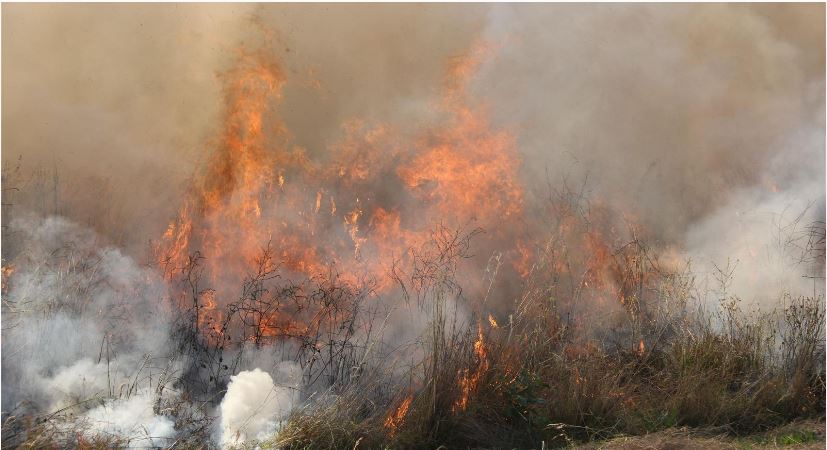
Following a year that saw CFA volunteers respond to 815 incidents caused by escaped burn-offs, fire crews are now urging landowners to take extra precautions before lighting up.
With fire restrictions now lifted across the state, private residents are taking the opportunity to burn off grass, stubble, weeds, and undergrowth to maintain their properties.
While encouraged, CFA reminds Victorians to monitor local weather forecasts in the lead up to ignition.
In 2023, over 22,500 volunteer hours were utilised responding to incidents involving escaped private burn-offs. Most call outs were during April and May and later in spring from September to November.
CFA Acting Chief Officer Garry Cook said the findings from these statistics are a timely reminder for private landowners to make sure they have enough people and water on hand to monitor, contain and extinguish their burn-off safely.
“The incidents in 2023 resulted in over 12,100 volunteers jumping on the truck to respond. This year, we would love to see that number decline significantly,” Garry said.
“We know burn-offs can flare-up several days afterwards, so it is important residents are consistently monitoring wind conditions before and after their burning day, while also notifying their neighbours to be mindful of smoke.
“The overarching message is clear – please don’t leave your burn-off unattended.”
Victorians are urged to register their burn-offs online through the Fire Permits Victoria website to provide agencies with important information to manage fire risk effectively and to allow Triple Zero call takers to focus on emergency calls.
“Of the 815 escaped burn offs, 69 per cent of them had no record of being registered and 113 required more than five CFA vehicles,” Garry said.
“If you light a fire to burn-off, you own it. Registering it is important and may avoid unnecessary responses from CFA brigades, but it does not remove your responsibility.”
Words & Image: CFA
May 16th, 2024Mums leading new generation of CFA volunteers
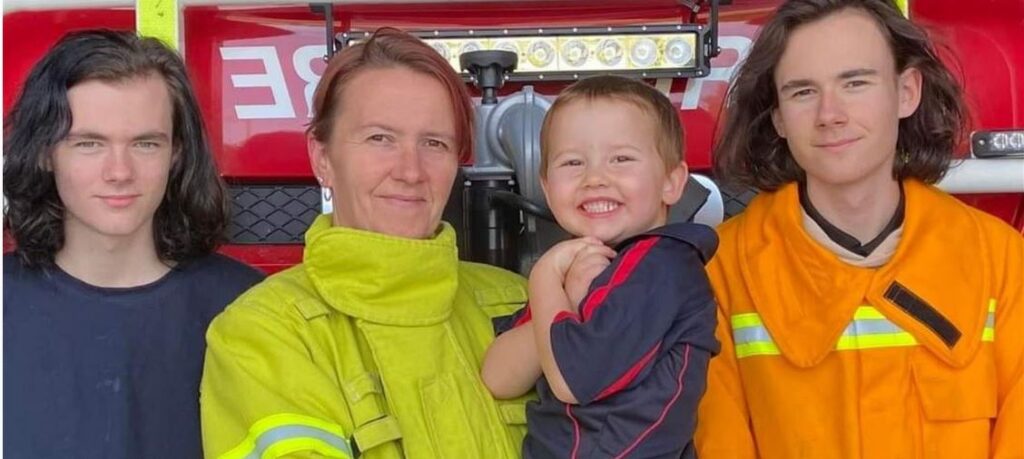
The CFA celebrated its incredible mums this Mother’s Day on Sunday, and Michelle Turnham said her kids inspired her to become a CFA volunteer.
Michelle Turnham volunteers with Ararat Fire Brigade along with her husband Ash and son Bailey.
Michelle said volunteering with CFA has given her fulfilment in so many ways she hadn’t expected and it’s given her an outlet.
“I actually joined because of my kids who were CFA Juniors at the time,” Michelle said.
“When I started, I spent four years as a non-operational volunteer and then decided I would give firefighting a go and haven’t looked back since.
“I have done so much more than I expected, I said I wouldn’t ever be more than a wildfire firefighter and now I have completed the low structure course and external breathing apparatus training.”
Michelle said volunteering and being a busy working mother of three kids doesn’t come without its challenges.
“We have a bit of a roster as a family that allows me to turn out,” she said.
“My older boys can look after the youngest if we need and I have friends and family I can call on to support me.
“It has instilled a sense of community in my kids. My eldest son Jaxon is in the process of joining now and Bailey continues to shine, he has really come out of his shell thanks to CFA.
“I sometimes turn out alongside Bailey and I love that the dynamic is we are both firefighters working together at an incident, not mother and son.
“Even my six-year-old is fire truck obsessed and loves ‘checking the tyres’ when he comes down to the station.”
Kelly-Ann Ryan is the daughter of a former CFA volunteer and now a firefighter with St. Andrews Fire Brigade. Kelly’s mother Jenni was a huge inspiration to her growing up and why she is a volunteer today.
“My mother was a volunteer at Upper Ferntree Gully and held the position of Secretary,” Kelly-Ann said.
“Mum is incredibly strong, and I was in awe seeing her turn out when I was a kid, I wanted to be her.
“Her community values have made a huge impact on me, she was so dedicated to the brigade she did everything from fundraising to supporting other communities on strike teams.
“She is honestly my best friend; she would do anything for her daughters and grandchildren.”
Words & Image: CFA
May 16th, 2024Close call shows smoke alarms are essential
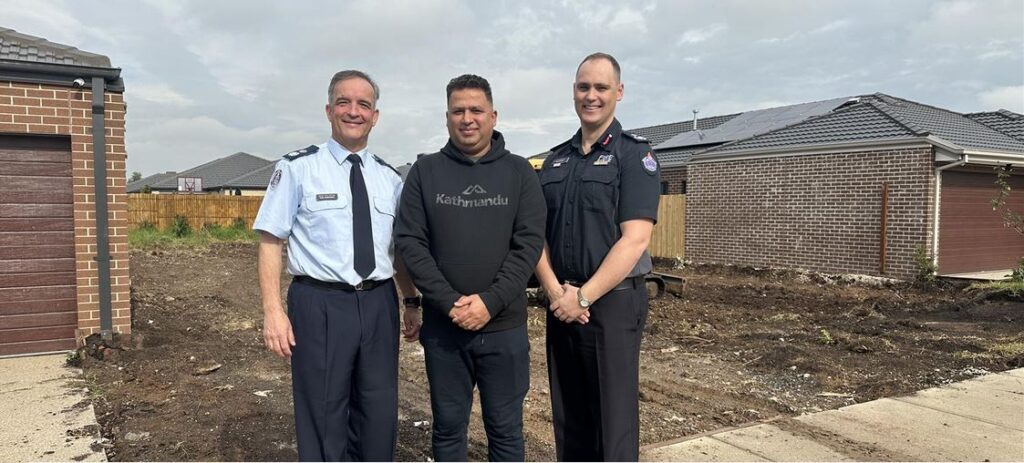
A father whose family escaped a fire that destroyed their Truganina home in a matter of minutes late last year is now calling on Victorians to install smoke alarms in all bedrooms.
Ramesh Gajurel, his wife and child were finishing dinner in their kitchen when their hallway smoke alarm activated.
A fire had ignited in a spare bedroom and was quickly spreading through the house.
“We had just finished the dinner and were doing the clean-up and all of a sudden we heard the [smoke] alarm in the lounge area,” said Ramesh.
“We went through each and every room and we found the second bedroom was already on fire – then we just tried to find a way out.”
The bedroom door had been shut and there was no smoke alarm inside, so by the time the family was alerted to the fire it was already burning aggressively.
The family safely evacuated, but unfortunately the house was so badly damaged by the incident in November 2023 that it had to be demolished.
That said, Ramesh sees himself as lucky, because if someone had been sleeping in the bedroom when the fire broke out, it would likely have been fatal.
“I think it’s really important to have [smoke] alarms in each bedroom, just in case. When you are sleeping in the night …you can act very quickly,” he said.
The family’s lucky escape has prompted Victorian fire services to once again emphasise that smoke alarms are a bedroom essential.
FRV Deputy Commissioner Community Safety Joshua Fischer said fires that start in bedrooms were the ones most likely to kill you.
“If fire breaks out in your bedroom and the door is shut, the hallway smoke alarm will not activate until the fire has burned through the door, which will be too late,” he said.
“Smoke will not wake you – in fact, it will put you into a deeper sleep and render you unconscious – so it’s crucial that you have a smoke alarm installed in all sleeping areas.
“Think about all the items we now find in bedrooms that could catch alight – from rechargeable battery products to electronic devices and heaters.
“Without a working smoke alarm, you may not get the chance to safely escape. Quite simply, they could save you and your family’s lives.”
CFA Deputy Chief Officer Alen Slijepcevic said a smoke alarm costs as little as $20, with a range of other types on offer depending on your housing and financial situation.
“Concerningly, FRV and CFA’s most recent survey of Victorians revealed just 17 percent of Victorians have smoke alarms in their bedrooms. Around 47 percent of people do not have a smoke alarm in any living room.”
“This is why we really encourage all Victorians to install smoke alarms in all bedrooms, living areas and hallways.”
Words & Image: CFA
May 15th, 2024Brigade helps wildlife impacted by fires
The Goongerah Fire Brigade, in a remote East Gippsland settlement, was badly impacted by the 2019-20 bushfires.
Tucked away between two national parks, the small community lost 10 homes and twice that many farm sheds.
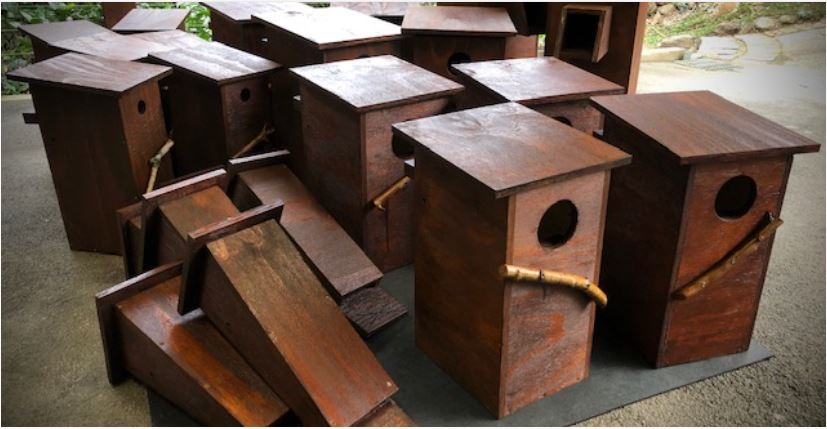
As well as slowly rebuilding and repairing their properties, many locals have been putting in a lot of work installing nest boxes for wildlife.
“More than 100 boxes have been installed throughout the valley,” field ecologist, wildlife carer and Goongerah Fire Brigade Lieutenant Rena Gabarov said.
“They are hopefully helping the recovery of dozens of hollow-dependent species that were killed in the fires. Hollows are critical for about 80 species of Gippsland birds, mammals and reptiles.”
The loss of thousands of hollow-bearing trees in the fires has heavily impacted animals such as the threatened gliders, large birds such as black cockatoos, and our rare and endangered forest owls, including the powerful and sooty owls.
The boxes were donated to locals and Goongerah brigade by people from all walks of life, including Fulham Correctional Centre, several Men’s Sheds, Victorian National Parks Association and small businesses.
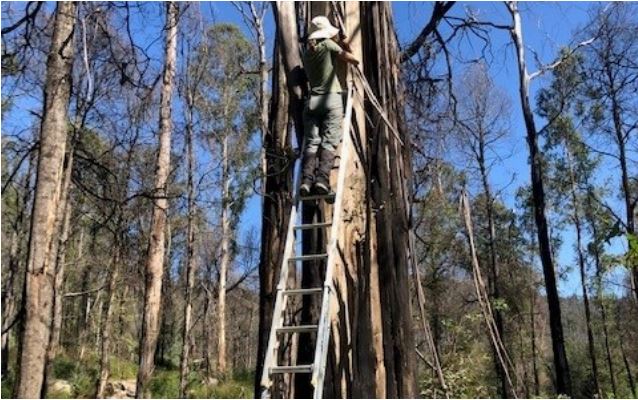
Goongerah Fire Brigade Captain Tony Bunt said it’s rewarding to see so many of these boxes now being used by native birds and marsupials.
“It gives us a boost to see wildlife slowly returning that would otherwise have had nowhere to shelter and raise their young,” Tony said.
Words & Images: CFA
May 13th, 2024New show garden gives inspiration for fire-prone places
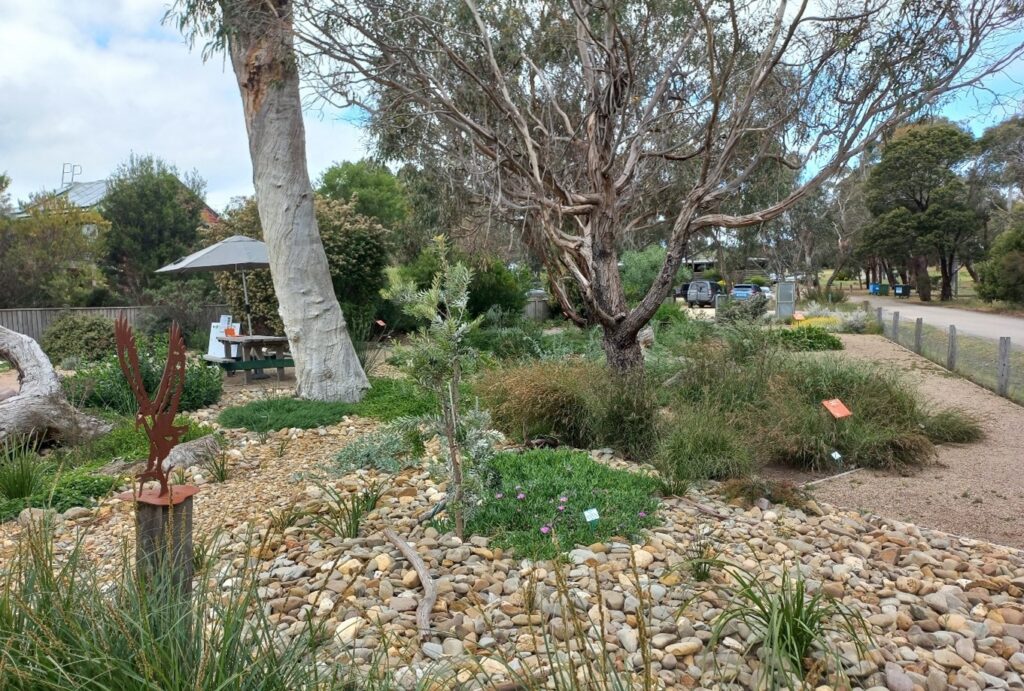
The CFA’s Vegetation Management Team has recently partnered with a local council to create a garden design and plant selection advice for bushfire-prone areas with the result now available to visit and check out.
The Briars is a 230-hectare conservation park in Mount Martha, managed by Mornington Peninsula Shire Council.
It includes a conservation site with wildlife sanctuary, a heritage homestead registered with the National Trust, gardens, a visitor centre, the Shire nursery, the Community Forest and the Eco Living Display Centre.
The nursery has a native garden at the entrance which the council wanted to redesign. Over the past seven years, CFA staff (including Dan Idczak, Sharon Merritt, Andy Govanstone and Chris Vassos) worked with nursery staff and Royal Botanic Gardens Victoria, to redesign and construct the garden based on CFA’s publication Landscaping for Bushfire.
The 750-square-metre garden highlights a design that includes local indigenous plants that make a good defendable space between a house and the bush, while also providing a habitat for wildlife and a beautiful, tranquil place.
Here are some of the key aspects of the garden.
Breaking up fuel continuity by creating:
- a dry creek bed that meanders through the garden separating the organic mulched area from the rock mulch and building
- paths with crushed rock and stone borders to provide separation and prevent fuel corridors
- seating area with crushed rock base
Less flammable materials near the building:
- using rock mulch and succulent plants
- using a natural water run-off area as a frog bog and water feature
Maintenance and selection of trees:
- existing stringy and ribbon bark trees were candled to reduce the bark hazard and ribbon bark raked up
- removal of shrubs near the building
Plants chosen:
- had a high moisture content
- can be managed for fire, such as Kangaroo Grass that can be burned to remove dead material and kept green over summer
- were low growing to keep flame height low and lessen travel into the canopy of trees
To encourage native wildlife:
- large logs were retained to provide habitat and protection
- water was a key feature with a bog area for frogs and small ponds to provide drinking water
There are signs giving information about each aspect of the garden and a reference to CFA’s Landscaping for Bushfire publication.
The garden is open Wednesday, Thursday and Friday and the first Saturday of each month.
May 12th, 2024Victorian fire season finally finished
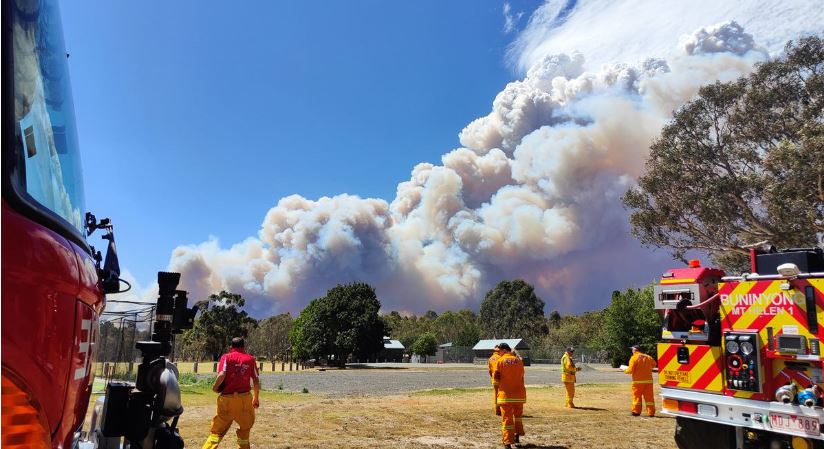
Following a summer that saw a number of significant bushfires in the west of the state, the end of Victoria’s fire season has officially drawn to a close with the final fire restrictions lifted earlier this month.
Looking back over the season that was, the first day of Catastrophic fire danger (Tuesday, 13 February) -since the new Australian Fire Danger Rating System was introduced – kicked off a turbulent few weeks for CFA volunteers.
Three main fires took off in Briagalong, Rawson and Loch Sport in late September and made for an early start to the season for firefighters, burning over 16,000 hectares.
More recently throughout February and March, thousands of firefighters came from across Victoria to fight the devastating bushfires that hit the Grampians, Staffordshire, Bayindeen and Dereel which burnt more than 30,500 hectares.
During this time, work was also undertaken by our volunteers to help clean up the impact of the devasting storms that went through South West Gippsland in Mirboo North.
CFA volunteers also worked tirelessly to support VICSES in flood recovery efforts in January across the North East and around 40 CFA members and staff were deployed to Helensvale in Queensland to support local emergency services with flood and storm response.
CFA Deputy Chief Officer Garry Cook thanked every CFA member, volunteer, and staff, for their incredible response over the last few months whether that was near or far from home.
“I want to take this opportunity to thank everyone who was in involved in our deployments both across Victoria and interstate, but also to those who remained close to home to continue protecting our local communities,” Garry said.
“Each day, we continue to demonstrate that we are flexible, agile, committed and well-equipped to assist those in need at any given time, and it is admirable and appreciated.
“The prolonged response showcased the commitment of CFA brigades across the region, with many working multiple days in challenging circumstances.”
While bushfire intensity heightened this summer, as did the amount of incidents CFA volunteers responded to, with more than 14,600 across December to March, up from 10,200 last year.
Our volunteers assisted other agencies a further 426 times compared to 2022-23 and while vegetation fires saw a decline, structure fires and fires involving electrical equipment both rose by 108 respectively.
The areas within Bass Coast, South Gippsland, Greater Dandenong, Mornington Peninsula, Baw Baw, Latrobe and surrounding regions were the final municipalities in Victoria to end the Fire Danger Period at 1.00am this morning.
Landowners now have the opportunity to burn-off again, however it is important that residents check that local conditions are safe before undertaking these activities.
“Residents must still register their burn-offs, check weather conditions and follow local council laws and regulation,” Garry said.
“Registering your burn-off ensures that if smoke or fire is reported, the incident is cross-checked with our register, which prevents firefighters from unnecessarily responding.”
May 8th, 2024Free smoke alarm program for at risk rural residents
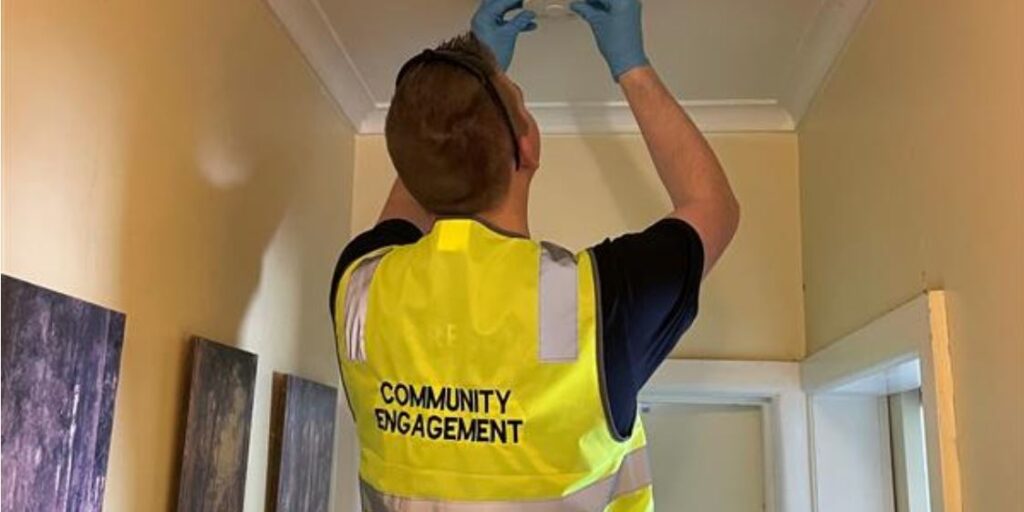
The RACV and CFA have announced a Smoke Alarm Installation program for rural and regional Victoria, providing hundreds of at-risk residents, such as renters and elderly Victorians, with free smoke alarms.
The program also aims to increase the understanding and awareness of home fire hazards and reduce the number of preventable fire fatalities.
Smoke alarms play a critical role in early fire detection and evacuation, yet statistics indicate many homes either do not have enough smoke alarms or have them installed in the wrong areas.
According to CFA, several fatal house fires start in bedrooms and sleeping areas, underlining the importance of comprehensive smoke alarm coverage within homes.
Daylesford CFA Captain, Glen Webster: “Working smoke alarms are more important than ever because the furnishings in houses now are mostly plastic and man-made fabrics which assist in rapid fire spread and emit large volumes of highly toxic smoke.”
CFA Chief Officer Jason Heffernan says it’s vital everyone has a working smoke alarm in their homes to prevent house fire fatalities.
“We’ve seen the devastating results of house fires where there wasn’t a working smoke alarm, so this is an important program to ensure we’re helping our communities, especially those more vulnerable such as renters and elderly Victorians,” Mr Heffernan said.
To further enhance accessibility, CFA resources are available in multiple languages. Support programs will be available for those in need, ensuring that cost is not a barrier to safety.
RACV Head of Policy James Williams said the Smoke Alarm Installation program aims to educate Victorians on what they can do to prevent fire risks.
“Through our work with CFA, we aim to address the gaps we know exist in smoke alarm coverage throughout Victorian homes,” said Mr Williams. “We believe that every Victorian deserves to feel safe and secure in their own home.”
According to a recent RACV poll, 58 per cent of Victorian respondents test their smoke alarms monthly and replace them yearly, while just 24 per cent have upgraded to an interconnected smoke alarm system and 18 per cent don’t understand how their smoke alarms work.
“If you’re unsure how your smoke alarm works, or unable to install or change an alarm yourself, seeking a qualified professional to do the job is the best thing you can do,” Mr Williams said.
Warning signs of fault and age with your smoke alarm include:
- The smoke alarm unit turning a yellow colour.
- A continuous ‘chirp’ sound.
- Your smoke alarm activating for no reason.
CFA recommends all smoke alarms in the home be powered by a 10-year lithium battery, be interconnected and installed in every bedroom, living area and hallway on your property.
For more information on the Smoke Alarm Installation Program, visit the CFA website.
May 7th, 2024Science podcast probes latest bushfire research
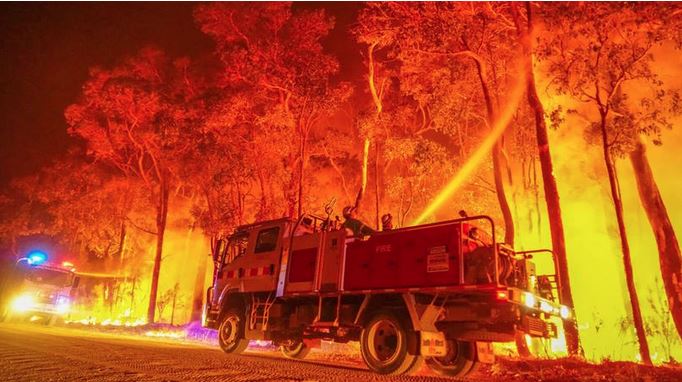
The severity, complexity and changing nature of Australia’s bushfire seasons and the research that informs planning and response are showcased in a new podcast series.
The Debunks series of podcasts, produced by Cosmos and 9Podcasts, speaks with Natural Hazards Research Australia’s (NHRA) CEO Andrew Gissing, as well as NHRA researcher Dr Hamish Clark (University of Melbourne) and previous Cooperative Research Centre postgraduate alumnus Dr Steve Sutton, to get to grips with issues such as the Australian Fire Danger Rating System, community and individual preparedness, fireproofing property, Australia’s fire history and the influence of climate change.
In the episode ‘Do I really have to leave when the rating is catastrophic?,’ Andrew discusses individual fire preparedness rates, as well as the psychological obstacles to people leaving at-risk areas early.
“Generally, people aren’t well prepared for natural hazards across the country. Most people are also unprepared to leave on the basis of a weather report,” Andrew said.
Following the 2009 fires in Victoria, where conditions were outside the bounds of the McArthur Fire Danger Rating system, research informed the establishment of a more flexible index that ensured continuity of messaging and actions across states and territories.
Andrew states the importance of being prepared, but also individuals’ responsibility to actively monitor emergency information.
“It’s really good to have numerous ways to get warnings, so it’s not just about the [emergency] app and it’s not just about the text messages you might be getting. It’s about having a battery-powered radio so you can listen to the ABC and other emergency broadcasters to get current, local information.”
Adjunct Professor Jim McLennan (La Trobe University and Black Saturday social research lead for the Bushfire CRC) raises the ongoing challenge facing emergency broadcasters and responders to leave early when conditions are dangerous, especially when residents haven’t faced a fire threat before.
“The challenge for community safety units in the rural fire agencies is a bit like that of painting the Sydney Harbour Bridge – you never finish. You get to one end, and you start again at the other,” Jim said.
In the episode ‘Do hazard reduction burns really work?’ Dr Hamish Clark outlines how prescribed burning works and why local details matter the most, such as fire regimes for any given area, the vegetation type and amount, as well as the terrain.
“A really important message is that the local landscape matters,” Hamish said.
He also explains the risks associated with prescribed burning and why the weather is one of the most important influencing factors of whether a prescribed burn can take place.
As fire seasons become longer due to the influence of climate change, the weather windows when prescribed burning can take place safely also are changing – too wet and the vegetation won’t burn, but too dry and prescribed burns can escape and become a bushfire. Hamish also outlines the amount of planning and strategy required for every prescribed burn.
“You’ve got a kind of Goldilocks situation where you need the right weather conditions,” Hamish said.
“That is the minimum bar to jump. You don’t want to be doing it under the wrong conditions. But within that there is a very big planning system that goes into it. You’re thinking about risk in the landscape and areas that you want to target. You’re thinking about where communities are and where resources are.”
Jim McLennan is featured extensively. He led the then Bushfire CRC’s post fire social research after the 2009 fires in Victoria, where more than 600 residents were interviewed about their responses to warnings, behaviour during the bushfires and decision-making.
Jim spoke at length about the findings from this research, which included post-fire interviews with residents after fires at Lake Clifton (2011) and Perth Hills (2014) in Western Australia, Tasmania (2013) and Yass, Shoalhaven, Coonabarabran, the Blue Mountains, Southern Highlands and Port Stephens (2013) in NSW.
There are a further five episodes in the series on a range of topics. You can listen to the podcast on the Cosmos website or on your preferred podcast platform including Spotify.
May 7th, 2024New fire investigation training facility unveiled
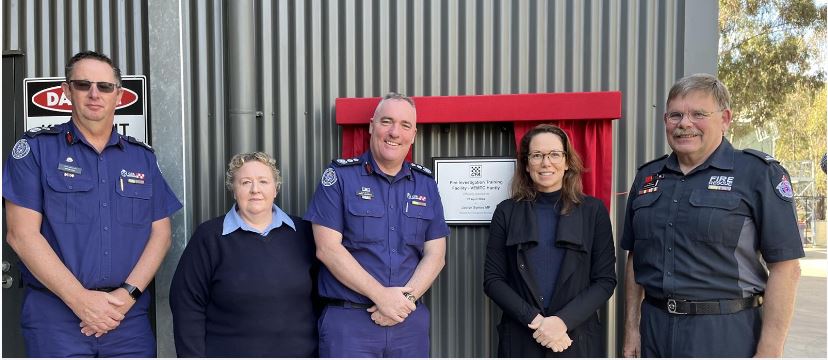
The CFA has unveiled its new state of the art and purpose built Fire Investigation Training Facility at the Victorian Emergency Management Training Centre (VEMTC) in Huntly in recent days.
The $3.4 million facility is the first of its kind in Australasia and will enable CFA firefighters and other emergency service personnel to learn how to investigate the origin and cause of fires in a safe and controlled environment.
CFA Chief Officer Jason Heffernan said the CFA is committed to providing its firefighters with the best infrastructure, training and support but it’s not just emergency service personnel who will benefit from this facility.
“Fires can be started as a result of everyday appliances malfunctioning such as fridges, toasters and battery chargers,” said Jason.
“In this new facility, our fire investigators will be trained to identify if something of that nature has happened which can help us prevent future fire emergencies and continue to protect the safety of Victorians.
“We’re also excited to be able to share these new facilities with our multi-agency colleagues across Victoria Police, Forensic Services, Fire Rescue Victoria (FRV), Department of Energy, Environment and Climate Action (DEECA), Energy Safe Victoria (ESV) and WorkSafe Victoria.”
The facility features four burn rooms which can be staged to replicate what happens when a fire starts within a home, garage or other residential environment.
The rooms are fitted with several technological features that can record the temperature of a fire at different levels within the room as well as a large-screen television that’s linked directly to the camera inside each room to observe and record the ignition and development of the fire.
This data can then be used to teach firefighters and fire investigators about fire dynamics and helps them piece together how a fire could have started.
The Fire Investigation Training Facility also has a carport where vehicle fires can be replicated for learning purposes.
Structure and vehicle fires are some of the most common types of incidents that CFA firefighters respond to. House fires are categorised as structure fires.
Fire investigation helps prevent other fires occurring and can result in product recalls if appliances and equipment are found to be unsafe.
For example, an investigation into a structure fire in 2022 identified that the origin and cause of a fire was an electrical failure of a fridge located in an outdoor kitchen at a residential property.
Details of the make, model and year of manufacture were documented as part of the fire scene examination process and ultimately through working in partnership with external agencies such as Energy Safe Victoria (Electrical) the investigations contributed to the identification of the fire risk, leading to a product safety recall of the fridge.
With a focus on environmental safety and sustainability, the training facility incorporates a $1.76 million thermal oxidiser to capture and treat the smoke and combustion gases produced from the burns.