


March 4th, 2025Glen’s Garden
No matter what the weather forecasts tell us it’s officially autumn on March 1, so time to consider refreshing your spring-flowering daffodil and jonquil plants before they start their regrowth and produce their little bulblets.

In fact, if you have established clumps of any of the spring flowers and wish to move or thin them out, do it now, before they start their new growth cycle.
Many of these varieties generate strong root growth before the flowers emerge, and they could suffer a setback if they are disturbed.
A garden bed with deep friable soil or a large garden pot will do, providing the drainage is good. An open, sunny position suits daffodils best, although some protection is needed during their flowering period.
Under normal conditions they should be planted 6 to 7cm deep. Space the bulbs 8 to 10cm apart. They should be able to stay in the bed for three to four years without needing to be lifted.
Now to your questions! Keep them coming.
Q. Hi Glen, One of my friends told me he read somewhere that banana skins make a good fertiliser. Is this true? If so, how would I use them? – Curious, Kyneton
A. Hi Curious, yes, that is correct. In fact, banana skins are an excellent source of potash, and as they are high in water content, they rot quickly and the potash soon becomes available to the plant. Up to six to nine skins can be put around each shrub, mashed and dug in. Researchers in the United States have found that monthly applications in spring and autumn were the most beneficial.
Q. Hi Glen, many of my plants look unhealthy, yet they receive adequate water and fertiliser, and I feel are well maintained. One of my friends, who is a keen gardener, told me that perhaps I had a chemical deficiency in my soil. Could this be possible? If so, how could l find out what chemicals are deficient without resorting to expensive tests and equipment? – James, Woodend
A. Hi James, tell-tale signs for detection of soil deficiencies can help you grow better plants, once you learn to read them. If the growing conditions are correct look for nutrient deficiencies such as these: Nitrogen – yellowing of the leaves – starting from the base of the plant; Phosphorous – poor root system, dull leaves, seeds fail to form, spotty leaves; Magnesium – yellow blotches between the larger veins on the leaves; and Calcium – weak growth, inadequate root systems. All of these symptoms must be considered when correcting deficiencies.

Your garden questions answered. Simply email your enquiry to: Garden queries to glenzgarden@gmail.com You should see your answer in the next edition of The Local
October 13th, 2024Glen, about the house…
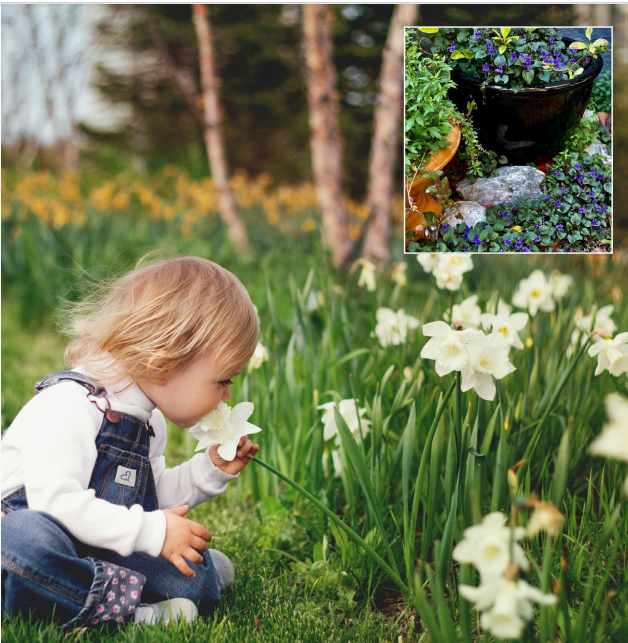
Hi Glen. My daff bulbs have been in the ground around 10 years. The garden faces east and they are protected from westerly sun and wind. I don’t dig them up, rather twist the leaves into a knot until they rot so that there is room for phlox, lavender shower, etc, but should I dig and divide them as there have been few flowers this year despite producing healthy leaves? Your advice would be appreciated, please.
PS. A gardening friend was telling me how she has great success with her bulbs by starting them in a sheltered place and once the plants begin to produce their flower buds, move them out and plant them, baskets and all. Do you think I should try this? Wendy, Trentham.
Hi Wendy Your request is more than timely. I’ve been thinking of that as yet another angle to talk about for the end-of season treatment of spring-flowering bulbs. I must say though the very image of you twisting and twining the poor things and leaving them to rot put my teeth on edge!
Spring-flowering bulbs such as narcissi and daffodils need to retain their leaves as long as possible to build up strong bulbs for next year and give any young bulblets a chance of developing a root system capable of supporting the new plant should you decide to separate and replant them in another bed.
This may mean your bed could be littered with untidy-looking brown clumps, but resist temptation to cut them back. If the leaves are interfering with other subjects in the border they may be tied up in bundles and still perform their function.
You could, of course, use them to fill any gaps in the existing beds, pot them up as reserves, or better still, use them for bartering with friends to expand your range of colours etc. Your bulbs, especially the replanted ones, should not be allowed to dry out prematurely.
When the dry weather begins, give them at least one good watering, in which you could include a weak dose of organic liquid food, before allowing them to become dormant.
Whilst you are in the midst of all this replanting, you should deal with any of the bulblets clinging to the roots of the plants that you judge to be advanced enough to be released to fend for themselves, and can be potted up either singly in small pots, or planted out in the bed with the others to fill up any vacant spaces in the bed.
When you mention in your letter ‘plant them baskets and all’ I assume that these ‘baskets’ are fabricated, water-proof or indeed suitable mesh-sided trough-like containers, that provide drainage and will sustain the conditions for at least a couple of seasons. Especially if these are going to be spending the whole season underground in rather tough conditions.
There must be loads of old wicker baskets, mesh-bottomed plastic sieves etc. going to waste in local op shops, just dying to be recycled.
The whole concept is that the spaces in the garden beds can filled with ‘other season’ plantings so that your beds are full of colour almost year round. At the same time, this gives your precious plants a better start in life. Cheers, Glen