

May 12th, 2024Victorian fire season finally finished
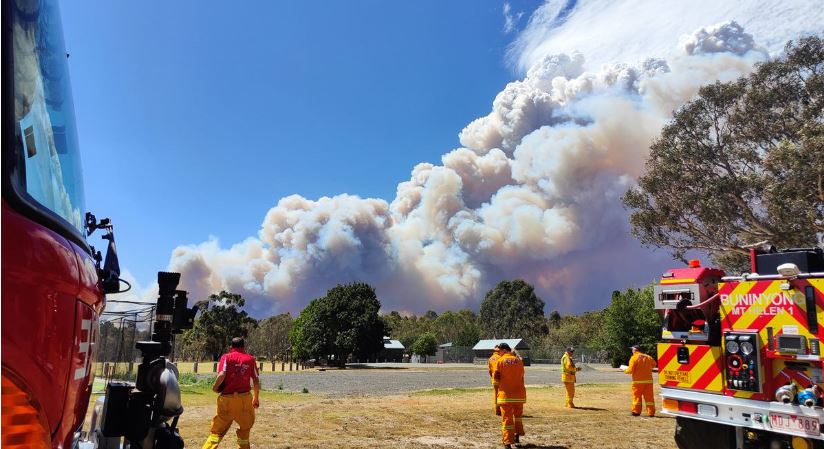
Following a summer that saw a number of significant bushfires in the west of the state, the end of Victoria’s fire season has officially drawn to a close with the final fire restrictions lifted earlier this month.
Looking back over the season that was, the first day of Catastrophic fire danger (Tuesday, 13 February) -since the new Australian Fire Danger Rating System was introduced – kicked off a turbulent few weeks for CFA volunteers.
Three main fires took off in Briagalong, Rawson and Loch Sport in late September and made for an early start to the season for firefighters, burning over 16,000 hectares.
More recently throughout February and March, thousands of firefighters came from across Victoria to fight the devastating bushfires that hit the Grampians, Staffordshire, Bayindeen and Dereel which burnt more than 30,500 hectares.
During this time, work was also undertaken by our volunteers to help clean up the impact of the devasting storms that went through South West Gippsland in Mirboo North.
CFA volunteers also worked tirelessly to support VICSES in flood recovery efforts in January across the North East and around 40 CFA members and staff were deployed to Helensvale in Queensland to support local emergency services with flood and storm response.
CFA Deputy Chief Officer Garry Cook thanked every CFA member, volunteer, and staff, for their incredible response over the last few months whether that was near or far from home.
“I want to take this opportunity to thank everyone who was in involved in our deployments both across Victoria and interstate, but also to those who remained close to home to continue protecting our local communities,” Garry said.
“Each day, we continue to demonstrate that we are flexible, agile, committed and well-equipped to assist those in need at any given time, and it is admirable and appreciated.
“The prolonged response showcased the commitment of CFA brigades across the region, with many working multiple days in challenging circumstances.”
While bushfire intensity heightened this summer, as did the amount of incidents CFA volunteers responded to, with more than 14,600 across December to March, up from 10,200 last year.
Our volunteers assisted other agencies a further 426 times compared to 2022-23 and while vegetation fires saw a decline, structure fires and fires involving electrical equipment both rose by 108 respectively.
The areas within Bass Coast, South Gippsland, Greater Dandenong, Mornington Peninsula, Baw Baw, Latrobe and surrounding regions were the final municipalities in Victoria to end the Fire Danger Period at 1.00am this morning.
Landowners now have the opportunity to burn-off again, however it is important that residents check that local conditions are safe before undertaking these activities.
“Residents must still register their burn-offs, check weather conditions and follow local council laws and regulation,” Garry said.
“Registering your burn-off ensures that if smoke or fire is reported, the incident is cross-checked with our register, which prevents firefighters from unnecessarily responding.”

September 22nd, 2023Time to prepare your property for fire season CFA warns
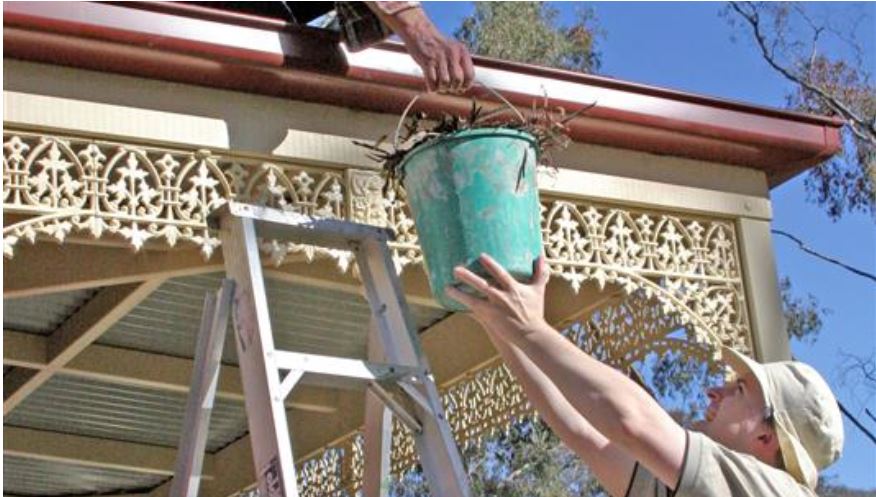
As Victoria’s weather begins to warm and we edge closer to an earlier fire season, the CFA’s message to those in high-risk bushfire areas is clear – prepare your property.
Victoria can expect a warmer spring, contributing to higher fire risk in parts of the state this season, according to the latest Spring Seasonal Outlook.
There are a number of simple tasks people can complete to reduce their risk this season, and now is the time to start taking action.
CFA Chief Officer Jason Heffernan said CFA crews right across the state are making every effort to prepare for this year’s fire season, but they need a collective community effort to reduce bushfire risk.
“Victoria is one of the most bushfire-prone areas in the world, so it’s vital for everyone to plan ahead,” he said.
“All it takes is some basic maintenance such as clearing your gutters, picking up loose leaves and twigs, pruning tree branches so they aren’t overhanging the roof of your property, or even just keeping your lawn under 10cm tall.
“High rainfall and moisture levels over the past 12 months will have led to vegetation growth on private properties, so it’s important to maintain your property through spring and into fire season.”
Chief Officer Heffernan also encouraged everyone to sit down with their family or household to discuss and practise their bushfire survival plan together.
“CFA has all the information you need on our website to create a clear bushfire plan with your loved ones,” he said.
“If you already have one, blow the dust off it and go over it with your family. Practising your bushfire survival plan could save your family’s life.”
Victorians can learn more about how to prepare their property at www.cfa.vic.gov.au/prepare, and for more about bushfire survival plan, visit www.cfa.vic.gov.au/bushfireplan.
Take the following actions to prepare yourself and your property:
- Move your winter woodpile away from the house or sheds.
- Prune tree branches so they are not overhanging the roof or touching walls.
- Clear your gutters.
- Keep grass shorter than 10cm.
- Remove leaves and twigs from around your property.
- Test anything that is part of your fire plan such as sprinklers, pumps and generators.
- The quickest and easiest way to register your burn-off is by using the Fire Permits Victoria website at www.firepermits.vic.gov.au/notify, or call ESTA on 1800 688 511.
- Make sure your household has a Bushfire Survival Plan. Find out how at www.cfa.vic.gov.au/bushfireplan.