


December 25th, 2024Glen, about the house
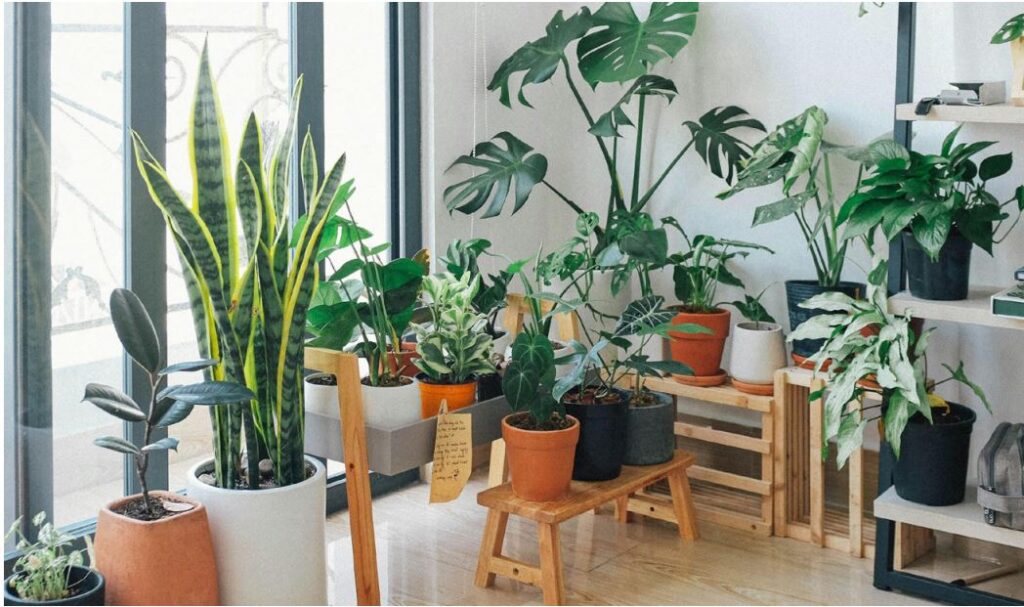
Not just for Christmas Like puppies and kittens, they’re to keep and cherish for their lifetime. I’m talking about house plants, because, with a little care and the right treatment and conditions they can be expected to last for years – especially if they’re presented in an attractive, decorated pot.
But it doesn’t stop with indoor plants. I’m yet to hear of anyone turning down a flowering shrub or garden ornament as a gift.
As an ardent last-minute panic Christmas shopper, let me tell you that there’s an endless supply of garden goodies to be had with all of the little nurseries, florists and gift shops scattered throughout our area.
Whether it be pot plants, garden ornaments or sculptures, the choice is all yours. If the choice is plant life, more than a little care is needed to select something that is both appealing and capable of surviving way past the euphoria of Christmas Day, so buy locally from the people who know and grow for themselves.
Obviously any gifted tree or shrub will yearn for the outdoors and should not be kept indoors any longer than Christmas/New Year before being released in the garden.
But the indoor varieties are a different matter and will mostly thrive if placed in front of a well-lit window, preferably a southern one away from direct sunlight.
Totally out of the sunlight is preferable for the soft-leaf ferns. Coming mostly from the depths of rain forests, they can tolerate longer spells of low light. But for other cool-climate species, early morning sunlight is fine.
Frost-sensitive plants such as poinsettia need the protection of double-glazing or a constantly warm room to survive the worst of winter. Take care not to overwater your plants, they are more likely to drown than to suffer from a few days without water.
Potted plants for indoors, or a sheltered spot on the porch or terrace, are always welcomed especially if they come in or with an attractive container.
Most homes have a well-lit spot indoors where indoor plants will flourish – but away from direct sunlight is best. These can range from ornamental foliaged plants such as ivy, sansevieria (snake plant), ficus, philodendrons or the vast range of ornamental ferns, many of which are native to Australia.
The all-time favourite saintpaulia or African violets are in bloom right now in a range of delightful colours from white to deep purple.
For outdoors, larger plants along with suitably large containers always make terrific gifts. For a cool, shaded spot, nothing compares with hydrangeas.
In sunny places plants grown simply for their attractive foliage include cordyline flax, conifers and the slender-foliaged, dwarf, weeping acacias.
Among my favourites would be the new range of fruiting miniature citrus trees and the ubiquitous aspidistra. Since Victorian times, through decades of ridicule and downright rejection, these stalwarts (especially the striped, variegated form) have survived neglect in dark, dusty corners to now rightfully claim their place of honour in our homes and gardens.
(Ed’s note: This is Glen’s last full column – he is finally taking time off to look after his health. But he has promised to keep in touch with a monthly Q&A column. So feel free to email him at glenzgarden gmail.com, and if you have enjoyed his many years of columns maybe send him a thank-you! I certainly thank him for all his hard work and wonderful pieces. Glen helped us get The Local off the ground! Our Godfather.)
September 3rd, 2024Glen, about the house
Pruning
In the last issue I began what I thought was a brief summary of pruning a couple of favourite deciduous, backyard fruit trees that would fill my page nicely. But after some judicious word pruning and deciding that as apples and pears needed the same treatment as do peaches and nectarines, I think we need some more words on pruning. So, here we go again.
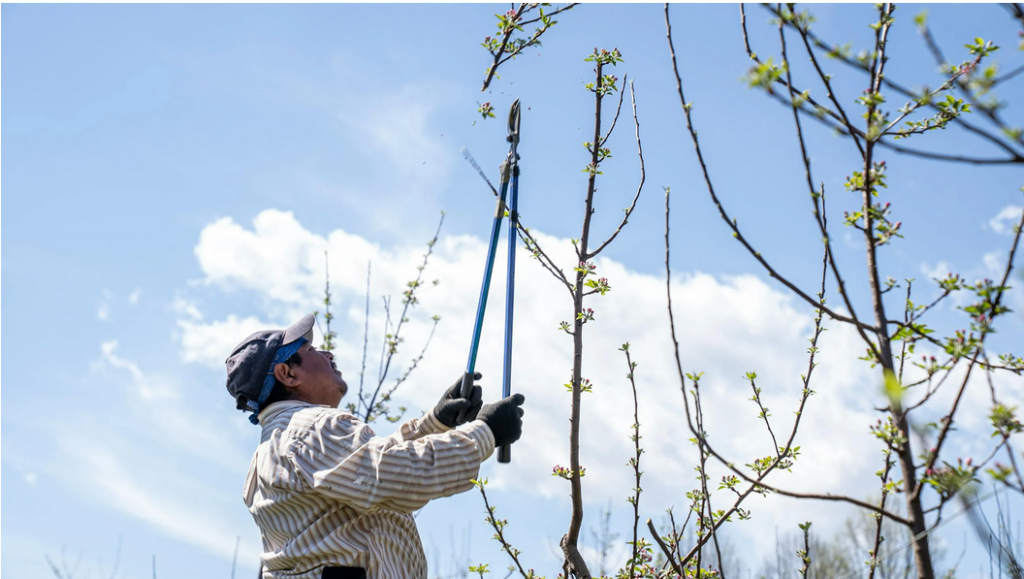
Fruit tree pruning – Part 2
Plums.
There are two kinds of plums, Japanese, which bear fruit on first year wood and spurs, and European varieties, which bear on spurs of two years and older. They vary in growth habits and other respects.
Japanese plums.
These are usually quick growing, early bearers and are either upright or spreading in growth, depending on their heritage. It makes no difference in their quality or quantity of fruit, just their garden space needs.
They all seem to do best on the open centre system. Most of the fruit buds are on short spurs in clusters and each has one blossom.
The two-year-old twigs can also bear fruit towards their base. Most of them are heavy bearers and often need a helping hand by removing or tying back offending branches until the fruit has ripened and is ready to harvest.
European plums.
These are more difficult to train, take longer to bring into bearing and are harder to keep going with cropping. Cross-pollination plays quite a big part here. The central leader combination shape comes most naturally to these trees.
Some, like the well-known prunes, do very well on the full central leader shape. The rest start up like this but then turn over to their own shape.
Almonds.
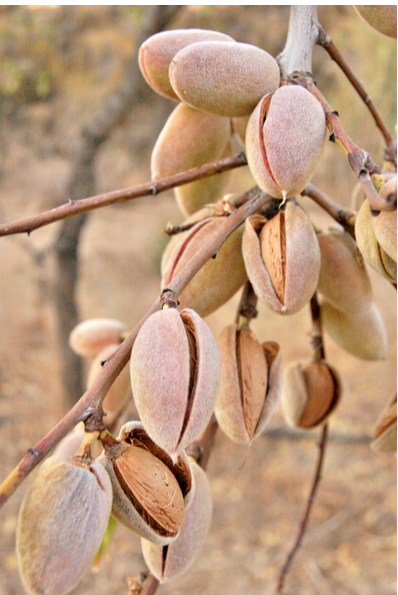
Almond trees are shaped, or more correctly, trained from the very start. This is very important to remember because they do not respond to either pruning or training.
Thinning is the only treatment they can take during their life cycle. They are trained – if possible – on the central leader shape in their own fashion.
Cherry trees.
There are no written rules for the pruning or training of cherries. They are one of the few trees which if left alone will form a perfect shape. Pruning, if ever done, will consist of removing a damaged branch, thinning out of too dense branches and getting rid of water shoots.
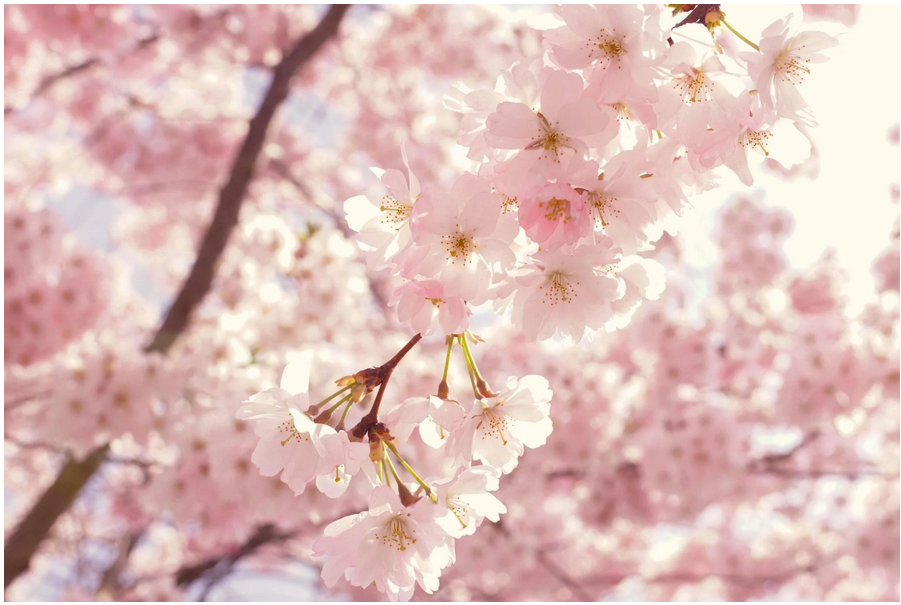
Fig trees.
These will grow in many varied shapes if not trained at an early stage. The main branches should not be cut back at the first pruning, only selected and allowed to develop further.
Figs can be grown most successfully on the combined shape so another crown can be developed above the first but then limit them to the open shape.
Figs grow fruit on the new wood, towards the tips, so no pruning should take place unless the tree is growing too straggly and spindly.
When this happens, shorten back half of these branches to a few buds one year and then cut the other half the following year. This pruning is best done evenly distributed each year, all over each tree.
Got a gardening query? Email glenzgarden gmail.com