


January 6th, 2024Glen, about the house
Beat the heat
Hot, dry summers can play havoc with your garden but if proper precautions are taken during its establishment and early stages of development, the summer months should be pleasurable and present few problems.
The first and most obvious step is, of course, to plant only those which are most suitable for your particular area and climate.
It is by far better to plant any tree or shrub that will grow well in your area, than a less hardy one simply because you like it better. A slow tour of your neighbourhood should be sufficient to give you a clue as to what would grow well in your garden.
By planting in stages, beginning with the hardiest varieties and allowing them to become established to provide shade and wind protection for the less hardy, it is then possible to grow a great range of colder climate plants.
Many native shrubs and trees are particularly well suited for this purpose since they have had millenniums of seasons to adapt themselves to the climate, the soils and, of course, the droughts.
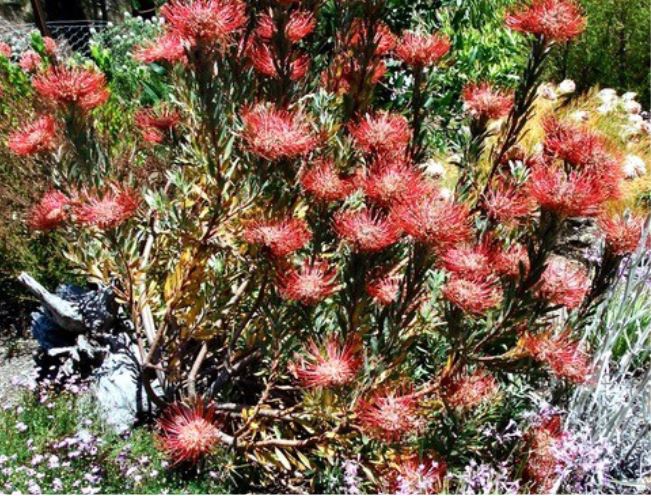
Amid the most versatile families are the melaleucas. They range from tiny shrubs to mighty 10-metre high trees. Although they all have the typical brush-like flowers the difference in growth habit and foliage is so vast that several of them can be planted without giving your garden a look of sameness.
Other similarly suitable plant families are grevilleas, acacias, banksias and the proteaceae group – such as protea, leucadendron etc. They are all evergreen. The second step is to make sure you are watering correctly.
To gain maximum benefit from watering, particularly during the hot weather, it is far better to water well, than to water lightly and often.
Remembering that trees and shrubs take in all nourishment via their root systems, it follows that it is best to supply their water directly on to the ground around their roots.
As well as maintaining soil moisture longer it will encourage tree and shrub roots to grow stronger and deeper.
Deep roots will find water and food for themselves and not become so reliant on frequent watering. This makes it possible to lengthen the period between watering – a great help when you are planning to get away on holidays.
Before the arrival of polypipe and micro sprays, it was necessary to control the delivery of water to each specific tree by digging a shallow moat around the drip zone or the outer periphery of the branches) and leave a slow running hose to fill the moat.
It is a rather precarious system requiring a good memory or an accurate timer to avoid under watering or the inevitable wastage of an overflow, to say nothing of the frequent trips out to move the hose on.
The solution is a garden-wide, easily installed, and relatively low priced, brown poly pipe system with inbuilt, non-blocking drippers.
They come in various length rolls, have plastic attachments to enable you to create your own network and require only a sharp knife or secateurs, pliers and a pot of hot water to soak and soften the tube ends.
Our large and rambling garden is now fully installed with six such systems, each on independent taps and the whole garden is watered in hourly stages ranging from one to three hours depending on the season and weather.
The length of watering needed can be judged by feeling the soil to a depth of several centimetres for dryness.
The frequency of summer watering can be further reduced by covering the beds and drippers (actually they’re really dribblers) to a depth of 4-5cm with mulch or compost such as pea straw, dried grass clippings, leaves, almond shells, sawdust or pulverised horse or cow manure.
Got a gardening query? Email glenzgarden@gmail.com
December 25th, 2023Glen, about the house

Not just for Christmas
Like puppies and kittens, they’re to keep and cherish for their lifetime. I’m talking about house plants, because with a little care and the right treatment and conditions they can be expected to last for years…especially if presented in an attractive, decorated pot.
But it doesn’t stop with indoor plants. I’m yet to hear of anyone turning down a flowering shrub or garden ornament as a gift.
As an ardent last-minute panic Christmas shopper perhaps resorting to “something for the garden” I know there’s an endless supply of garden goodies to be had from all of the little nurseries, florists and gift shops scattered throughout our area.
Now, if ever a range of gifts was waiting for you it has to be those destined for the garden. Whether it be pot plants, garden ornaments or sculptures, the choice is all yours.
If the choice is plant life, more than a little care is needed to select something that is both appealing and capable of surviving way past the euphoria of Christmas Day. So buy locally from the people who know and grow for themselves.
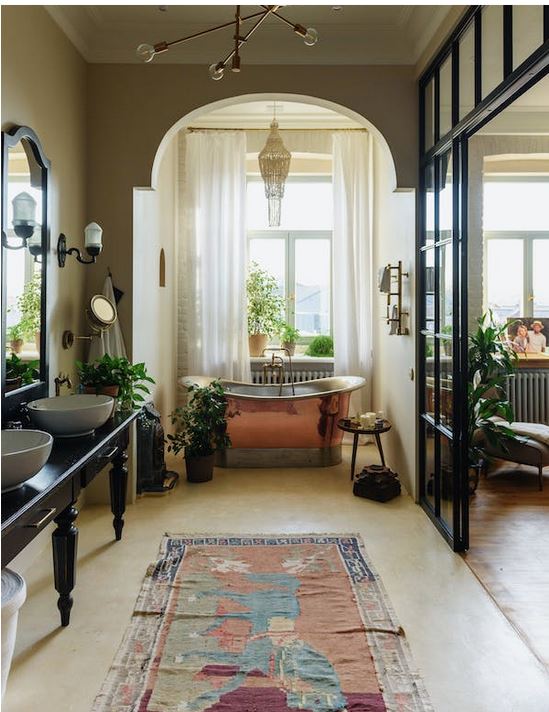
Obviously any gifted tree or shrub will yearn for the outdoors and should not be kept indoors any longer than Christmas/New Year before being released in the garden.
But the indoor varieties are a different matter. They will mostly thrive if placed in front of a well-lit window, preferably a southern one away from direct sunlight.
Out of the sunlight is best for the soft-leaf ferns. Coming mostly from the depths of rainforests, they can tolerate longer spells of low light. But for other cool climate species, early morning sunlight is fine.
Frost-sensitive plants such as poinsettia need the protection of double glazing or a constantly warm room to survive the worst of winter. Take care not to overwater your plants, they are more likely to rot off or drown than to suffer from a few days without water.
Potted plants for indoors, or a sheltered spot on the porch or terrace are always welcomed, especially if they come with an attractive container.
Most homes have a well-lit spot indoors where indoor plants will flourish but away from direct sunlight is best. These can range from such ornamental foliaged plants as ivy, sansevieria (snake plant), ficus, philodendrons or among the vast range of ornamental ferns – many of which are native to Australia.
The all-time favourite saintpaulia or African violets are in bloom right now in a range of delightful colours from white to deep purple. For outdoors, larger plants, along with suitably large containers always make terrific gifts.
For a cool, shaded spot, nothing compares with hydrangeas. In sunny places plants grown simply for their attractive foliage include cordyline flax, conifers and the slender-foliaged, weeping dwarf acacias.
Among my favourites would be the new range of fruiting miniature citrus trees and the ubiquitous aspidistra. Since Victorian times, through decades of ridicule and downright rejection, these stalwarts (especially the striped variegated form) have survived neglect in dark, dusty corners to now rightfully claim their place of honour in our homes and gardens.
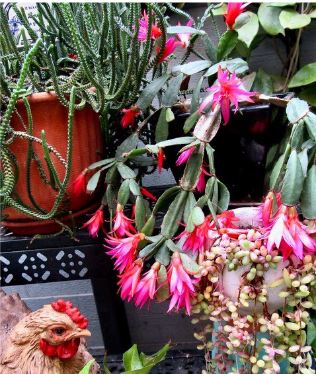
cactus” – hatiora gaertneri and “string of pearls” – curio rowleyanus, under
the supervision of a ceramic chook! Perfect partners and easily grown
Got a gardening query? Email glenzgarden@gmail.com
December 12th, 2023Glen, about the house
How refreshing the mere sight and sound of water can be – whether it be a lake or stream, or even a small garden pond – the calming effect is always there.
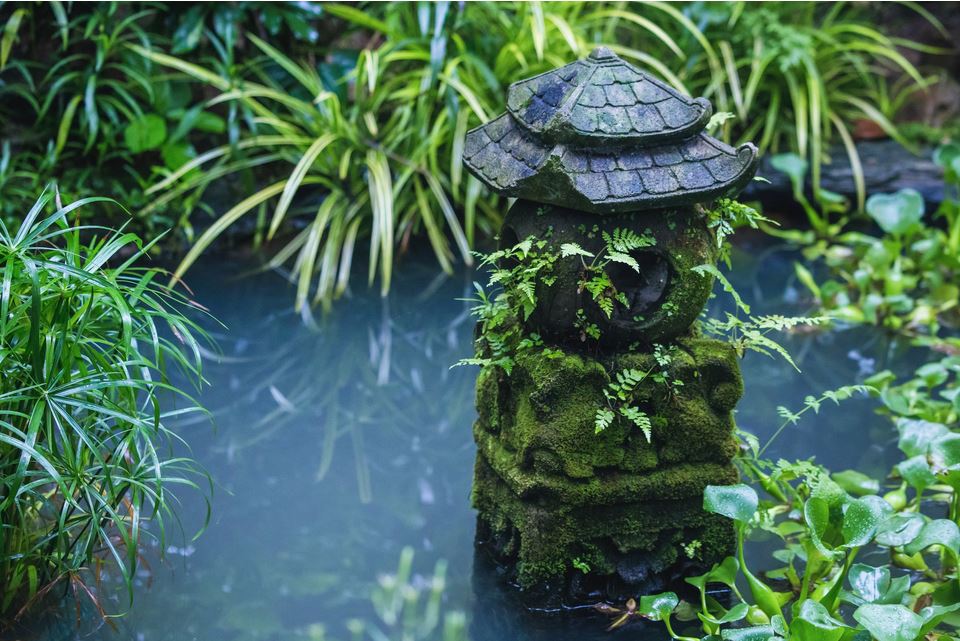
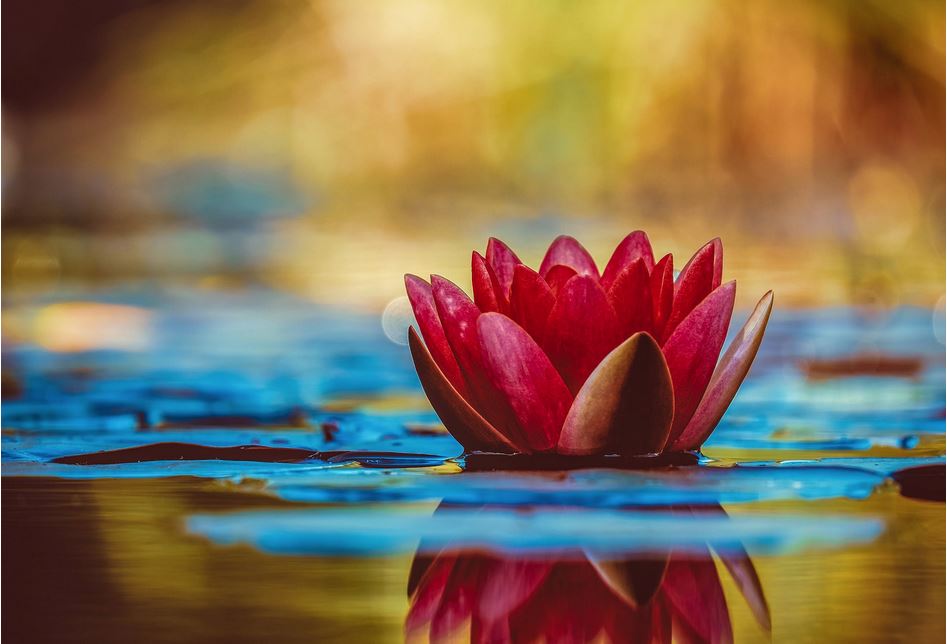
Like the pond featured here, an ornamental pool can add an attractive focal point to your garden and at the same time give you a chance to grow totally different plants…aquatics.
No matter how grandiose or simple the design, or what material you build it from, a pool full of water, fringed with plants and, if you wish, stocked with colourful fish will add beauty and joy to any garden.
Unless you have the space and desire to build a massive concrete or brick structure, your task is quick and simple.
Dig out a hole the size and depth in the shape you desire and line it with a large sheet of heavy-duty black polythene plastic. This can be filled with water to gauge the effect.
Once you have decided on a satisfactory size and shape, you can line the pool with a permanent material, or better still, go to your nearest outlet and buy one of the many different sized and shape-moulded fibreglass ponds. The larger ones are deep enough for fish and your aquatic plant life.
Make sure to situate your pond under or near overhanging trees, especially sheltered from afternoon sun. If you build your pool as part of a rockery, a very pleasing effect can be achieved by using a small electrical pump to circulate the water up to the top of the rocks to cascade and back into the pond. (A solar-powered pump requires no electrical connection).
No matter how well managed your pond may be, it should be emptied for regular cleaning. The best way of arranging this is to slope the bottom slightly to one corner and fit a plughole. Drainage can be made possible by running a gravel-filled trench down and away from the pool.
There are many forms of plant life to inhabit your pond including the ever-present water lily. These include cyperus (papyrus) or umbrella grass, various forms of iris, nymphaea (blue lotus) and azolla, the tiniest of the aquatics.
Azolla floats about on the surface of the pool, existing on nutrients it extracts from the water. It divides continuously and in suitable conditions will cover still water so closely that they have actually been used to prevent the development of mosquitoes.
The presence of plant life in and around the pond, such as ferns etc, not only enhances the setting but shades the water and narrows down the opportunity of plundering birds etc. It also helps in attracting such delightful little creatures as frogs.
The easiest and possibly best way to grow plants in ponds is to pot them into large clay pots or wicker baskets. The soil should be a fibrous loam, such as well rotted compost which has been mixed equally with well-dried cow manure – in the proportions of one part manure to six parts loam.
If you are not able to obtain cow manure do not use other animal’s because they may heat up too much and cause root rot. Instead, use a handful of blood and bone to a bucketful of soil.
Pack the soil firmly around the roots of the plants and cover the top with a 1-2cm layer of wet compost that is firmed down well.
It’s quite common for the air in the pots to make them bob around on the surface instead of settling in place, giving cause for you to indulge in an aquatic wrestling match as you hold them down until the bubbles of air subside. A most entertaining event for all but the participant.
Got a gardening query? Email glenzgarden@gmail.com

November 28th, 2023Glen, about the house…
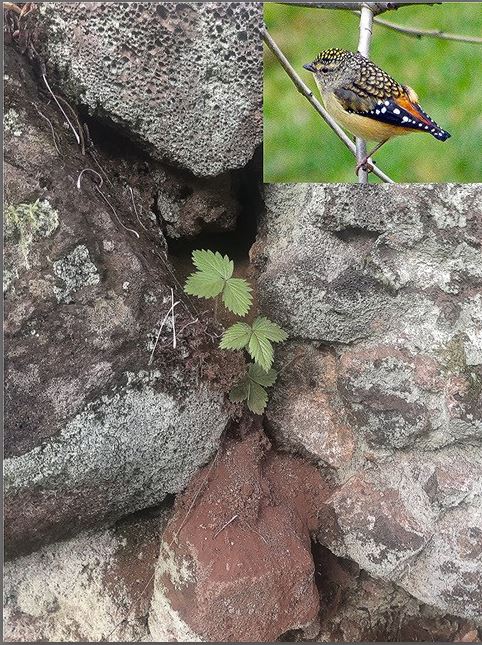
Mini minder – the spotted pardalote
Having been previously rudely dumped from their nesting place in under the corrugated iron roof of our house by larger, rowdy striated pardalotes, our beloved ‘spotties’ have returned for the breeding season.
This time it’s to a more traditional pardalote nursery – at the end of the newly dug, metre-long tunnel between the rocks of our garden wall.
So, we will soon be delighted by the sight and sounds of two beautiful avian families feeding on the insect pests of our eucalypts and other native plants.
Facelift for a centuries-old favourite
Since medieval times lavender plants have been grown for their aroma and supposed medical benefits. Lavender certainly featured in their perfumes. Dried flower heads are still being sewn into muslin sachets and placed in drawers to protect clothing from moths etc.
Nothing had changed much until recent years when clever botanists began to hybridise lavenders of every form to produce bigger, better flowers and add a rainbow of colours to the drab grey/violet palette of the three main garden varieties. So now each variety comes in a colour range from white to deep purple. These are:
English lavender (lavandula angustifolia) Actually native to the Mediterranean, its small flowers attract bees and butterflies. It’s commercially grown for its high-quality lavender oil and grows to 90cm with narrow grey-green foliage and flowers available in blue, purple, white and pink. It flowers from early to mid-summer.
French lavender (lavandula dentata) Also called fringed lavender, it is actually native to Spain. It is not as fragrant as other lavenders but its leaves do have a rich lavender-rosemary scent. Flowering from early summer through to autumn. In the garden, plant it as low, formal hedging in the same way you use box or as sculptural mounds on a bank. It’s great in coastal areas.
Spanish lavender (lavandula stoechas) This grows up to 60cm tall with deep purple, deep pink or white flowers, topped with upright tassels. It flowers from mid-spring to late summer.
As natives of the Mediterranean, lavenders are well suited to our growing conditions, and like their summers hot and dry, and winters cool. Only English lavender dislikes humidity, but other lavenders will happily grow in areas of mild humidity. They thrive best in well-drained, organically rich soil. So before planting, enrich the soil with compost, manure or organic fertiliser.
Lavenders are drought-hardy plants, so once established they only need the occasional deep soak during dry spells, to help them through the warmer months. Just don’t overwater – they don’t like wet feet.
Lavenders will thrive in a container as long as these conditions are met. The pot must have a good drainage hole and the soil needs to be well draining. The plant needs to receive as much sunlight as possible. You should water the plant thoroughly once or twice a week – depending on the weather.
Feed them regularly through the flowering season with a liquid fertiliser. After flowering, feed them with a general purpose, slow-release fertiliser.
Remove spent flowers and trim lightly after flowering. Once plants are established and the flowers spent, trim them back by up to one-third. This will rejuvenate the plants to encourage new growth.
Lavenders will make perfect low, compact hedges to border paths, lawns etc, their compact foliage and growth being enhanced at times of flowering, and the perfume enhancing the outdoors for much of the year.
Because of the variance in growth habit and height between the various forms it would be best to keep to a single variety in each stretch of the hedge. Got a gardening query? Email glenzgarden@gmail.com
November 13th, 2023Glen, about the house…
Q & As
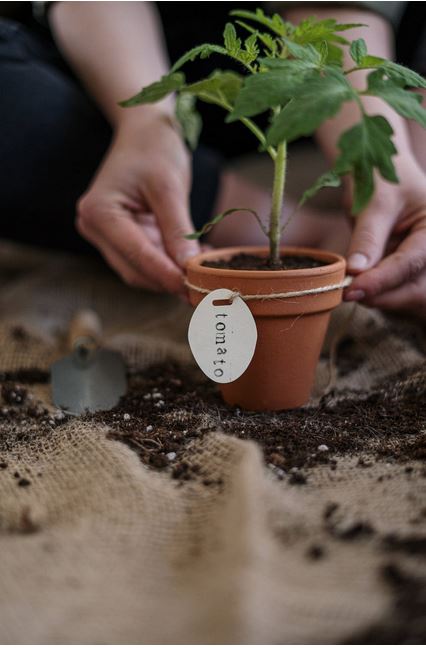
Hey Glen, I have a batch of healthy young tomato seedlings, almost growing out of their pots. Now the weather has started to warm up, would it be safe to plant them out now? If not, then when? – David, Hepburn
Coming, as they do, from the sunny Mediterranean, young tomatoes can be damaged by chilly night air like we are getting now. Unless you have some form of protection for them until the weather turns, I would suggest you hold off for a while.
In the meantime, bring them out of doors during the sunny hours and reduce their water uptake. You should find their main stems will darken to purple. That will tell you they’re ready to take on any cold snap.
Hey Glen, I have an interesting problem with my three-year-old lemon tree. A few months ago I noticed a very healthy new growth coming from the stem just below the main stem. I wasn’t concerned until I noticed it was putting out long spikes and much larger leaves. Should I encourage this new growth, or is it going to take over? – James, Kyneton
Sorry to tell you James, but the original plant, which happens to be a wild lemon, has got bored and decided to take over control. You can fix things by simply cutting it off, right at the main stem. Clean up the wound with a sharp knife and smear it with Vaseline or some other antiseptic cream.
Pruning citrus
Spring is the prime citrus clean-up time of year, the time to remove weak and spindly growth, dead wood and, of course, invasive foreign growths.
As citrus trees grow they tend to accumulate dead, woody twigs and light growth towards their centre. By using a sharp pair of pruners and a little patience, you can open up the tree and allow plenty of sunlight in, thus preventing the build up of diseases, moulds and insect pests that normally thrive on weak, shady growth.
Do not take too much growth from the top or centre of the tree, because citrus prefer a healthy cover of leaves all over as protection from the scorching rays of the summer sun.
Help your trees to health
Healthy trees growing in their native habitat seldom suffer seriously from insect attack. The tree’s inbuilt defences and the insects’ natural enemies provide a balance. But when the trees are taken out of their natural environment, that balance is lost. Some insects, such as the gumtree scale, can multiply to the point where they can cause serious defoliation and, sometimes, kill the tree.
It becomes necessary in an artificial environment, to help nature control those insects before they reach plague proportions.
If and when insect activity is noticed on a tree or shrub, the insect should be properly identified before any control is attempted. Natural controls, such as disease and predators, may prevent serious damage. Insecticidal sprays applied wrongly or at the wrong time may do more harm to the natural control than the pests. If the insect is no longer present, sprays will be useless and other harmless, beneficial species could be needlessly killed.
The presence of some insects, such as borers, often indicates a reduction of the health and vigour of the tree. These insects enter trees dying from old age or trees damaged by humans, or natural factors such as drought, frosts, wind or intense summer heat. When the insects are finally discovered in those cases it may already be too late to save the tree.
Got a gardening query? Email glenzgarden@gmail.com
October 29th, 2023Glen, about the house
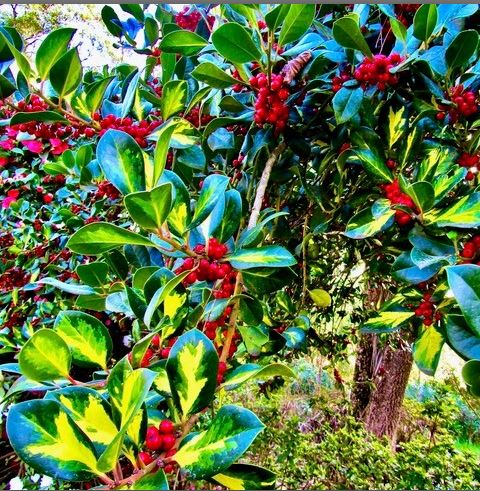
the variegated ilex altaclerensis family, thriving at the Wombat Hill Botanic
Life with El Niño
In normal years we usually expect days of rough and windy November weather. So who can tell what this year will bring? Apart from broken branches caused by the sheer force of the wind, many plants suffer splits and abrasions from being battered against buildings and fences.
Fractured, split and weakened branches should be completely removed or cut back to a point of healthy wood. Dead wood should be removed completely.
You will probably notice that the twine or string used to secure fragile branches to
stakes or other supports has caused rubbing or chafing during strong wind. It may be
necessary to remove any badly affected branches.
Less damaged ones will benefit from a dressing of pruning mastic – sterilising paint or petroleum jelly over their scrapes and cuts, to seal the wounds and aid the healing process.
Old pantyhose are one of the best materials for tying up plants as they do not
cause chafing and their resilience allows some natural movement in the plant.
Young trees, particularly in heavy, sodden soils, may have been blown about so
that their roots have been damaged and the tree now rocks. Look carefully to see if
your young plants need staking, or perhaps, even restaking.
It’s far better to use three evenly spaced stakes around plants, than just one. With a loop that passes from each stake and around the main stem, allowing about 5cm of movement each loop, the tree is able to move minimally and will be almost self-supporting.
Usually trees completely supported by a single stake placed right up to them become totally reliant on that stake and likely fall over if the stake is removed. That’s if the stake itself hasn’t become loose and floppy.
Water the key to success
Gardens can be damaged as much by incorrect watering as they can by lack of it. Fresh green lawns and lush, healthy flower beds can be maintained year long, even through times of drought, by regular feeding and maintenance. It is the way the garden has been watered that holds the key.
Prolonged hot weather can place plants under great stress if the moisture supply
isn’t kept up to their feeder roots, but the problem isn’t necessarily lessened in the
cooler months if the plants aren’t being watered correctly. The first point to remember
is that it is the root system that takes in the water supply for the plant, so there is little
point in supplying water anywhere else but on the ground.
Drip watering systems are most successful because they supply all of the plant’s
needs directly to the roots, and use less than half of the amount of water needed for a
sprinkler or hand-held hose to do the same job.
Thorough watering is best as it encourages deep, strong and self-sufficient roots. A heavy watering once or twice a week – depending on the weather – is far better than frequent surface waterings that encourage developing root systems to grow close to the surface in anticipation of the next supply.
It is best to water early in the morning so the moisture can soak in before the sun’s drying rays can take effect. This is even more important in the heat of summer. If you are using sprinklers, much of the water will have evaporated before it reaches the ground.
Even more importantly, If you are using sprinklers, watering in the evening or
night builds up humidity in the lawn and garden beds and aids in the spread of
fungal disease. Gardens Got a gardening query? Email glenzgarden@gmail.com
October 2nd, 2023Glen, about the house…
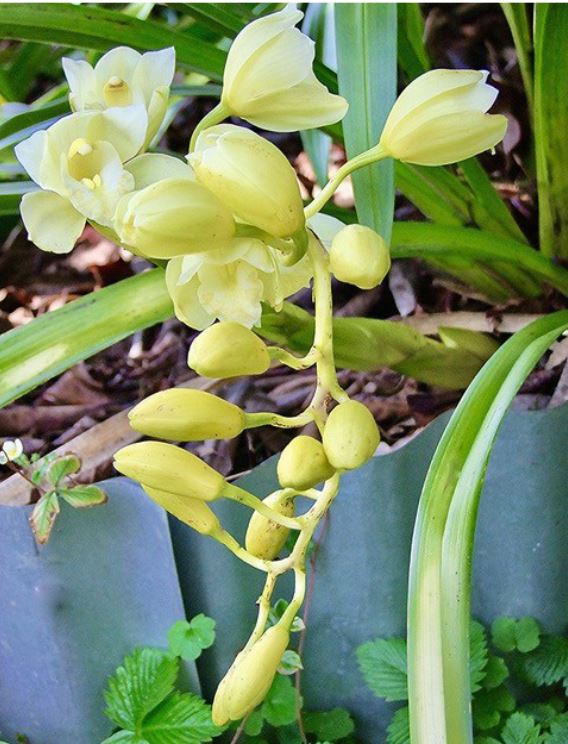
Reincarnation – hardly… But it is the story of revival of a long-discarded orchid. Some 11 years ago,
we inherited several pot-bound cymbidium orchids. At that time, still busily re- establishing our newly acquired garden, I merely removed the dead growth and buried them in “the mosh pit” – a raised compost and peat moss etc-filled bed, under a shady, old rhododendron – destined to be our fernery.
Over the years, nothing was to be seen of them, except for the occasional peek of a puny leaf or two, but never a sign of actual growth or flowers. That is, until several months ago, when we discovered among the clump of leaves, the beautiful display of blooms, pictured above. Among the multitudinous forms and species of orchids, including countless ones of our own, the cymbidium tribe stands out as an all-rounder for those of us greenhouse-less non-fanatics. Especially the terrestrial, down-to-earth varieties which will survive in any shaded garden position or as a porch plant with plenty of light, but not in direct sunlight.
The cymbidiums are one of nature’s hardiest. Their ancestors, coming as they do, from about 1200 metres up the mountains of Northern India. They require a slightly acid, potting medium but won’t tolerate soil or dirt, preferring a free-draining mixture of compost, consisting of such things as well-rotted sawdust, peat moss, rice hulls and wood chips mixed with sand. Feed them fortnightly, with light dressings of complete fertiliser, especially when they are producing flowers.
I’ve often been asked, always by (as yet) non-orchid enthusiasts, what is it that makes orchids the most satisfying of all plants to grow. I always find this difficult to answer but all I know is once they have grown a plant or two, most people seem to become hooked and under their spell.
It seems that once the taste is acquired, few growers are content with just a handful of plants, or to be restricted to one or two types. And that’ll always lead into the varieties that require a small glasshouse, and ultimately a heated one. But that’s a story for another day.
I’m content for now with our rescued cymbidium in the mosh pit.
Your indoor plants
Now that the weather is warming and the days growing longer, your plants should be coming out of their dormancy and interesting things are happening.
Philodendrons should be growing rapidly, monsteras uncurling their new leaves, and all the smaller-growing coloured plants beginning to come out of hibernation and really enjoying life. I’m sure you would have done your best for them all over winter and now comes your reward, when your indoor garden is becoming a thing of beauty again.
To their usual requirements of careful watering, sufficient light, warmth and protection from draughts and sudden changes of temperature should be added, feeding. Because your plants are captive in their container, their roots can neither go searching for extra sustenance if the supply is poor (or even non-existent), or escape the burns of over-diligent supply, even worse, an all too potent brew. I find the pellet form of all-purpose plant foods best. They are clean and non- smelling (a good trait for indoors), and slow acting, meaning that if you are too enthusiastic with the dosage, overfeeding is nigh on impossible and the plants will benefit for a considerable amount of time. Never feed a plant when it is dormant, wait until there are definite signs of new leaves and growth.
Next edition – battling El Nino. Got a gardening query? Email glenzgarden@gmail.com
September 19th, 2023Glen, about the house
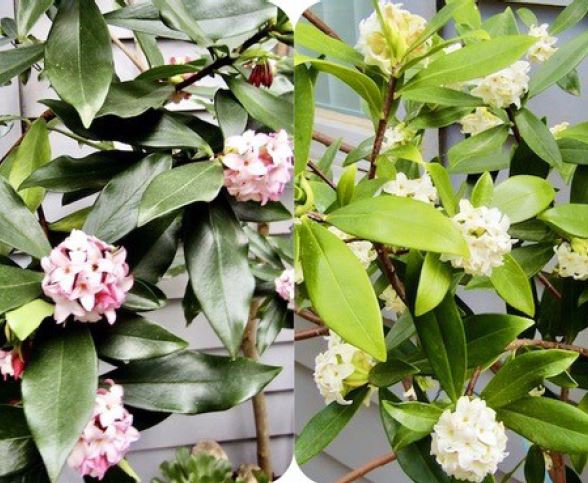
How sweet it is – daphne odora and odora alba. Although often considered tricky to grow, the supposedly finicky daphnes will certainly earn a place in your garden even if it’s only for the sweet perfume or as a finishing touch to a bouquet or vase display.
In fact, given the right conditions – a cool semi-shaded position with protection from any hot afternoon sun or frost in a well-drained, humus-rich soil – they will flourish and reward you with long-lasting flowers galore.
Slow growing and compact, they need little in the way of pruning other than removing any damaged stems, or an occasional light, shaping trim. A regular picking of flowers for indoors will take care of that.
A major consideration is they dislike being over- or under-watered or having their roots disturbed. A regular dressing of liquid seaweed solution and top dressing with well-rotted cow manure and compost seems to be all the fertiliser they need.
You will soon know when your daphne is uncomfortable, that’s when the usually shiny, rich green leaves turn a little yellow or droop. Curling leaves indicate the presence of aphids or some other leaf-sucker.
They will normally grow to about one metre high but we inherited ours as a pair of ancient drought-ridden skeletons, sprawling up the eastern wall of the house.
A decade of TLC and serious pruning and we now have two flourishing two metre high, reasonably happy daphnes.
Daphne odora, or any other of the 70 other members of the daphne tribe, can be successfully grown in containers, enabling them to be grown in the best conditions.
The pots should be well drained and the potting mix kept moist but never dry or wet, and kept in a cool spot out of direct sunlight. So a shaded porch or under a spreading evergreen tree would be perfect.
Daphnes are reasonably slow growers so don’t need to be repotted very often and that’s just as well because, as mentioned, they’re rather finicky about having their roots disturbed.
Perennial division
Such early flowering species of perennials as iris, shasta daisy, etc, are best divided in autumn to give them time to become re-established before forming new flower buds, but those which flower from midsummer onwards will do well if divided now.
The easiest way to divide a large clump is to use two digging forks – one from each side, obviously best if done by two people. Lift the whole clump, then place the two forks (back to back) into the centre of it, then lever the forks apart and the clump should part with the minimum of damage to the crown or roots. A spade can be used, but there is a chance of collateral damage.
Pull apart all the individual plantlets, and obviously divisible segments with usable roots, and set aside for replanting. If the clumps are very large, discard all but the youngest and sturdiest outside shoots, as those from the centre are likely to be weak. You could, of course, plant the best of those up either as reserves, or to pass on to gardening friends.
When replanting perennials put them into soil that has been well fed. Plenty of compost plus a handful of organic fertiliser will keep them going for another year. As the tender young growth will be particularly attractive to slugs and snails, scatter a handful of bait among the crowns. This applies equally to any clumps which are not being divided, and in the case of delphiniums.
Got a gardening query? Email glenzgarden@gmail.com

August 21st, 2023Glen, about the house
Cleaning up the climbers
Last issue I covered the winter pruning and tidying up of bush roses and, obviously those tall-stemmed standard ones. This time, we’ll have a look at your rampant climbers and naturally assume they are growing on a trellis or fence for support.
The pruning and management of climbing roses is a different matter altogether because they produce two entirely different forms of growth.
The first is the vigorous, long canes that usually grow in summer and autumn, often without any sign of a bloom. These canes form the initial framework of the plants and as many as possible should be tied in a convenient horizontal position before you resort to cutting any of them out.
The other growths are the shorter flowering spurs that shoot out all along the climbing cane during the following spring. These give the main display and should be cut down to about half their length after each flowering.
Some roses only flower in the spring, especially such climbers as Paul’s Scarlet and the white and yellow banksias. These are pruned after flowering by shortening back the flowering growths and removing any worn-out branches. Any new long canes that appear should be tied into place.
Hygiene
It is more than likely that the cold and wet weather will encourage the spread of fungus and such virus diseases as blackspot and rust so it’s important to minimise any chances of transmitting them from plant to plant on the secateurs or saw blades. The solution is to dip the tools in some form of household disinfectant before moving on to the next plant.
Those seemingly ever-present pests, aphids and spider mites, are in the old bark, leaves and soil around the plants in winter, so it’s imperative to foil them by clearing any fallen foliage and branches from around the plants. If you wish to discourage any intended attacks on the new growth, spray the plants with one of the many available non-toxic organic pesticides such as Neem Oil to give the new growth a healthy start.
A rose by any other name
As if about 300 species and literally thousands, and growing, varieties of the rosacea tribe, isn’t enough to be labelled rose, there are scores of other plants with similar dog rose-like blooms, lining up for the title. Take, for example, the cistus and even our native bauera rubioides.
Admittedly, most of them are beautiful in their own way and fully deserve their place in any garden, but it can be confusing if you don’t also have that botanical name to distinguish them.
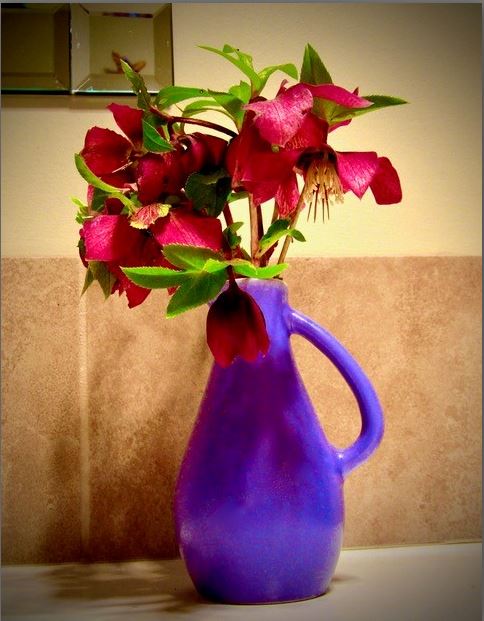
And so we come to the beautiful specimen pictured above. Its botanical name is helleborus orientalis, one of the many beautiful samples of what are called either winter or lenten rose, depending on where you live and I suppose whether the flowering season coincides with the celebration of Easter.
The title helleborus covers a vast number of both evergreen and deciduous perennial clump-forming flowering plants of the ranunculus tribe that originated mainly in Greece and Turkey.
Their greatest attribute is that their flowering is at their best in the midst of winter when the rest of the garden is asleep and they provide some welcome colour to those dreary winter days.
Helleborus orientalis, the most popularly grown evergreen species varieties, grow to around 50cm high, about 60cm wide, and do well in our temperate climate.
They prefer deep, well-drained soil but will adapt to most soil types except wet clay. They thrive in light shade. To keep them growing and happy, feed them with a light dressing of a balanced, complete fertiliser in late autumn.
Got a gardening query? Email glenzgarden@gmail.com
July 23rd, 2023Glen, about the house…

Gardening was far from the minds of the early European settlers of this wide brown land. Survival would most likely be the word as they broke their backs clearing and working their plots for sustenance.
When it came to actually planting a garden, they chose anything that would remind them of home.
Even when civilisation came to town, street trees and garden beds were planted with familiar trees and shrubs, native shrubs were considered scrappy and colourless. Oaks, elms, plane trees and the odd flowering prunus flourished.
It wasn’t until the late 1950s that indigenous trees and shrubs really began to take hold. Thankfully these days, almost all civic plantings are of native origin. So it was with any public celebration of trees in Australia.
The first Australian Arbor Day was held in Adelaide on June 22, 1889 when literally hundreds of trees were planted throughout the surrounding parklands.
In my case I took part in the ceremony of tree planting. My father used to donate a batch of trees (never native) to my school – usually flowering prunus, crab apple or cherries.
He never took up the offer of also providing the accompanying words – the role was given to me. I shouldn’t complain – it was probably the key to my career in radio talkback.
School Arbor Days have suffered spasmodic doldrums since then so it’s great to acknowledge the wonderful coming on Sunday, July 30 of National Tree Day 2023 – preceded by Schools Tree Day on Friday, July 28.
In the image is my Victorian-born wife, Peta, centre behind the flag. She rummaged through her photographic library and found this relic of her school’s 1961 planting ceremony.
Pruning time for roses
Prune your roses and deciduous trees now. Keep in mind the ultimate size and desired shape of the subject and make each cut sharp and clean, near to a plump growth bud pointed in the direction the branch should grow, toward open space. Avoid selecting buds that will form crossed branches.
When you have finished pruning and cleaning away the cuttings, treat all the ends and wounds with tree pruning paint or something similar to prevent any infection.
Got a gardening query? Email glenzgarden@gmail.com
July 10th, 2023Glen, about the house
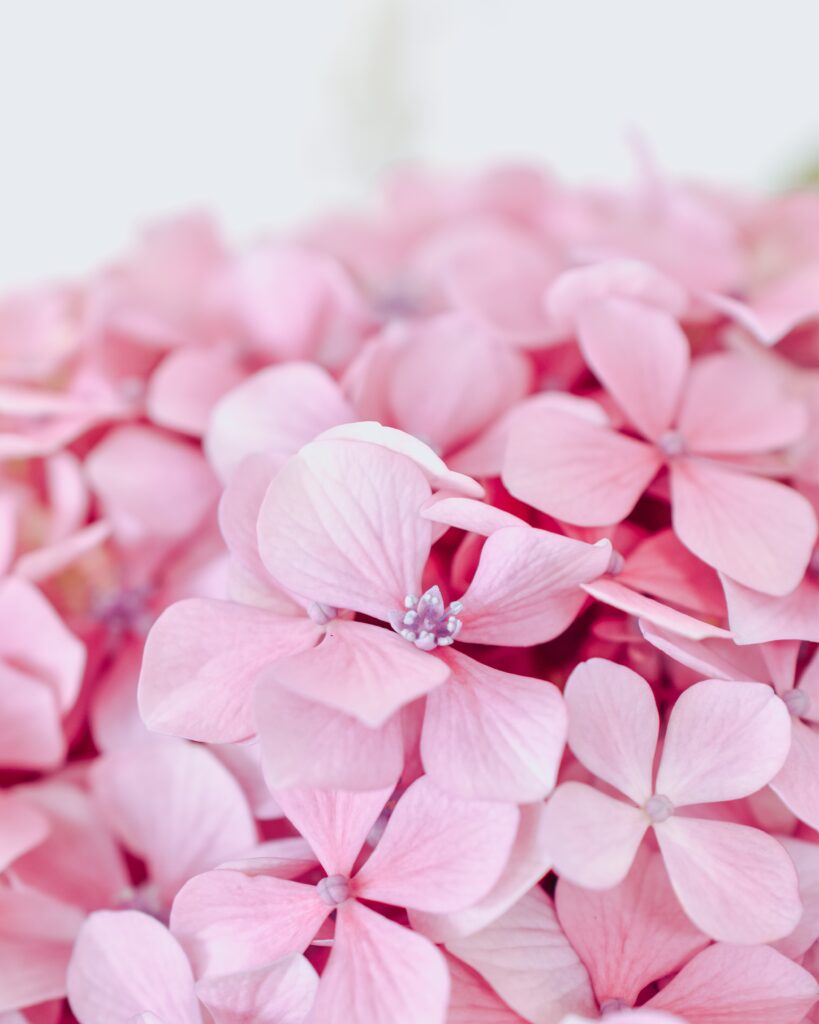
Dwarf hydrangeas
Our 2008 move across town, from The Coach House to our present house, gave us the opportunity to
restore a tired and drought-ridden, multi-level hillside property.
The clusters of elderly eucalypts, rhododendrons, camellias and photinias, and random stone walled
terracing, told us it had once been a beautiful garden. It also gave us the drive to bring it back again – and take it a few steps further in planting many other shrubs that would have been popular back when.
Unfortunately, we have never been able to find a suitable spot or space for the one shrub Peta desires, a hydrangea. And that is although hydrangea, or to call them by their botanical name – hortensia – are among the easiest of the flowering plants.
But they grow into enormous shrubs, almost small trees, and in their early years need shelter from direct sun away from hot winds and almost constantly-moist soil.
Their young growths and leaves are soft and sappy. If in their early years they are subjected to hot, drying winds and/or summer sunlight, they will collapse and wilt no matter how many times they’re watered.
It isn’t as though our garden beds are lacking in shady spots. It’s just that they’re either open to the north winds, or just not large enough to accommodate a huge shrub, and we are located on a clay-bound ridge of non-porous soil commonly known, I believe, as Lizard Country. Thus leading to working over it with lots of mulch and composted loam.
But we do have several narrow east-facing beds along the front wall suitable for small shrubs. And just by chance when visiting the Ballarat Botanical Gardens with friends, we spotted a display of plants for sale at the entrance of the Begonia House.
They were from the adjacent nursery and included a range of several varieties of dwarf hydrangeas.
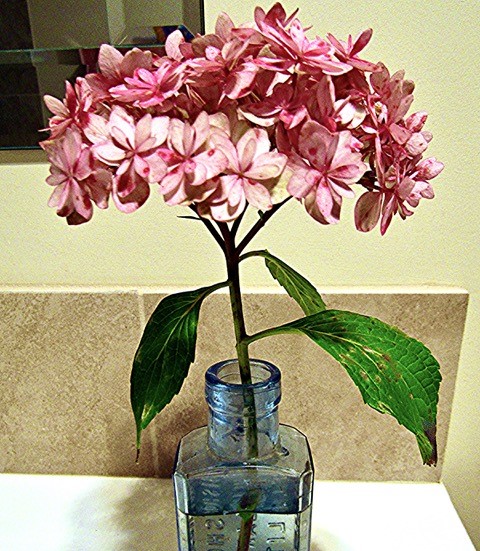
Needless to say, a subsequent trip to the gardens, and of course the nursery, resulted in a sizeable collection of dwarf hydrangeas now gracing our garden, one of which, named pistachio, has already flowered. (Pictured.)
There are now dwarf versions available of most hydrangea varieties, mostly with similarly large flower clusters as their bigger cousins. The only difference is the smaller foliage and a maximum height of about one metre. Also, like the large varieties, the flowers can be either blue or pink, depending on the acidity of the soil.
Fans of the oakleaf hydrangea, H.quercifolia, will be pleased to hear that there is also a dwarf version entitled Pee Wee, which also grows to a mere metre in height with all of the characteristics of the standard sized variety.
Ballarat Botanical Gardens Nursery
Just like at our own Wombat Hill Botanic Gardens, a dedicated band of volunteer Garden Friends cherish and maintain the Ballarat Botanical Gardens, raising funds by propagating and selling the progeny of the many, often rarely-seen plants, growing around them. The nursery is open 1-4pm on Tuesdays and every second Sunday.
I was delighted to find on a previous trip an unknown (at least, to me) white flowering variety of the orange flowering plant, leonotis leonurus, or Lion’s Tail. I have always had a rather sentimental attachment to this plant. As a child of about seven, helping my grandfather with the cuttings, I learned and memorised my first ever botanical plant name.
I’ve never forgotten that name because it was the key to my life-long interest, not only of plant life but the derivation of the words we use to identify them. I’ve had a leonurus in every garden since – and now there are two.
Got a gardening query? Email glenzgarden@gmail.com
June 13th, 2023Glen about the house…
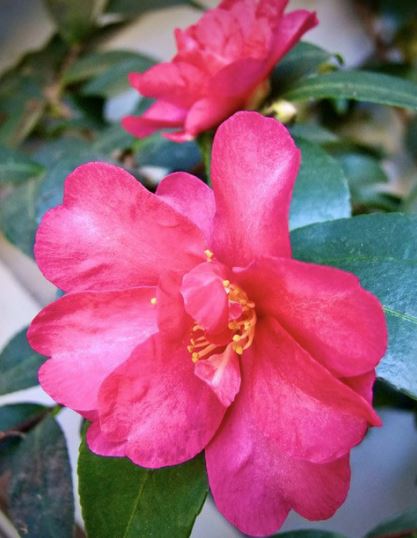
The autumn-flowering sasanqua camellias, such as the beautiful pink Hiryu (pictured), have seemed to be overshadowed by their larger, bolder camellia japonica cousins. It’s unfortunate that a plant, to some extent, seems to be judged by its name, or perhaps, appearance.
My plant-wise old grandfather once told me: “Had the sasanquas belonged to
any other family of plants than camellias, they would be among the most popular
flowering shrubs of our time.” It made little sense at that time, but I grew to
understand and agree with him.
I certainly believe they are no less spectacular than than their cousins – and my
small collection of camellias are all sasanqua! With sasanquas, the leaves, and bush are
much smaller and daintier, as are the flowers.
Flowering begins in April and extends through May and into June. Although
small, the flowers mass themselves on short stems in a blaze of colour. They lend
themselves ideally to training and the taller-growing ones can be most effectively
grown as a hedge, or espaliered against a wall or hedge. The smaller varieties thrive as
tub plants.
All camellias are semi-shade loving plants that will grow well in full sun, provided
that they never become dry and a good protecting mulch is maintained throughout
summer.
However, the flowers will last longer if some shade is provided. Under deciduous
or light-foliaged evergreen trees are good places. Tub-grown plants – being movable –
can have the benefit of full sun during winter and semi-shade in warmer months.
Uniform moisture, a porous soil well supplied with humus, and good drainage
all make for successful growth. Camellias need a neutral or acidic (non-limestone) soil
to thrive. Never let a camellia plant become dry. In their natural habitat 180-200cm
of rain per year is the order of the day.
This rainfall occurs over very well-drained soil, so be careful not to over-water in
heavy soil. But always give a good watering so that harmful salts etc, may be taken
right past the roots.
Frequent light waterings only help build up surface roots which may be in the
water. Besides the plants would be very prone to drought damage.
On very hot, dry days spray over the foliage several times to raise the humidity.
Always maintain a substantial coverage of mulch during the summer months.
This is a great help in keeping the surface of the soil cool and an aid in moisture
conservation.
Do not cultivate around your camellia plants. A good 5-6cm deep mulch will
prevent weed growth but it also attracts surface feed roots. If these are cut about with
hoeing, the plant will suffer.
If you’re gardening in the limestone area, a small amount of iron chelates applied
once or twice a year will compensate. It isn’t a fertiliser but is making it possible for
camellias, boronias, ericas, daphnes and a whole range of trees to be grown where it
has normally been impossible.
Now is the time to purchase your new camellia plants, while they are flowering.
Some nurseries have blooms of the ones they have in stock, on display to aid you in
your purchase choice.
And now, some exciting news for Mrs Heyne. Now is a good time to plant out
those gifted, gladioli bulbs. Plant them in an open, sunny bed in well-drained soil.
When planting, surround each bulb with a handful of clean sand. As well as
keeping the bulb clean it makes it easier to remove them when it comes to the time to
lift and store them for their next season.
Got a gardening query? Email glenzgarden@gmail.com
May 17th, 2023Glen, about the house…
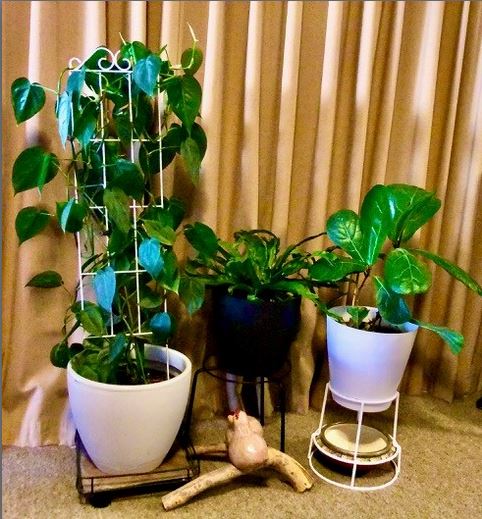
Indoor plants in winter
Many gardeners who have started a collection of indoor plants – like the
philodendron scandens, birds nest fern asplenium nidus and fiddle leaf ficus lyrata
– pictured above – and done well with them through summer, could be disappointed when
they suffer quite badly once the chills of winter are upon us.
Here’s why, and a few hints on how to avoid the worst of it.
Most of the plants we grow indoors originate from tropical and sub-tropical regions where winter temperatures are moderate and humidity relatively low.
Unfortunately this doesn’t apply to the greater part of Australia where
temperatures are generally rather low and the atmosphere is damp to dripping wet.
Added to this, the plants have invariably come straight from the warmth of an
often heated glasshouse, or in the case of the large chain stores, direct from NSW
or Queensland in a van, and will need some help to acclimatise. But more on that
another time.
It is under these conditions that indoor plants suffer most, usually from over-
watering and lack of light.
During the summer months the moisture content of pot soil will drop within a
few hours of watering, even in poorly drained soil, so the plant is unlikely to suffer
from wet feet.
In winter however, water stays in the soil much longer, leaving the plant open
to infection by root rot and other diseases brought about by micro-organisms.
Symptoms of over-watering are a general yellowing of the plant and drooping, and
the eventual dropping, of old leaves.
There is only one correct way to water plants during winter – or indeed
throughout the year – and that is to give them a good soaking drink when, and only
when, they are dry. Allow the water to soak right down through the soil and when the
soil is completely dry, soak it again.
When potted plants are watered lightly and frequently it is almost impossible to
assess their needs. Although the top soil is kept damp, the lower part where roots are,
could be either always dry or always wet. Both conditions are equally deadly for plant
life.
Other possible causes of leaf drop, especially at this time of year, are a sudden fall
in room temperature or fumes from gas fires.
Wherever possible, always place your plants in the best lit position away from
draughts.
Don’t feed them now, until the arrival of warmer weather because their need for
sustenance decreases until the arrival of spring. Unused fertiliser will only build up in
the soil and can cause root damage.
One of the few exceptions to this rule is the cyclamen, most of which would be
commencing growth and will need feeding as their flower buds form. Avoid repotting
until spring. They will take hold of the new soil much better when the new root
growths are developing.
A good spot to place indoor plants which appear to be suffering in some way
is in your bathroom. Here the steam from showers etc, raises the temperature and
humidity to a degree closer to that encountered in their natural habitat.
Keep their foliage clean and dust free by washing them with rain water or placing
them under the shower using the cold tap and a light pressure.
Keep a close watch for mealy bug or scale and treat them at the very first sign
because a very severe infestation can build up rapidly when plants are growing in a
warm, dry environment.
Got a gardening query? Email glenzgarden@gmail.com
April 18th, 2023Glen, about the house…
Get to know your garden’s friends
From the time Peta and I took over the drought-ridden property that became
our home, we were determined to “practise what I preached” in all my writings and
broadcasts – throw away those chemicals and let nature take its course.
The resultant health issues through growing up and working amid a chemical
saturated, family nursery taught me that simple message.
Rachel Carson’s terrifying treatise on the destruction of wildlife through the use of
pesticides, Silent Spring, was the final decider.
In the 15 years since we moved in, we’ve been delighted with the steadily
increasing number and varieties of the avian and predator insect life. Thankfully it has
also coincided with a dramatic decline in sap suckers and leaf chewers.
The bug hotels and other residential attractions and spider-web tolerance are
beginning to pay dividends, it’s now our second year of aphid-free roses and our
birdbaths are in constant demand.
The parrot nesting box has, for the third year, become a weekend retreat for a
ringtail possum, and our slug and snail population is taken care of by Lennie the
neighbourhood shingleback lizard.
So let’s all learn to identify, protect and encourage our resident predator insects to
administer their own form of biological pest control. In some countries people have
to buy them commercially to help keep their gardens and crops pest-free.
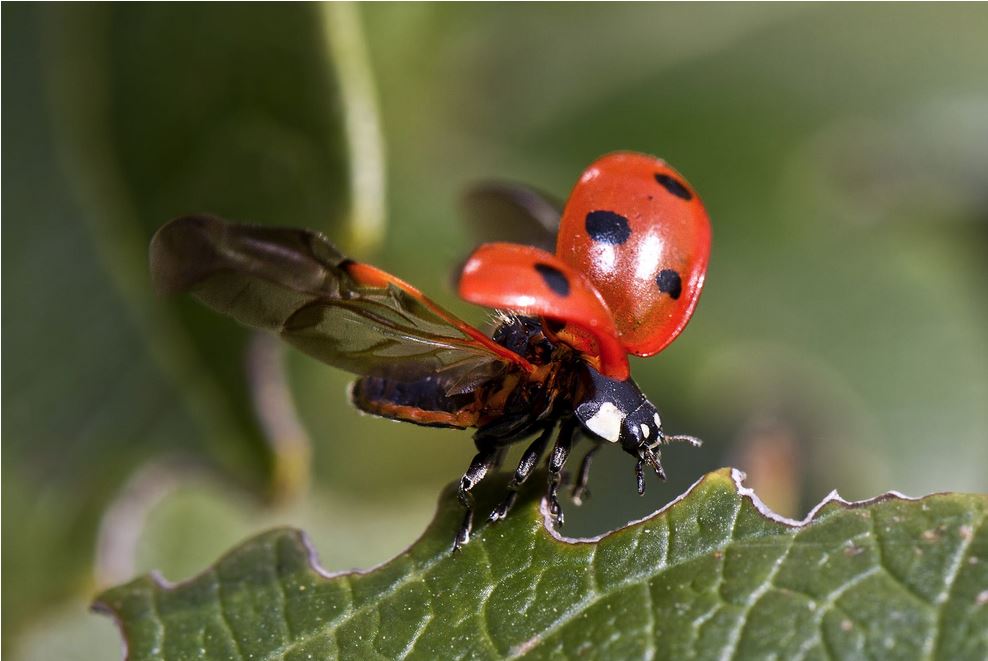
Believe it or not, one of the most effective of all predacious insects is that dainty,
little, red-spotted ladybird beetle with a main diet of soft-bodied insects like aphis,
mealybugs, scale and spider mites. Best of all, they begin their feasting while in the
larvae stage and, if times are tough and food supplies are scarce, they’ll turn their
attention onto the larvae of many beetles and weevils.
Next on the list is the praying mantis – that ferocious-looking grasshopper-like
fellow with enormous eyes and two arm-like forelegs which are always ready to grab
anything moving. It is an insectivore and won’t harm any vegetation. But is always
ready to grab anything that flies or moves close by.
They don’t stray very far and stay localised in the same area so if you can gather a
few they will serve you faithfully for a long time. They lay frothy egg cases with 50 or
more eggs in each, several times a year, so can build up numbers quite quickly.
Lacewings, those fragile greenish, large mosquito-like creatures, just love aphis
and similar soft-bodied insects. Their larvae, which some call ant lions, live in the
sand in funnel-like holes and eat any unsuspecting ant or bug that might stumble in.
The hoverfly, pictured, is so named because of their striped abdomen and
formation hovering habits and are quite harmless, mainly thriving on nectar. Their
larvae feed on various larvae.
I am also compelled to mention spiders, because they play a major role as pest
destroyers in the garden. I say ‘compelled’ because I confess to being a practising
arachnophobe due to a somewhat embarrassing and terribly painful encounter (you
guessed it) in my early teens. God bless modern internal plumbing.
I am more than comfortable in having our garden draped with spider webs as
long as they continue to help keep the garden pest-free. I’m also quite comfortable
with Peta naming the occasional huntsman that takes up residence in the house, as
long as they stay away from our bedroom – and the toilet.
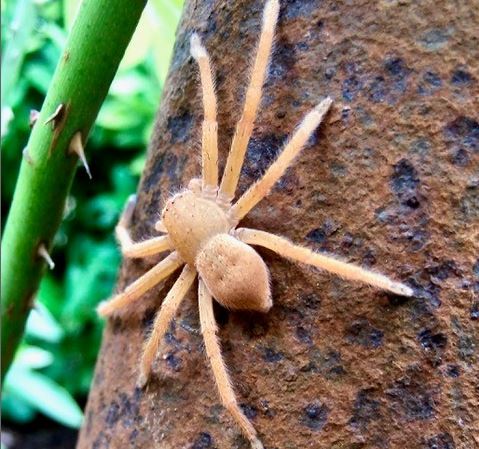
Huntsman spiders belong to the international tarantula tribe and are, on the
whole, quite harmless as long they are left alone including, the golden huntsman,
pictured, which prefers the outdoors, finding their food among the bark of large tree.
February 19th, 2023Glen, about the house …
And so the La Niña blues roll on
And you thought (hoped)! we had seen the last of her. With the little girl still hanging around I figured these two very common problems of this season deserved sharing.
Hi Glen,
I have a 28-year-old walnut tree in the back garden. This year it has barely come into leaf and is looking sick. I am wondering if it is due to being a wet winter and the fact it was heavily watered last summer. Do you think it would benefit from a trim back? Or could I dig a trench out from the trunk and fill it with Seasol or something similar? I don’t want to lose the tree. Do you have any suggestions?
I also have had difficulty getting rid of the cherry slug by using copper spray at leaf burst, lime sulphur, and pest oil – to the extent that I have lost young trees including a weeping flowering cherry. I would value your opinion.
Thank you in advance, Marg
1 The Walnut tree
Walnuts grow best in deep, well-drained loam and do appreciate compost, organic manures etc. They are best planted on the high side of sloping gardens, not down the bottom where, in heavier-type soil, water tends to lie.
I can tell you that damned interloper Ms Niña’s re-appearance causing this awful, miserable and overly wet, and not to mention, violent weather, has caused my deciduous fruiting trees similar grief to yours. I only hope the rest of summer is a little benign, at least for long enough for everything to recover.
Hopefully your walnut’s roots didn’t suffer any great damage. The best course of action would be to dig a few shallow channels radiating from the trunk out to just past the “drip-line’ (just past the branch ends) making sure you don’t damage any shallow roots.
Don’t put any fertiliser around until you see positive signs of young growth, so you know it’s ready to get going again. Then you can let fly with the manures, Seasol etc.
Walnuts aren’t all that fond of pruning so wait until you see some real movement before you trim off any damaged or weakened growths.
2 Pear/cherry slugs
These little monsters are as persistent as blowflies around a picnic and will take constant action to clear up. So it’s useful to know their life cycle to understand the several remedies needed.
Pear/cherry slugs are larvae of one species of insect commonly called sawfly. The adult fly lays her eggs on the back of the selected tree’s leaves and dies. The eggs hatch and become the slugs, which gorge themselves on your tree’s succulent leaves, then head south to dig themselves a cosy spot in the ground at the foot of the tree to mutate into flies…which then proceed up to the next season’s succulent leaves to continue the life cycle.
So you have several chances of stopping them, as well as physically removing and killing the slugs – spray the pest oil as soon as the leaves are fully opened to get the eggs before they hatch.
Hit the slugs with the oil or water to knock them off the tree, and stop them either going down, or coming back up to eat, by placing a barrier ring of pest oil-soaked rag about 5-10cm above the ground. This not only deters the little blighters, if you regularly repeat dousing the rag and completely break the life cycle, you could be lucky enough to rid your garden of them – and maybe a few of their cousins for at least a couple of seasons.
Happy Hunting!
Got a gardening query? Email glenzgarden@gmail.com