


September 3rd, 2024Glen, about the house
Pruning
In the last issue I began what I thought was a brief summary of pruning a couple of favourite deciduous, backyard fruit trees that would fill my page nicely. But after some judicious word pruning and deciding that as apples and pears needed the same treatment as do peaches and nectarines, I think we need some more words on pruning. So, here we go again.
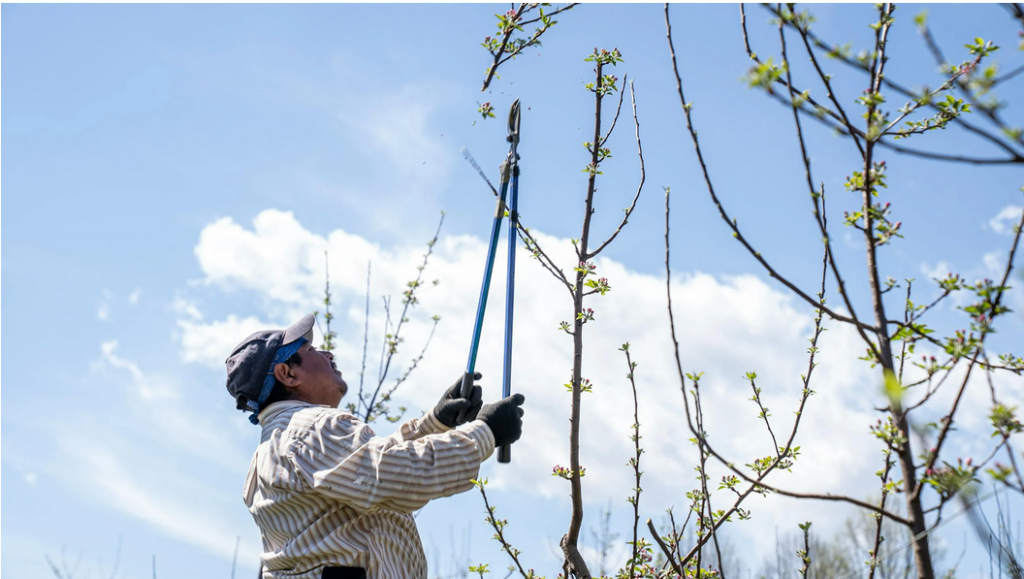
Fruit tree pruning – Part 2
Plums.
There are two kinds of plums, Japanese, which bear fruit on first year wood and spurs, and European varieties, which bear on spurs of two years and older. They vary in growth habits and other respects.
Japanese plums.
These are usually quick growing, early bearers and are either upright or spreading in growth, depending on their heritage. It makes no difference in their quality or quantity of fruit, just their garden space needs.
They all seem to do best on the open centre system. Most of the fruit buds are on short spurs in clusters and each has one blossom.
The two-year-old twigs can also bear fruit towards their base. Most of them are heavy bearers and often need a helping hand by removing or tying back offending branches until the fruit has ripened and is ready to harvest.
European plums.
These are more difficult to train, take longer to bring into bearing and are harder to keep going with cropping. Cross-pollination plays quite a big part here. The central leader combination shape comes most naturally to these trees.
Some, like the well-known prunes, do very well on the full central leader shape. The rest start up like this but then turn over to their own shape.
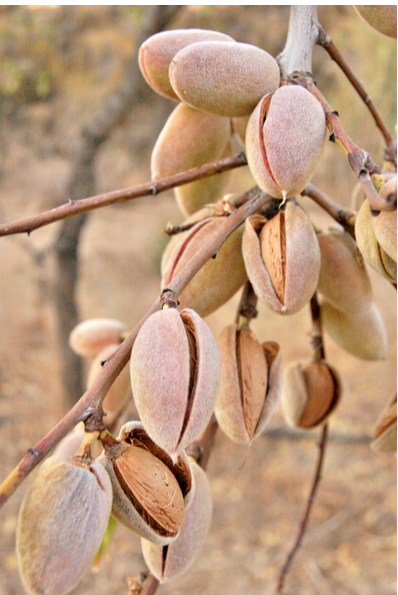
Almonds.
Almond trees are shaped, or more correctly, trained from the very start. This is very important to remember because they do not respond to either pruning or training.
Thinning is the only treatment they can take during their life cycle. They are trained – if possible – on the central leader shape in their own fashion.
Cherry trees.
There are no written rules for the pruning or training of cherries. They are one of the few trees which if left alone will form a perfect shape. Pruning, if ever done, will consist of removing a damaged branch, thinning out of too dense branches and getting rid of water shoots.
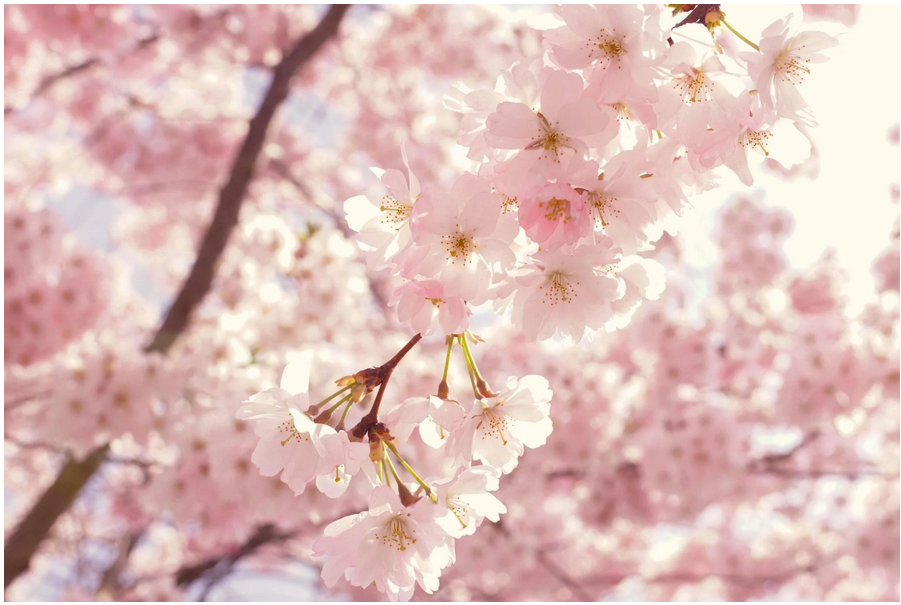
Fig trees.
These will grow in many varied shapes if not trained at an early stage. The main branches should not be cut back at the first pruning, only selected and allowed to develop further.
Figs can be grown most successfully on the combined shape so another crown can be developed above the first but then limit them to the open shape.
Figs grow fruit on the new wood, towards the tips, so no pruning should take place unless the tree is growing too straggly and spindly.
When this happens, shorten back half of these branches to a few buds one year and then cut the other half the following year. This pruning is best done evenly distributed each year, all over each tree.
Got a gardening query? Email glenzgarden gmail.com
August 20th, 2024Glen, about the house
What’s all the fuss about pruning deciduous fruit trees each year? Well, the simple answer is almost all deciduous fruiting trees produce their flowers in early spring, which coincides with the awakening of various flying, nectar seeking, insects.
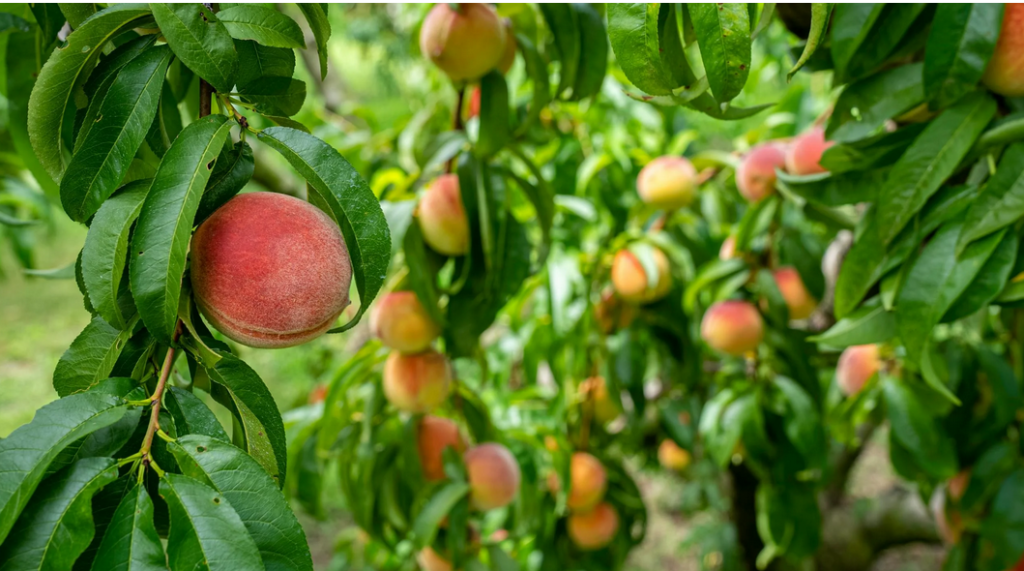
Most important of all the visitors are the hordes of hairy-legged aptly named honey bees who, while gathering their winter’s stock of nectar and pollen, are innocently catering for immensely larger appetites.
So, it’s up to us to see that our fruiting trees are given all the help they need to flower and bear plenty of healthy crops.
Best pruning methods for the most popular trees Apple/Pear – Ideally suited to a central leader shape they take several years to think about fruiting and bear most fruit on short fruiting spurs.
If left alone right from the nursery stage they will develop a straight stem with a first crown of 4-6 branches approximately 1 metre above the ground, and still retain the sturdy centre leader.
In another three or so years the tree will be nearing full size and should be showing signs of cropping. By then, pruning should be restricted to just shaping and light pruning.
Quince – Are prone to be shrub-like with no central trunk but multiple sturdy main branches supporting a framework of flowers/fruit.
Because the fruit is individually heavy and borne on the tips of branches, normal cup-shaped tree branches would soon bow to the weight and later break down.
After the heavy-duty, frame-building pruning is done, all that is needed is mainly thinning out of excess wood and eliminating any stray watershoots.
Because the fruit grows on the tips of last year’s wood, this should not be cut off, which makes regular pruning largely unnecessary.
Peach/Nectarine – They are closely related, with no basic differences in development and structure and near impossible to tell apart when they’re leafless.
Since they bear fruit only on young wood developed on the previous year, we have to force this each year by hard pruning.
If not they will soon become bare on the lower branches, and the crops start to appear only on the higher branches.
Then you will find the centre of the tree opening up, letting the hot summer sun in to scorch and ruin the main limbs.
Cut short alternate twigs on the branches to force new fruiting for next year but leave some to fruit now.
Apricot – Avoid pruning to the open centre, it will require drastic pruning to stop growing too far out and splitting with the weight of the crop – and the drastic pruning needed to rectify the problem can encourage the dreaded scourge, the deadly gummosis.
So if you are about to purchase a new apricot, choose one with a straight, healthy growth and stake it to take over the principal role.
The growth of the apricot is erratic and we can’t force it too long to shape it. The obvious answer is to choose a healthy tree with developed trunk and a central leader of four or five arms.
This is a liberal shape which should work out with a little guidance this should consist of taking off about half the length of the leaders to force out spurs which will carry most of the crop.
These will last for three to five years, but new ones will appear from time to time if the tree isn’t very dense.
Next issue I’ll conclude this saga with plums, cherries, almonds etc. Please let me know through The Local, if you want a specific tree or vine added to the list.
July 22nd, 2024Glen, about the house
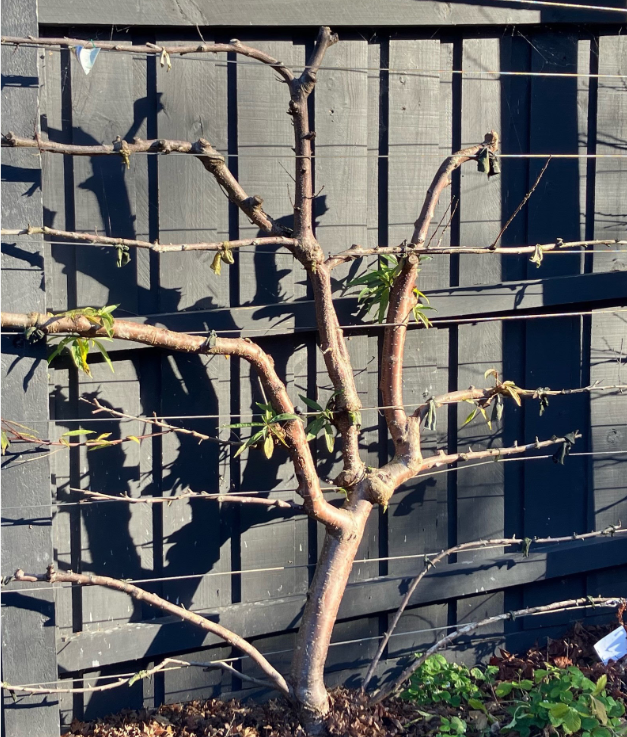
Pruning, the better way There’s a perennial gardening question that usually arises at about this time of year, that is after the “should we really get stuck into the tree with a saw and lop it right back?”.
And that is the “which format should we aim for – upright central trunk with branches radiating upwards, a neat, compact choice for smaller gardens, or the open centred, urn shape, pruned to allow plenty of light in for the fruit?”.
This works fine in the case of citrus, peaches, nectarines and other semi-tropical fruits, or where the fruit is sheltered by larger trees or buildings.
Pruning for the centre leader system really starts in the nursery, where the leader is not cut to encourage side shoots, but let go, and given proper nourishment it should grow up to 3-4 metres high, then produce four to six side shoots about a metre above the ground, in the same year. Four or five buds will develop to supply the side branches, and they will form the first crown.
This procedure, repeated every year, will make a multi-storey centre leader tree, leaving about a metre between crowns, and each crown having one less branch than the crown below.
This is a very economical and natural way to produce fruit. It also cuts out sun-scorch damage and splitting by excess crop or wind.
The centre leader always keeps the balance and acts as a safety valve. This shape suits all deciduous fruit trees which bear the crop on fruit on old wood, such as apples, pears, apricots, quinces, European plums, cherries etc.
Although cherries are best left alone unless it’s desperate, cherries loathe even the sight of secateurs or saws.
Nearly all the young trees produced and sold here were developed to grow as open, multi-branched trees especially for those deciduous trees that bear the fruit on young wood such as peaches, nectarines and Japanese plums, because of the more severe pruning needed to produce annual wood, which bears the fruit.
They do well on this system, providing some secondary branches are allowed to grow toward the centre of the tree to shield against sun scorch of the main limbs.
One more small but very important point that can have a great impact on the future success of the tree’s development is the necessity of its growing small spurs on the trunk below the first crown.
These are intended to strengthen the main trunk by preventing the sap from bypassing the main trunk. Usually these spurs bear the first fruit. After a few years, when they are no longer necessary, they can be cut off.
The main rule for pruning young trees is to see the main shape by cutting the main and side leaders to about two thirds so all the buds will grow without watershoots developing.
Fruitful fences
The espaliered orchard is God’s gift to space limited, would-be home orchardists. If you can’t spread out, then grow upwards and plant them up the fence, see above.
There is many an ugly garden fence that has been beautified by a trellis full of flowering or colourful-leafed vines.
So what’s to stop you from training a few fruiting apple, plum or other fruiting trees up along yours?
If you have the good fortune of having the timber framework and posts on your side you’re halfway there – use the rails to support the roll of sturdy galvanised timber or wooden lattice to support your choice of trees and plant them about three metres apart.
The rest is a cinch and I’ll give you the details in the next issue of The Local.
Got a gardening query? Email glenzgarden gmail.com