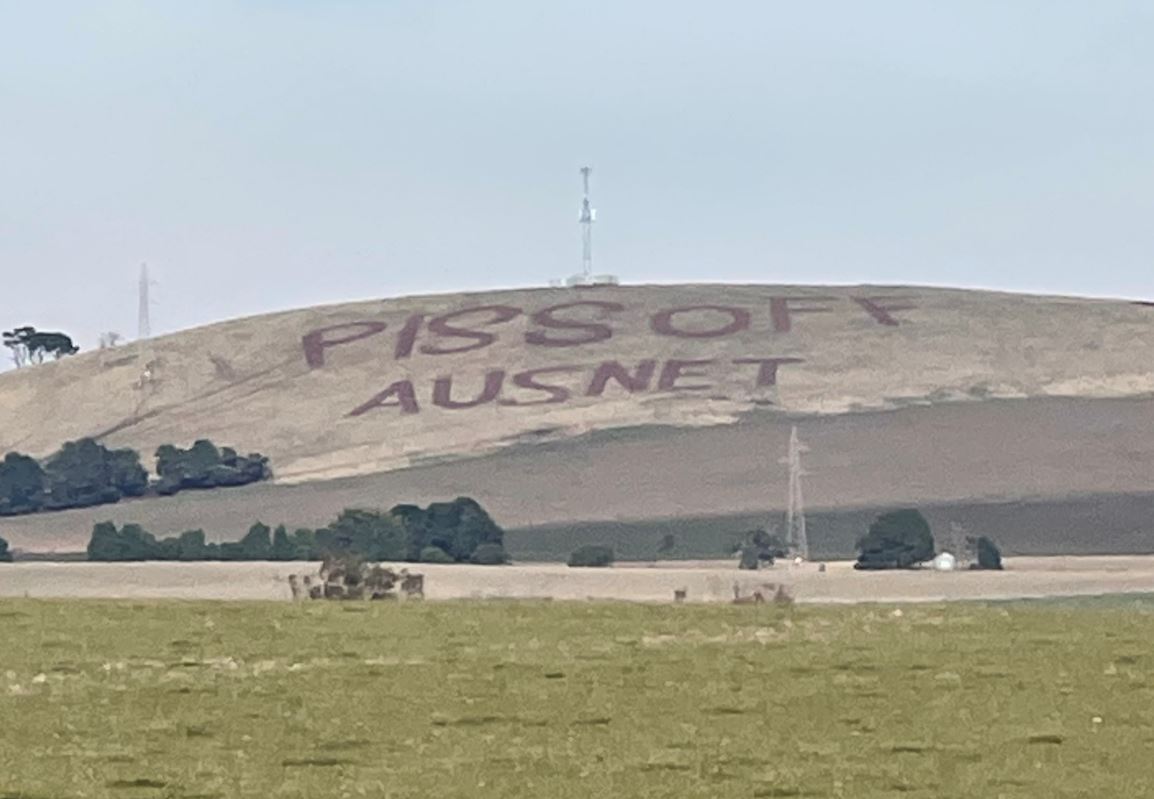
May 17th, 2026Approval for $2.6 billion

The Australian Energy Regulator has approved $2.6 billion to maintain and upgrade AusNet’s electricity distribution network across eastern and northern Victoria, along with $1.6 billion to operate the network over the next five years.
Electricity transmission and distribution network businesses are required to submit revenue proposals to the AER every five years outlining how much they intend to recover from consumers. The AER assesses these proposals to ensure consumers pay no more than necessary for safe, reliable and secure electricity services.
AER board member Lynne Gallagher said the AER’s final decisions aimed to strike a balance between keeping costs affordable for consumers and ensuring networks could invest in the capital and operating expenditure needed to support the evolving energy system.
“We have carefully considered all submissions and feedback from stakeholders and reviewed the proposed expenditure to ensure that it is clearly justified, timely and efficient. Following our assessment, we have either accepted, rejected or in some cases, identified other solutions to address consumers’ concerns and deliver the outcomes they were seeking at a lower cost,” she said.
AusNet Distribution executive general manager Andrew Linnie said while the decision was an improvement on the AER’s draft determination, it was around $800 million less than the investment AusNet proposed.
“The reduction on current spending levels falls short of what is needed to meet escalating network needs for our customers as electricity demand accelerates through electrification and population growth,” Mr Linnie said.
“This reduction will make it more challenging for our customers to unlock savings in gas and petrol bills by electrifying and for AusNet to equip the network to withstand more frequent and severe weather events.”
Mr Linnie said AusNet’s priority remained delivering safe and reliable electricity services for customers and communities across Victoria. He said the operating environment had shifted significantly, with global events contributing to faster than expected uptake of electric vehicles and increased volatility in weather conditions.
“These changes highlight just how complex it is to plan for an electricity network that must remain reliable today while also preparing for a rapidly changing future.”
Next edition: Community benefits