October 4th, 2026Hepburn Wildlife News

A recent article on the Hepburn Wildlife Shelter’s Facebook page describes the fate of several wombats hand-reared by an unknown person who released them into another wombat’s territory.
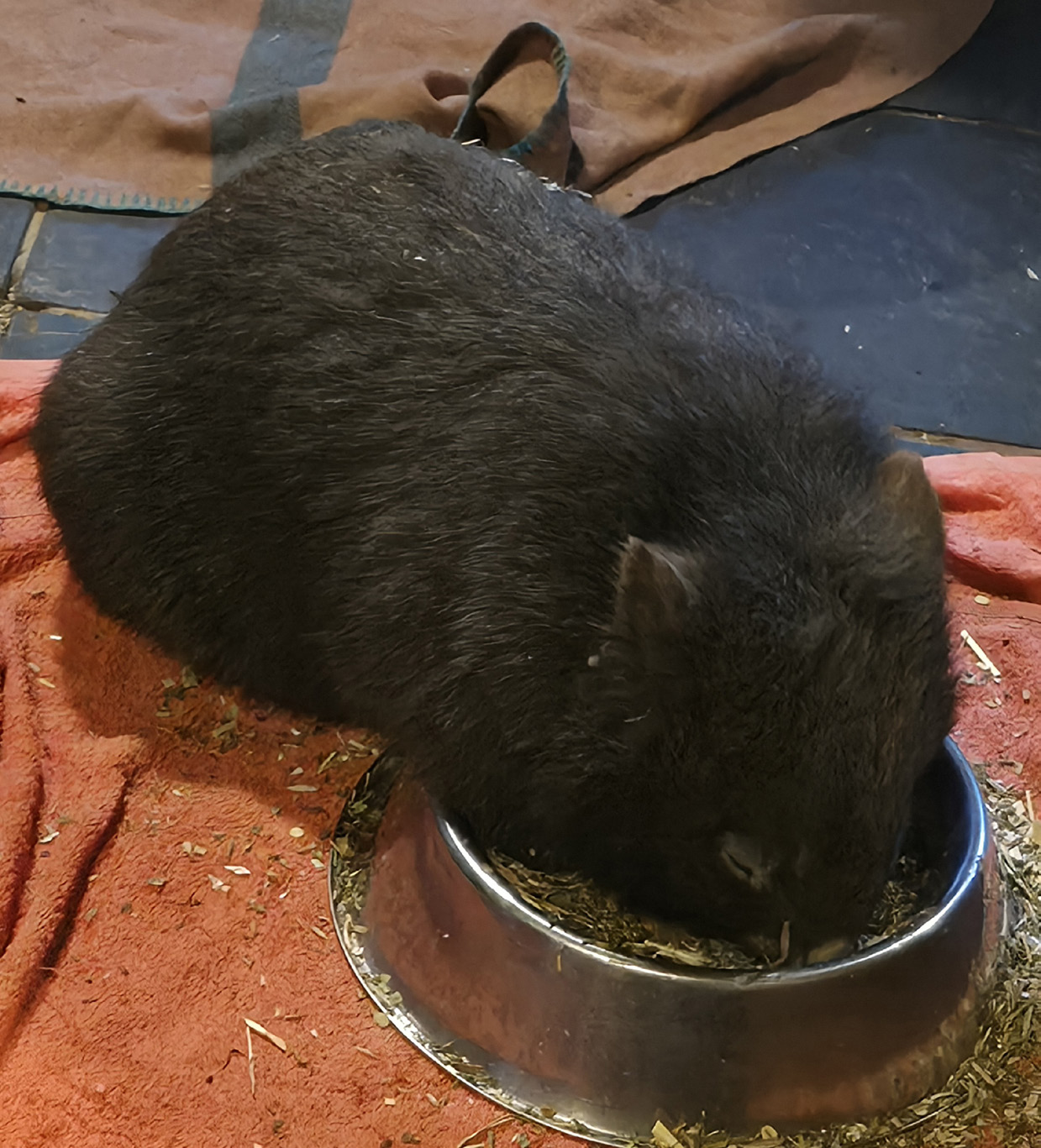
These wombats have been attacked and severely injured by the wombat whose territory they were released into and are now in the care of the Hepburn Wildlife Shelter. They may or may not survive. The Hepburn Wildlife Shelter says: “Four young wombats of the same age, suffering severe attacks from wild wombats, all from the same region and within a time frame of a couple of weeks – they are unprepared; hand-reared wombats being dumped in the territories of wild wombats.
“I wish that the person who has done this was standing beside me as I have cleaned the wounds of these wombats and tried to save their lives. The person who loved these wombats betrayed their trust and I am heartbroken for them.”
This highlights a tragic misunderstanding. All the land around us is part of the home range, or territory, of many different species of animals. It is not vacant land. Just as we would not welcome a stranger moving into our house, eating our food and sleeping in our bed, animals do not welcome intruders into their territory. The reason animals do not welcome same-species intruders into their home range is because they will be competition for food, shelter and mates. Different species of animals can share the same range as they will each have their own special requirements for food and shelter, which is why you will find lizards and different bird species occupying the same area.
Animals that grow up in the wild learn survival skills from their parents and other family members. They learn how and where to find food, which animals are friendly and which will harm. They learn how to distinguish friendly behaviour from threatening behaviour. They learn how to keep themselves safe. Releasing a hand-reared animal into the wild is generally a death sentence for that animal, this is why the Hepburn Wildlife Shelter has a soft release program for its wombats. As orphaned wombats get older they start to make their way out to explore the forest, while coming back to the safety of the shelter nightly. This means that the animals are not taken and released into another animal’s territory and allows the animal to find its own territory and food whilst exploring from the safety of the wildlife shelter. It is illegal to keep wildlife if you are not licenced to do so. All native birds, mammals, reptiles, and frogs are protected under the Wildlife Act 1975. Taking a native animal from the wild and keeping it without a permit is a serious offence that carries fines and/or six months of imprisonment.
by Dr Marita McGuirk
Dr Marita McGuirk is a field ecologist and environmental scientist, and a volunteer at the Hepburn Wildlife Shelter. Marita writes monthly columns about the shelter and the animals it cares for. If you would like to donate or volunteer, or just to find out more information, head to www.hepburnwildlifeshelter.org