April 27th, 2025Is saving desperate people really ‘frivolous’?


As always, for all manner of reasons, the shadow of the United States of America looms over the culture of the world. That’s a big statement I know and we can argue about it over dinner sometime.
Despite all predictions of its imminent demise, from our shitty social media feeds to the movies we critique, the online series we binge on, and the politics we follow, the idea of America is omnipresent.
In a post-globalised world, within the 24-hour news cycle and the sodden floating morass of opinion and perspective that passes for actual information, you will find multiple aspects of the perplexing, infuriating, compelling, impenetrable, amorphous concept of America.
No other country on earth filters through via so many lenses and I suppose that is why everyone, whether they have been there or not, have so many strident opinions on the place and I have probably been the worst offender.
So that’s why I decided, worn out slaving for The Local, that my next journey would be to that country. I did not expect to traipse the halls of power, feel its hot breath, nor oscillate around the world of the elite and famous.
I simply wanted to see the USA at ground level through my own personal lens and form an opinion of this land via actual experience. I hope that what I have put down is worth reading. – Tony Sawrey
United States president Donald Trump intends to sanction the country’s law firms who he considers to be filing ‘frivolous’ lawsuits. The memo issued March 30 is yet another step by his administration to punish those he considers to be trying to impede his government’s agenda.
As one of the numerous directives, memos and announcements coming out of his White House office, it is difficult to determine what specific effects this will have in the coming months. But one thing is certain, after barely three months, Trump’s second term is generating a climate of anxiety and unease everywhere.
In the state of Arizona in the southwest of the country, this unease is particularly acute. Southern Arizona, much of it harsh desert, shares a 600km border with Mexico and is literally the front line where the movements of illegal immigrants, asylum seekers and undocumented workers rub up against a United States retreating into isolationism and xenophobia.

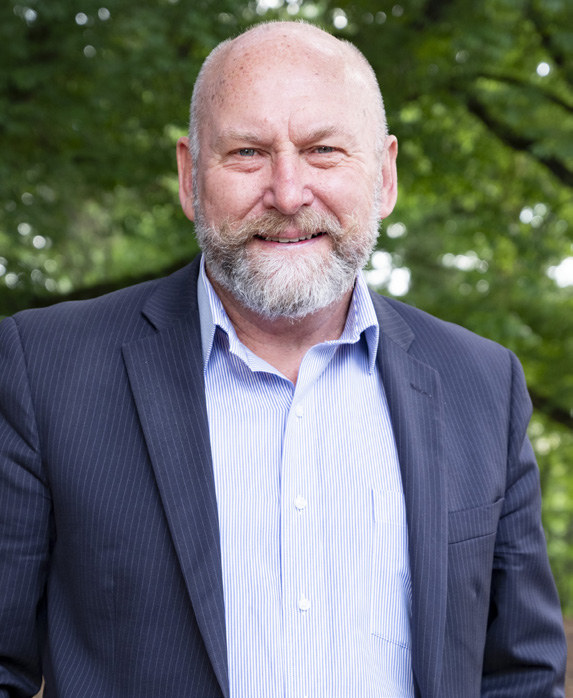
Thus a government threatening to go after lawyers and their ‘frivolous’ applications (such as advocating the rights of deportees or impeding the separation of immigrant families) may have real consequences there, as Maurice Goldman, a Tucson-based immigration lawyer explains: “The question becomes, how are they going to define frivolous?
Is everything in the eyes of this administration fraud or frivolous? These are words that can just get thrown around with no real true basis to it and it’s a way to chisel away at our system of justice and the rule of law.”
And of course it is not just legal organisations affected by this climate of uncertainty. It also has implications for non-government activist groups such as Humane Borders.
Those who chose the risky crossing of desert regions into the United States are vulnerable to its extreme heat and since the turn of the 21st century over 4000 people have died making the journey.
Humane Borders’ mission is to ‘save desperate people from death by dehydration and exposure while working to create a more just and humane border’.
They do one simple thing, that is to maintain a series of permitted water stations in the desert along trails used by migrants. The stations consist of blue plastic barrels filled with fresh water placed in a shaded area with a flag attached that can be seen from a distance.
The work of Humane Borders and other NGO’s like them has attracted the ire of authorities in the past. Volunteers have been threatened with prison and fines due to their efforts to place life-saving food and water and they have been accused of encouraging people smuggling and organised crime.

There is no doubt that ultimately it is these types of groups and their supporters that the current administration wants to impede.
By going after the lawyers that assist them, they can easily isolate, criminalise and restrict their activism. But here in Arizona it’s not just the authorities Humane Borders has to be wary of. Guillermo Jones is a volunteer with the group and goes out on regular runs into the desert to check and refill water stations.
“We sometimes find barrels where the spigot had been removed by border patrol officers, draining the water. Often the barrels get shot at too. On a recent trip we encountered someone impersonating a migrant in distress and asking for a ride. He was trying to entrap us, as transporting people without documents is a crime.”
The wall straddling the line between Mexico and the United States is the President’s vision of an isolated and locked-down country-made manifest. The eight-metre high structure, festooned with razor wire, towers over the desert town of Nogales.
Border patrol pick-ups drive along the base and helicopters and drones with infrared scanners cruise the skies. But within the local population, predominantly Hispanic and indigenous, there is a sympathy, or at least some understanding, of why those who brave the desert do what they have to do.
“People are scared right now,” says Guillermo, “Even those who have the right to enter the United States are afraid to cross over the border in case they get picked up in a sweep,” referring to recent arrests and deportations by Immigration Customs and Enforcement officials.
“But ultimately undocumented immigrant traffic will continue, and we will help them survive no matter how hard they try to stamp out our efforts in Washington DC.”
Words & images of Maurice Goldman, top left, and the wall: Tony Sawrey
Images: Guillermo Jones, top right, and cross: Supplied by Guillermo Jones