May 11th, 2026Partnership To Reduce Freight Vehicle Reliance On Fuel
Fuel prices remain high and it’s putting pressure on the freight industry so the state government is backing a global agreement to transition to zero-emission freight vehicles.

This will help businesses save more money and become less reliant on fuel.
The signed global Memorandum of Understanding (MoU) will focus on cutting freight fuel use and drive sustainability in the sector.
The MoU brings together 43 countries and more than 295 subnational governments, manufacturers, finance institutions, fleet owners and operators, and utility and infrastructure providers working to decarbonise the freight sector and reduce transport emissions.
Under the MoU, signatories are working towards 100 per cent zero-emission new truck and bus sales by 2040, with an interim target of 30 per cent of new sales being zero-emission by 2030.
This includes a national plan for high-capacity freight charging and supporting the Sydney to Melbourne “Hume Zero” corridor.
It will also target small and medium operators – while delivering new policies to strengthen market certainty.
Victoria now joins more than 40 countries working towards net zero by 2050.
The MoU is a key step towards decarbonising the freight industry and shifting freight from road to rail.
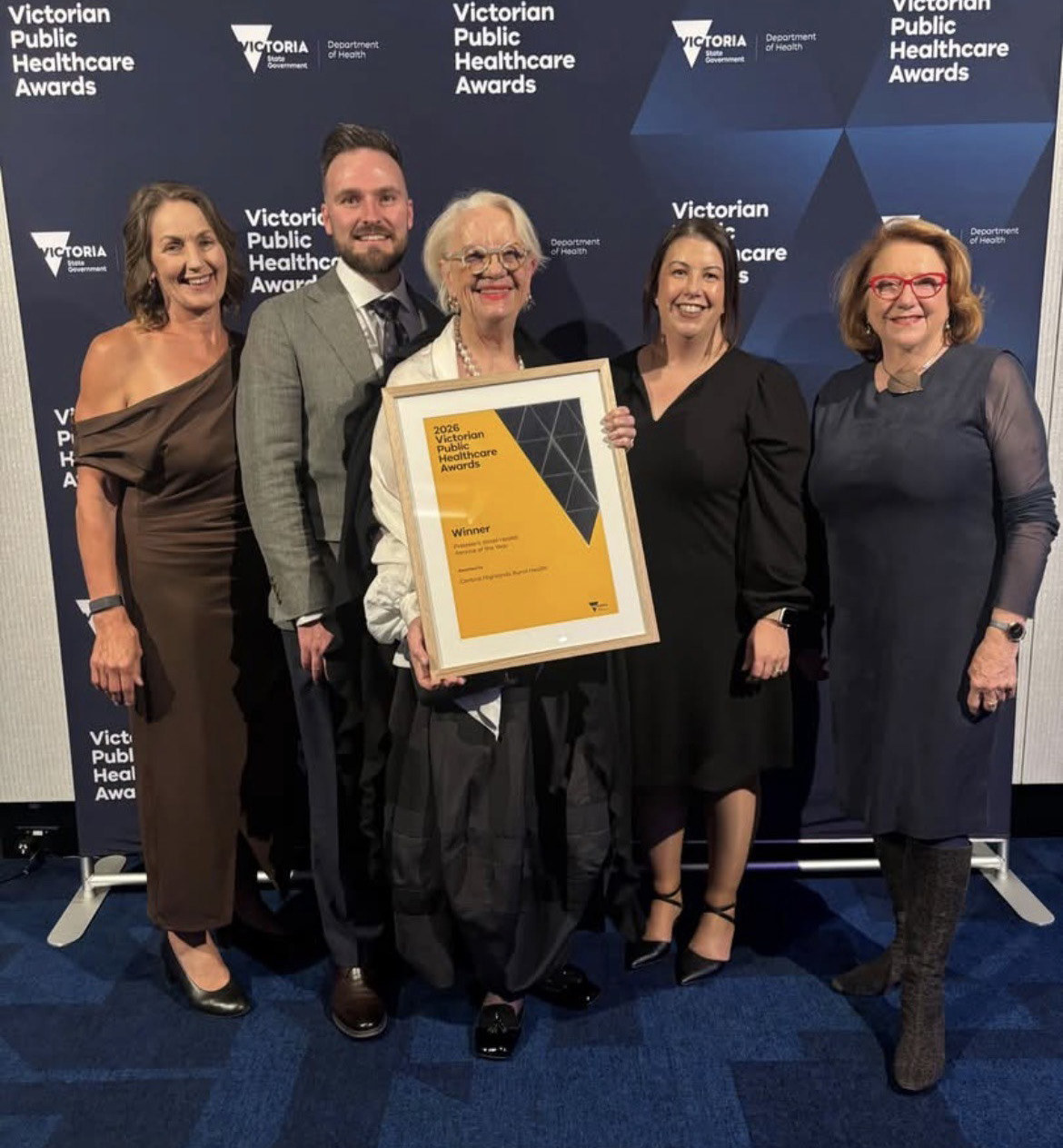
Minister for Ports and Freight Melissa Horne, above, said freight demand would more than double by 2050. “So we must act now by shifting to rail and backing cleaner transport.”
“This endorsement links Victoria to a global push to cut emissions and halve them by 2030.”